
Propagation
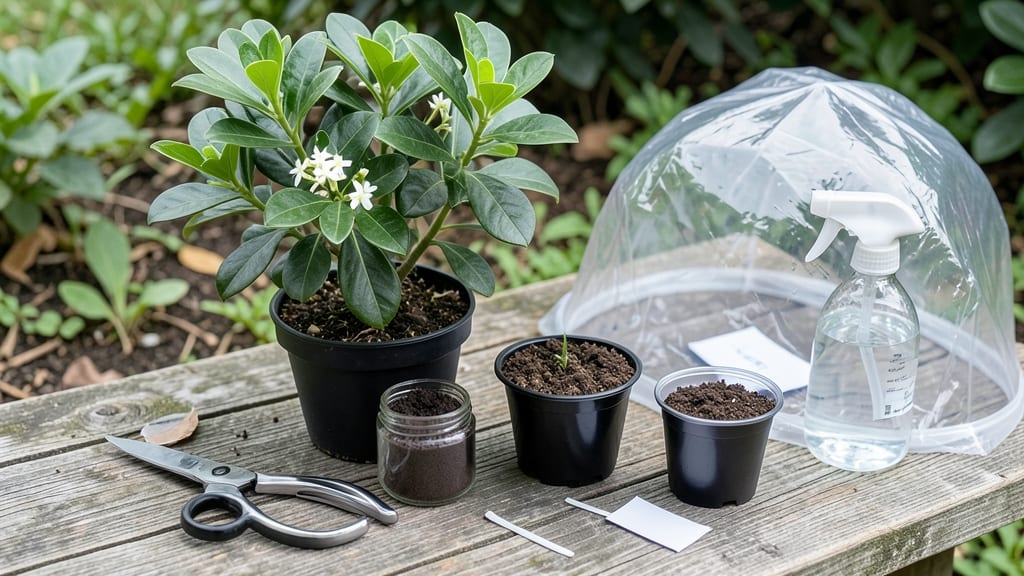
Curry leaf tree propagation from stem cuttings is the fastest way to grow your own fragrant kitchen staple. 🌱 I’ve rooted dozens of cuttings—some thrived, others failed—and I’ll share the exact method that works every time, whether you root in water or soil. The secret lies in timing and health: take 4-6 inch semi-hardwood cuttings in late spring or early summer when new growth is firm but not woody. Avoid overwatered plants (they rot) and always use sharp pruners to make clean cuts just below a leaf node. Within 2-3 weeks, you’ll see roots forming if conditions are right. Once rooted, your new plants will develop glossy, aromatic leaves within 6-8 weeks. The fragrance alone makes it worth the effort—imagine fresh curry leaves growing in your own backyard instead of wilting in a jar. Just be patient with the first flush of growth; it’s slower than you’d expect. This method works for both indoor pots and outdoor gardens, though tropical climates give the best results. Master this, and you’ll never buy curry leaves again—just propagate your own endless supply.
📚 In This Guide
- What you need
- Instructions
- Tips and common mistakes
- Wrapping up and next steps
What you need
- ● Curry leaf cuttings: 4–6-inch-long, semi-hardwood stems (about pencil-thick) with 2–3 leaf nodes. Use healthy, disease-free branches.
- ○ Rooting hormone (optional but helpful): A small bottle (e.g., Clonex or Rootone).
- ● Containers: For water rooting: Small glass jars (e.g., baby food jars) or clean plastic cups with water.
- ● For soil rooting: 4–6-inch pots with drainage holes or seedling trays.
- ● Well-draining potting mix: A 50/50 blend of perlite or sand and coco coir or peat moss (1–2 bags).
- ● Water: Room-temperature, filtered or distilled (to prevent algae in water rooting).
- ● Pruning shears or sharp knife: Sterilized with rubbing alcohol.
- ● Plastic wrap or humidity dome: Clear plastic bag or a propagator lid to retain moisture.
- ● Spray bottle: For misting cuttings (8–16 oz).
- ● Fertilizer: A diluted seaweed or fish emulsion (1 tsp per gallon) for soil-rooted cuttings after 4–6 weeks.
- ● Grow lights: LED grow bulbs (for low-light conditions).
- ○ Heat mat (optional): To warm soil to 70–75°F for faster rooting.
- ● Label markers: To track cutting dates and progress.
Step-by-step instructions for propagating curry leaf trees
Here's the straightforward method I use to grow new curry leaf trees from cuttings—works reliably whether you root in water or soil.
🌿 Step 1: Select Healthy Mature Stems
Choose 4-6 inch long stems from the current season's growth—they'll be green and flexible, not woody. Look for stems with at least 3-4 leaf nodes (those little bumps where leaves attach). I always pick stems from the tips of branches because they've stored the most energy for rooting.
Use clean, sharp pruning shears to make a clean cut just below a leaf node at a slight angle. This angled cut gives you more surface area for roots to form. If you're taking multiple cuttings, sterilize your shears with rubbing alcohol between cuts to prevent disease spread.
💧 Step 2: Prepare Cuttings for Rooting
Remove all but the top 2-3 leaves from each cutting. Too many leaves create a water demand the cutting can't meet while it's establishing roots. You can also trim the remaining leaves in half to reduce water loss through transpiration.
For water propagation, place the cuttings in clean glass jars filled with room temperature water. Submerge only the bottom 2-3 inches of the stem—never the leaves. Change the water every 2-3 days to prevent bacterial growth. I like to add a pinch of cinnamon to the water to inhibit rot and encourage root growth.
🪴 Step 3: Root in Water or Soil
If rooting in water, place your jars in bright, indirect light. You'll see tiny white roots appear at the nodes in about 2-3 weeks. Once roots reach 2-3 inches long, they're ready for transplanting. I always harden off water-rooted cuttings by placing them in a humid spot for a day before moving to soil.
For soil propagation, prepare a mix of equal parts perlite and potting soil. Dip the cut end in rooting hormone powder to encourage faster root development. Insert the cutting into the mix until it's firmly held, then water lightly. Keep the soil consistently moist but not soggy—you'll know it's right when the surface feels damp but not wet to the touch.
☀️ Step 4: Provide Ideal Growing Conditions
Place your rooted cuttings in bright, indirect light for the first week to avoid shocking them. After that, gradually introduce more sunlight. Curry leaf trees need 4-6 hours of direct sun daily once established. I start with morning sun only, then slowly increase exposure over 2 weeks.
Keep humidity high during the first month by covering the cuttings with a plastic bag or placing them in a propagator. Mist the leaves lightly every few days to maintain moisture. You'll know they're adapting well when new leaves begin to form after about 6 weeks.
✂️ Step 5: Transplant and Maintain New Plants
After 8-12 weeks, your new curry leaf trees should have a strong root system. Transplant them into 6-inch pots filled with well-draining potting mix. Water thoroughly after transplanting to help settle the roots. I always add a handful of compost to the soil mix to provide essential nutrients.
Continue watering when the top inch of soil feels dry to the touch. Curry leaf trees are drought-tolerant once established, but young plants need consistent moisture. Fertilize lightly every 2 months with a balanced liquid fertilizer to encourage healthy growth. You'll be ready to harvest leaves in about 6-8 months!
Tips & tricks for perfect curry leaf tree propagation
Here's what nobody tells you about growing these aromatic cuttings successfully.
Selection Secret: The 4-6 inch length guideline is non-negotiable—shorter stems often fail to root properly. I've learned this the hard way after watching 3-inch cuttings rot in water. Look for stems that bend slightly without snapping; that's your sign of healthy flexibility. The angled cut below a leaf node is crucial too—it's where all the root magic happens.
Water Propagation Wisdom: That 2-3 inch submersion rule is critical, but here's the thing: if you see air bubbles clinging to the submerged portion, your water isn't clean enough. Change it immediately—even if it's only been 2 days. And yes, the cinnamon trick works, but don't overdo it—a pinch is all you need to prevent rot without altering the water chemistry.
Light Transition Strategy: The gradual sunlight increase over 2 weeks prevents leaf scorch. Start with morning sun only because afternoon rays are more intense. I've seen cuttings develop sunburn when moved too quickly—those white patches on leaves are a dead giveaway. If you notice this, move them back to indirect light immediately.
Soil Mix Alternative: While the perlite-to-soil ratio works well, you can substitute perlite with coarse sand or even small pebbles for better drainage. The key is maintaining that "damp but not wet" consistency—stick your finger in the mix to check. If it feels like a wrung-out sponge, you're golden.
Pro Tips for Curry Leaf Tree Propagation
- Here's what nobody tells you about growing these aromatic cuttings successfully.
- Selection Secret: The 4-6 inch length guideline is non-negotiable—shorter stems often fail to root properly.
- Water Propagation Wisdom: That 2-3 inch submersion rule is critical, but here's the thing: if you see air bubbles clinging to the submerged portion, your water isn't clean enough.
Frequently asked questions
Got questions about growing your own curry leaf tree? Here are some of the most common queries—and their answers—to help you propagate like a pro!
Can I propagate a curry leaf tree from a single leaf?
Unfortunately, no—curry leaf trees (Murraya koenigii) don’t root from leaf cuttings. You’ll need a stem cutting with at least 2-3 nodes (leaf junctions) for successful propagation. These nodes are where roots naturally form, so they’re essential for growth.
How long does it take for curry leaf cuttings to root?
In water, roots typically appear in 2-4 weeks if kept in warm, indirect light. In soil, it may take slightly longer (4-6 weeks) due to slower moisture retention. Be patient—consistent humidity and warmth (70-80°F) speed up the process!
Should I use water or soil for rooting curry leaf cuttings?
Both work, but water is beginner-friendly because you can monitor root growth easily. For soil, use a well-draining mix (like perlite + peat) and keep it moist. Water-rooted cuttings can be transplanted to soil once roots are 1-2 inches long.
Why aren’t my curry leaf cuttings rooting?
Common issues include low humidity, direct sunlight (burns tender cuttings), or contaminated water/soil. Try these fixes:
- Mist cuttings daily or use a humidity dome.
- Place in bright, indirect light (east-facing windowsill is ideal).
- Change water every 3-4 days to prevent bacteria.
- Use a rooting hormone for stubborn cuttings.
Can I grow a curry leaf tree from a store-bought plant?
Yes! Many grocery store curry leaf plants are grown from cuttings. Look for healthy stems with leaves (avoid flowering branches). Snip a 4-6 inch section just below a node, and follow your preferred propagation method. Just ensure the parent plant is pesticide-free!
Wrapping up and next steps
Growing a curry leaf tree from stem cuttings is a rewarding journey that brings a piece of tropical flavor right to your backyard—or even your kitchen windowsill! 🌱 Whether you choose water or soil propagation, the key is patience, consistency, and a little green thumb love.
With the right techniques, you’ll soon enjoy fresh curry leaves for cooking or share this aromatic plant with fellow gardening enthusiasts.
Now that you’re armed with the know-how, why not take the next step? Try propagating a cutting this weekend and watch your little sapling grow into a thriving tree. Happy gardening—and may your kitchen always smell like a spice market! 🌿✨