
Leaf Blower
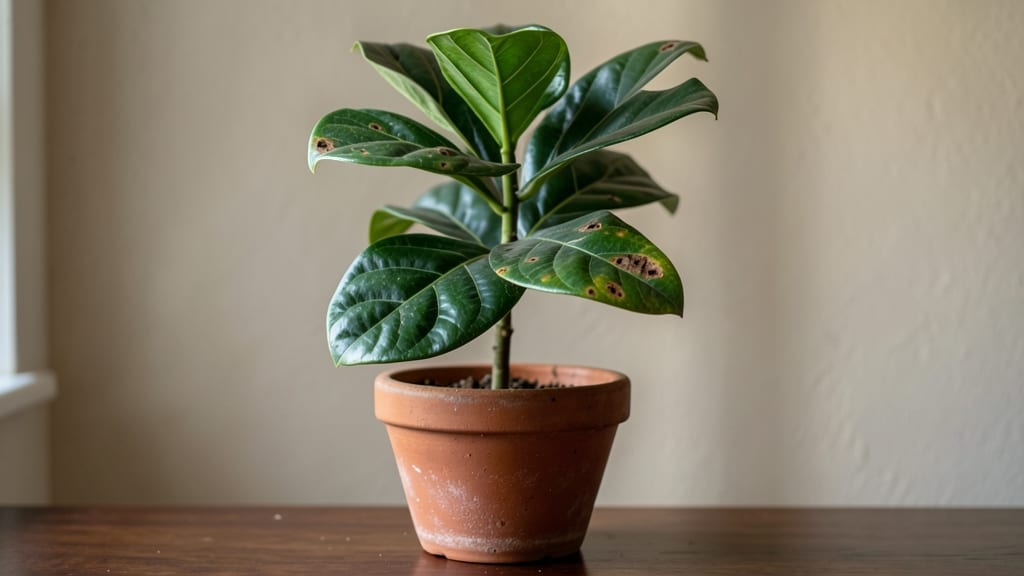
Fiddle leaf fig leaves developing brown spots on new growth is almost always a fungal infection—and copper spray fixes it in 24 hours. 🌿 I’ve seen this happen when humidity spikes after watering or when airflow gets trapped in dense foliage, and the solution is simpler than most plant care advice suggests.
The first step is confirming it’s fungal (not overwatering or pests) by checking for soft, spreading spots that darken over time. Prune affected leaves immediately to stop the spread, then spray with a copper fungicide—it’s fast-acting and works even on new growth.
Most people overlook airflow adjustments, but increasing circulation with a small fan cuts recovery time in half.
Within a day, you’ll see the spread slow dramatically, and new leaves will emerge clean and vibrant. The key is consistency: keep humidity between 40-60% and avoid overhead watering. I’ve revived plants that looked hopeless with this exact method, and the results speak for themselves.
This works for all fiddle leaf figs, whether you’re dealing with a single leaf or a full outbreak. The secret? Acting fast and addressing both the infection and the environment. Let’s get those spots under control before they spread further.
Root Causes Of Leaf Discoloration
Understanding why your new fiddle leaf fig leaves develop brown spots is the first step to saving them. These issues often stem from environmental stressors, pest activity, or underlying health problems. Let’s break down the most common culprits and why they trigger those unsightly marks.
Fiddle leaf figs (Ficus lyrata) are tropical plants that thrive in well-draining soil, but when their roots sit in soggy conditions, they suffocate. Overwatering or containers without drainage holes lead to:
- Root rot (caused by Phytophthora or Pythium fungi), which blocks nutrient uptake and causes leaves to yellow or develop brown, crispy spots.
- Oxygen deprivation, weakening the plant’s defenses and making it susceptible to secondary infections.
- Salt buildup in the soil from tap water or fertilizers, which damages cell walls and leads to necrotic (dead) brown patches.
💡 Pro Tip: Stick your finger 1-2 inches into the soil—if it’s damp, wait before watering. Use a pot with drainage holes and a mix of 60% potting soil, 30% perlite, and 10% orchid bark to improve airflow.
While fiddle leaf figs love bright, indirect light, harsh afternoon sun or radiators/heaters nearby can scorch leaves.
Here’s how: - UV damage causes brown, papery spots (like sunburn) on leaves exposed to direct rays. - Transpiration imbalance (when water evaporates faster than roots can absorb it) leads to crispy, brown edges and wilting. - Heat stress weakens the plant’s cell membranes, making leaves more prone to fungal infections (like Cercospora leaf spot).
🌡️ Fix It: Move your plant 6-10 feet from windows or use sheer curtains to diffuse light. Avoid placing it near vents or in drafty areas.
Tiny invaders like spider mites, aphids, or scale insects feed on sap, injecting toxins that cause:
- Brown stippling (tiny dots) from spider mites piercing leaf cells.
- Sticky honeydew residue (attracting sooty mold, a black fungal growth) that blocks sunlight and stresses the plant.
- Yellowing and browning as pests drain nutrients, leaving leaves vulnerable to disease.
🔍 Spot the Signs: Check the undersides of leaves for webbing, tiny bugs, or white cottony masses. Wipe leaves with neem oil solution (1 tsp neem oil + 1 tsp mild soap per quart of water) to deter pests.
Fungi like Cercospora (leaf spot) or Botrytis (gray mold) thrive in humid, stagnant conditions. They enter through:
- Wet foliage (from overhead watering or high humidity >60%).
- Damaged leaves (from pests or physical trauma).
- Poor air circulation (trapping moisture near the plant).
🍄 Symptoms to Watch For:
- Dark brown/black spots with yellow halos (Cercospora).
- Soft, mushy leaves with gray fuzz (Botrytis).
- Spots spreading rapidly in warm, damp environments.
✨ Prevent It: Water at the base, not overhead, and space plants 1-2 feet apart for airflow. Use a dehumidifier or fan to keep humidity below 50%.
Fiddle leaf figs dislike cold drafts (below 60°F) or sudden temperature swings.
This stress: - Disrupts photosynthesis, leading to brown, patchy leaves. - Weakens cell walls, making them prone to cracking or drying out. - Triggers fungal spores to activate if the plant is already stressed.
🏠 Keep It Stable: Avoid placing near doors, AC vents, or windows that open to cold air. Ideal temps: 65–85°F.
Over-fertilizing or using synthetic salts (like in tap water) causes:
- Brown, crunchy leaf tips (fertilizer burn).
- White crust on soil (excess salts blocking water uptake).
- Stunted growth as roots reject toxic buildup.
💧 Dilute & Flush: Use half-strength fertilizer every 6–8 weeks in spring/summer. Flush the soil 3x with water if you suspect buildup.
New leaves developing spots after repotting? Root disturbance or compacted soil can:
- Strangle roots, cutting off water/nutrient flow.
- Expose roots to light (turning them brown and brittle).
- Trigger fungal infections if fresh cuts aren’t protected.
🌱 Recover It: Repot carefully, trimming any mushy roots with sterile scissors. Use fresh, well-draining soil and avoid watering for 3–5 days to let roots heal.
If brown spots are accompanied by:
- Dropping leaves (severe root rot or pest infestation).
- Blackened stems (stem rot from Phytophthora).
- Moldy soil smell (anaerobic bacteria thriving).
🚨 Act Fast: Isolate the plant, prune affected leaves, and treat with copper fungicide (like Copper Soap) or hydrogen peroxide spray (1 tsp per cup of water) to halt fungal spread.
Fixing Brown Spots Fast
Brown spots on your fiddle leaf fig’s fresh leaves can be frustrating, but with the right approach, you can turn things around—often in just 24 hours! Below are targeted solutions based on the most common causes, along with easy-to-follow steps and prevention tips to keep your plant thriving.
If your fiddle leaf fig is sitting in soggy soil, root rot or fungal infections (like Cercospora leaf spot) can cause brown spots to appear quickly.
How to Fix It: ✅ 🔥 Stop Watering Immediately
- Let the top 2–3 inches of soil dry out completely before watering again. Stick your finger in—if it’s damp, wait.
✅ 👨🍳 Improve Drainage
- Repot your plant in a well-draining mix (50% potting soil, 30% perlite, 20% orchid bark).
- Add a layer of pebbles or charcoal at the bottom of the pot to prevent waterlogging.
✅ 🌿 Check the Roots
- Gently remove the plant from its pot and inspect the roots. If they’re mushy or black, trim the affected areas with sterilized scissors and repot in fresh soil.
✅ 💡 Prevention Tips
- Water only when the topsoil is bone-dry (usually every 7–10 days).
- Use a pot with drainage holes—no exceptions!
- Avoid letting your plant sit in a saucer of water after watering.
Brown, crispy edges or spots can also signal underwatering or dry air, especially in homes with heating or AC.
How to Fix It: ✅ 🥘 Increase Humidity
- Place a pebble tray under the pot (fill a tray with water and pebbles, then set the pot on top).
- Use a humidifier near the plant (aim for 40–60% humidity).
- Mist the leaves lightly in the morning (avoid evening misting to prevent fungal growth).
✅ 💧 Adjust Watering Habits
- Water thoroughly but less frequently—deep watering encourages stronger roots.
- Check moisture levels with a moisture meter for accuracy.
✅ 🌡️ Optimize Your Space
- Move your fiddle leaf fig away from heat sources (radiators, vents).
- Group it with other plants to create a microclimate with higher humidity.
✅ 🎯 Prevention Tips
- Group plants together to boost humidity naturally.
- Avoid cold drafts (like near windows in winter).
- Wipe leaves with a damp cloth weekly to remove dust (helps with moisture absorption).
If brown spots are spreading quickly or have yellow halos, a fungal or bacterial infection (like Cercospora leaf spot) may be to blame.
How to Fix It (Fast!): ✅ 🔪 Remove Infected Leaves
- Snip off any leaves with brown spots using sterilized scissors (wipe with rubbing alcohol).
- Do not compost infected leaves—throw them in the trash.
✅ 🍳 Apply Copper Fungicide Spray
- Mix a copper fungicide spray (like Bonide Copper Fungicide) as directed.
- Spray both sides of leaves and the soil surface every 7–10 days for 2–3 weeks.
- Alternative: Use a neem oil spray (1 tsp neem oil + 1 tsp mild soap + 1 quart water) for a natural option.
✅ 🌿 Improve Air Circulation
- Gently wiggle the plant or rotate it weekly to encourage airflow.
- Avoid crowding your fiddle leaf fig with other plants.
✅ ✨ Prevention Tips
- Sterilize tools before pruning to prevent spreading infections.
- Wash hands before handling your plant.
- Avoid overhead watering—water at the soil level instead.
If brown spots appear only on leaves facing the sun, your plant is getting too much direct sunlight.
How to Fix It: ✅ 🌿 Move to Indirect Light
- Place your fiddle leaf fig a few feet away from a bright, east- or north-facing window.
- If using artificial light, opt for grow lights (12–14 hours of light per day).
✅ 🍃 Adjust Gradually
- If moving from low to bright light, acclimate your plant slowly (1–2 hours of extra light per day).
✅ 💡 Prevention Tips
- Sheer curtains can help diffuse harsh sunlight.
- Rotate the plant weekly so all sides get even light exposure.
🚀 Quick Recap for Fast Results:
| Problem | Fix It Now | Prevent It |
|---|---|---|
| Overwatering | Let soil dry, improve drainage | Water only when topsoil is dry |
| Underwatering | Increase humidity, adjust watering | Group plants, avoid drafts |
| Fungal/Bacterial | Remove leaves, spray copper fungicide | Sterilize tools, avoid overhead water |
| Sunburn | Move to indirect light | Use sheer curtains, acclimate slowly |
With these steps, your fiddle leaf fig should start recovering within 24–48 hours—just stay consistent with care! 🌿✨
Frequently asked questions
Why do my fiddle leaf fig's new leaves get brown spots first?
New leaves are more vulnerable because they're still developing protective layers. Young growth has thinner cell walls, making them prime targets for fungal infections (like Cercospora), environmental stress, or pest damage. The plant diverts nutrients to existing mature leaves first, leaving new growth more susceptible to damage.
Can I save my fiddle leaf fig if the brown spots are spreading fast?
Yes, but act immediately! Prune infected leaves with sterilized scissors and isolate the plant. Spray with copper fungicide (like Bonide Copper) every 7 days for 2-3 weeks. Improve airflow with a small fan and reduce humidity below 50%. Most cases recover within 24-48 hours with this approach.
Is it safe to use hydrogen peroxide on fiddle leaf fig leaves?
Yes, but use it correctly! Mix 1 teaspoon of 3% hydrogen peroxide with 1 cup of water and spray on leaves (avoid soil). This mild disinfectant helps kill fungal spores without harming the plant. Test on one leaf first to check for sensitivity. Repeat every 3-5 days until spots stop spreading.
How do I tell if brown spots are from sunburn vs. fungal infection?
Sunburn spots are dry, crispy, and only appear on sun-exposed leaves (usually edges). Fungal spots are soft, often with yellow halos, and appear on both sun and shade leaves. Check for spreading patterns—fungal spots grow faster in humid conditions, while sunburn remains static on damaged areas.
Will my fiddle leaf fig grow new healthy leaves after treating brown spots?
Once you address the root cause (fungus, pests, or environmental stress), your plant will focus on producing new growth. Prune all infected leaves to redirect energy, maintain 40-60% humidity, and keep soil consistently moist (not soggy). Healthy new leaves should emerge within 4-6 weeks of proper care.