
Pruning
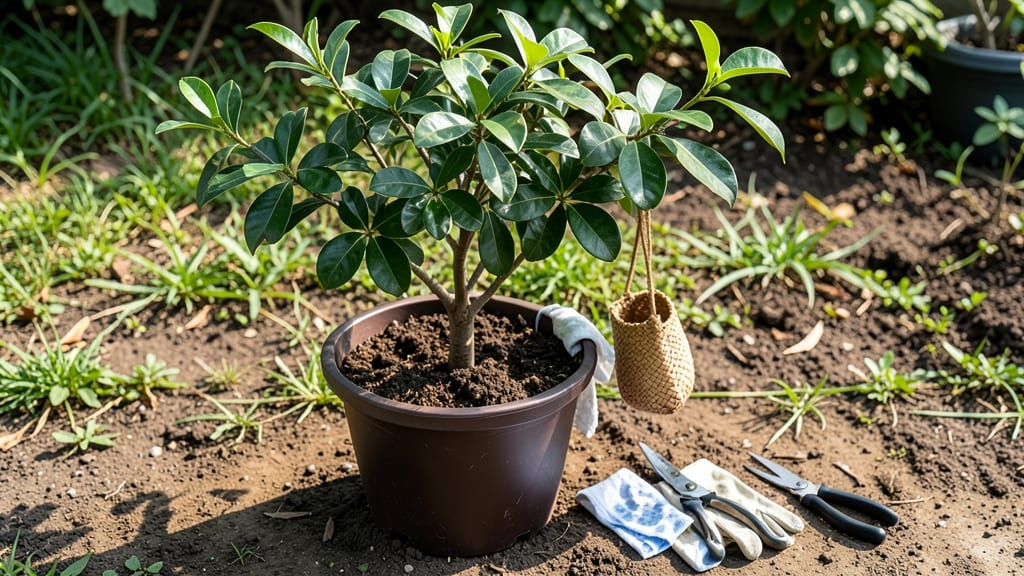
Pruning your curry leaf tree (Murraya koenigii) isn't just about shaping—it's how you get more leaves, faster growth, and fewer pests all year. ✂️ I learned the hard way that skipping pruning leads to leggy branches and sparse harvests, but these 4 simple cuts transformed my tree from scraggly to lush in just one season.
The best time to prune is right after harvest or during early spring, when new growth is about to burst. You’ll need sharp pruning shears, rubbing alcohol to sterilize cuts, and a clear goal: open up the center for sunlight and air flow.
Most people over-prune, but curry leaf trees are forgiving—just remove dead wood, crossing branches, and any growth that’s rubbing against others.
After pruning, your tree will reward you with thicker foliage and higher yields within weeks. The leaves become larger, more fragrant, and packed with more curcumin—the compound that makes them so prized in cooking.
Just avoid cutting back more than one-third of the tree at once, or you’ll shock the plant into stress.
This method works for both container-grown trees and those planted in the ground, making it perfect for urban kitchens or backyard gardens. Once you master these cuts, you’ll never look at your curry leaf tree the same way again—it’s not just a plant, it’s a year-round harvest machine.
📚 In This Guide
- What you need
- Instructions
- Tips and common mistakes
- Wrapping up and next steps
What you need
- ● Pruning shears: Bypass pruners (sharp, 6-8 inch blades) for small branches (1/4"–1" thick). Quantity: 1 pair.
- ● Loppers: For medium branches (1"–2" thick). Quantity: 1 pair (bypass or anvil type with a 45-degree cutting angle for clean cuts).
- ● Pruning saw: For thick branches (>2" diameter). Quantity: 1 (with a fine-tooth blade to avoid tearing).
- ● Gloves: Heavy-duty, cut-resistant gloves (e.g., mechanics' or pruning gloves) to protect hands from thorns and sap. Quantity: 1 pair.
- ● Disinfectant: 70% isopropyl alcohol or a 10% bleach solution to sterilize tools between cuts (prevents disease spread). Quantity: Small spray bottle or wipe.
- ○ Pruning sealant: Optional but recommended for large cuts (>1/2" diameter) to prevent sap bleeding and pests. Quantity: Small tube.
- ● Ladder or step stool: For reaching higher branches. Height: At least 6–8 feet tall (ensure stability!). Quantity: 1.
- ● Trash bags or bucket: For collecting pruned branches. Quantity: 1–2 (20-gallon size).
- ● Safety glasses: To protect eyes from debris. Quantity: 1 pair.
- ● Sharpener: File or pruning tool sharpener to maintain blade efficiency.
- ● Extension pole: For loppers/saws (e.g., 6–10 ft telescoping pole) to avoid climbing.
- ● Labeling tags: If propagating from cuttings, use biodegradable plant tags.
- ● Compost bin: For repurposing small pruned branches as mulch.
- ● First-aid kit: For minor scrapes or sap irritation (include aloe vera gel or calamine lotion).
How to prune a curry leaf tree for year-round growth
Here's the simple, seasonal approach I use to keep my curry leaf tree lush and productive—no fancy tools or complicated cuts required.
✂️ Step 1: Prune for Shape in Late Winter (Before New Growth)
Start by removing any dead, diseased, or crossing branches with clean, sharp pruning shears. I always look for branches that rub against each other—they create wounds that invite pests. Cut just outside the branch collar where the branch meets the trunk, making the cut at a 45-degree angle to prevent water pooling.
Next, shape the tree by thinning out crowded branches from the center outward. Curry leaf trees grow best with good airflow, so aim for an open, vase-like shape. You'll see new growth emerging from the center after pruning, which is your signal that the tree is responding well.
🌿 Step 2: Light Pruning After Flowering (Spring)
Once the tree finishes flowering in spring, give it a light trim to encourage bushier growth. Focus on removing any leggy stems that have grown too long without leaves. I usually cut back about one-third of the length of these stems just above a leaf node or bud.
This is also the time to remove any suckers—those small shoots growing at the base of the tree. They drain energy from the main plant. Use your fingers or small pruners to snap them off cleanly at the base. You'll notice the tree's energy shifts toward the main canopy after removing these.
☀️ Step 3: Summer Maintenance Pruning (Mid-Season)
During the growing season, keep an eye out for branches that are growing too close together. Curry leaf trees can get dense, so I make small cuts to improve airflow. Remove any water sprouts—those fast-growing, vertical shoots that appear along the trunk or branches. They rarely produce leaves and just take up energy.
If you notice any yellowing or diseased leaves, prune those branches back to healthy growth. Always sterilize your pruners with rubbing alcohol between cuts to prevent spreading disease. A quick wipe-down takes just seconds and keeps your tree healthy.
⏰ Step 4: Final Pruning Before Monsoon (Late Summer/Early Fall)
About 4-6 weeks before the monsoon season starts, give your tree a final pruning to prepare for the rainy season. Remove any dead or weak branches first. Then, trim back any overly long branches to maintain the shape you've established. Curry leaf trees respond well to this kind of seasonal pruning.
This last pruning helps the tree focus its energy on developing strong new growth before the monsoon rains. You'll see fresh, vibrant leaves emerging after the rains, signaling that your pruning paid off. Avoid heavy pruning during the monsoon season itself—wet conditions can slow healing and invite fungal issues.
🌱 Step 5: Post-Pruning Care (Year-Round)
After each pruning session, give your tree a good drink of water to help it recover. I always water deeply, soaking the root zone to encourage new root growth. Avoid fertilizing immediately after pruning—wait 4-6 weeks to let the tree heal before adding nutrients.
Keep an eye on the pruned areas for the first few weeks. If you see any oozing sap, it's normal—just a sign the tree is healing. Avoid pruning again until you see new growth emerging from the cut areas. This tells you the tree is ready for the next round of shaping.
Tips & tricks for pruning your curry leaf tree like a pro
Keeping your curry leaf tree thriving takes more than just occasional trims—it's about understanding when and how to shape it for maximum growth. Here are the key insights I've learned after years of working with these trees.
Timing is Everything: The seasonal schedule in the instructions is non-negotiable for curry leaf trees. Late winter pruning (Step 1) removes winter-damaged branches while allowing the tree to focus energy on new spring growth. I've seen trees that missed this window struggle to recover—don't skip it! The 4-6 week window before monsoon (Step 4) is equally critical, as it prepares the tree for the rainy season's growth surge.
Cutting Technique Matters: That 45-degree angle in Step 1 isn't just for looks—it prevents water from pooling in the cut, which could lead to rot. I always make my cuts just outside the branch collar where the branch meets the trunk. For thicker branches, I use a three-cut method: first undercut, then top cut, and finally clean up the stub. This prevents tearing the bark and gives you cleaner cuts that heal faster.
Visual Cues for Healthy Pruning: When removing one-third of leggy stems in Step 2, look for stems that are twice as long as their leaves. These are your energy vampires—they're growing fast but producing little. In Step 3, water sprouts will be noticeably thinner than the main branches and grow straight up like arrows. These are the first to go—they rarely produce leaves and just compete with your main canopy.
Post-Pruning Recovery: The 4-6 week wait before fertilizing after pruning (Step 5) is crucial. During this time, your tree is directing all its energy toward healing and growing new leaves. I've made the mistake of fertilizing too soon—it leads to weak, yellowing new growth. Instead, focus on deep watering and watch for those first signs of new growth emerging from the cut areas before considering any supplements.
Pro Tips for Curry Leaf Tree Pruning
- Keeping your curry leaf tree thriving takes more than just occasional trims—it's about understanding when and how to shape it for maximum growth.
- Timing is Everything: The seasonal schedule in the instructions is non-negotiable for curry leaf trees.
- Cutting Technique Matters: That 45-degree angle in Step 1 isn't just for looks—it prevents water from pooling in the cut, which could lead to rot.
Frequently asked questions
Got questions about pruning your curry leaf tree?
You’re not alone! Here are answers to the most common concerns—from timing to troubleshooting—to keep your tree thriving with minimal stress.
When is the best time to prune a curry leaf tree?
The ideal time is late winter or early spring (just before new growth starts). Avoid heavy pruning during monsoon season or extreme heat—this helps prevent disease and stress. Light trimming to shape or remove dead branches can be done year-round, but avoid heavy cuts in summer or fall.
How do I know if I’m pruning too much?
If you remove more than 25-30% of the foliage at once, you risk shocking the tree. Signs of over-pruning include yellowing leaves, stunted growth, or excessive sap oozing. Stick to selective cuts—focus on dead, diseased, or crossing branches first, then shape gradually.
Can I prune a curry leaf tree in hot or rainy weather?
Pruning in direct sunlight or heavy rain stresses the tree and slows healing. Wait for mild, cloudy days or early morning/late afternoon when temperatures are cooler. Rainy weather also increases the risk of fungal infections—always sterilize tools with rubbing alcohol first!
What should I do if my curry leaves turn yellow after pruning?
Yellowing leaves post-pruning are often normal if only a few appear. However, if large patches yellow or drop, it may signal over-pruning, nutrient deficiency, or root damage. Boost care by fertilizing with compost, ensuring proper watering (but not overwatering), and avoiding pruning for 2-3 months.
Do I need to prune a young curry leaf tree?
Yes! Prune young trees lightly to encourage a strong, open canopy and airflow. Focus on:
Avoid aggressive pruning—let the tree establish its structure first.
Wrapping up and next steps
Pruning your curry leaf tree isn’t just about aesthetics—it’s a year-round ritual that boosts health, flavor, and growth! 🌿 With the right tools, timing, and techniques, you can keep your tree thriving while harvesting those aromatic leaves.
Whether you’re trimming for shape, sunlight, or pest control, remember: consistency is key.
Ready to give your curry leaf tree the TLC it deserves? Grab your pruners and start small—even one well-placed cut makes a difference! For extra confidence, revisit our FAQs or explore essential tools before diving in. Happy pruning!