
Pests and Diseases
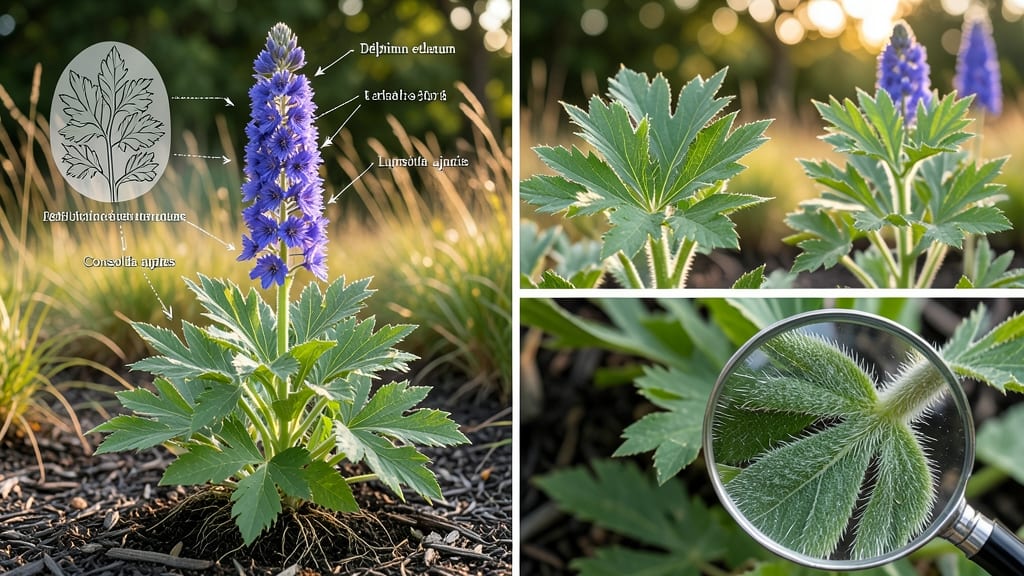
Identifying delphinium leaf problems starts with spotting the delphinium leaf identification of tiny dark spots before they ruin your blooms. 🌿 I’ve watched powdery mildew turn my tall spires into sad, wilted shadows—until I learned to check leaves early.
The key is knowing what healthy foliage looks like: deep green, slightly fuzzy, and upright. Anything else? That’s your warning sign.
Powdery mildew appears as white, powdery patches on the undersides of leaves, while fungal leaf spots show up as brown or black splotches with yellow halos. Aphids leave sticky residue, and slugs chew jagged edges.
The good news? Catching these early means you can save your plants with simple fixes—like pruning, neem oil, or copper fungicide.
Healthy delphinium leaves should feel firm and smell fresh, never musty or slimy. If you see discoloration, act fast: remove affected leaves, improve airflow, and water at the base—not overhead. With these clues, you’ll keep your delphiniums thriving all season long.
Prevention is easier than cleanup: space plants properly, avoid overhead watering, and rotate crops every few years. Trust me, your future self will thank you when those iconic blue spires stay disease-free and stunning.
Root Causes of Leaf Issues
Understanding why delphinium leaves develop irregular patterns, spots, or discoloration starts with recognizing the primary triggers behind these symptoms. Delphiniums—especially in garden settings—are prone to leaf problems due to a mix of environmental stress, microbial activity, and poor cultural practices.
Below, we break down the most common culprits and the science behind them.
Fungal pathogens are the #1 cause of leaf spotting, discoloration, and distorted growth in delphiniums. These microscopic organisms thrive in moist, humid conditions and exploit weak plant defenses. Here’s how they strike:
- Overhead Watering & Poor Air Circulation
- Fungi like Alternaria or Septoria spread via water droplets that splash spores onto leaves. 💦
- Delphiniums with dense foliage or crowded plantings trap moisture, creating a fungal paradise.
- Actionable fix: Water at the base (never overhead) and space plants 12–18 inches apart for airflow.
- High Humidity & Warm Nights
- Temperatures between 60–80°F (15–27°C) with >75% humidity accelerate fungal growth.
- Delphiniums grown in shady or poorly drained areas stay damp longer, worsening infections.
- Pro tip: 🌡️ Morning watering (so leaves dry by evening) reduces nighttime fungal activity.
- Weakened Plant Immunity
- Stressed delphiniums (from nutrient deficiencies, drought, or transplant shock) are easier targets.
- Look for: Yellowing between veins (a sign of magnesium deficiency), which weakens cell walls.
- Solution: Apply balanced fertilizer (10-10-10) and mulch to retain moisture without over-saturating soil.
While fungi are the top offenders, pests can mimic fungal symptoms—or create entry points for infections. Here’s how they sabotage delphinium leaves:
- Aphids & Spider Mites
- These sap-sucking insects leave stippled, yellowed patches and sticky honeydew (a fungal magnet).
- Visual clue: Tiny webs (mites) or curled, distorted leaves (aphids).
- Fix: Blast leaves with water (disrupts mites) or use neem oil (1 tsp/gallon water, spray every 5 days).
- Caterpillars & Slugs
- Notched or ragged edges on leaves? Likely cutworms or slugs at night.
- Nighttime patrol: Set up beer traps (bury a cup filled with beer) or use diatomaceous earth around plants.
- Powdery Mildew’s Helpers
- Some pests (like thrips) weaken leaves, making them more susceptible to powdery mildew.
- Prevent: Introduce beneficial insects (ladybugs, lacewings) to control thrips naturally.
Delphiniums are hardy, but extreme or inconsistent conditions can trigger leaf problems that mimic diseases:
- Temperature Swings
- Frost damage causes blackened, crispy edges, while heat stress (above 90°F/32°C) leads to bleached or scorched spots.
- Solution: Provide afternoon shade in hot climates and row covers for spring frost protection.
- Soil pH Imbalances
- Delphiniums prefer slightly acidic to neutral soil (pH 6.0–7.0). Alkaline soil (pH >7.5) locks out iron and manganese, causing yellowing between veins (interveinal chlorosis).
- Test & adjust: Use vinegar (for alkalinity) or sulfur (for acidity) based on soil test results.
- Waterlogged or Dry Soil
- Root rot (from overwatering) causes yellow, wilting leaves, while drought stress leads to brown, crispy edges.
- Fix: Ensure well-draining soil (amend with perlite/compost) and water deeply but infrequently (1–1.5 inches per week).
Overzealous gardening can burn leaves or disrupt nutrient balance:
- Salt Buildup from Fertilizers
- Excessive synthetic fertilizers (high in sodium) cause brown, crunchy leaf tips (a condition called fertilizer burn).
- Solution: Flush soil with water and switch to organic, slow-release fertilizers.
- Herbicide Drift
- Delphiniums near lawns treated with glyphosate may develop bleached or distorted leaves.
- Prevent: Use organic weed control (mulch, vinegar spray) or create a buffer zone (3+ feet from treated areas).
Less common but devastating, these pathogens spread via infected tools, pests, or contaminated soil:
- Tomato Spotted Wilt Virus (TSWV)
- Transmitted by thrips, it causes brown, necrotic spots with yellow halos.
- No cure: Remove infected plants immediately and control thrips.
- Bacterial Leaf Spot (Xanthomonas campestris)
- Creates
- Treat: Apply copper fungicide and sterilize pruners with rubbing alcohol.
Most delphinium leaf issues stem from one (or more) of these factors: ✅ Fungal infections (moisture + poor airflow) ✅ Pest damage (aphids, mites, slugs) ✅ Environmental stress (heat, cold, pH) ✅ Chemical misuse (fertilizer burn, herbicide drift)
Next steps? Start with preventive care (proper spacing, morning watering, soil tests) and act fast if you spot symptoms. Early intervention saves your delphiniums—and your sanity! 🌿🚀
Quick Fixes for Delphinium Leaf Issues
When your delphinium leaves start showing signs of distress—whether it’s fungal spots, yellowing edges, or mysterious holes—acting fast can save your plants. Below are practical, step-by-step solutions tailored to common problems, along with prevention tips to keep your delphiniums thriving. 🌿💧
Cause: Overhead watering, poor airflow, or high humidity creates the perfect breeding ground for fungal infections like powdery mildew or leaf spot.
Fix It:
- 🔥 Remove Infected Leaves
- Snip off severely spotted leaves with clean pruners and dispose of them in the trash (not your compost!). This stops the fungus from spreading.
- 🌡️ Fungicide Treatment
- Apply a copper-based fungicide (like Bordeaux mixture) or a neem oil spray (1 tsp neem oil + 1 tsp mild soap per quart of water). Spray both sides of leaves and repeat every 7–10 days until symptoms fade.
- ✨ Improve Air Circulation
- Space plants 12–18 inches apart and prune nearby foliage to allow airflow. Avoid planting delphiniums in dense, shady spots.
Prevention Tips:
- 💧 Water at the Base – Use drip irrigation or water early in the morning so leaves dry quickly.
- 🌞 Boost Sunlight – Delphiniums thrive in full sun (6+ hours/day)—this reduces humidity around leaves.
- 🌱 Rotate Crops – Don’t plant delphiniums in the same spot year after year to prevent fungal buildup in the soil.
Cause: Overwatering, underwatering, or nutrient deficiencies (like magnesium or potassium) can cause leaf edges to turn yellow or brown.
Fix It:
- 💧 Check Soil Moisture
- Stick your finger 1–2 inches into the soil. If it’s soggy, reduce watering and let the topsoil dry out slightly between waterings. If it’s bone-dry, water deeply but only when the top inch is dry.
- 🥗 Fertilize Smartly
- Apply a balanced, slow-release fertilizer (10-10-10 or 5-10-10) at half-strength in early spring. For yellowing from magnesium deficiency, use Epsom salt (1 tbsp per gallon of water) every 4–6 weeks.
- 🌱 Improve Drainage
- If your delphiniums are in pots, ensure they have drainage holes. For garden beds, amend soil with compost or perlite to prevent waterlogging.
Prevention Tips:
- 📅 Water Deeply but Less Often – Aim for 1–1.5 inches of water per week, including rainfall.
- 🌿 Mulch Properly – Use 2–3 inches of organic mulch (like straw or shredded bark) to retain moisture without suffocating roots.
- 🔍 Test Soil pH – Delphiniums prefer slightly alkaline soil (6.5–7.5). Test your soil and amend with lime (to raise pH) or sulfur (to lower it) if needed.
Cause: Slugs, snails, aphids, or spider mites can munch on delphinium leaves, leaving holes, sticky residue, or webbing.
Fix It:
- 🕸️ Identify the Culprit
- Slugs/snails? Look for slimy trails and holes at night. Aphids? Check for tiny green/black bugs clustering on stems. Spider mites? Inspect the undersides of leaves for fine webbing.
- 🔪 Manual Removal (For Aphids/Mites)
- Blast pests off with a strong stream of water or wipe leaves with a soapy sponge (1 tsp mild soap per gallon of water).
- 🍄 Natural Pest Control
- Slugs/snails: Set out beer traps (bury a shallow dish filled with beer) or use copper tape around pots.
- Aphids: Introduce ladybugs or spray with neem oil.
- Spider mites: Spray with water + neem oil every 3–5 days until they’re gone.
Prevention Tips:
- 🌙 Remove Debris – Clear fallen leaves and weeds where pests hide.
- 🌿 Use Row Covers – Lightweight fabric can block slugs and flying insects.
- 🌱 Plant Companion Plants – Marigolds and garlic deter pests naturally.
Even if you can’t pinpoint the exact issue, these universal fixes will strengthen your delphiniums:
- 🌿 Prune for Airflow – Trim back overcrowded stems to reduce humidity and disease risk.
- 💧 Avoid Overhead Watering – Use a watering wand or drip system to keep leaves dry.
- 🌱 Divide Overcrowded Plants – Every 3–4 years, dig up and divide delphiniums to refresh their vigor.
- 🌞 Ensure Full Sun – Delphiniums need at least 6 hours of direct sunlight daily to stay healthy.
Pro Tip: 💡 Keep a Plant Journal! Note when you water, fertilize, and spot issues—this helps you catch problems early next year. Happy gardening! 🌸
Frequently asked questions
What do healthy delphinium leaves look like?
Healthy delphinium leaves are deep green, slightly fuzzy in texture, and grow upright with a firm feel. The edges should be smooth and free of tears or discoloration. Look for vibrant color and a fresh, clean appearance—any yellowing, browning, or spots are warning signs of trouble.
How can I tell if my delphinium leaves have powdery mildew?
Powdery mildew appears as white, powdery patches on the undersides of leaves, often starting near the base. As it spreads, the affected areas turn brown and crispy. Unlike other issues, this fungus creates a visible "dusting" effect that looks like flour. Check leaves early in the morning when spores are most active.
Why are the edges of my delphinium leaves turning brown?
Brown edges usually indicate underwatering or nutrient deficiencies, particularly magnesium or potassium. Check the soil moisture—if it's dry, water deeply but less frequently. For yellowing between veins (a magnesium deficiency), try applying Epsom salt solution (1 tbsp per gallon of water) every 4-6 weeks.
What should I do if I find holes in my delphinium leaves?
Holes in leaves are typically caused by slugs, snails, or caterpillars. Check for slimy trails (slugs) or chewed edges (caterpillars) at night. Set up beer traps (bury a shallow dish with beer) or use copper tape around pots. For caterpillars, handpick them or introduce beneficial nematodes to the soil.
Can I still use delphinium leaves with minor spots for cooking?
No, it's not recommended. Even minor fungal spots or pest damage can make leaves bitter or unsafe to eat. Always remove and discard leaves showing signs of disease or pest activity. For culinary use, select only leaves that are completely healthy and free of any discoloration or damage.