
Pests and Diseases
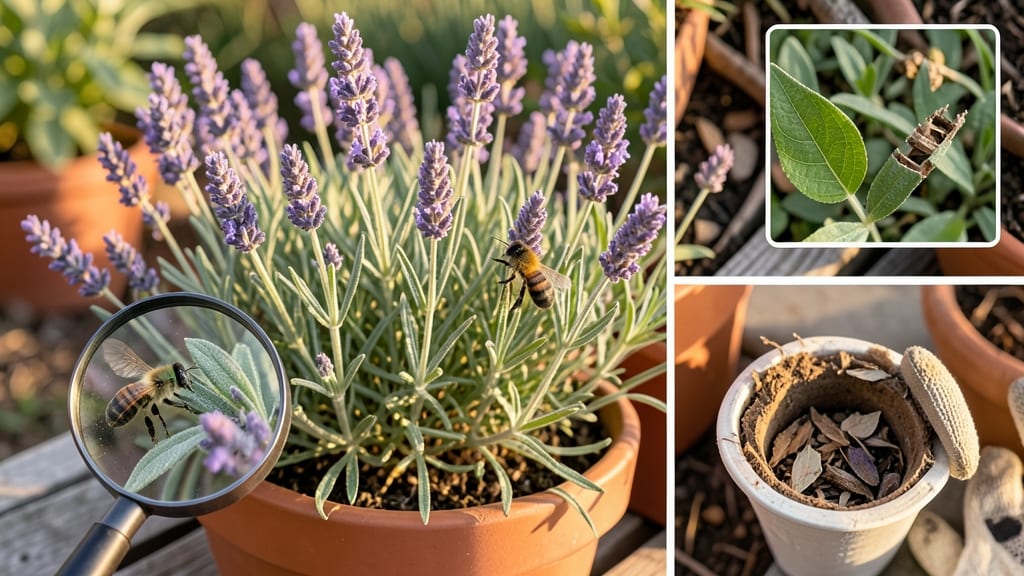
Leaf cutter bees do sting but rarely attack humans—their sting is mild, similar to a honeybee’s, and less painful. They’re generally docile unless provoked, focusing on collecting plant material for nests instead of defending themselves aggressively.
Leaf cutter bees sting only when their nests or larvae are threatened, and their venom is less potent than a honeybee's. 🔥 Unlike honeybees, they can sting repeatedly without dying, but their stinger lacks barbs, so they rarely leave it behind.
The pain level is usually rated between 1-2 on a 10-point scale—similar to a paper cut or mild bee sting. Their primary focus is pollination, not aggression, which is why they're considered beneficial garden allies.
These bees are solitary and prefer to work quietly, cutting leaves to build their nests rather than swarming like wasps. If you accidentally disturb one, they'll likely fly away rather than attack.
However, if you're allergic or have a sensitive skin reaction, it's best to avoid direct contact and observe from a distance.
💡 In This Article
- Leaf Cutter Bee Sting Mechanics and Pain Comparison
- Protecting Your Garden from Leaf Cutter Bees Without Harm
Leaf cutter bee sting mechanics and pain comparison
Leaf cutter bees possess a smooth, barbless stinger that allows them to sting repeatedly without dying—unlike honeybees, whose stingers get lodged in skin. Their venom contains a mix of enzymes and peptides, but the concentration is significantly lower than in honeybees.
Entomologists classify their sting as "defensive" rather than "offensive," meaning they'll only use it when their nests or larvae are directly threatened. The venom's primary function is to immobilize small insects, not deter large animals like humans.
The pain level of a leaf cutter bee sting typically registers between 1-2 on a 10-point scale, comparable to a paper cut or the sting of a bumblebee. For context, a honeybee sting averages 4-5/10, while a wasp sting can reach 6-7/10.
The sensation lasts only 5-10 minutes and rarely causes swelling beyond a slight redness. Unlike honeybee stings, leaf cutter bee stings don't leave behind a visible stinger—making them harder to detect but also less likely to trigger allergic reactions.
What makes these bees unique is their sting behavior: they rarely attack unless physically handled or their nests are disturbed. Their primary focus is pollination, where they collect plant material to build nests rather than engaging in territorial defense.
The sting mechanism involves a quick, precise jab rather than the aggressive swarming seen with wasps. 🔥 This docile nature is why they're considered one of the most beneficial pollinators for gardens and farms.
Scientifically, their venom contains melittin (similar to honeybees) but in much lower concentrations—approximately 0.01-0.05% compared to honeybees' 50%. This difference explains why their stings rarely cause more than localized discomfort.
Studies show that even individuals with mild bee sting allergies can tolerate leaf cutter bee stings without systemic reactions, though individual sensitivities always vary.
If you've ever been stung, you might notice a faint, almost itchy sensation rather than sharp pain. The redness appears within 1-2 minutes and dissipates quickly, leaving no lasting mark.
This mild reaction is why gardeners often describe them as "gentle giants" of the bee world—powerful pollinators that pose minimal threat to humans. Their sting is more of an evolutionary accident than a weaponized defense.
For comparison, their sting feels about as intense as brushing against a thorny bush—brief and easily forgotten. The key difference from honeybees is their lack of aggression: they won't chase you or swarm if you accidentally disturb one.
This behavioral trait makes them ideal for urban gardens where human interaction is inevitable. 🌿