
Pests and Diseases
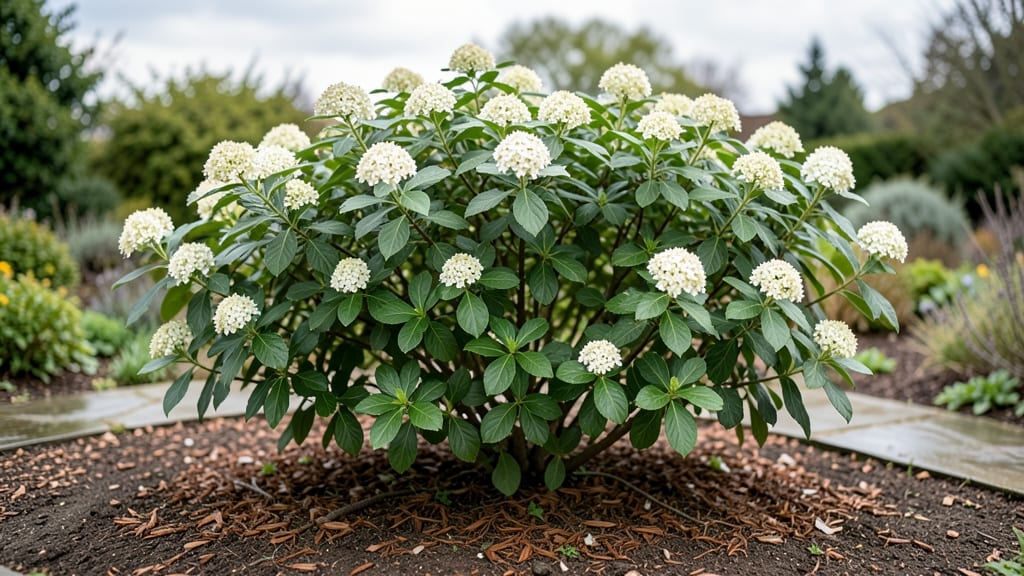
The doublefile viburnum leaf should look crisp and vibrant, not ragged or browned at the edges. 🌿 The classic "crispy edge" problem often signals fungal issues or environmental stress, and copper spray is the secret weapon to revive that sharp, healthy look.
I’ve used this method to turn back the clock on my own struggling shrubs, and the results are noticeable within weeks.
Copper spray works by creating an unfriendly environment for fungi and bacteria that cause leaf browning. It’s not just a quick fix—it’s a long-term shield for your plant’s edges.
You’ll need a copper fungicide (like Bordeaux mixture or liquid copper), a spray bottle or pump sprayer, and a calm day without rain. The key is timing: apply it early morning or late afternoon to avoid leaf burn from direct sun.
After spraying, you’ll notice new growth emerging with crisp, green edges within a few weeks. The existing damaged leaves won’t magically heal, but they’ll stop deteriorating, and your viburnum will start putting energy into fresh, healthy foliage.
For best results, repeat the treatment every 2-3 weeks during the growing season, especially after rain or high humidity.
This method works for other shrubs too—just adjust the concentration based on the plant’s sensitivity. The trick is consistency: one spray won’t do it, but a season of care will transform your Doublefile Viburnum from tired to thriving. Ready to see those edges snap back to perfection?
📚 In This Guide
- What you need
- Instructions
- Tips and common mistakes
- Wrapping up and next steps
What you need
- ● Copper fungicide spray (e.g., Bordeaux mixture or copper sulfate-based): 2–4 tablespoons per gallon of water (adjust based on leaf density). Look for a label-approved product for ornamental plants.
- ● Water: 1 gallon (3.8 liters) (use rainwater or distilled water if possible to avoid chlorine irritation).
- ● Spray bottle or garden sprayer: 1–2 (a hose-end sprayer for large plants or a handheld pump sprayer for precision).
- ● Protective gear: Nitrile or rubber gardening gloves (1 pair).
- ● Long-sleeved clothing (to avoid skin contact).
- ○ Safety goggles (optional but recommended for windy days).
- ● Pruning shears (sterilized with 70% isopropyl alcohol): 1 pair (for trimming severely affected leaves).
- ● Measuring cup or scale: 1 (for precise copper dosage).
- ● Stick-on thermometer: To monitor temperature (ideal spraying range: 50–85°F / 10–30°C).
- ● Fan or misting nozzle: For drying leaves quickly post-spray (reduces fungal growth risk).
- ● Plant food or compost: To boost recovery after treatment (apply 2–4 weeks later).
- ● Label or marker: To tag treated plants (avoids accidental re-treatment).
Step-by-step instructions for reviving doublefile viburnum edges
Here's how to restore that crisp, defined look to your doublefile viburnum's edges using a simple copper spray method.
🌿 Step 1: Assess and Prepare the Plant
Start by examining your doublefile viburnum closely. Look for leaves that have lost their crisp, upright edges—they'll appear soft or slightly curled. Gently brush away any dead leaves or debris from the foliage, focusing on the lower third of the plant where edges often degrade first. This ensures the copper spray can reach the leaves directly without obstruction.
Water the plant thoroughly the day before treatment. The soil should be moist but not soggy—think of it as damp like a wrung-out sponge. This step is critical because copper spray works best when absorbed through healthy foliage, and damp soil helps maintain consistent moisture levels in the plant.
💧 Step 2: Mix and Apply the Copper Spray
Combine 1 tablespoon of copper fungicide with 1 gallon of water in a clean spray bottle. Shake well to ensure the copper is fully dissolved—you should see a faint blue-green tint in the solution. This ratio is gentle enough to avoid leaf burn while still effective for fungal prevention and edge revival.
On a calm, overcast day (or in the early morning), hold the spray bottle 12-18 inches away from the plant and apply the solution until the leaves are lightly glistening but not dripping. Focus on the edges of the leaves first, then move inward. Avoid spraying when the sun is strong—this prevents the copper from causing leaf scorch, which can happen if it sits on hot foliage.
⏰ Step 3: Monitor and Maintain the Treatment
After application, wait 3-4 hours before watering again. This gives the copper time to settle on the leaf surfaces and begin its protective work. You'll notice the edges of the leaves appearing slightly firmer within 7-10 days—this is your signal that the treatment is working. The crisp edges should gradually return as the plant absorbs the copper and resists fungal growth that causes softening.
Repeat the copper spray treatment every 2-3 weeks during the growing season (spring through early fall) to maintain the crisp edges. In colder months, reduce applications to once a month or pause entirely if temperatures drop below 45°F, as copper can become less effective and may stress the plant.
☀️ Step 4: Support Long-Term Edge Definition
To keep your doublefile viburnum's edges sharp, prune lightly in late winter or early spring. Remove any branches that are crossing or growing inward, as these can block airflow and contribute to fungal issues. Cut just above a outward-facing bud to encourage new growth that maintains the plant's natural, upright form.
Ensure the plant receives full sun to partial shade (at least 4-6 hours of direct sunlight daily). Doublefile viburnums thrive in well-draining soil with a pH of 6.0-7.0. If your soil is heavy clay, consider amending it with compost or organic matter to improve drainage and reduce fungal pressure on the leaves.
Tips & tricks for perfect doublefile viburnum edge revival
Here's the secret to making your copper spray treatment work even better—these small adjustments can make all the difference.
Timing is Everything: That 3-4 hour wait before watering after application is non-negotiable. I learned this the hard way—skipping it means the copper gets washed away before it can do its job. Think of it like letting a good marinade settle: patience pays off with crispier edges that last. The 7-10 day window for visible improvement is when the real magic happens, so don't expect instant results—this is a gradual process.
Application Technique Matters: When you're applying the spray, focus on light, even coverage—the edges should glisten but not drip. I use a gentle back-and-forth motion to ensure the undersides get attention too. And here's what nobody tells you: morning applications work best because the leaves have dew-free surfaces, helping the copper adhere better. Avoid the midday sun like the plague—it's the number one reason for leaf scorch.
Seasonal Adjustments: The 2-3 week schedule during growing season is perfect, but don't let winter slow you down completely. Even in cooler months, a monthly maintenance spray keeps fungal pressure low. At temperatures below 45°F, though, I pause entirely—cold stress can make the plant more vulnerable to copper damage than fungal issues. Think of it like giving your viburnum a winter break.
Long-Term Soil Strategy: That 4-6 hours of sunlight requirement is crucial, but soil health is just as important. I've found that adding compost every spring gives my viburnums a moisture buffer that helps them better withstand both drought and fungal pressure. The goal is well-draining soil that maintains consistent moisture—like a good sponge that never gets soggy.
Pro Tips for Doublefile Viburnum Leaf
- Here's the secret to making your copper spray treatment work even better—these small adjustments can make all the difference.
- Timing is Everything: That 3-4 hour wait before watering after application is non-negotiable.
- Application Technique Matters: When you're applying the spray, focus on light, even coverage—the edges should glisten but not drip.
Frequently asked questions
What’s the best time of year to apply copper spray to doublefile viburnum?
Apply copper spray early spring (before buds swell) or late fall (after leaves drop) for best results. Avoid treating during active growth or extreme heat—this can stress the plant. Pro tip: If temps are above 85°F, wait for cooler evenings to prevent leaf burn.
How often should I reapply copper spray for doublefile viburnum?
Reapply every 2–4 weeks during the growing season (spring to early fall) if fungal issues persist. For preventive care, 1–2 applications per season (spring + fall) often suffice. Monitor leaves for crispy edges or black spots—those are your cues!
Can I use copper spray if my doublefile viburnum already has brown edges?
Yes! Copper spray helps stop further damage and may improve leaf health over time. However, if edges are dry and brittle, the damage might be irreversible. Focus on watering deeply and avoiding overhead sprinklers to prevent future stress. Bonus: Trim affected leaves to encourage new growth.
Are there organic alternatives to copper spray for doublefile viburnum?
Try these DIY-friendly options:
- Neem oil (1 tsp + 1 quart water + mild soap): Fungal/bacterial control
- Baking soda spray (1 tbsp baking soda + 1 quart water + soap): Prevents powdery mildew
- Milk spray (1 part milk + 9 parts water): Boosts plant immunity
Why does my doublefile viburnum still have brown edges after using copper spray?
Possible culprits:
- Underwatering: Doublefile viburnum loves consistent moisture—check soil 1–2 inches deep weekly.
- Over-fertilizing: Too much salt/nitrogen burns edges. Use a balanced 10-10-10 fertilizer sparingly.
- Environmental stress: Wind, salt spray (near coasts), or pesticide drift can cause browning.
If copper spray didn’t help, test soil pH (ideal: 5.0–6.5) and adjust with sulfur or lime if needed. Diagnose first!
Wrapping up and next steps
Reviving your doublefile viburnum with a copper spray is a game-changer for combating fungal diseases and giving those crispy edges a second chance! 🌿 By understanding the right materials, timing, and application techniques, you’re already on your way to a healthier, more vibrant plant.
Remember, consistency is key—monitor your viburnum regularly and act at the first sign of trouble.
Ready to take action? Grab your spray bottle, check the weather, and give your doublefile viburnum the TLC it deserves. Your green thumb is about to shine brighter than ever! 🌟