
Trees
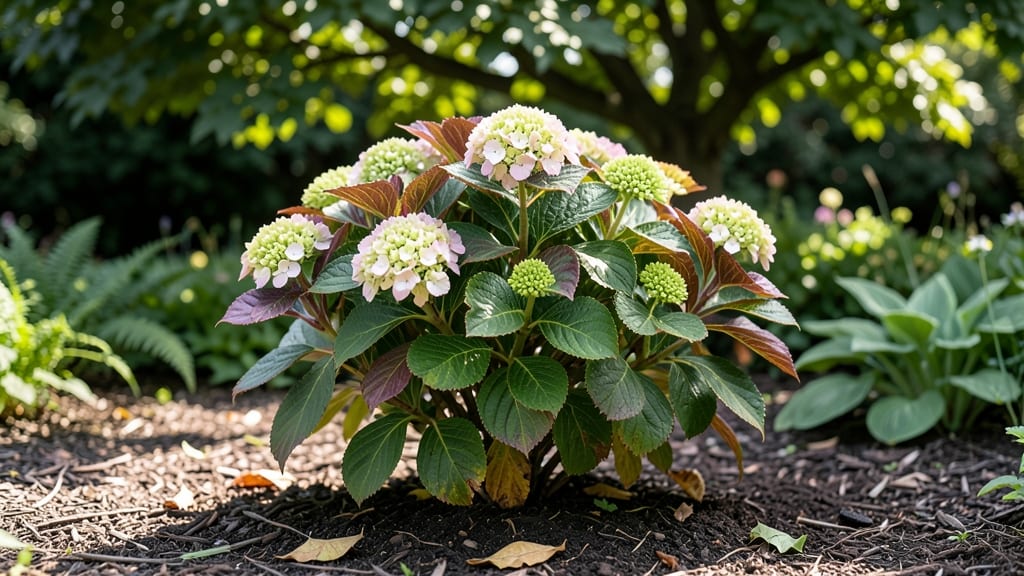
My dwarf oak leaf hydrangea (Hydrangea quercifolia 'Skeletons') turned my shady corner into a year-round showstopper—vibrant foliage that never skips a beat, even when other plants fade. 🌿 The key?
Planting it where it thrives naturally, with just enough sunlight and the right soil mix to keep its leaves blushing from spring through winter.
This shrub isn’t fussy, but it does want morning sun and afternoon shade, well-draining soil rich in organic matter, and consistent moisture—especially during its first two years.
Unlike its larger cousins, it stays compact (4-5 feet tall) and needs minimal pruning, making it perfect for small gardens or containers. By late summer, you’ll see those iconic oak-shaped leaves turn deep burgundy, while tiny white flowers add delicate texture. The best part?
It handles heat, humidity, and even light frost—no fuss, just beauty. Whether you’re filling a border, lining a path, or adding drama to a patio, this hydrangea delivers low-maintenance elegance. Here’s how to keep it thriving all season long.
📚 In This Guide
- What you need
- Instructions
- Tips and common mistakes
- Wrapping up and next steps
What you need
- ● 1-3 dwarf oak leaf hydrangea plants (3–4 ft tall at maturity, check labels for ‘Pee Wee’ or ‘Snow Queen’ cultivars for compact growth).
- ● Well-draining potting mix or garden soil (amend with compost or peat moss if your soil is heavy clay or sandy).
- ● Mulch (2–3 inches) (pine bark, shredded leaves, or wood chips to retain moisture and regulate soil temp).
- ● Balanced fertilizer (10-10-10 or 20-20-20) (use sparingly—hydrangeas hate over-fertilizing!).
- ● Watering can or hose with a gentle spray nozzle (dwarf varieties still need consistent moisture!).
- ● Garden gloves (to protect hands from thorns and rough bark).
- ● Trowel or spade (for digging planting holes, ~12–18 inches wide).
- ● Pruning shears (sharp, clean pair for minimal shaping—only prune in late winter/early spring).
- ○ Stakes or plant supports (optional, for young plants in windy areas).
- ○ Slow-release fertilizer pellets (optional, for low-maintenance nutrition).
- ○ Soil pH test kit (optional, to adjust acidity for blue blooms—aim for 5.5–6.0).
How to grow and maintain dwarf oak leaf hydrangea for year-round color
This low-maintenance shrub thrives with just a few key steps—let's get it planted and growing strong.
🌱 Step 1: Choose the Perfect Planting Spot
Dwarf oak leaf hydrangeas (Hydrangea quercifolia) need partial shade—think morning sun with afternoon shade in hotter climates or dappled light under tall trees. A location with 4-6 hours of filtered sunlight prevents leaf scorch while maintaining vibrant foliage. I always check the spot in late afternoon when the sun is strongest—if leaves would fry by noon, it's too exposed.
Soil should drain well but retain moisture—amend heavy clay with 2-3 inches of compost mixed into the top 12 inches of soil. These shrubs hate soggy roots but can't handle drought either. Test drainage by digging a hole, filling it with water, and watching how fast it drains. If it takes longer than 2 hours, improve drainage with 10% perlite mixed into the planting area.
🪴 Step 2: Plant at the Right Depth and Spacing
Dig a hole twice as wide as the root ball but no deeper—this encourages outward root growth instead of suffocating the plant. Gently loosen the roots if they're circling tightly in the container. Place the hydrangea so the top of the root ball sits level with the surrounding soil—burying the stem crown too deep causes rot, while planting too high stresses the plant.
Space 4-5 feet apart for a full, rounded shape (they stay compact but spread slowly). Backfill with native soil mixed with 1 cup of bone meal for phosphorus—this jumpstarts root development. Water deeply to settle the soil, then add 2 inches of mulch (wood chips or shredded bark) to retain moisture and regulate soil temperature. Keep mulch 3 inches away from the stem to prevent rot.
☀️ Step 3: Water and Fertilize for Lush Growth
Water deeply once a week during the first growing season, aiming for 1-1.5 inches of water per week. Check moisture by sticking your finger 2 inches into the soil—if it's dry, water again. Overhead watering can cause fungal issues, so use a soaker hose or drip irrigation at the base. In extreme heat, increase to twice weekly and water in the early morning to reduce evaporation.
Fertilize lightly in early spring with a balanced 10-10-10 formula (follow package rates). Oak leaf hydrangeas are sensitive to excess fertilizer, which promotes leafy growth at the expense of those stunning fall colors. I skip fertilizer entirely in summer and fall—the plant stores enough nutrients by then. Yellowing leaves usually mean overwatering or too much nitrogen; brown edges signal underwatering or salt buildup from tap water.
✂️ Step 4: Prune Strategically for Shape and Health
Prune immediately after flowering (late summer) to remove dead, crossing, or weak stems at the base. Never prune in fall or winter—these hydrangeas set next year's buds on old wood, and cutting back too late removes potential blooms. Use clean, sharp pruners and make cuts at a 45-degree angle just above a leaf node or outward-facing bud to encourage bushier growth.
Shape the shrub by thinning out the innermost stems to improve airflow—this prevents fungal diseases like powdery mildew. A well-pruned dwarf oak leaf hydrangea has an open, vase-like structure with stems radiating outward. Avoid heavy pruning unless reviving an overgrown plant; even then, remove no more than ⅓ of the oldest stems in one season.
🌿 Step 5: Protect and Maintain Through Seasons
In winter, mulch heavily (4-6 inches) with straw or shredded leaves to insulate roots from freeze-thaw cycles. These hydrangeas are cold-hardy to USDA Zone 5, but young plants benefit from burlap wraps if your winters dip below -10°F. Remove mulch in early spring before new growth appears to avoid smothering tender shoots.
Watch for aphids or scale insects on new growth—spray with neem oil if you spot sticky residue (honeydew) on leaves. Oak leaf hydrangeas rarely have pest issues, but leaf spot fungus can appear in humid summers. Improve airflow with pruning and water at soil level (not overhead) to keep foliage dry. The goal is minimal intervention—once established, these shrubs reward you with year-round interest, from spring blooms to fall foliage that turns burnt orange and deep red.
Tips & tricks for perfect dwarf oak leaf hydrangea care
These practical insights will help you nurture a thriving, low-maintenance shrub that delivers stunning foliage year after year.
Lighting Strategy: When evaluating your planting spot, consider using a light meter app on your phone to measure actual light exposure throughout the day. Oak leaf hydrangeas in 4-6 hours of filtered sunlight thrive best—this means avoiding full sun spots where leaves would crisp by midday. I've found that dappled shade under tall trees provides ideal conditions, especially in southern climates where afternoon sun can be intense.
Soil Preparation Secret: The key to successful planting lies in that 2-3 inches of compost mixed into the top 12 inches of soil. For heavy clay soils, I recommend adding 10% perlite to improve drainage while maintaining moisture retention. Test your soil's drainage by filling a hole with water—if it drains slower than 2 hours, amend with more perlite or sand to create the perfect balance.
Watering Wisdom: During the first growing season, aim for 1-1.5 inches of water per week delivered directly to the soil base using a soaker hose. This method prevents fungal issues that often result from overhead watering. In extreme heat, I increase watering to twice weekly but always in the early morning to minimize evaporation and reduce the risk of leaf scorch.
Pruning Precision: When pruning immediately after flowering in late summer, focus on removing dead, crossing, or weak stems at the base. Use clean, sharp pruners and make cuts at a 45-degree angle just above an outward-facing bud. This technique encourages bushier growth and maintains the shrub's natural vase-like shape. Remember, never prune in fall or winter as these hydrangeas set next year's buds on old wood.
Pro Tips for Dwarf Oak Leaf Hydrangea
- These practical insights will help you nurture a thriving, low-maintenance shrub that delivers stunning foliage year after year.
- Lighting Strategy: When evaluating your planting spot, consider using a light meter app on your phone to measure actual light exposure throughout the day.
- Soil Preparation Secret: The key to successful planting lies in that 2-3 inches of compost mixed into the top 12 inches of soil.
Frequently asked questions
Got questions about keeping your dwarf oak leaf hydrangea thriving? You’re not alone! Here are some of the most common queries—plus quick, actionable answers to help you grow with confidence.
How fast does a dwarf oak leaf hydrangea grow?
A dwarf oak leaf hydrangea grows slowly but steadily, typically adding 6–12 inches per year. With patience, it reaches its mature height of 3–5 feet in about 3–5 years. Its compact size makes it perfect for small gardens or containers—no rushing required!
Is this hydrangea cold-hardy?
This variety thrives in USDA Zones 4–9, meaning it can handle winters as cold as -30°F (-34°C). Just plant it in a spot with morning sun and afternoon shade to protect its delicate leaves from harsh afternoon rays. Mulch in fall for extra winter protection.
When and how should I prune it?
Prune in late winter or early spring (before new growth starts) to shape the plant and remove dead wood. Avoid heavy pruning—just trim back overgrown stems by 1/3 at most. This hydrangea blooms on old wood, so skip summer pruning to preserve next year’s flowers!
What’s the best soil for dwarf oak leaf hydrangea?
It prefers well-draining, acidic soil (pH 5.0–6.0). Amend heavy clay or alkaline soil with peat moss or compost to improve drainage and acidity. A layer of mulch helps retain moisture and cool roots—just keep it 2–3 inches away from the stem to prevent rot.
Why are the leaves turning yellow or brown?
Yellowing leaves often signal overwatering or poor drainage, while brown edges can mean underwatering or heat stress. Check soil moisture—it should stay evenly moist but not soggy. If pests like spider mites are to blame, spray with water or use neem oil for a gentle fix.
Can I grow this in a pot?
Yes! Dwarf oak leaf hydrangeas are container-friendly. Use a pot at least 12–15 inches wide with drainage holes and acidic potting mix. Repot every 2–3 years and fertilize lightly in spring. Just keep it near a shaded patio or balcony—it loves partial sun!
Wrapping up and next steps
The dwarf oak leaf hydrangea is a fantastic choice for gardeners seeking year-round color and low-maintenance beauty—its stunning foliage, compact size, and minimal pruning needs make it a standout. Whether you’re a beginner or a seasoned gardener, this versatile shrub adds texture and charm to any landscape with ease.
Ready to transform your outdoor space? Start by selecting the perfect spot—whether in partial shade or dappled sunlight—and watch your dwarf oak leaf hydrangea thrive with minimal effort! 🌿✨