
Aphids
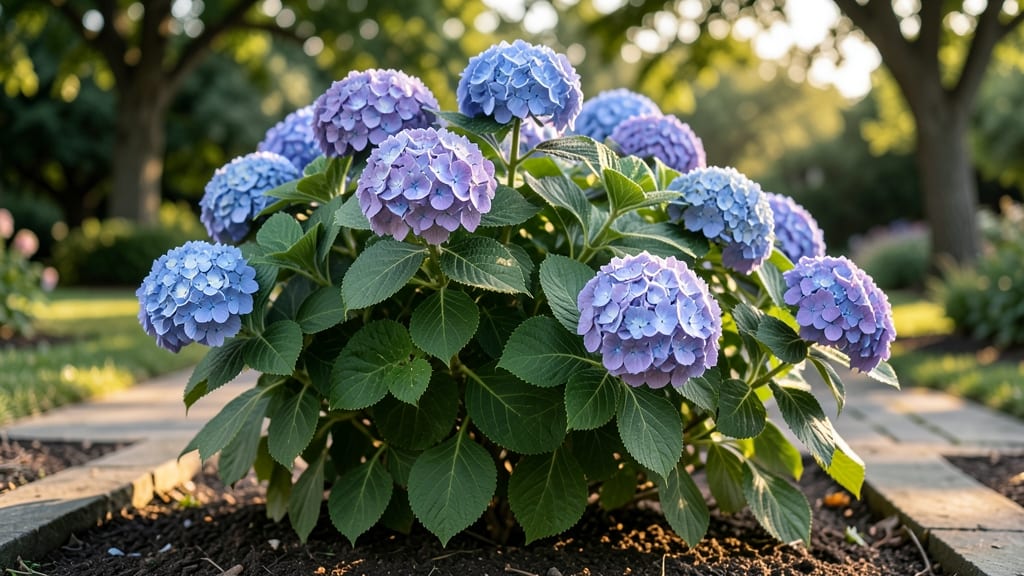
The Endless Summer bigleaf hydrangea blooms like it’s summer forever—even when the calendar says otherwise. 🌸 I’ve grown this variety for years, and it’s the only hydrangea that delivers reliable color from early summer through first frost, no deadheading required.
The secret lies in its reblooming nature and hardiness, but getting it right means understanding its quirks upfront.
This hydrangea thrives in partial shade (morning sun and afternoon shade work best) and moist, well-draining soil with a pH between 5.5 and 6.5.
Plant in zones 4-9, and you’ll get vibrant blooms in shades of pink, blue, or purple depending on soil pH—something no other hydrangea does so reliably. The key is consistency: too much sun scorches the leaves, while too much shade reduces flowering.
By late summer, you’ll be pinching back new growth to encourage next year’s blooms, and the plant will reward you with heavy clusters that last until hard frost. Even in drought years, it stays lush because its deep roots seek out moisture.
The only real challenge? Aphids love these sweet blooms, so I keep a spray bottle of soapy water handy for quick fixes.
Perfect for beginner gardeners or anyone tired of hydrangeas that flop after one big bloom. Once established, it’s low-maintenance—just feed it in spring, water during dry spells, and watch it thrive. Here’s how to set yours up for success from day one.
📚 In This Guide
- What you need
- Instructions
- Tips and common mistakes
- Wrapping up and next steps
What you need
- ● Endless Summer Bigleaf Hydrangea Plant: 1 nursery-grown plant (bare-root or potted, 1-2 gallons in size). Look for healthy, vibrant green foliage and sturdy stems.
- ● Well-draining soil: 2-3 cubic yards of loamy, slightly acidic soil (pH 5.5–6.2). Mix in 20% compost or peat moss for optimal drainage and nutrients.
- ● Organic mulch: 2–3 inches of shredded bark or pine needles to retain moisture and regulate soil temperature.
- ● Watering can or hose: With a gentle spray nozzle for even moisture distribution.
- ● Fertilizer: 1 balanced, slow-release granular fertilizer (e.g., 10-10-10 or 20-20-20) for planting.
- ● 1 hydrangea-specific fertilizer (high in phosphorus and potassium) for mid-season feeding (e.g., Miracle-Gro for Hydrangeas).
- ● Pruning shears: Sharp, clean shears (sterilize with rubbing alcohol between cuts to prevent disease).
- ○ Gloves (optional but recommended): For handling prickly stems or protecting hands from soil-borne pathogens.
- ● Soil pH test kit: To monitor and adjust acidity (aim for blue hydrangea blooms with pH pink blooms with pH > 7.0).
- ● Aluminum sulfate or sulfur: For lowering pH if needed (follow package instructions).
- ● Support stake or trellis: If planting in a windy area or for taller varieties (e.g., 3–4 ft stakes).
- ● Drip irrigation system: For automated, consistent watering (especially in hot climates).
- ● Plant tags or labels: To track varieties and care notes (because who remembers everything?).
Step-by-Step instructions for planting and caring for Endless Summer bigleaf hydrangea
Transform your garden into a year-round floral display with this low-maintenance beauty—here's how to plant and nurture it.
🌱 Step 1: Choose the Perfect Planting Location
Select a spot with partial shade—think morning sun with afternoon shade—to protect the blooms from harsh afternoon rays. Bigleaf hydrangeas thrive where they receive 4-6 hours of sunlight daily, but too much direct sun can scorch the leaves and bleach the petals. I always test a location by observing how sunlight moves across the garden throughout the day.
This variety does best in well-draining soil with a pH between 5.2 and 6.2 for optimal blue blooms (or slightly higher for pink). If your soil is heavy clay, amend it with 2-3 inches of compost mixed into the top 12 inches of soil. The roots will appreciate the extra organic matter, especially during the first growing season.
🪴 Step 2: Plant at the Right Depth and Spacing
Dig a hole twice as wide as the root ball but only as deep—the top of the root ball should sit level with the surrounding soil. This prevents water from pooling around the stem, which can cause rot. Gently loosen the roots if they appear tightly bound, encouraging them to spread outward rather than circling.
Space plants 4-6 feet apart to allow for mature growth and airflow. Crowding leads to fungal diseases, and Endless Summer hydrangeas need room to develop their signature large blooms. I like to plant mine in clusters of three for a fuller, more dramatic effect. Water the hole deeply before placing the plant to settle the soil and eliminate air pockets.
💧 Step 3: Water Deeply and Mulch for Retention
Water the newly planted hydrangea deeply—about 1-2 gallons—to encourage roots to grow downward. The soil should be moist but not soggy at a depth of 2 inches. After watering, apply a 3-inch layer of mulch around the base, keeping it 2 inches away from the stem to prevent rot. I use shredded bark or pine straw, which also helps regulate soil temperature.
Water twice weekly during the first growing season, adjusting for rainfall. The key is consistent moisture—hydrangeas hate drying out. You’ll know you’re doing it right when the soil feels damp to the touch at a 2-inch depth. Overwatering is just as harmful, so always check before adding more water.
☀️ Step 4: Prune for Continuous Blooms
Prune in late winter or early spring before new growth appears. Remove dead or weak stems at the base, then cut back the remaining stems by half their height. This encourages the plant to produce strong new growth from the base, which is where Endless Summer hydrangeas bloom. I always use clean, sharp pruners to make precise cuts just above a leaf node or bud.
Avoid pruning in fall or summer, as this can remove next year’s flower buds. If you notice leggy growth or overcrowded stems during the growing season, you can lightly trim to improve airflow. Just remember: less is more with hydrangeas—they reward patience with lush, vibrant blooms.
⏰ Step 5: Feed and Protect for Year-Round Color
Apply a balanced, slow-release fertilizer in early spring and again in mid-summer to support continuous blooming. I use a 10-10-10 formula at half strength to avoid burning the roots. Hydrangeas are heavy feeders, but too much fertilizer can lead to excessive leaf growth at the expense of flowers. Always water the plant thoroughly after fertilizing to help distribute nutrients.
To maintain vibrant blooms, monitor soil pH if you want to shift flower color. For bluer blooms, add aluminum sulfate (follow package instructions). For pink blooms, avoid adding aluminum and ensure the soil stays slightly alkaline. Test your soil every 2-3 years to keep the color just right.
Tips & tricks for perfect Endless Summer bigleaf hydrangea care
Between us, these simple strategies will help you avoid common pitfalls and get the most stunning blooms from your Endless Summer hydrangea.
Sunlight Strategy: The 4-6 hours of daily sunlight mentioned in Step 1 is non-negotiable for optimal blooms, but here's what I've learned: use a simple shadow test. Place a white sheet of paper on the ground where you plan to plant and observe how sunlight moves across it throughout the day. If the area gets intense afternoon sun (after 1 PM), you'll see the shadow shrink dramatically—this is where your hydrangea will struggle. Morning sun with afternoon shade is ideal, but even light shade works if you're in a hotter climate.
Soil pH Precision: While the instructions mention a pH range of 5.2-6.2 for blue blooms, here's the secret: test your soil before planting. I use a simple home test kit that costs under $10. If your soil tests at 6.5 or higher, you'll need to add aluminum sulfate to shift it down for those coveted blue blooms. For pink flowers, you can actually let the soil stay slightly alkaline (around 6.5-7.0). The key is consistency—don't try to adjust the pH more than 0.5 points at a time, or you risk shocking the plant's root system.
Watering Wisdom: The twice-weekly watering recommendation in Step 3 works perfectly in most climates, but here's what nobody tells you: hydrangeas actually prefer their watering schedule to be more consistent than frequent. Instead of watering twice weekly, I've found that watering deeply every 3-4 days (about 1-2 gallons each time) encourages deeper root growth. The secret is checking soil moisture at 2 inches deep—if it's dry, water; if it's damp, wait. This method prevents both underwatering and overwatering, which are the two biggest causes of poor blooming.
Pruning Insight: When it comes to pruning in Step 4, timing is everything. I've learned that the absolute best time is actually the first week of spring when you see the first tiny green buds appearing. This is when the plant is just waking up and can handle the stress of pruning better. If you wait until late spring, you might accidentally cut off some of the new flower buds that are forming. And here's a pro tip: after pruning, give your hydrangea a light fertilizer application to help it recover and produce even more blooms.
Pro Tips for Endless Summer Bigleaf Hydrangea
- Between us, these simple strategies will help you avoid common pitfalls and get the most stunning blooms from your Endless Summer hydrangea.
- Sunlight Strategy: The 4-6 hours of daily sunlight mentioned in Step 1 is non-negotiable for optimal blooms, but here's what I've learned: use a simple shadow test.
- Soil pH Precision: While the instructions mention a pH range of 5.2-6.2 for blue blooms, here's the secret: test your soil before planting.
Frequently asked questions
about Endless Summer Bigleaf Hydrangeas—because even the toughest gardeners need a little clarity!How long do the blooms last on Endless Summer Hydrangeas?
The name says it all! With proper care, Endless Summer hydrangeas bloom from early summer through fall, sometimes even into winter in mild climates. Unlike other varieties, they rebloom on both old and new wood, so you won’t miss a beat if pruning slips your mind.
Can Endless Summer Hydrangeas survive winter in cold climates?
These hydrangeas are hardy in USDA Zones 3-9. In colder regions (Zones 3-5), mulch heavily around the base and cover the plant with burlap or frost cloth in late fall. Their buds form on both old and new wood, so even if winter damage occurs, they’ll bounce back.
When and how should I prune Endless Summer Hydrangeas?
Prune right after flowering (late summer to early fall) to shape the plant and encourage next year’s blooms. Avoid cutting back into old wood—focus on removing dead stems and thinning crowded branches. Never prune in late winter, as this removes next season’s flower buds!
What if my Endless Summer Hydrangea isn’t blooming?
No blooms? Check these fixes:
Too much shade? They need partial sun (4-6 hours of light).
Over-fertilized? Too much nitrogen = leafy growth, no flowers. Use a balanced bloom booster instead.
Pruned at the wrong time? Late winter pruning can cut off flower buds.
Stressed roots? Ensure well-draining soil and consistent moisture.
Are there alternatives to Endless Summer if I want reblooming hydrangeas?
Yes! Other reblooming bigleaf hydrangeas include:
- ‘Annabelle’ (H. arborescens) – Larger, sterile blooms; Zone 3-9.
- ‘Limelight’ (H. macrophylla) – Vibrant lime-green flowers; Zone 4-9.
- ‘Little Lime’ (H. paniculata) – Compact, fragrant blooms; Zone 3-8.
Wrapping up and next steps
The Endless Summer Bigleaf Hydrangea is a dream come true for gardeners craving low-maintenance, year-round beauty—no deadheading, no fuss, just lush blooms that keep giving. 🌸 With its vibrant colors and resilience, it’s the perfect star for any garden, whether you’re a beginner or a seasoned green thumb.
Ready to transform your space? Start by choosing the right location—partial shade and well-draining soil are key—and watch your hydrangea thrive with minimal effort. Happy gardening!