
Leaf Blower
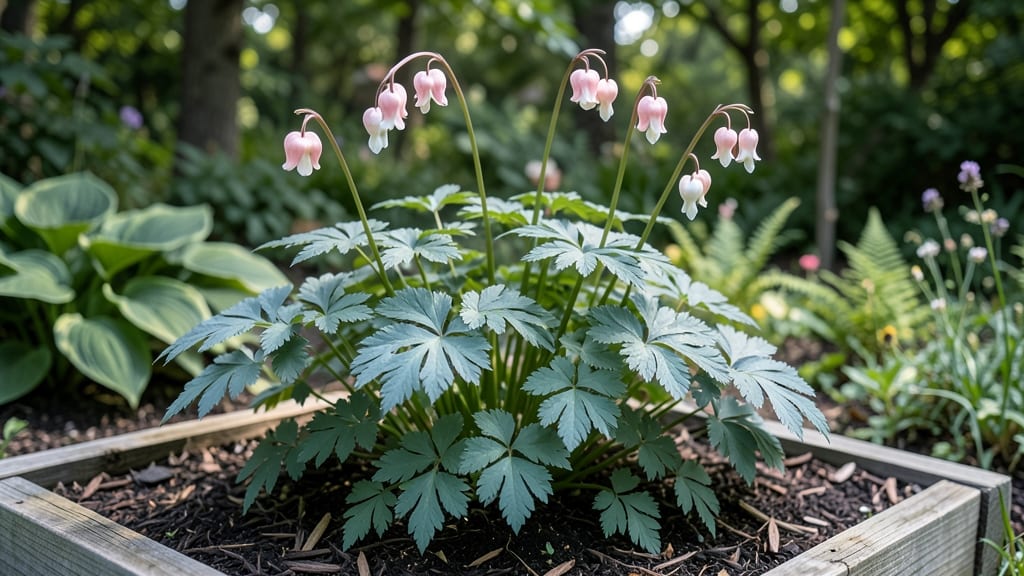
Fern leaf bleeding heart (Dicentra eximia) turns shady corners into dreamy, heart-shaped blooms that last from spring until summer’s heat. 💚 I’ve grown mine for years in partial shade, and the secret to their lush foliage and abundant flowers isn’t complicated—it’s about the right balance of moisture, soil, and patience.
Start with well-draining, rich soil (mix compost into your existing garden bed) and plant in partial to full shade, where they’ll thrive without wilting. Water consistently—keeping the soil moist but not soggy—and mulch heavily to retain moisture and protect roots.
Once established, they’re surprisingly low-maintenance, with delicate foliage that stays vibrant even in humid summers.
📚 In This Guide
- What you need
- Instructions
- Tips and common mistakes
- Wrapping up and next steps
What you need
- ● Plants: 3–5 fern leaf bleeding heart plants (nursery-grown for best results). Choose healthy specimens with lush, deep green foliage.
- ● Soil: 5–10 gallons of well-draining, rich compost mix (amend garden soil with 30% compost or peat moss for moisture retention).
- ● Mulch: 2–3 inches of organic mulch (shredded bark or leaf mold) to retain moisture and suppress weeds.
- ● Fertilizer: Balanced, slow-release fertilizer (10-10-10 or 5-5-5) or compost tea for organic growth.
- ● Garden trowel or spade (for digging holes 6–8 inches deep).
- ● Gloves (to protect hands from thorns or soil).
- ● Watering can or hose with gentle spray nozzle (for post-planting hydration).
- ● Pruners or shears (for trimming dead foliage or shaping plants).
- ○ Optional: Plant markers (to label varieties if mixing with other shade plants).
- ● Epsom salt (1 tbsp per gallon of water, monthly for magnesium boost).
- ● Shade cloth (if planting in hot, low-light areas to protect young plants).
Step-by-step instructions for planting and caring for fern leaf bleeding heart
Here's how to establish a thriving patch of these elegant shade-lovers with minimal fuss.
🌱 Step 1: Select the Perfect Planting Location
Fern leaf bleeding heart (Dicentra spectabilis 'Alba') thrives in partial to full shade, making it ideal for woodland gardens, under trees, or north-facing borders. Choose a spot with morning sun and afternoon shade—this prevents leaf scorch while ensuring enough light for blooming. The soil should remain consistently moist but well-drained; these plants hate soggy roots but tolerate dry spells better than most shade plants.
I like to test the site by pressing a trowel into the soil—if it feels compacted or clay-heavy, amend with 2-3 inches of organic matter (like compost or leaf mold) before planting. The ideal soil pH is 6.0-6.5, slightly acidic. If your soil is alkaline, add sulfur or peat moss to adjust. You'll know you've chosen well when the area stays cool and shaded even on hot afternoons.
🪴 Step 2: Plant at the Right Depth and Spacing
Dig holes twice as wide as the root ball but only as deep as the container—bleeding heart roots are shallow and sensitive to burial. Gently remove the plant from its container and loosen any circling roots with your fingers. Place it in the hole so the top of the root ball sits level with the surrounding soil—never bury the crown deeper than it grew in the container.
Space plants 18-24 inches apart for a lush, natural look. I always add a handful of bone meal to the planting hole to encourage strong root development and future blooms. Water deeply right after planting to settle the soil and eliminate air pockets. You'll see the first true leaves emerge within 3-4 weeks, signaling successful establishment.
☀️ Step 3: Maintain Consistent Moisture and Mulch
Keep the soil evenly moist but never waterlogged—fern leaf bleeding heart wilt dramatically when thirsty but recover quickly once rehydrated. Water 1-2 inches per week, adjusting for rainfall. A 3-inch layer of mulch (like shredded bark or wood chips) helps retain moisture, suppress weeds, and protect roots from temperature swings. Refresh the mulch annually in early spring.
Here's the thing—these plants go dormant in late summer after blooming. Once foliage yellows and dies back, stop fertilizing and reduce watering to once every 2 weeks. The roots need this rest to recharge for next year's growth. You'll notice new shoots pushing through the soil in early spring, signaling it's time to resume regular care.
✂️ Step 4: Prune and Divide for Long-Term Health
Deadhead spent blooms by snipping stems back to the nearest leaf after flowering to encourage a second, smaller flush of flowers. In late summer or early fall, cut back the foliage to 2 inches above ground level—this cleans up the plant and prevents disease buildup in old leaves. Avoid pruning in spring, as new growth emerges from the base.
Divide clumps every 3-4 years in early spring to prevent overcrowding. Dig up the plant, separate the roots into 3-5 inch sections with at least one growth bud per division, and replant immediately. I've found that dividing in cool, overcast weather reduces transplant shock. You'll know divisions are successful when they produce new leaves within 4-6 weeks.
🌿 Step 5: Protect and Encourage Repeat Blooming
Fern leaf bleeding heart is generally pest- and disease-resistant, but slugs and snails may target young leaves. Set out copper barriers or use beer traps if you notice ragged edges on emerging foliage. For extra insurance, apply neem oil preventatively in early spring. These plants rarely need fertilizer, but a light application of balanced 10-10-10 in early spring can boost vigor.
To prolong the blooming season, provide dappled shade during the hottest part of summer. You'll see the most dramatic displays when plants receive at least 3 hours of morning sun. If your garden has hot, dry afternoons, consider planting near a tree with filtered shade—this mimics their native woodland habitat. With proper care, your fern leaf bleeding heart will return year after year, offering months of heart-shaped elegance.
Tips & tricks for perfect fern leaf bleeding heart planting
These simple yet game-changing tips will help you create the ideal conditions for your fern leaf bleeding heart to flourish year after year.
Soil Test Before Planting: Before amending your soil with the recommended 2-3 inches of organic matter, conduct a simple soil test using a DIY pH kit or send a sample to your local extension office. Fern leaf bleeding heart thrives in slightly acidic soil (pH 6.0-6.5), and knowing your exact pH helps you adjust more precisely. If your soil tests at 6.8 or higher, mix in sulfur or peat moss gradually—too much can make the soil too acidic and damage roots. I've seen plants struggle when the pH was off by just 0.5 points, so this step is worth the small investment.
Planting Depth Visual: When placing your bleeding heart in the hole, use the container's drainage holes as your guide. The top of the root ball should align with the soil line outside the container—this ensures proper drainage while keeping the crown at the right level. A good trick is to place the container next to the hole and visually match the soil levels before removing the plant. Too deep, and you risk rot; too shallow, and the plant may dry out. The 3-4 week window for new leaves to emerge gives you time to adjust if you notice stress signs early.
Mulch Layer Strategy: That 3-inch layer of mulch isn't just for looks—it's a moisture and temperature regulator. For best results, apply mulch in two stages: spread 1.5 inches immediately after planting, then add the remaining 1.5 inches in early spring. This prevents the mulch from smothering new roots while still protecting them. I've noticed that plants with properly layered mulch handle summer droughts far better, with less wilting even during heatwaves. Just be sure to keep mulch at least 2 inches away from the stems to prevent rot.
Watering Technique: The 1-2 inches of water per week guideline works best when delivered properly. Instead of one long soaking, water deeply 2-3 times per week to encourage deep root growth. Use a rain gauge or tuna can to measure rainfall—this helps you adjust your watering schedule accurately. In Step 3, when you notice the plants wilting dramatically, it's a clear sign they need water immediately. These plants recover quickly once rehydrated, but consistent moisture prevents the stress in the first place. A drip irrigation system set on a timer works wonders for maintaining this balance with minimal effort.
Pro Tips for Fern Leaf Bleeding Heart
- These simple yet game-changing tips will help you create the ideal conditions for your fern leaf bleeding heart to flourish year after year.
- Soil Test Before Planting: Before amending your soil with the recommended 2-3 inches of organic matter, conduct a simple soil test using a DIY pH kit or send a sample to your local extension office.
- Planting Depth Visual: When placing your bleeding heart in the hole, use the container's drainage holes as your guide.
Frequently asked questions
Got questions about growing and caring for fern leaf bleeding heart? You’re not alone! Here are some of the most common queries—plus straightforward answers to help you cultivate these stunning shade-loving beauties with confidence.
How fast does fern leaf bleeding heart grow, and how tall will it get?
The Dicentra eximia typically grows 1–2 feet per year under ideal conditions. Mature plants usually reach 18–24 inches tall and spread 12–18 inches wide. Growth slows in hot, dry conditions, so consistent moisture keeps it thriving. Patience pays off—full bloom takes about 2–3 years!
When is the best time to plant fern leaf bleeding heart?
Plant in early spring or early fall for the best results. Avoid extreme heat or frost, as young roots are sensitive. If planting in late spring, keep soil consistently moist to help establish roots. A mulch layer (2–3 inches) protects roots and retains moisture—critical for survival!
Why aren’t my fern leaf bleeding heart plants blooming?
Common culprits include too much sun (they prefer partial to full shade), poor soil drainage, or over-fertilizing. These plants bloom best in well-draining, humus-rich soil. Try dividing mature clumps every 3–4 years—this often rejuvenates blooms. If leaves yellow, check for root rot or overwatering.
Can I grow fern leaf bleeding heart in containers? Yes, but with adjustments!
Use a 12–14-inch pot with drainage holes and a mix of peat moss, perlite, and compost. Choose a shady spot (east-facing or under trees) and water daily in summer. Containers dry out faster, so self-watering pots or a moisture-retentive liner helps. Fertilize lightly in spring with balanced 10-10-10—no heavy feeding!
Are there any deer-resistant alternatives to fern leaf bleeding heart?
While fern leaf bleeding heart is deer-resistant, if you’re worried, try Japanese anemone (Anemone × hybrida), foamflower (Tiarella), or heuchera (coral bells). These thrive in shade and offer similar textural interest. For colorful blooms, astilbe or lungwort (Pulmonaria) are great substitutes—just monitor local wildlife preferences!
Still stumped? Drop your specific challenge in the comments—we’re happy to help troubleshoot!
Wrapping up and next steps
The fern leaf bleeding heart is a stunning, low-maintenance gem that brings life and charm to shady spots in your garden. With its delicate heart-shaped blooms and lush foliage, it’s the perfect choice for adding elegance without the fuss.
Whether you’re a seasoned gardener or just starting out, this plant is a joy to grow and a delight to behold!
Ready to transform your garden? Grab your gloves, pick a spot, and get planting! 🌱✨ Start small—even a single bleeding heart can make a big impact.