
Leaf Blower
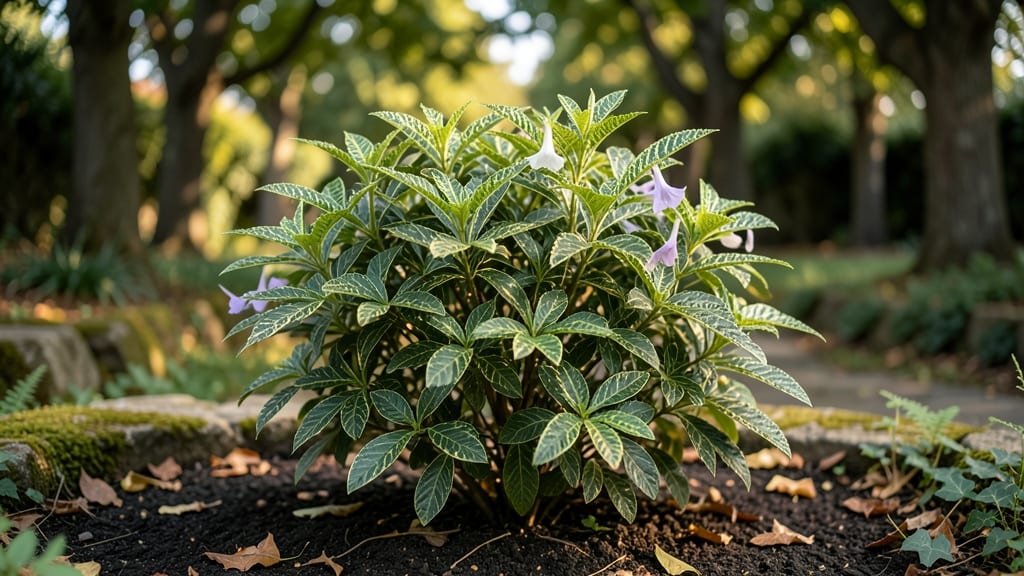
Fern leaf buckhorn delivers year-round structure with its lacy foliage and dark berries, and it thrives where many plants fail. 🌿 I planted mine in a shady corner last spring, and now it’s the backbone of my winter garden—keeping color and texture when everything else goes dormant.
This cold-hardy shrub handles zones 3-8 with ease, so it’s perfect for northern gardens or late frosts. It’s low-maintenance too: plant it in average soil, water moderately, and watch it grow 3-5 feet tall without fuss. The fern-like leaves add texture, while the berries feed birds through winter.
📚 In This Guide
- What you need
- Instructions
- Tips and common mistakes
- Wrapping up and next steps
What you need
- ● Fern Leaf Buckhorn Plants: 3–5 healthy nursery-grown plants (check for vibrant green leaves and sturdy stems).
- ● Well-draining soil: Mix of native soil, compost, and a handful of perlite or sand (for sandy or clay-heavy soils).
- ● Organic mulch: 2–3 inches of wood chips or shredded bark to retain moisture and suppress weeds.
- ● Slow-release fertilizer: 10-10-10 or a balanced organic option (like 1–2 cups per plant at planting time).
- ● Watering can or hose with a gentle spray nozzle: For consistent moisture without damaging delicate stems.
- ● Garden trowel or spade: For digging planting holes (12–18 inches deep and wide).
- ● Pruning shears: Sharp, clean pair for trimming dead or overgrown branches.
- ○ Garden gloves: To protect your hands from thorns (optional but recommended!).
- ● Measuring tape or ruler: To ensure proper spacing (3–4 feet apart for mature plants).
- ○ Optional: Soil pH test kit (to ensure ideal 6.0–7.0 pH range).
- ● Drip irrigation system (for automated watering in dry climates).
- ● Epsom salt (1 tbsp per gallon of water) for magnesium boost if leaves appear yellow.
- ● Sunlight: Full sun to partial shade (6+ hours of sunlight daily for best berry production).
- ● Hardiness Zone: 3–9 (perfect for cold climates!).
- ● Spacing: Plant 3–4 feet apart to allow airflow and prevent overcrowding.
- ● Patience: Fern Leaf Buckhorn grows slowly—expect full maturity in 3–5 years!
Step-by-Step guide for planting fern leaf buckhorn
This cold-hardy beauty thrives with minimal fuss—just follow these steps for lush, year-round interest.
🌱 Step 1: Pick the Perfect Spot for Maximum Impact
Fern leaf buckhorn (Symphoricarpos orbiculatus) loves partial shade but tolerates full sun in cooler climates. I always choose locations with 4-6 hours of dappled sunlight—think under tall trees or along north-facing walls. The fern-like foliage glows when backlit, so position it where you’ll see it daily.
Check soil drainage first—this plant hates soggy roots. Dig a hole twice as wide as the root ball but only as deep as the container it came in. Amend heavy clay with compost (about 2-3 inches mixed into the bottom) to improve aeration. Here’s the thing—if your soil drains poorly, add a 6-inch layer of gravel at the hole’s base before planting.
🪴 Step 2: Plant with Care for Strong Establishment
Gently remove the plant from its container and loosen any circling roots with your fingers. Place it in the hole so the top of the root ball sits level with the surrounding soil—burying the crown too deep causes rot. Fern leaf buckhorn spreads easily, so space 4-5 feet apart for a natural, wild look or 3 feet apart for a denser border.
Backfill with native soil mixed with 1 inch of compost to give it a nutrient boost. Press gently around the base to eliminate air pockets, then water deeply until moisture reaches 6 inches down. You’ll know it’s right when water pools on the surface briefly but drains within 10-15 minutes. This ensures roots establish without drowning.
☀️ Step 3: Water and Mulch for Year-Round Success
Water once a week for the first month to help roots spread, then taper to every 2-3 weeks once established. Fern leaf buckhorn is drought-tolerant, but young plants need consistent moisture. I check by sticking my finger 2 inches into the soil—if it’s dry, it’s time to water. Avoid overhead sprinklers to prevent fungal issues on the delicate foliage.
Spread 2-3 inches of mulch (like shredded bark or pine needles) around the base, keeping it 3 inches away from the stem. This conserves moisture, regulates soil temperature, and suppresses weeds. Replenish mulch annually in spring—it breaks down fast and loses effectiveness. Here’s what I’ve learned: Never let mulch pile against the trunk, or you’ll smother the plant.
✂️ Step 4: Prune and Maintain for Healthy Growth
Prune in late winter or early spring before new growth appears. Cut back one-third of the oldest stems to the ground to encourage fresh, vibrant foliage. You’ll see new shoots emerge within 2-3 weeks—that’s your signal the plant’s rejuvenated. Deadhead spent flower clusters in summer to redirect energy to foliage growth, not seed production.
Fertilize lightly in early spring with a balanced 10-10-10 formula—just ½ teaspoon per plant. This plant thrives on neglect but appreciates a little boost. Watch for signs of stress: yellowing leaves mean too much water, while brown tips signal underwatering. Real talk: Over-fertilizing causes weak, leggy growth—stick to the basics.
🌿 Step 5: Enjoy Year-Round Interest with Minimal Effort
Fern leaf buckhorn’s fern-like foliage stays lush year-round, and its pink berries add winter color. In fall, the leaves turn bronze, creating seasonal drama. The best part? It’s deer-resistant and low-maintenance—perfect for busy gardeners. Group plants in odd-numbered clusters (3, 5, or 7) for natural, balanced visuals.
Divide mature clumps every 3-4 years in early spring if growth slows. Dig up the plant, separate into 3-inch sections with roots, and replant immediately. You’ll end up with 2-3 new plants per division—great for sharing with friends or filling gaps. Here’s the trick: Water divisions well for the first week to reduce transplant shock.
Tips & tricks for planting fern leaf buckhorn
Here's what nobody tells you about making this cold-hardy plant thrive without the guesswork.
Site Selection Secret: The 4-6 hours of dappled sunlight in Step 1 is your sweet spot—this plant actually burns in hot afternoon sun. I've learned to test locations by observing how sunlight moves across your yard throughout the day. If the spot gets harsh sun after noon, consider moving it 3-4 feet closer to shade sources like walls or fences. The fern-like foliage will thank you with vibrant color all season long.
Root Ball Rescue: When loosening circling roots in Step 2, don't just pull at them—use your fingers to gently separate the roots from the root ball. Think of it like unraveling a ball of yarn. If you find roots that are tightly bound in a spiral, make a small vertical cut with clean pruners to release the tension. This prevents root strangulation and gives your plant a stronger start. I've seen plants struggle for years because of this overlooked step.
Watering Wisdom: That 10-15 minute drainage test in Step 2 is more important than you might think. If water pools longer than 15 minutes, your hole needs better drainage. The fix? Mix in an extra 2-3 inches of coarse sand or perlite with the compost at the bottom. For established plants, you'll notice the soil around them stays noticeably drier than surrounding areas—this is normal and exactly what you want.
Mulch Mastery: The 2-3 inches of mulch in Step 3 works wonders, but placement matters. Create a donut shape—mulch all the way to the plant's base but leave a 3-inch bare circle around the stem. This prevents rot while still protecting roots. I've seen gardeners accidentally smother their plants by piling mulch against the trunk, which leads to stem rot. Also, pine needles make excellent mulch—they acidify slightly over time, which this plant actually prefers.
Pro Tips for Fern Leaf Buckhorn
- Here's what nobody tells you about making this cold-hardy plant thrive without the guesswork.
- Site Selection Secret: The 4-6 hours of dappled sunlight in Step 1 is your sweet spot—this plant actually burns in hot afternoon sun.
- Root Ball Rescue: When loosening circling roots in Step 2, don't just pull at them—use your fingers to gently separate the roots from the root ball.
Frequently asked questions
Got questions about growing and maintaining fern leaf buckhorn? You’re not alone! This striking perennial is tough and versatile, but like any plant, it has its quirks. Below, we’ve rounded up the most common questions—and answers—to help you keep your garden thriving with this cold-hardy beauty.
How cold-hardy is fern leaf buckhorn, really?
The fern leaf buckhorn (Symphoricarpos orbiculatus) is one of the toughest perennials out there, surviving temperatures as low as -30°F (-34°C). It thrives in USDA Zones 3–8, making it perfect for snowy climates or early spring planting. Just ensure it’s planted in well-draining soil to avoid root rot in waterlogged conditions.
When is the best time to plant or divide fern leaf buckhorn?
For optimal root establishment, plant in early spring or fall when soil temps are cool (50–70°F or 10–21°C). Divide clumps in spring or early fall—avoid mid-summer heat stress. If you’re transplanting established plants, water deeply for the first 2 weeks to reduce shock.
Can I grow fern leaf buckhorn in containers or as a hedge?
This plant adapts well to containers (use pots at least 12–18 inches wide) or as a low-maintenance hedge. For hedges, space plants 2–3 feet apart and prune lightly after flowering to encourage bushiness. Just ensure containers have drainage holes—it hates soggy roots!
What pests or diseases should I watch for?
Fern leaf buckhorn is pest-resistant, but occasional issues include aphids (spray with water or neem oil) and powdery mildew in humid climates. Improve airflow by spacing plants properly and avoid overhead watering. If leaves yellow, check for root rot—adjust watering habits if needed.
How do I prune it to keep it looking neat?
Light pruning is key! Trim back dead or leggy stems in early spring before new growth starts. For a cleaner look, shear lightly after flowering (summer). Avoid heavy pruning—this plant thrives on its natural, wild yet structured vibe. Pro tip: Wear gloves—its stems can be prickly!
Wrapping up and next steps
The fern leaf buckhorn is a standout choice for gardeners seeking year-round beauty with minimal fuss—its cold-hardy nature and striking foliage make it a true workhorse of the landscape. Whether you’re drawn to its architectural appeal, wildlife benefits, or low-maintenance charm, this plant delivers drama without the drama. 🌿
Ready to transform your garden? Start by selecting the perfect spot—whether it’s a shady corner or a sunny border—and watch your fern leaf buckhorn thrive for seasons to come. Happy planting!