
Leaf Blower
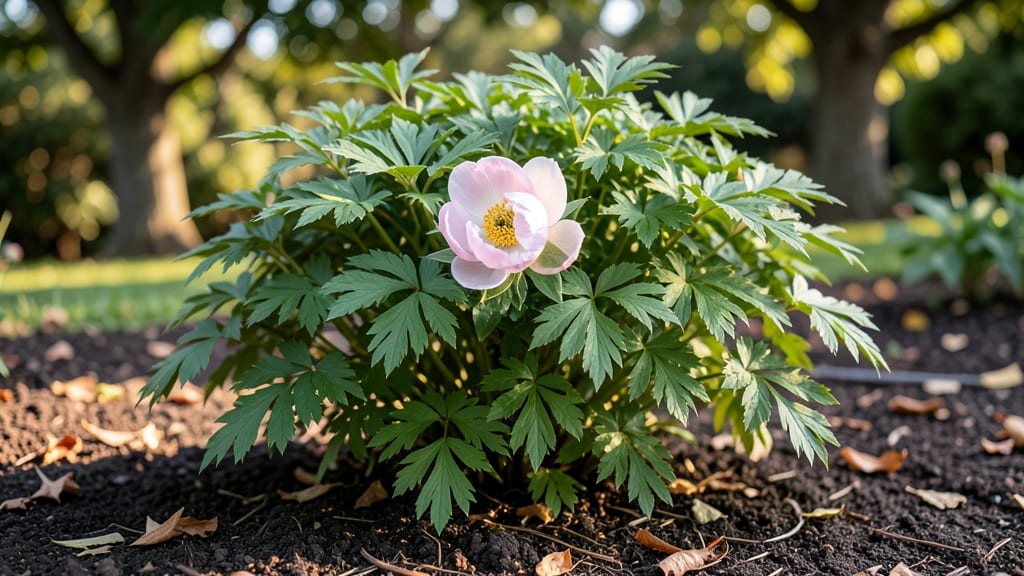
Fern leaf peonies transform your garden into a lush, romantic retreat with their bold foliage and clouds of fragrant blooms—and they thrive when you follow a few key secrets. 🌿 I planted mine last spring after years of admiring them in catalogs, and now they’re the star of my shade garden, blooming reliably for 10+ years with almost no fuss.
These peonies love morning sun and afternoon shade, rich but well-draining soil, and consistent moisture—but the real magic happens when you plant them deep enough (eyes 2 inches below soil) and give them space to spread.
The first year is all about roots, so resist the urge to prune until spring, when you’ll see those glossy, fern-like leaves unfurl like a promise of beauty to come.
📚 In This Guide
- What you need
- Instructions
- Tips and common mistakes
- Wrapping up and next steps
What you need
- ● Fern leaf peony plants: Choose Paeonia lactiflora varieties with fern-like foliage (e.g., 'Karl Rosenfield' or 'Sarah Bernhardt'). Buy 3–5 bare-root plants for a full, long-lasting display.
- ● Well-draining soil: Test your soil’s pH (ideal: 6.0–7.5). Amend heavy clay with compost or sand (5–10% by volume).
- ● Organic matter: 4–6 inches of compost or aged manure mixed into the planting hole.
- ● Fertilizer: Balanced 10-10-10 or low-phosphorus fertilizer (follow label rates). Avoid high-nitrogen blends.
- ● Mulch: 2–3 inches of wood chips or straw to retain moisture and suppress weeds.
- ● Watering can or hose: With a gentle spray nozzle (peony roots are shallow!).
- ● Garden gloves & trowel: For planting and soil prep.
- ○ Stakes or cages (optional but recommended): 3–4 ft tall to support heavy blooms.
- ● Hardiness zones: 3–8 (fern leaf peonies thrive in cold climates!).
- ● Sunlight: Full sun (6+ hours/day) for best blooms and ferny foliage.
- ● Spacing: Plant 3–4 feet apart to allow airflow and prevent disease.
- ● Planting time: Fall (September–November) or early spring (before buds swell).
- ● Peony-specific fertilizer: Like Espoma Peony & Rose Tone for extra nutrients.
- ● Soil moisture meter: To monitor water levels (peonies hate soggy roots!).
- ● Pruning shears: For deadheading spent blooms (extend flowering season!).
- ● Disease-resistant varieties: If your area has fungal risks (e.g., 'Bowl of Beauty').
Step-by-Step instructions for planting and caring for fern leaf peonies
Here's how to get these cold-hardy beauties thriving in your garden—no fancy tricks required.
🌱 Step 1: Choose the Perfect Planting Spot
Fern leaf peonies need full sun to partial shade—at least 6 hours of direct sunlight daily—but they’ll tolerate morning sun with afternoon shade in hotter climates. I always pick a spot where they won’t be crowded by other plants, since they spread slowly but steadily over time. The soil should drain well but still retain moisture—peony roots hate soggy feet.
Dig a hole twice as wide as the root ball but only as deep as the roots themselves. Planting too deep can delay blooms for years, while too shallow means weak stems. Loosen the soil at the bottom of the hole with your fingers—this helps roots spread without resistance. If your soil is heavy clay, mix in a handful of compost to improve drainage.
🪴 Step 2: Plant the Bare-Root Peony Correctly
Handle bare-root peonies like delicate glass—don’t let the roots dry out before planting. Soak them in lukewarm water for 1-2 hours before handling to plump them up. Position the plant so the eyes (buds) sit just 1-2 inches below the soil surface. These buds are the future blooms, so getting their depth right is everything.
Spread the roots gently outward in the hole—don’t bend them sharply, as this can snap them. Fill the hole with soil, pressing lightly to remove air pockets but not compacting too hard. Water deeply right after planting to settle the soil and encourage root contact. You’ll know it’s done right when the soil looks firm but not rock-hard around the base.
☀️ Step 3: Mulch and Water for Establishment
Spread 2-3 inches of mulch (like shredded bark or straw) around the base, keeping it 4 inches away from the stem to prevent rot. Mulch helps retain moisture and keeps roots cool in summer. Water deeply once a week during the first growing season—enough to soak 6-8 inches down. You’ll see new leaves emerge within 3-4 weeks if conditions are right.
Don’t overwater now. Fern leaf peonies are drought-tolerant once established, and soggy soil invites root rot. Instead, check the soil 1 inch down—if it’s dry, water again. After the first year, you’ll only need to water during prolonged dry spells, like 30+ days without rain. This is when their cold-hardy roots really shine.
✂️ Step 4: Prune and Maintain for Long-Term Blooms
Wait until late spring or early summer—after the foliage turns brown—to prune. Cut stems back to 1 inch above the ground using clean, sharp shears. This prevents disease and encourages stronger growth next season. Never prune in fall—you’ll remove next year’s flower buds by mistake.
Fertilize lightly in early spring with a balanced 10-10-10 formula, but skip heavy feeding after mid-summer. Too much nitrogen late in the season means fewer blooms next year. Watch for aphids or peony wilt—if you see yellowing leaves or blackened stems, remove affected parts immediately and treat with neem oil if needed.
⏰ Step 5: Prepare for Winter and Next Year’s Blooms
Fern leaf peonies are extremely cold-hardy (zones 3-8), but a 4-6 inch layer of mulch in late fall protects roots from extreme cold. Remove old mulch in early spring when new shoots appear—this prevents smothering and lets the soil warm up faster.
Here’s the thing—these perennials get better with age. After 3-5 years, you’ll see larger, more abundant blooms with minimal effort. Just keep the soil moist, avoid overcrowding, and resist the urge to move them once planted. Fern leaf peonies reward patience with decades of reliable blooms—that’s the magic of cold-hardy perennials.
Tips & tricks for perfect fern leaf peony planting
These little details make all the difference when planting fern leaf peonies—trust me, I've seen firsthand how tiny adjustments lead to decades of blooms.
Soil Depth is Everything: That 1-2 inch placement for the eyes (buds) in Step 2 is non-negotiable. Too deep and you'll wait years for blooms; too shallow and stems won't support those glorious flowers. I mark my hole depth with a pencil on the shovel handle as a visual guide—it's become my secret weapon for perfect planting every time.
Root Handling Matters: Never yank those bare roots out of the package—always soak them first for 1-2 hours. The roots should feel plump and flexible, not brittle. I use a clean bucket of lukewarm water and add a handful of seaweed fertilizer (optional) to give them an extra boost right from the start.
Mulch Placement Technique: When you spread that 2-3 inches of mulch in Step 3, keep it 4 inches away from the stem to prevent rot. I use a straightedge tool to create a perfect circle around the base—this keeps moisture where it belongs and prevents fungal issues. The mulch should look like a donut, not a blanket.
Watering Wisdom: Those first 3-4 weeks after planting are critical. I set a reminder on my phone for the weekly deep watering—6-8 inches down is serious business. Use a soil probe or long screwdriver to check moisture depth; if it's dry at 1 inch, water again. This simple check prevents both overwatering and underwatering headaches.
Pro Tips for Fern Leaf Peonies
- These little details make all the difference when planting fern leaf peonies—trust me, I've seen firsthand how tiny adjustments lead to decades of blooms.
- Soil Depth is Everything: That 1-2 inch placement for the eyes (buds) in Step 2 is non-negotiable.
- Root Handling Matters: Never yank those bare roots out of the package—always soak them first for 1-2 hours.
Frequently asked questions
Got questions about growing fern leaf peonies? You’re not alone! Here are answers to the most common queries from gardeners just like you.
Are fern leaf peonies easy to grow for beginners?
These cold-hardy perennials are fantastic for beginners. They thrive in well-draining soil, tolerate partial shade, and require minimal upkeep once established. Just avoid overwatering—they hate soggy roots!
How long does it take for fern leaf peonies to bloom after planting?
Patience is key! Most fern leaf peonies take 2–3 years to reach maturity and produce their first blooms. In the meantime, enjoy their lush, fern-like foliage year-round.
Can fern leaf peonies survive in cold climates?
Yes! These beauties are extremely cold-hardy, typically handling zones 3–8. They’re perfect for northern gardens and even bounce back after winter. Just mulch lightly in early spring to protect emerging shoots.
What can I do if my fern leaf peony isn’t blooming?
No blooms? Check these fixes:
- Age: Young plants (under 2 years) focus on roots—give them time!
- Light: Ensure they get 6+ hours of sun daily.
- Fertilizer: Feed in early spring with low-phosphorus fertilizer (too much phosphorus = fewer blooms!).
- Pruning: Deadhead spent blooms but never cut back foliage until late fall.
Are there any alternatives to fern leaf peonies for shade gardens?
If you love the fern-like texture but need shade-tolerant options, try:
- Japanese forest grass (Hakonechloa macra) – delicate, arching foliage.
- Hostas – classic shade plants with bold leaves.
- Astilbe – feathery plumes and soft foliage.
- Hellebores (Lenten rose) – early blooms + evergreen leaves.
Wrapping up and next steps
Fern leaf peonies are a fantastic addition to any garden, offering stunning blooms and effortless care—perfect for both beginners and seasoned gardeners! 🌸 Their cold-hardy nature and long-lived roots make them a low-maintenance superstar that rewards patience with breathtaking displays year after year.
Ready to transform your outdoor space? Start by choosing the right variety, prepping your soil, and giving your peonies the love they deserve. Plant one today, and enjoy the magic of blooming beauty for decades to come! 🌱