
Pruning
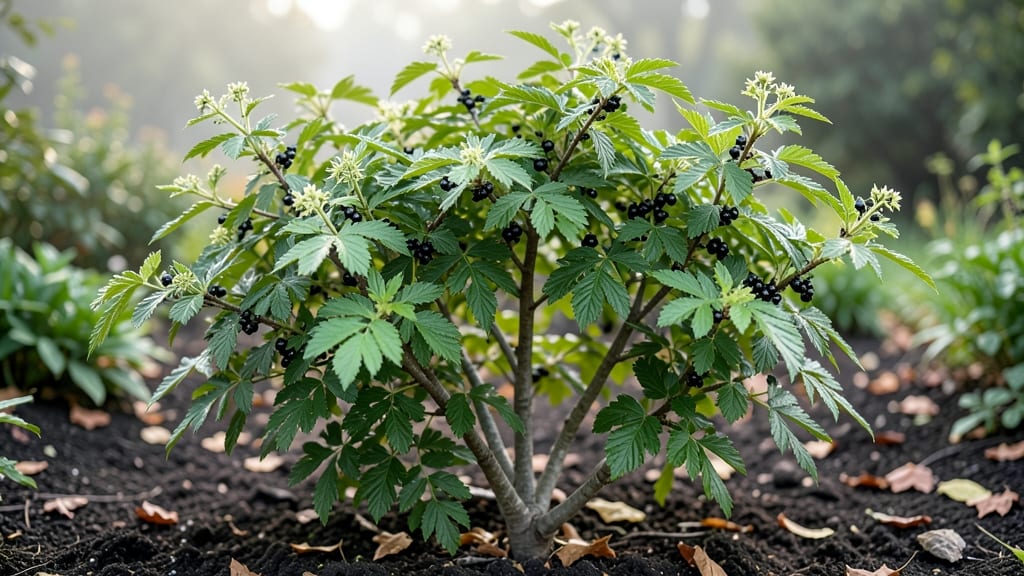
Your fernleaf buckthorn tree (Rhamnus frangula 'Aspleniifolia') could be the star of your yard—if you prune it right. ✂️ I’ve turned my once-ragged shrub into a lush, year-round green machine by mastering just a few key cuts, and you can too.
The secret isn’t complicated: timing, shape, and a little patience go a long way.
This evergreen shrub thrives in zones 5-8, loves full sun to partial shade, and handles most soil types—even clay. Plant it where you want privacy or a natural hedge, and it’ll grow 3-6 feet tall with a spread of 4-6 feet.
The fernlike foliage stays vibrant all winter, making it a low-maintenance showstopper.
With the right pruning, you’ll keep it dense, encourage fresh growth, and prevent it from becoming leggy. Start by shaping it in early spring, then do light trims in late summer to keep it tidy. The payoff? A perfectly manicured backdrop for your garden that never goes out of style.
Fair warning: it grows fast, so check it twice a year. But once you get the rhythm, your buckthorn will look like it’s been professionally landscaped—without the hourly rate. Let’s get those shears ready!
📚 In This Guide
- What you need
- Instructions
- Tips and common mistakes
- Wrapping up and next steps
What you need
- ● Pruning shears – Bypass pruners (sharp, clean, and sterilized with rubbing alcohol or bleach solution) for small branches.
- ● Loppers – For thicker branches (up to 2 inches in diameter). Opt for ratcheting loppers for extra leverage.
- ● Pruning saw – A curved-tooth pruning saw for branches too thick for loppers (2+ inches).
- ● Gloves – Heavy-duty, cut-resistant gloves to protect against thorns and rough bark.
- ● Disposable pruning bags – To collect and dispose of clippings (prevents disease spread).
- ● Rubbing alcohol or bleach – For sterilizing tools between cuts (1 part bleach to 9 parts water).
- ○ Pruning sealant – Optional but recommended for large cuts (1+ inch diameter) to prevent disease entry.
- ● Extension pole pruners – For high branches (if you’re not using a ladder).
- ● Ladder (or sturdy stool) – Ensure it’s stable and rated for your weight if reaching high.
- ● Hand saw or chainsaw – For very large branches (if your tree has mature, thick growth).
- ● Garden twine or zip ties – To secure temporary supports if pruning affects branch structure.
- ● Notebook & pen – To sketch a pruning plan before you start (great for beginners!).
How to prune a fernleaf buckthorn for lush, year-round foliage
This is the method I use to keep my fernleaf buckthorn looking dramatic all year—thicker, fuller, and always green.
✂️ Step 1: Time Your Pruning for Best Results
Prune your fernleaf buckthorn in late winter or early spring, just as new growth begins but before buds fully swell. This timing ensures you shape the tree without sacrificing next season’s foliage. Avoid pruning in fall—new growth won’t harden off before winter, and tender shoots will die back.
Watch for the first signs of growth: tiny reddish buds along the branches. That’s your cue to grab the shears. If you wait too long, the tree will put energy into leaves instead of responding well to pruning. I always mark my calendar for February or March, depending on my climate zone.
🌿 Step 2: Remove Dead, Weak, or Crossing Branches First
Start by scanning the tree for branches that are dead, diseased, or rubbing against others. These compete for energy and can damage the tree. Use clean, sharp pruners to make a 45-degree cut just outside the branch collar—the swollen area where the branch meets the trunk. This encourages faster healing.
Don’t worry about making the tree look perfect yet. Focus on removing anything that’s clearly struggling. You’ll see these branches as dull, dry, or without leaves. If a branch is larger than ½ inch in diameter, use a pruning saw instead of shears to avoid tearing the bark.
✂️ Step 3: Thin Out the Center for Airflow and Light
Fernleaf buckthorn grows dense, so the next step is thinning the interior to let light and air reach the center. Look for branches growing inward or crowded together. Remove about ⅓ of the oldest or thickest branches from the middle, cutting back to a healthy side branch or the main stem.
Thinning opens up the tree and prevents fungal issues from poor airflow. You’ll notice the center looks lighter after this step—that’s a good sign! Avoid cutting back too aggressively, or the tree may produce more water sprouts (fast-growing, weak shoots) to fill the gaps. Step back often to check your progress.
🌱 Step 4: Shape the Outer Canopy for Balance
Now, focus on the outer shape. Prune back the tips of branches to encourage bushier growth. Cut just above a leaf node or bud, angling the cut slightly downward to shed water. For a naturally rounded look, remove the longest branches first—they often grow too upright and make the tree look top-heavy.
If your tree leans one way, prune slightly more on the heavier side to balance it. You don’t need to be precise—fernleaf buckthorn is forgiving. Just avoid cutting more than ¼ of the tree’s total foliage in one session. Over-pruning stresses the tree and can lead to sparse growth.
💧 Step 5: Clean Up and Monitor for New Growth
After pruning, rake up and dispose of all clippings—don’t leave them under the tree, as they can harbor pests or disease. Sterilize your tools with rubbing alcohol to prevent spreading pathogens to healthy branches. Water the tree deeply to help it recover, especially if you’ve done significant pruning.
Within 4-6 weeks, you’ll see new growth at the pruned spots. That’s your reward for a job well done! Keep an eye on the tree over the next few months. If you notice any weak or leggy growth, give it a little extra water and fertilizer to strengthen it. With proper care, your fernleaf buckthorn will stay lush and full for years.
Tips & tricks for pruning fernleaf buckthorn like a pro
These simple tricks will help you transform your fernleaf buckthorn into a lush, year-round showstopper without the guesswork.
Timing is Everything: The late winter/early spring window is non-negotiable for fernleaf buckthorn. I learned this the hard way after pruning in fall and watching new growth freeze back. Watch for those tiny reddish buds—when they appear, that's your exact cue. In colder zones, aim for late February; in warmer areas, March works perfectly. Pro tip: Check your local frost dates to avoid late-season pruning.
Branch Identification Made Easy: When scanning for dead or crossing branches in Step 2, here's a visual trick: Run your fingers along the bark. Healthy branches feel firm and have a slight springiness, while dead branches feel brittle and snap easily. For branches over ½ inch thick, use a pruning saw—but only if you're making clean cuts. I keep my saw sharp to prevent tearing, which can create entry points for disease.
Thinning Strategy: In Step 3, when removing ⅓ of the oldest branches, focus on the thickest ones first. These compete most aggressively for nutrients. After each cut, step back and visualize the tree's structure. You're not just pruning—you're sculpting. I often remove every other branch in crowded areas to create that perfect airy center. This prevents fungal issues and lets light reach all foliage.
Canopy Shaping Secret: For that naturally rounded look in Step 4, remove the longest branches first—they're often growing too upright and make the tree look top-heavy. Cut just above a leaf node or bud, and always angle downward to shed water. I like to imagine the tree's natural shape as a dome, then work from the outside in. This technique creates that dramatic, full look without over-pruning.
Pro Tips for Fernleaf Buckthorn Tree
- These simple tricks will help you transform your fernleaf buckthorn into a lush, year-round showstopper without the guesswork.
- Timing is Everything: The late winter/early spring window is non-negotiable for fernleaf buckthorn.
- Branch Identification Made Easy: When scanning for dead or crossing branches in Step 2, here's a visual trick: Run your fingers along the bark.
Frequently asked questions
Got questions about keeping your fernleaf buckthorn tree (Rhamnus frangula) lush and thriving? You’re not alone! Here are answers to the most common queries from gardeners just like you.
When is the best time to prune my fernleaf buckthorn?
Prune your fernleaf buckthorn in late winter or early spring (before new growth starts) for the cleanest results. Light shaping can also be done in summer after flowering, but avoid heavy cuts then—it may stress the plant. Never prune in fall; new growth won’t harden off before winter.
How much can I trim back without harming the tree?
Fernleaf buckthorn is highly resilient—you can safely remove up to 1/3 of the canopy in a single session. For dramatic shaping, spread pruning over 2–3 years. Avoid cutting into old wood (gray/brown stems); focus on green, flexible branches for best regrowth.
Why are my leaves turning yellow or brown after pruning?
Yellowing or browning can signal over-pruning or stress. If it happens right after trimming, you may have cut too aggressively. Water deeply and avoid fertilizing for 4–6 weeks. If the issue persists, check for pests (like spider mites) or fungal diseases (e.g., powdery mildew).
Can I grow fernleaf buckthorn in a container? How do I prune it?
Yes! This tree thrives in large containers (15+ gallons) with well-draining soil. Prune container-grown buckthorn the same way as in-ground plants, but feed lightly in spring (use a balanced 10-10-10 fertilizer). Root-prune every 2–3 years to encourage bushier growth—simply trim circling roots with sterilized shears.
Are there alternatives to fernleaf buckthorn for year-round color?
If you love the evergreen foliage but want options, try:
- Dwarf English holly (Ilex aquifolium) – Spiny leaves, red berries.
- Boxwood (Buxus spp.) – Dense, low-maintenance, but prone to pests.
- Oregon grape holly (Mahonia aquifolium) – Yellow flowers, blue berries.
- Dwarf burford holly (Ilex × ‘Burfordii’) – Glossy leaves, cold-hardy.
Wrapping up and next steps
The fernleaf buckthorn tree is a stunning addition to any landscape, offering vibrant foliage and low-maintenance beauty year-round. With the right pruning techniques—like shaping in early spring, thinning for airflow, and cleaning up in late winter—you’ll keep it lush and healthy while preventing pests and diseases. 🌿
Now that you’re armed with the know-how, roll up your sleeves and get pruning! Start small with just one section to build confidence, then expand your skills as you master this easy-care tree. Happy gardening—your future foliage drama awaits! 🌟