
Pruning
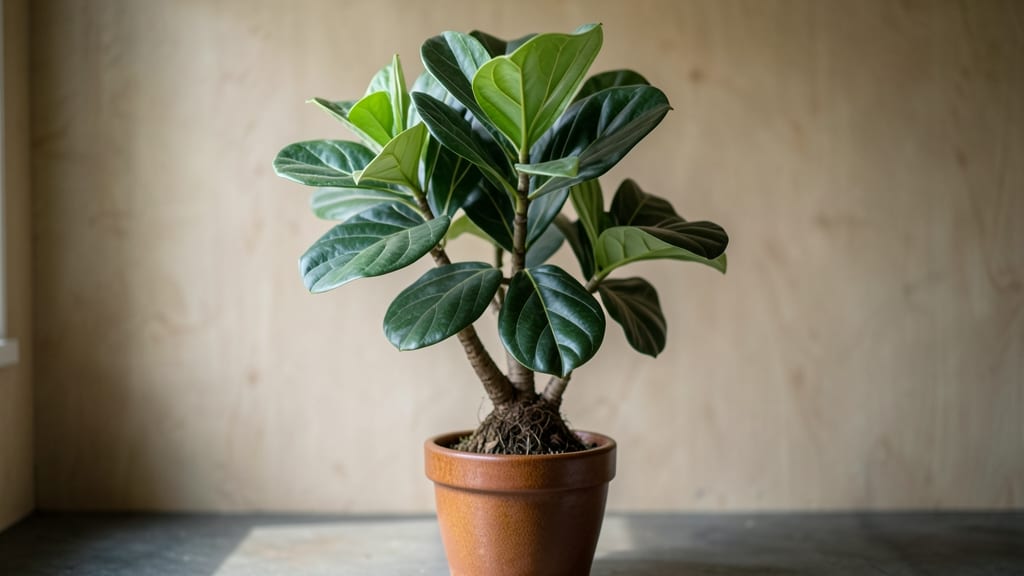
Your fiddle leaf fig’s bushy dream starts with the art of fiddle leaf fig branching—but timing and technique make all the difference. ✂️ I’ve turned leggy, single-stemmed trees into full, lush bushes by mastering the art of strategic pruning, and the secret isn’t what you think.
Most people over-prune or use the wrong tools, which stresses the plant and stunts growth. The real magic happens in the details: where you cut, when you do it, and how you prep the plant afterward.
You’ll need sharp pruning shears (sterilized with rubbing alcohol), a small container of water, and a rooting hormone or cinnamon powder—though I’ve had great luck with just water and patience.
The process takes about 20 minutes for a medium-sized plant, and the best time to prune is just as new growth begins in spring. This is when the plant is eager to branch out, and the cuts heal faster.
Avoid pruning in winter unless you’re dealing with dead or diseased branches.
After making your cuts at a 45-degree angle just above a leaf node, you’ll see new shoots emerge within 4-6 weeks, each one a potential branch.
The key is consistency: repeat the process every 6-8 weeks during growing season, and your fiddle leaf fig will transform from a single-stemmed pole into a full, rounded bush.
The first time I saw my plant fill out like this, I couldn’t believe how much more vibrant it looked—almost like a whole new plant.
This method works for fiddle leaf figs of all sizes, from tiny 6-inch plants to mature 6-foot trees.
The only rule? Don’t rush it. Some plants take a full year to fully recover and branch out, but the patience pays off in a plant that looks like it was grown in a greenhouse, not your living room. Ready to give it a try?
📚 In This Guide
- What you need
- Instructions
- Tips and common mistakes
- Wrapping up and next steps
What you need
- ● Sharp pruning shears – Bypass pruners (sterilized, 4-6" blade length) for clean cuts.
- ● Rubbing alcohol (70% or higher) – 1 small bottle (for sterilizing tools).
- ○ Rooting hormone (optional but recommended) – Gel or powder (e.g., Clonex or Rootone).
- ● Small pots (3-4") – 2-3 pots with drainage holes (for propagating cuttings).
- ● Well-draining potting mix – 1 bag (e.g., cactus/succulent mix or 50% perlite).
- ● Plastic wrap or humidity dome – 1 roll or 2-3 small domes (to retain moisture).
- ● Spray bottle – 8-12 oz (for misting cuttings).
- ○ Grow lights or bright indirect sunlight – LED grow lights (optional, if indoors).
- ● Hydrogen peroxide (3%) – 1 small bottle (for disinfecting cuts).
- ● Cinnamon powder – 1 small jar (natural antiseptic for cuts).
- ● Plant labels – 5-10 labels (to track cuttings).
- ○ Heat mat (optional) – For faster rooting in cooler climates.
How to encourage fiddle leaf fig branching for a full, bushy look
Here's how I transform leggy fiddle leaf figs into lush, multi-stemmed plants with just a few strategic cuts.
🌿 Step 1: Identify the Right Branching Points
Look for nodes—the small bumps along the stem where leaves attach. These are your branching triggers. I focus on stems with at least 3-4 mature leaves above the node, as these have enough energy to support new growth. Avoid cutting below the lowest leaves on the plant, or you risk losing foliage entirely.
Use your fingers to gently pinch the stem above a node—you'll feel a slight give where the leaf connects. This is your target spot. Healthy nodes should look firm and slightly raised, not sunken or discolored. If you see brown or mushy areas, that stem is already stressed and won't branch well.
✂️ Step 2: Make Clean, Precise Cuts at the Node
Sterilize your pruning shears with rubbing alcohol to prevent bacterial infections. I like to make my cuts at a 45-degree angle, about ¼ inch above the node. This angle prevents water from pooling on the cut, which can rot the stem. A clean cut also encourages faster healing and branching.
Don't cut too close to the node—you need at least ⅛ inch of stem to support new growth. If you cut too low, the plant may not produce new branches from that spot. After cutting, inspect the stem for any jagged edges. If you see rough spots, smooth them with a clean fingernail or sandpaper to reduce stress on the plant.
💧 Step 3: Provide Ideal Conditions for New Growth
After pruning, move your fiddle leaf fig to a spot with bright, indirect light—think 6-8 feet from a south-facing window. Direct sunlight can scorch new leaves, while too little light slows branching. You'll see new growth emerging from the node within 4-6 weeks, but only if the plant has enough energy.
Water only when the top 2 inches of soil feel dry to the touch. Overwatering stresses the plant and diverts energy away from branching. I like to use room-temperature water to avoid shocking the roots. Mist the leaves occasionally to maintain humidity, especially if your home is dry—fiddle leaf figs thrive in 40-50% humidity.
☀️ Step 4: Encourage Multiple Branches from a Single Cut
To promote multiple branches from one cut, I use a technique called "node stimulation." After making your initial cut, wait 2-3 weeks until you see a small bump forming at the node. Then, gently pinch off the very tip of the new growth—this signals the plant to send out multiple shoots instead of one strong stem.
You'll notice tiny buds forming around the node within 1-2 weeks. Keep the soil consistently moist but not soggy, and avoid fertilizing during this time. The plant needs to focus its energy on root and branch development, not leaf production. Once you see 2-3 new shoots, you can resume regular care.
⏰ Step 5: Monitor and Repeat for Fullness
Check your plant every 2 weeks for new growth. Healthy branches should be thick at the base and have a vibrant green color. If a branch looks weak or yellows, it's not getting enough light or nutrients. In this case, trim it back to encourage stronger growth from another node.
Repeat the process on other stems to create a full, bushy fiddle leaf fig. I usually prune one-third of the plant at a time to avoid overwhelming it. Over time, you'll build a dense, balanced shape. Patience is key—it can take 6-12 months to see dramatic results, but the payoff is worth it.
Tips & tricks for perfect fiddle leaf fig branching
Transforming a leggy fiddle leaf fig into a full, bushy beauty takes patience—but these insights will help you skip the trial-and-error phase.
Node Selection: I can't stress enough how critical Step 1 is—those 3-4 mature leaves above the node aren't just a suggestion. They're your plant's energy reserve for new growth. I've seen beginners cut too low and end up with bare stems. Trust me: count those leaves carefully before making any cuts.
Cutting Technique: That 45-degree angle in Step 2 isn't arbitrary—it's about water management. When you cut straight across, water pools in the center and can rot the stem. The angled cut lets excess water run off while still leaving enough stem (that crucial ⅛ inch) to support new branches. Think of it like creating a tiny roof over your cut.
Light Management: The bright, indirect light recommendation in Step 3 is non-negotiable. I've had plants in direct sun develop crispy leaf edges while others in dim corners barely budged. For indoor growers, rotate your plant every 2 weeks so all sides get even light exposure. A simple trick: place it near your kitchen window during daylight hours, then move it back to its spot when cooking.
Recovery Period: That 2-3 week wait in Step 4 before pinching new growth is where most people rush and fail. The plant needs time to establish new roots at the cut site. I've learned this the hard way—trying to pinch too soon leads to weak, spindly branches. Think of it like letting a wound heal before putting on a bandage.
Pro Tips for Fiddle Leaf Fig Branching
- Transforming a leggy fiddle leaf fig into a full, bushy beauty takes patience—but these insights will help you skip the trial-and-error phase.
- Node Selection: I can't stress enough how critical Step 1 is—those 3-4 mature leaves above the node aren't just a suggestion.
- Cutting Technique: That 45-degree angle in Step 2 isn't arbitrary—it's about water management.
Frequently asked questions
Got questions about fiddle leaf fig branching?
You’re not alone! Whether you’re a new plant parent or a seasoned grower, these common queries cover the essentials—from timing to troubleshooting. Let’s dive in!
When is the best time to prune my fiddle leaf fig for branching?
The ideal time is spring or early summer when your plant is actively growing. Avoid pruning in fall or winter, as the plant conserves energy and may struggle to heal cuts. Look for new growth () as a signal—this means it’s ready for a trim!
How do I encourage more branches after pruning?
After cutting back 6–12 inches from the top, pinch or prune just above a leaf node (the bump where leaves grow). This directs energy to lateral buds, prompting bushier growth. Pro tip: Use clean, sharp shears to avoid tearing—this reduces stress on the plant!
My fiddle leaf fig isn’t branching after pruning. What went wrong?
Common culprits include low light, overwatering, or stress. Check your plant’s environment: ensure bright, indirect light (no drafts!) and let the top 1–2 inches of soil dry between waterings. If the issue persists, fertilize lightly with a balanced formula to boost recovery.
Can I propagate the cuttings from my fiddle leaf fig?
Place 4–6 inch cuttings in water (node-side down) or moist perlite. Keep them in bright, indirect light and change the water weekly. Roots typically appear in 2–4 weeks. Bonus: Use a clear jar to track progress—it’s oddly satisfying!
How often should I prune my fiddle leaf fig for ongoing branching?
Aim for annual pruning in spring to maintain shape and encourage new growth. For dramatic changes (like fuller foliage), you can prune every 6–12 months. Listen to your plant: If it looks leggy or sparse, it’s time for a trim!
Still stumped? Snap a photo of your fiddle leaf fig and share it—sometimes a second opinion (or a quick Google Lens search) reveals the issue faster than you’d think!
Wrapping up and next steps
Mastering fiddle leaf fig branching is all about patience, precision, and a little green thumb love! 🌿 With the right tools, timing, and technique, you’ll watch your plant transform into a lush, bushy beauty. Remember: confidence comes with practice, so don’t hesitate to experiment—your fig’s growth will thank you!
Ready to take the next step? Start small—try pruning just one branch to build your skills, then gradually expand. And if you’re feeling ambitious, share your progress with fellow plant parents for tips and encouragement. Happy pruning!