
Container Gardens
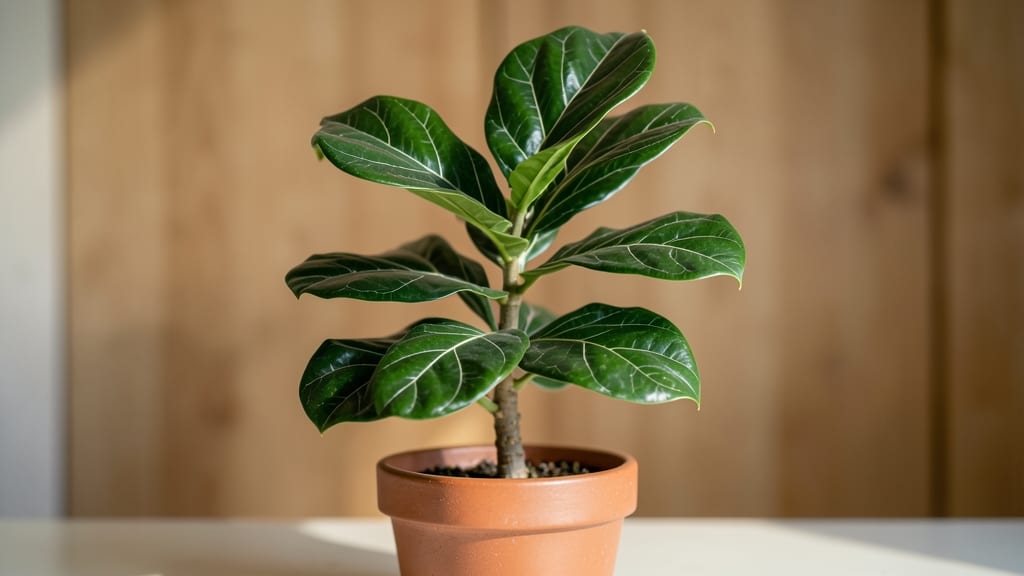
Your fiddle leaf fig will thrive indoors with the right care—bright, indirect light and letting the soil dry between waterings. 🌿 I’ve learned that fiddle leaf figs reward patience with glossy leaves and dramatic growth, but they’re surprisingly forgiving when you nail just a few basics.
The key is balancing moisture and light: too much water causes root rot, while too little leads to crispy edges. A pebble tray under the pot adds humidity without fuss, and a simple misting routine keeps those leaves velvety soft.
Most people overwater—wait until the top inch of soil feels dry before reaching for the watering can. You’ll notice new leaves emerging within weeks of adjusting care, and brown tips vanish when you tweak humidity. The plant’s natural resilience means even minor mistakes don’t mean instant death—just a slower recovery.
With these adjustments, your fiddle leaf fig will look like it’s been in a greenhouse, not a living room.
Pruning isn’t just about shaping—it’s about encouraging bushier growth. Trim back leggy stems in early spring, and you’ll trigger denser foliage by midsummer. The secret is cutting just above a leaf node, where new growth will sprout. This minimal approach keeps your plant full and vibrant without overworking it.
Common issues like leaf drop or yellowing often stem from sudden changes—like moving the plant or drafts. Keep it in a stable spot near a bright window (but not direct sun), and you’ll avoid most headaches.
Even beginners can master this with a little attention to detail and a steady routine.
📚 In This Guide
- What you need
- Instructions
- Tips and common mistakes
- Wrapping up and next steps
What you need
- ● Fiddle Leaf Fig Plant: 1 healthy specimen (ensure it’s disease-free and well-rooted).
- ● Well-Draining Potting Mix: 1 bag (1–2 cubic feet) of high-quality well-draining soil mix (e.g., 50% peat moss, 30% perlite, and 20% potting soil).
- ○ Optional: Add orchid bark or coco coir for extra aeration (10–15% of the mix).
- ● Pot: 1 terracotta or ceramic pot (12–16 inches in diameter) with drainage holes.
- ● Pot saucer or tray (to catch excess water).
- ● Pruning Tools: 1 pair of sterilized pruning shears (sharp and clean to avoid tearing leaves).
- ● 1 rubbing alcohol pad (for sterilizing tools between cuts).
- ● Watering Can: 1 with a narrow spout (to avoid overwatering).
- ○ Humidity Tray or Pebbles: 1 (optional but helpful for maintaining humidity).
- ● Grow Lights: 1–2 LED full-spectrum grow lights (if natural light is limited).
- ● Fertilizer: 1 bottle of balanced liquid fertilizer (e.g., 10-10-10, diluted to half-strength).
- ● Misting Bottle: 1 (for occasional leaf misting in dry climates).
- ● Plant Food: 1 packet of worm castings or compost (for nutrient boost).
- ● Support Stake: 1 bamboo or wooden stake (if your plant leans or grows tall).
Step-by-Step guide to reviving and caring for your fiddle leaf fig indoors
Here’s how I’ve kept my fiddle leaf fig thriving for years—with minimal fuss and maximum lushness.
🪴 Step 1: Pick the Perfect Spot for Light and Airflow
Fiddle leaf figs crave bright, indirect light—think east or west-facing windows where sunlight filters through sheer curtains. A north window works too, but you’ll notice slower growth. If your space is dim, supplement with a grow light 12-14 hours daily, keeping it 6-12 inches away to avoid leaf burn.
Airflow matters just as much as light. Place your plant 3-6 feet from vents or fans—this mimics its tropical habitat and prevents fungal issues. You’ll see the difference in glossy leaves and sturdy stems compared to a stagnant, droopy plant in a corner.
💧 Step 2: Master the Watering Routine (Less Is More)
Overwatering kills fiddle leaf figs faster than anything else. Stick your finger 1-2 inches into the soil—if it’s dry, water thoroughly until water drains from the bottom. Let excess water pool in the saucer for 10 minutes, then empty it. This prevents root rot, which shows up as yellowing leaves or mushy stems.
Watering every 7-10 days in winter and every 5-7 days in summer works for me, but adjust based on your home’s humidity. If the soil stays damp for days, cut back. Drooping leaves? It’s usually thirst, not too much water—give it a drink and watch it perk up within hours.
☀️ Step 3: Dust Leaves and Prune Strategically for Health
Use a damp microfiber cloth to wipe leaves every 2-3 weeks—dust blocks light absorption and stresses the plant. Focus on the undersides where dust collects fastest. I do this while watering to make it a quick, twice-monthly habit. You’ll notice leaves staying vibrant and green instead of dull or spotted.
Prune only when necessary: remove yellow or brown leaves at the base with clean scissors, and trim leggy stems just above a leaf node. Never cut more than 1/3 of the plant at once—this sends it into shock. Save healthy cuttings in water to propagate new plants!
✂️ Step 4: Fertilize Lightly and Rotate for Even Growth
Feed your fiddle leaf fig once a month in spring and summer with a balanced liquid fertilizer (like 10-10-10), diluted to half strength. Skip fertilizing in fall and winter—it’s dormant, and extra nutrients cause leaf burn. Always water the plant first to avoid root damage.
Rotate the pot a quarter turn weekly so all sides get equal light. You’ll see new growth sprout evenly instead of leaning toward the window. This simple step prevents lopsided, weak stems and keeps your plant bushy and full.
🌱 Step 5: Watch for Pests and Adjust Care Seasonally
Check leaves weekly for spider mites (tiny webs) or mealybugs (cottony bumps). Wipe them off with soapy water or treat with neem oil. I spot-treat first—fiddle leaf figs handle pests better when caught early. Quarantine new plants for a week to avoid spreading infestations.
In winter, reduce watering and move the plant away from heat sources like radiators. Cold drafts or sudden temperature swings (below 60°F) cause leaf drop—keep it in a stable 65-75°F range. With these tweaks, your fiddle leaf fig stays lush year-round, not just summer.
Tips & tricks for perfect fiddle leaf fig indoor care
These simple adjustments will help your fiddle leaf fig thrive indoors with minimal effort.
Lighting Strategy: If your fiddle leaf fig isn't getting enough natural light, position it within 3 feet of a south-facing window for maximum brightness. For rooms with limited windows, a full-spectrum LED grow light on a timer (set to the 12-14 hours mentioned in Step 1) works wonders. I've seen plants go from struggling to thriving in just weeks with this setup! The key is consistency—keep the light source at that 6-12 inch distance to prevent leaf burn.
Watering Test: Here's what nobody tells you—your finger isn't always the best indicator. After watering, lift the pot: if it feels significantly lighter, you've given it enough. If it's still heavy, keep watering until that 10-minute drainage period in Step 2 is complete. I learned this the hard way after watching a plant suffer from compacted soil that wouldn't dry properly.
Pruning Payoff: When you're pruning those yellow leaves in Step 3, don't throw them away! Place the cuttings in a jar of water with just the bottom inch submerged. Within 2-3 weeks, you'll have new baby fiddle leaf figs ready to pot up. This is how I've propagated five healthy plants from just one original! The secret is using clean, sharp scissors to make clean cuts at the node.
Seasonal Adjustments: In winter, when temperatures drop below 60°F, move your plant away from cold drafts and glass doors. I place mine on a plant stand near a south-facing window but keep it 3 feet from the glass to prevent cold stress. The 65-75°F range mentioned in Step 5 is ideal—think of it as your plant's cozy sweater weather.
Pro Tips for Fiddle Leaf Fig For Indoors
- These simple adjustments will help your fiddle leaf fig thrive indoors with minimal effort.
- Lighting Strategy: If your fiddle leaf fig isn't getting enough natural light, position it within 3 feet of a south-facing window for maximum brightness.
- Watering Test: Here's what nobody tells you—your finger isn't always the best indicator.
Frequently asked questions
Got questions about keeping your fiddle leaf fig thriving indoors?
You’re not alone—this stunning plant has a few quirks! Here are answers to the most common queries to help you avoid stress and keep those lush leaves happy.
How often should I water my fiddle leaf fig?
Water your fiddle leaf fig when the top 1-2 inches of soil feel dry. Overwatering is the #1 killer—stick your finger in the soil to check! In winter, reduce watering to every 3-4 weeks, as growth slows. Pro tip: Ensure the pot has drainage holes to prevent root rot.
Why are the leaves dropping?
Dropping leaves usually mean stress—check for underwatering, overwatering, drafts, or sudden temperature changes. Move your plant away from AC vents, radiators, or cold windows. If the soil is soggy, let it dry out before watering again. Good news: New leaves will grow if the roots are healthy!
What’s the ideal temperature and humidity for a fiddle leaf fig?
Keep your fiddle leaf fig in 65–75°F (18–24°C) during the day and avoid drops below 60°F (15°C). Humidity should be 40–50%—use a humidifier or place the pot on a pebble tray with water if your home is dry. Brown leaf tips? That’s a humidity red flag!
Can I prune a fiddle leaf fig, and how?
Yes! Prune in spring or summer to shape the plant or propagate cuttings. Use clean, sharp scissors to trim just above a leaf node. Wipe the cut with rubbing alcohol to prevent infection. Bonus: Propagate in water or soil for free plants!
Are there easy alternatives to fiddle leaf figs for beginners?
If fiddle leaf figs seem finicky, try these low-maintenance indoor plants: snake plant, ZZ plant, pothos, or rubber plant. They tolerate neglect better but still add drama to your space. Fiddle leaf figs are worth the effort—just follow the care tips!
Wrapping up and next steps
Caring for a fiddle leaf fig indoors is totally doable—even for beginners! 🌿 With the right balance of light, water, and occasional pruning, you’ll watch your plant thrive and add stunning greenery to your space. Remember, consistency is key, and a little patience goes a long way.
Ready to level up your indoor gardening game? Start by observing your plant’s needs and adjusting your care routine as it grows. Next, consider expanding your collection with other low-maintenance houseplants or diving deeper into pruning techniques. Your green thumb is just getting started—keep nurturing it! 🌱