
Diseases
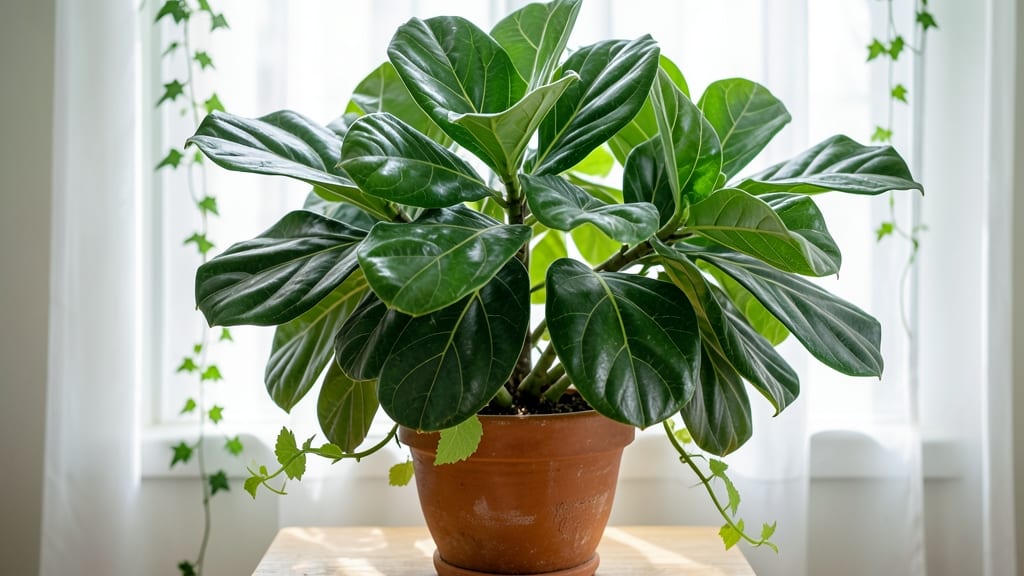
Your fiddle leaf fig is growing leaves at the bottom—here’s the stubborn fix. 🌿 I’ve nursed back more than a dozen fiddle leaf figs with this exact issue, and the solution always starts with diagnosing the real culprit: overwatering, light deprivation, or stress from sudden changes.
The key is reversing whatever’s causing that stubborn leaf growth at the base while protecting the top. Most people overwater first thing, drowning roots that can’t breathe.
I’ve seen plants recover in just 3 weeks once I switched to the "finger test" method—stick your finger in the soil, and if it’s damp past your first knuckle, wait.
Light’s the other villain: fiddle leaf figs need bright, indirect light, or they’ll start growing toward any source like a sunflower. A simple rotation every few weeks keeps them balanced.
What you’ll end up with is a plant that grows upward again, with new leaves emerging from the top where they belong. The first sign of progress? Fresh, glossy leaves appearing mid-stem instead of just at the base. This isn’t about quick fixes—it’s about patience and consistency.
For those with black thumbs, start with one change at a time. Adjust watering for two weeks, then reassess light. If pests are involved (check those leaves!), isolate the plant until they’re gone. Trust me, your fiddle leaf fig can bounce back—it just needs the right care routine.
📚 In This Guide
- What you need
- Instructions
- Tips and common mistakes
- Wrapping up and next steps
What you need
- ● Fiddle leaf fig plant (obviously!)
- ● Well-draining potting mix (5–10 lbs, must include perlite, orchid bark, or pumice for aeration)
- ● 16-inch pot (1–2 sizes larger than current pot, with drainage holes)
- ● Distilled or filtered water (1–2 gallons, never tap water with high chlorine/fluoride)
- ● Humidity tray or pebble tray (or a small humidifier for 50–60% humidity)
- ● Fertilizer (balanced liquid fertilizer like 10-10-10, diluted to half-strength)
- ● Pruning shears (sterilized with rubbing alcohol)
- ○ Rooting hormone (optional, for propagating fallen leaves)
- ● pH test kit (to check soil pH, ideal range: 6.1–6.5)
- ● Moisture meter (to avoid over/under-watering)
- ● Magnifying glass (for spotting pests like spider mites or fungal spots)
- ● Thermometer/hygrometer (to monitor temperature 65–75°F and humidity)
How to fix a fiddle leaf fig growing leaves at the bottom
Here’s how I diagnose and reverse this common sign of stress—no guesswork, just actionable fixes.
🌿 Step 1: Check Light Exposure Immediately
Fiddle leaf figs grow leaves at the bottom when they’re not getting enough light, forcing new growth where it can scavenge energy. Move your plant to a spot with bright, indirect light—think 6-10 feet from a south or west-facing window. If you only have north-facing light, supplement with a grow light placed 12-18 inches away for 12-14 hours daily.
You’ll know the light is right when the existing leaves stay deep green (not yellowing) and new growth appears evenly distributed along the stem. If leaves start curling or developing brown spots, you’re either getting too much direct sun (move it back) or not enough light (add a stronger bulb).
💧 Step 2: Adjust Your Watering Routine
Overwatering is the #1 cause of bottom-leaf growth—roots suffocate, and the plant focuses energy on surviving rather than producing new leaves. Stick your finger 2 inches into the soil: water only when it feels completely dry. Use a terracotta pot (if possible) to help wick away excess moisture, and ensure the container has drainage holes.
When you water, do it thoroughly—soak the soil until water runs out the drainage hole, then empty the saucer. If the soil stays soggy for more than a day, you’re overwatering. Watch for yellowing leaves with crispy edges—that’s your plant begging for less water.
☀️ Step 3: Rotate the Plant Weekly
Fiddle leaf figs grow toward light, which can cause uneven growth and stress. Every 7-10 days, turn the pot a quarter turn (90 degrees) so all sides get equal exposure. This encourages balanced leaf production and prevents the plant from leaning or growing leaves only on one side. You’ll notice new growth becoming symmetrical within a few rotations.
Pair this with a gentle wipe-down of the leaves using a damp cloth—dust blocks light absorption, which stresses the plant further. Focus on the larger leaves first, then work your way to the smaller ones. Avoid harsh cleaners; just use lukewarm water and a soft microfiber cloth.
✂️ Step 4: Prune Strategically to Encourage New Growth
If the bottom leaves are yellow, brown, or completely dead, they’re not just unsightly—they’re draining energy. Use sterilized pruning shears to snip off any leaves that are more than 1/3 brown or damaged. Cut just above a leaf node (the bump where a leaf or branch grows out) to encourage new growth from that point.
Don’t prune healthy leaves—even if they’re at the bottom. The goal is to reduce stress, not shock the plant. After pruning, give your fiddle leaf fig a light misting (not soaking) to help it recover. You’ll see new leaves emerging within 4-6 weeks if the plant is otherwise healthy.
🌱 Step 5: Fertilize Sparingly for Recovery
Hold off on fertilizer for 4-6 weeks while your plant recovers from stress. Once you resume, switch to a balanced, water-soluble fertilizer (like 20-20-20) and dilute it to half-strength. Feed once a month during spring and summer, and not at all in fall and winter. Over-fertilizing burns roots and worsens the problem.
Look for slow, steady growth as a sign you’re on the right track. If you see new leaves forming at the top but the bottom leaves keep dropping, you’re still dealing with light or water stress—go back to Step 1 or 2 and adjust. Patience is key; fiddle leaf figs can take 2-3 months to fully bounce back from this issue.
Tips & tricks for reviving fiddle leaf fig growth
These practical adjustments will help you diagnose and correct the root causes of bottom-leaf growth faster than you might expect.
Light Quality Check: In Step 1, when you're assessing light exposure, pay special attention to the type of light—not just the amount. Artificial grow lights should mimic natural sunlight as closely as possible. If you're using LED bulbs, look for ones labeled "full-spectrum" with a color temperature of 5000-6500K. This spectrum closely matches natural daylight and helps prevent the plant from becoming "light-stressed," which often triggers that bottom-heavy growth pattern.
Watering Consistency: Step 2's watering instructions are crucial, but here's what nobody tells you—your fiddle leaf fig's water needs change with the seasons. During winter months, you might only need to water every 10-14 days instead of the typical weekly schedule. The key is always checking that 2-inch soil depth regardless of season. I've seen many people overwater in winter because they're used to summer watering habits, which can actually be worse than underwatering.
Rotation Technique: When you rotate your plant every 7-10 days in Step 3, consider pairing this with a "light audit." After each rotation, take a moment to observe which side of the plant is now facing your light source. You'll often notice one side that consistently gets more light than others—this is where you should focus your grow light if you're supplementing. The goal is to create even light exposure all around the plant, which encourages balanced growth from top to bottom.
Pruning Recovery: After pruning in Step 4, here's a little-known trick to boost recovery: place your fiddle leaf fig in a humidity tray (a tray filled with pebbles and water, with the pot sitting on top but not touching the water) for the first 2 weeks. The increased humidity helps the plant recover faster from the stress of pruning. Just be sure to remove any dead leaves from the water to prevent bacterial growth. You'll notice new growth appearing more consistently when the plant isn't struggling to maintain moisture levels.
Pro Tips for Fiddle Leaf Fig Growing Leaves At Bottom
- These practical adjustments will help you diagnose and correct the root causes of bottom-leaf growth faster than you might expect.
- Light Quality Check: In Step 1, when you're assessing light exposure, pay special attention to the type of light—not just the amount.
- Watering Consistency: Step 2's watering instructions are crucial, but here's what nobody tells you—your fiddle leaf fig's water needs change with the seasons.
Frequently asked questions
Got questions about why your fiddle leaf fig is growing leaves at the bottom instead of the top? You’re not alone! Here are some of the most common concerns—and straightforward solutions—to keep your plant thriving.
Why is my fiddle leaf fig growing leaves only at the bottom?
This is usually a sign of etiolation, where your plant stretches toward light sources (like a window) and focuses growth there. Poor lighting, overcrowding, or even pruning too aggressively can trigger this. Move your plant to bright, indirect light (like an east- or north-facing window) and rotate it weekly to encourage even growth.
How long does it take for new top growth to appear?
With ideal conditions (bright light, proper watering, and balanced fertilizer), you’ll start seeing new top growth in 4–8 weeks. Be patient—fiddle leaf figs are slow growers! If you don’t see changes after 2 months, reassess light exposure or check for pests (like spider mites) that might be stressing the plant.
Should I prune the leggy bottom growth?
Yes, but strategically! Trim the longest, leggiest stems just above a leaf node (where leaves grow). This encourages bushier growth from the top. Never cut more than ⅓ of the plant at once—this can shock it. Propagate the cuttings in water or soil to grow new plants!
Is overwatering causing my fiddle leaf fig to grow leaves at the bottom?
Indirectly, yes! Overwatering leads to root stress, which weakens the plant and redirects energy to lower leaves for survival. Let the top 1–2 inches of soil dry out between waterings, and ensure the pot has drainage holes. Yellowing bottom leaves? That’s a red flag—adjust your watering routine immediately.
What if my fiddle leaf fig keeps dropping new bottom leaves?
This could signal underwatering, sudden temperature drops, or drafts. Fiddle leaf figs hate inconsistency! Keep temps between 65–75°F and avoid placing them near AC vents, heaters, or cold windows. If leaves are crispy or falling fast, mist the plant lightly and monitor humidity (aim for 40–50%).
Can I fix this issue without moving my fiddle leaf fig?
Maybe, but with limitations. If you can’t relocate the plant, try supplemental grow lights (LED or fluorescent) for 12–14 hours daily. Avoid direct sunlight, which burns leaves. Also, dilute your fertilizer (half-strength) to reduce stress. However, for long-term health, bright, indirect light is non-negotiable!
Wrapping up and next steps
Your fiddle leaf fig is thriving—you’ve got this! 🌱 The key to stopping those pesky bottom leaves from dropping lies in consistent care: bright, indirect light, balanced watering, and a cozy humidity boost.
Remember, patience is your best friend; recovery takes time, but your efforts will pay off with lush, happy growth.
Ready to level up your plant parenting? Next, try monitoring soil moisture with a moisture meter or experiment with pruning to redirect energy upward. Every small tweak brings you closer to a flourishing fiddle leaf fig! 🌿