
Plants
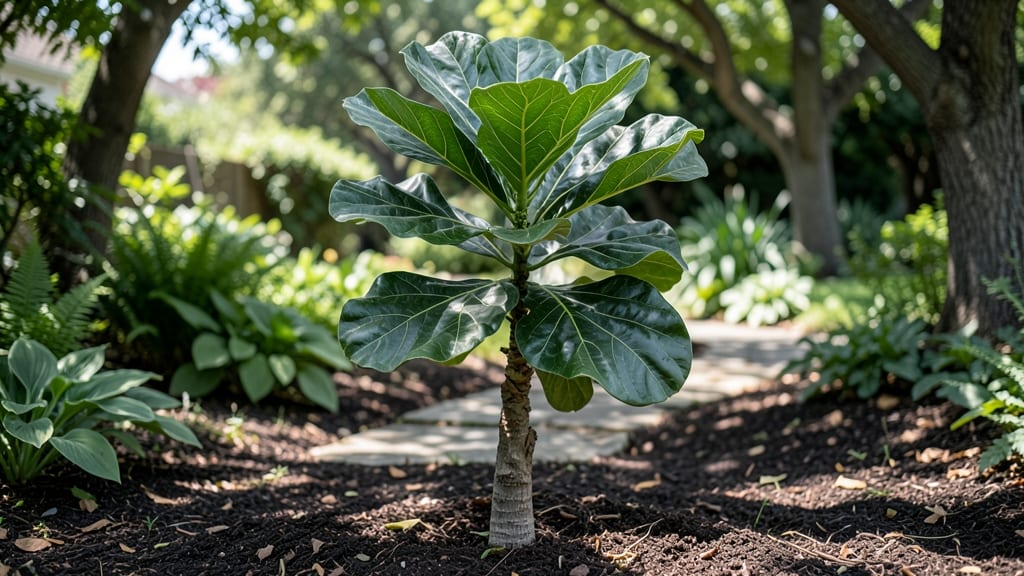
The fiddle leaf fig outdoor plant can thrive outdoors with the right care—no more struggling with indoor conditions. This tropical beauty loves sunlight but hates cold drafts, and I’ve learned exactly how to balance both for lush, year-round growth.
The key? Matching its natural habitat with smart placement, soil, and seasonal adjustments that keep it happy without constant fuss.
Start with bright, indirect light—think dappled shade or morning sun—protected from harsh afternoon rays that scorch those signature leaves. A well-draining potting mix (equal parts potting soil, perlite, and orchid bark) prevents root rot, while a windbreak keeps delicate foliage from tearing.
Humidity matters too: a pebble tray or nearby water feature mimics its rainforest roots, especially in dry climates.
By summer, you’ll see new growth shooting up, and with proper winter prep (moving indoors before frost or wrapping the pot), your plant stays vibrant all year. The trick is consistency—fiddle leaf figs reward patience with glossy, dramatic leaves that make any outdoor space feel like a jungle retreat.
Works for patios, balconies, or shaded garden corners—just avoid extreme heat or cold. Here’s how to keep it thriving through every season without the guesswork.
Root Causes Of Outdoor Struggles
Outdoor fiddle leaf figs (or Ficus lyrata) are stunning, but their health can take a hit when moved outside—even with good intentions. Understanding the why behind common issues helps you fix (and prevent!) problems before they spiral. Let’s break down the science behind the most frequent outdoor challenges.
Fiddle leaf figs thrive in consistent warmth (65–80°F / 18–27°C) and hate sudden shifts. When temperatures drop below 50°F (10°C) or spike above 90°F (32°C), the plant’s metabolic processes get thrown off balance.
- Why it happens: - Cold stress: Below 50°F, cell membranes in leaves harden, leading to browning edges or leaf drop.
Prolonged cold (under 40°F / 4°C) can cause root rot if the soil stays damp. - Heat stress: Above 90°F, enzymes in the leaves break down faster, causing wilting, crispy edges, or sunburn (yellow patches).
High UV + dry air = transpiration overload, draining moisture too quickly. - Wind exposure: Even gentle breezes dry out leaves faster, mimicking desert conditions—not ideal for tropical figs.
Actionable fix: ✔ Acclimate gradually: Move your plant outside for 2–3 hours daily, increasing time over 1–2 weeks (a process called hardening off). ✔ Avoid late afternoon sun: The hottest hours (12–4 PM) are most damaging. Use 50% shade cloth if direct sun is unavoidable. ✔ Monitor microclimates: South-facing spots heat up faster; east/west exposures are gentler.
Outdoor pots drain differently than indoor ones—rain, wind, and larger containers change the game. If your fiddle leaf fig sits in soggy soil for more than 2–3 days, roots suffocate from lack of oxygen, leading to rot.
- Why it happens:
- Compacted soil: Outdoor pots (especially terracotta) dry out faster, but heavy clay or poor mix holds moisture too long.
- Rain + no drainage holes: Without escape routes, water pools at the roots, inviting fungal infections (like Phytophthora).
- Overzealous watering: Many assume outdoor plants need more H₂O—but fiddle leaf figs still hate "wet feet."
Actionable fix: ✔ Upgrade your pot: Use fabric grow bags or pots with drainage holes + a cache pot (a tray under the pot to catch excess water). ✔ Check soil moisture: Stick your finger 2 inches deep—water only if it’s dry. Outdoor soil dries faster, so reduce watering by 30–50%. ✔ Raise the pot: Elevate it on feet or a stand to prevent waterlogging from rain.
Fiddle leaf figs despise wet leaves—rain can trigger leaf spot diseases (like Cercospora) or powdery mildew, especially in humid climates. The fungus thrives in stagnant water on foliage, clogging stomata (pores) and blocking photosynthesis.
- Why it happens: - Prolonged leaf wetness: Rain + no airflow = ideal fungus buffet.
Leaves stay damp for hours, giving pathogens time to invade. - Poor air circulation: Crowded plants or shaded spots trap moisture, increasing humidity near the foliage. - Weakened plant stress: If the fig is already struggling from nutrient deficiency or pests, it’s more susceptible to infections.
Actionable fix: ✔ Protect from overhead watering: Use a clear plastic dome (like a mini greenhouse) or move the plant under cover during rain. ✔ Shake off rainwater: Gently tap leaves after storms to remove excess moisture. ✔ Space plants 12+ inches apart: Improves airflow and reduces humidity pockets.
While fiddle leaf figs love bright, indirect light, sudden exposure to direct midday sun causes photoxidative damage—think of it as a sunburn for plants. Leaves develop bleached, crispy patches as chlorophyll breaks down.
- Why it happens:
- UV radiation spikes: Outdoor light is 30% stronger than indoor light, especially in high-altitude or tropical zones.
- Thin or variegated leaves: These are more sensitive to UV, as less pigment = less natural sunscreen.
- Sudden moves: If your fig was indoor-only, its leaves aren’t acclimated to outdoor UV levels.
Actionable fix: ✔ Use shade cloth: 30–50% shade fabric filters harsh rays while allowing light through. ✔ Rotate the pot weekly: Ensures even growth and prevents one side from getting "sunburned." ✔ Gradual sun exposure: Start with morning sun only, then slowly introduce afternoon light over 2–3 weeks.
Outdoor plants are open invitations to pests like spider mites, aphids, and scale insects. These critters thrive in warm, dry conditions and can sap your fig’s vitality in weeks.
- Why it happens:
- Lack of natural predators: Indoors, pests are rare; outdoors, they hitchhike on wind or insects.
- Dusty leaves: A film of dust blocks stomata, weakening the plant and making it more vulnerable to infestations.
- Stress = snack time: If your fig is underwatered, overwatered, or sunburned, pests see it as an easy target.
Actionable fix: ✔ Inspect weekly: Check undersides of leaves and new growth for tiny webs, sticky residue (honeydew), or tiny bugs. ✔ Blast with water: Use a hose on gentle setting to dislodge pests (do this early morning to avoid fungal growth). ✔ Neem oil spray: A natural pesticide that suffocates pests. Mix 1 tsp neem oil + 1 tsp mild soap per quart of water and spray every 5–7 days for 2 weeks.
Revive Your Outdoor Fiddle Leaf Fig
Transforming your struggling fiddle leaf fig back into a lush, vibrant plant is easier than you think! Below, we’ve mapped out practical fixes for common issues—from drooping leaves to browning edges—along with prevention tips to keep your plant thriving outdoors year-round. 🌿✨
Problem: Yellow leaves, mushy stems, or crispy brown edges? Overwatering or underwatering is the #1 culprit for fiddle leaf figs outdoors.
How to Fix It: 🔥 For Overwatering:
- Step 1: Gently remove the plant from its pot and inspect the roots. Healthy roots are firm and white; mushy or black roots mean rot. 👨🍳
- Step 2: Trim away any rotten roots with sterilized scissors. ⏰
- Step 3: Repot in fresh, well-draining soil (mix potting soil with perlite or orchid bark for aeration). 🥘
- Step 4: Water only when the top 1–2 inches of soil are dry. Stick your finger in—if it’s damp, wait!
💡 Pro Tip: Use a pot with drainage holes and a saucer (but empty it after watering to avoid soggy roots).
🌡️ For Underwatering: - Step 1: Soak the plant in a basin of room-temperature water for 15–20 minutes.
Let excess water drain completely. 📊 - Step 2: Mist the leaves lightly to restore humidity (fiddle leaf figs love it!). ✨ - Step 3: Adjust your watering schedule: outdoor plants may need more frequent watering in hot weather, but always check soil moisture first.
Prevention:
- Water deeply but less often—outdoor plants may need 1–2 times per week, depending on heat and wind.
- Group plants together to create a microclimate with higher humidity.
Problem: White or brown patches on leaves? Direct afternoon sun is frying your fiddle leaf fig.
How to Fix It:
- Step 1: Move the plant to a spot with bright, indirect light (east or north-facing is ideal). 🌿
- Step 2: If it’s already outdoors, use a light sheer curtain or shade cloth (30–50% block) for afternoon protection. 🔥
- Step 3: Trim severely damaged leaves to encourage new growth. ⏰
Prevention:
- Acclimate slowly if moving indoors/outdoors. Start with a few hours of sun per day and gradually increase.
- Avoid reflective surfaces (like glass or pavement) that magnify UV rays.
Problem: Yellowing leaves could mean your fiddle leaf fig is hungry—or hosting uninvited guests.
How to Fix It: 💪 For Nutrient Deficiency:
- Step 1: Fertilize with a balanced liquid fertilizer (10-10-10 or 20-20-20) diluted to half strength. 🥗
- Step 2: Feed every 4–6 weeks during spring and summer (skip in fall/winter).
- Step 3: Check soil pH—fiddle leaf figs prefer 6.1–6.5. Test kits are cheap and easy to use!
🐜 For Pests (Spider Mites, Mealybugs, or Scale):
- Step 1: Isolate the plant to prevent spreading. 🛑
- Step 2: Wipe leaves with a soapy water solution (1 tsp mild soap per quart of water) or use neem oil spray. 🍎
- Step 3: Repeat every 5–7 days until pests are gone.
Prevention:
- Wipe leaves monthly with a damp cloth to remove dust (blocks light absorption).
- Inspect new plants before bringing them outdoors.
Problem: Wilting or limp leaves? Your fiddle leaf fig might be root-bound or struggling with temperature shifts.
How to Fix It:
- Step 1: Check the roots. If they’re circling the pot or growing out of drainage holes, it’s time to repot into a container 1–2 inches larger. 🥘
- Step 2: Trim any tangled roots gently and refresh the soil.
- Step 3: Ensure the new pot has drainage holes and use a well-aerated mix.
For Temperature Stress:
- Step 1: Keep your fiddle leaf fig in 65–85°F ranges. Avoid drafts, AC vents, or freezing temps. ❄️
- Step 2: If moving outdoors, harden it off (gradually expose to outdoor conditions over 1–2 weeks).
Prevention:
- Repot every 2–3 years or when roots outgrow the container.
- Monitor weather changes—bring it indoors if temps drop below 50°F or exceed 90°F.
Need a fast fix? Follow this 3-step routine:
- Water deeply (if soil is dry) or let it dry out (if overwatered).
- Trim damaged leaves to redirect energy to healthy growth.
- Adjust light exposure—move to indirect sunlight if leaves are scorched.
With these solutions, your fiddle leaf fig will bounce back in no time—and with the right care, it’ll stay lush and happy outdoors all year! 🌿💚
Frequently asked questions
Can a fiddle leaf fig survive winter outdoors?
Fiddle leaf figs are tropical plants that cannot tolerate frost. If temperatures drop below 50°F (10°C), move your plant indoors or to a protected space like a garage. For mild winters (above 40°F/4°C), wrap the pot in bubble wrap and place it in a sheltered spot. Never leave it outside during freezing conditions—it will die.
How do I protect my fiddle leaf fig from strong winds?
Wind dries out leaves quickly and can damage delicate foliage. Place your plant in a sheltered spot like a porch, patio corner, or against a building wall. For extra protection, use a windbreak screen or group it with taller plants that act as natural barriers. A 5-gallon fabric grow bag also helps reduce wind exposure while allowing airflow.
Why are my fiddle leaf fig leaves turning brown at the edges?
Brown edges usually mean low humidity or underwatering. Outdoor air is often drier than indoor environments, so increase humidity with a pebble tray or mist leaves 2-3 times weekly. Check soil moisture too—water when the top 1-2 inches are dry. If the issue persists, move to a shadier spot to reduce moisture loss.
Can I grow a fiddle leaf fig in a hanging basket outdoors?
Yes, but with precautions! Choose a lightweight, well-draining basket with drainage holes. Place it in bright, indirect light and water more frequently since hanging pots dry out faster. For extra stability, use a heavy base or stand. Avoid full sun—leaves will scorch. In winter, bring it indoors before temperatures drop below 50°F (10°C).
How often should I fertilize my outdoor fiddle leaf fig?
Feed your fiddle leaf fig with a balanced liquid fertilizer (10-10-10) every 4-6 weeks during spring and summer. Dilute to half strength to avoid burning roots. Skip fertilization in fall and winter when growth slows. Always water before and after applying fertilizer to prevent root damage. Organic options like fish emulsion work well too!