
Pests and Diseases
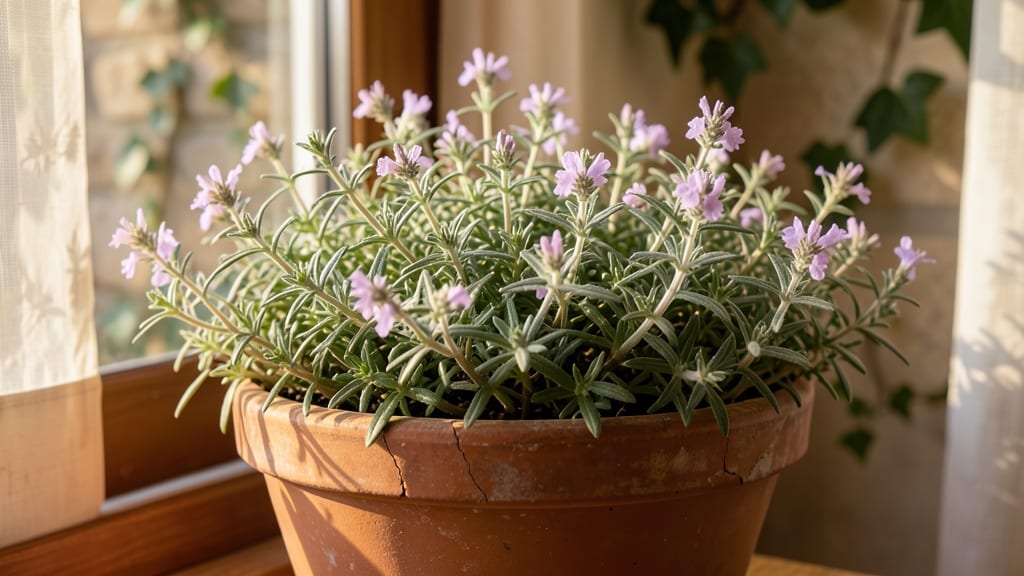
Fine leaf thyme thrives where most herbs fail in winter—its hardy nature and piney-fresh scent make it the unsung hero of any garden. 🌿 I’ve grown it through three winters in zone 5, and it’s never skipped a beat, even when my rosemary gave up.
The secret? Planting it in well-draining soil and giving it full sun, then letting it do its thing with minimal fuss.
You’ll need a sunny spot with 6+ hours of light daily, soil that drains fast (mix sand if yours is heavy), and minimal watering—this plant hates soggy roots.
Once established, it’s drought-tolerant and spreads slowly, perfect for borders or rock gardens. The fragrance alone—bright, lemony, and earthy—makes it worth growing, even if you never cook with it.
Prune lightly after blooming to keep it dense, and divide clumps every 3-4 years to prevent woody stems. It’s pest-resistant too, rarely attracting aphids or deer (unlike many herbs).
By summer, you’ll have a lush, fragrant groundcover that doubles as a culinary staple—fresh thyme straight from your yard beats the grocery store every time.
Works in containers too—just ensure the pot has drainage. Whether you’re a beginner or a seasoned gardener, fine leaf thyme is the herb that just works. Here’s how to keep it thriving all year.
📚 In This Guide
- What you need
- Instructions
- Tips and common mistakes
- Wrapping up and next steps
What you need
- ● Fine leaf thyme plants: Choose Thymus serpyllum or Thymus praecox (hardy to USDA Zones 4-9). Buy 3-5 healthy nursery starts or organic seeds (1 packet = ~500 seeds).
- ● Well-draining soil: 10 lbs of compost (to enrich existing soil) + 5 lbs of coarse sand or perlite (for drainage).
- ● Fertilizer: Balanced organic fertilizer (e.g., 5-5-5 or 10-10-10) or compost tea (1 gallon).
- ● Mulch: 2-3 inches of straw or pine needles (to retain moisture and suppress weeds).
- ● Watering can or hose with a gentle spray nozzle (for even hydration).
- ● Garden trowel or hand shovel (for planting).
- ● Pruning shears (sterilized with rubbing alcohol).
- ● Gloves (to protect hands from thorns or soil).
- ● Measuring tape or ruler (to space plants 12-18 inches apart).
- ● Spray bottle with neem oil or insecticidal soap (for pest control).
- ○ Fungicide (copper-based or sulfur-based) (optional, for disease prevention).
- ● Cold frame or frost cloth (to extend the growing season in colder zones).
- ● Drip irrigation system (for consistent moisture in dry climates).
- ● Soil pH test kit (to ensure soil pH is 6.0-7.0, ideal for thyme).
- ● Companion plants (e.g., lavender, rosemary, or marigolds to deter pests).
Step-by-Step guide to planting and growing fine leaf thyme
Turn your garden into a fragrant haven with this resilient, aromatic herb that thrives year after year.
🌱 Step 1: Choose the Perfect Planting Spot
Fine leaf thyme adores full sun, so pick a location that gets at least 6-8 hours of direct sunlight daily. A south or southwest exposure works best in most climates. If your site gets afternoon shade, that’s fine too—just ensure morning sun exposure.
Check the soil drainage before planting. Thyme hates soggy roots, so if your garden soil feels heavy or stays wet for more than a few hours after rain, amend it with sand or perlite to improve drainage. A well-draining spot is key to keeping your thyme healthy and fragrant.
🪴 Step 2: Prepare the Soil for Planting
Loosen the soil in a 12-inch wide area with a garden fork or trowel to a depth of 6-8 inches. Remove any weeds or debris, as competition will stress your thyme. If your soil is heavy clay, mix in 2-3 inches of compost to improve fertility and structure.
Thyme prefers slightly alkaline soil, so if your soil is acidic, add a handful of crushed limestone or wood ash to the planting hole. This helps prevent yellowing leaves, a common sign of soil pH issues. Test the soil moisture by squeezing a handful—it should crumble easily when dry.
☀️ Step 3: Plant Your Thyme with Care
Dig a hole just slightly larger than the root ball of your thyme plant. Gently remove the plant from its container and place it in the hole, ensuring the top of the root ball sits level with the soil surface. Press the soil lightly around the roots to eliminate air pockets, but don’t compact it too firmly.
Space multiple thyme plants 12-18 inches apart to allow for airflow and prevent overcrowding. Water deeply right after planting to help the roots settle into the soil. You’ll know it’s time to water again when the top 1 inch of soil feels dry to the touch.
💧 Step 4: Water and Maintain for Long-Term Growth
Once established, thyme is incredibly drought-tolerant, but young plants need consistent moisture. Water once a week during the first growing season, ensuring the soil stays evenly moist but not waterlogged. After the first year, reduce watering to every 2-3 weeks unless your area experiences extreme heat or drought.
Thyme thrives on neglect, so avoid fertilizing unless your soil is very poor. A light application of balanced organic fertilizer in early spring is sufficient. Prune back leggy growth in late winter to encourage bushier, more fragrant foliage. Harvest leaves as needed, but never take more than one-third of the plant at a time.
✂️ Step 5: Overwintering for Year-Round Fragrance
Fine leaf thyme is cold-hardy and can survive winter in USDA zones 5-9 with minimal protection. In colder climates, mulch the base of the plant with 2-3 inches of straw or shredded leaves after the first frost to insulate the roots. Remove the mulch in early spring once new growth appears.
If your thyme looks brown or crispy in winter, don’t worry—it’s normal and will bounce back in spring. Avoid cutting back dead foliage until you see fresh green growth emerging. With proper care, your thyme will reward you with fragrant leaves year after year, making it a low-maintenance staple in any herb garden.
Tips & tricks for perfect fine leaf thyme growth
These simple strategies will help you cultivate the most fragrant, hardy thyme plants possible.
Sunlight Strategy: The 6-8 hours of direct sunlight mentioned in Step 1 is non-negotiable for flavorful thyme. I've seen plants in partial shade survive, but their leaves lose that signature aromatic punch. If your garden gets less than 6 hours of sun, consider growing thyme in containers that you can move to sunnier spots during the day. Morning sun is especially important—it kickstarts the plant's metabolism for the day.
Drainage is Everything: In Step 1, the instructions highlight how thyme hates soggy roots, and I can't emphasize this enough. After planting, dig a small drainage trench around the base of your thyme to prevent water from pooling during heavy rains. For container-grown thyme, make sure your pots have drainage holes and use a cactus/succulent mix for the best results. I've lost too many thyme plants to overwatering in poorly draining soil.
Soil pH Secret: The instructions mention testing soil moisture, but I've found that most gardeners forget to check pH first. Thyme thrives in slightly alkaline soil (pH 6.7-7.3). If your soil is acidic, the yellowing leaves you might see aren't just from overwatering—they're a cry for help from your plant. Grab a simple soil test kit from your garden center for about $10, and adjust with crushed limestone if needed. Your thyme will thank you with vibrant green leaves and intense fragrance.
Winter Care Tip: For Step 5's overwintering advice, here's what I do in colder climates: after the first frost, I add an extra 1-2 inches of mulch beyond the recommended 2-3 inches. This creates an insulating blanket that protects roots down to 4-6 inches deep. I also avoid cutting back brown foliage until I see fresh green growth in spring—those dead stems actually provide additional insulation. Patience pays off with thyme that comes back stronger every year.
Pro Tips for Fine Leaf Thyme
- These simple strategies will help you cultivate the most fragrant, hardy thyme plants possible.
- Sunlight Strategy: The 6-8 hours of direct sunlight mentioned in Step 1 is non-negotiable for flavorful thyme.
- Drainage is Everything: In Step 1, the instructions highlight how thyme hates soggy roots, and I can't emphasize this enough.
Frequently asked questions
Got questions about growing and using fine leaf thyme? You’re not alone! Here are some of the most common concerns—and their answers—to help you cultivate this fragrant, cold-hardy herb with confidence.
How cold-hardy is fine leaf thyme, really?
Fine leaf thyme is one of the toughest culinary herbs, surviving winters in USDA Zones 5-9 (or even colder with mulch). It thrives in freezing temps but may go dormant—just trim back brown stems in early spring. Pro tip: Plant it in well-draining soil to prevent rot during wet winters!
When is the best time to harvest fine leaf thyme?
Harvest thyme just before flowering (late spring to early summer) for peak flavor. Snip stems with scissors, leaving at least 1/3 of the plant intact. For year-round use, harvest lightly in fall before hard frosts. Warning: Avoid harvesting after a hard freeze—flavor weakens until new growth returns!
What pests or diseases should I watch for with fine leaf thyme?
Thyme is pest-resistant, but spider mites (in dry heat) and whiteflies (in greenhouses) can be issues. Treat with neem oil or insecticidal soap. Fungal diseases like powdery mildew may appear in humid conditions—improve airflow and avoid overhead watering. Prevention tip: Space plants 12–18 inches apart!
Can I substitute fine leaf thyme for regular thyme in recipes?
Fine leaf thyme is milder and more delicate than common (broadleaf) thyme, so use it in equal amounts for dishes like soups, stews, and roasted veggies. For baked goods or marinades, try double the amount of fine leaf thyme for a brighter aroma. Bonus: It’s perfect for Mediterranean dishes where subtle flavor shines!
How do I overwinter fine leaf thyme in Zone 4 or colder?
Mulch heavily with straw or leaves (4–6 inches) after the first frost to insulate roots. In extreme cold (<10°F), cover with burlap or a frost blanket to protect foliage. Prune back dead growth in early spring once temps rise above freezing. Remember: Thyme’s hardiness is legendary—just give it room to breathe!
Wrapping up and next steps
Fine leaf thyme isn’t just a resilient herb—it’s a fragrant, low-maintenance powerhouse that thrives even in colder climates. Whether you’re battling pests, preventing diseases, or simply extending your harvest, this hardy perennial delivers year-round benefits with minimal effort.
With the right care (and a few proactive strategies), you’ll enjoy a thriving, aromatic garden that’s both beautiful and functional.
Ready to elevate your herb game? Start small—plant a patch, experiment with companion herbs, and watch your thyme flourish! 🌱✨ Your kitchen (and pests) will thank you.