
Plants
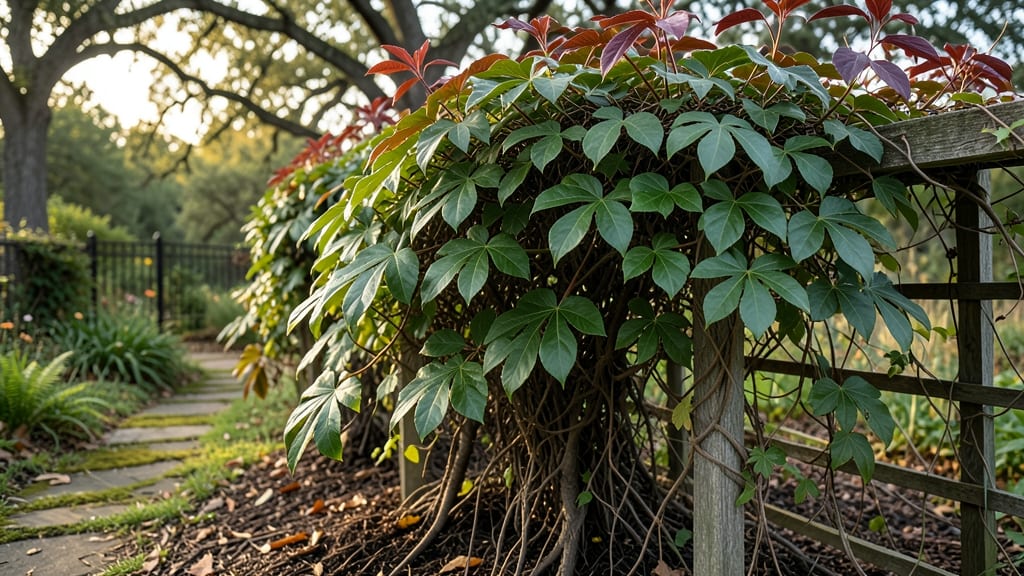
Growing a five-leaf climbing vine like Virginia creeper is like unlocking a living green wall in just one season. 🌿 These fast-growing perennials transform bare walls, fences, or trellises into vibrant vertical gardens with minimal effort—once established, they thrive with almost no maintenance.
The secret lies in their adaptability: they handle partial shade, rocky soil, and even urban pollution better than most vines. Plant in early spring or fall, give them a sturdy support structure, and watch them climb 10-15 feet in a single growing season.
My first attempt covered a chain-link fence in under three months! You'll love how they turn dull spaces into lush backdrops for patios, play areas, or even balcony gardens. The autumn foliage turns fiery red—though be warned, the berries attract birds, so plan accordingly.
Perfect for both beginner gardeners and those looking to add drama without high maintenance.
Start with healthy nursery plants or root cuttings in well-draining soil. Water deeply after planting and keep the soil moist for the first month, but after that, they're drought-tolerant. Mulch helps retain moisture and suppresses weeds—critical for those early growth spurts when roots establish.
Prune in late winter to shape the vine and remove dead growth. The key is to redirect energy upward by cutting back any lateral branches that grow too horizontally. This keeps the climbing momentum strong and prevents the plant from becoming too bushy at the base.
For indoor cultivation, choose a large container with drainage and place near a bright window. These vines adapt well to indoor spaces but need consistent humidity—mist occasionally or use a pebble tray. Just remember, they're aggressive growers, so regular pruning is essential to keep them manageable indoors.
The real magic happens when you let them grow wild—imagine a 15-foot-tall green curtain of leaves by summer's end. With proper care, your five-leaf vine will outlast you, creating a living legacy that's both beautiful and functional. Ready to transform your space?
📚 In This Guide
- What you need
- Instructions
- Tips and common mistakes
- Wrapping up and next steps
What you need
- ● Five-leaf climbing vine: 1–3 healthy nursery-grown plants (3–5 ft tall for faster results)
- ● OR seeds (if starting from scratch—germination takes 14–30 days)
- ● Support structure: Trellis, arbor, fence, or pergola (6–10 ft tall, sturdy enough to hold 20+ lbs of foliage)
- ○ Optional: Twine or soft ties (for guiding vines in early stages)
- ● Soil & amendments: Well-draining potting mix or garden soil (pH 5.0–7.0)
- ● Compost or aged manure (1–2 gallons per plant for nutrient boost)
- ○ Optional: Slow-release fertilizer (10-10-10 NPK ratio, 1 lb per plant)
- ● Tools: Trowel or shovel (for digging)
- ● Garden gloves (to protect hands from thorns)
- ● Watering can or hose with gentle spray nozzle
- ○ Optional: Pruning shears (for shaping after growth)
- ● Sunlight: Partial shade to full sun (4–6 hours of light daily). Avoid harsh afternoon sun in hot climates.
- ● Water: Consistent moisture (1–1.5 gallons per week) during the first growing season. Drought-tolerant once established!
- ● Climate: Hardy in USDA Zones 3–9. Protect young plants from frost with mulch or burlap in colder zones.
- ● Space: Minimum 3 ft of vertical clearance and 3–5 ft of ground space for roots to spread.
Step-by-Step guide to growing a five-leaf climbing vine
This hardy perennial climbs fast and thrives in vertical spaces—here's how to get it growing strong.
🌱 Step 1: Choose the Right Location and Prepare the Soil
Pick a spot with at least 6 hours of direct sunlight daily—this vine loves warmth and grows most vigorously in full sun. If your space is shady, expect slower growth and fewer leaves. I always test the soil first by squeezing a handful—if it crumbles easily, it's ready. If it stays compact, mix in 2-3 inches of compost to loosen it up.
This vine tolerates a range of soil types but thrives in well-draining, slightly acidic soil with a pH between 6.0 and 7.0. If your soil is heavy clay, amend it with organic matter like leaf mold or aged manure. The key is to avoid soggy conditions—this plant hates "wet feet" and will struggle if water pools around the roots.
☀️ Step 2: Plant at the Right Time and Depth
Plant in early spring after the last frost or in early fall to give roots time to establish before extreme heat or cold. Dig a hole twice as wide as the root ball but only as deep as the container it came in. Planting too deep can suffocate the roots, while too shallow leaves them exposed to temperature swings.
Gently remove the vine from its container and loosen any circling roots with your fingers. Place it in the hole so the top of the root ball sits 1 inch below soil level. Backfill with native soil, pressing lightly to remove air pockets. Water deeply right after planting to settle the soil and encourage root contact.
🪴 Step 3: Provide Support and Water Consistently
Install a sturdy trellis, arbor, or fence within 12 inches of the planting site before the vine begins climbing. This vine grows aggressively—up to 20 feet per season—so choose support that can handle the weight. I use metal or wooden trellises because they last longer than plastic and won't warp under the vine's weight.
Water deeply once a week during the first growing season, aiming for 1-1.5 inches of water per week. Check soil moisture by sticking your finger 2 inches deep—if it feels dry, water again. Mulch around the base with 2-3 inches of organic mulch to retain moisture and keep roots cool. Avoid overhead watering once the plant is established—it encourages fungal diseases.
✂️ Step 4: Prune for Health and Encourage Bushier Growth
Prune in early spring before new growth begins to shape the vine and remove any dead or damaged stems. Cut back any leggy growth by one-third to encourage bushier, fuller growth. I also remove any suckers that grow at the base—these drain energy from the main plant without contributing much to the vertical display.
Throughout the growing season, trim back any stems that have finished flowering to redirect the plant's energy into new growth. You'll know it's time to prune when you see clusters of spent blooms—these can weigh down the vine and make it look ragged. Always use clean, sharp pruners to avoid tearing the stems and inviting disease.
🌿 Step 5: Maintain Through Seasons for Long-Term Growth
In fall, cut back the vine by half to prepare it for winter. This helps prevent wind damage and reduces the risk of disease over the dormant season. Leave the trellis in place—it provides structure for new growth in spring and protects the plant from harsh winds.
Fertilize lightly in early spring with a balanced, slow-release fertilizer (10-10-10 ratio) to support new growth. Avoid heavy feeding—this vine grows fast but doesn't need excessive nutrients. Watch for signs of over-fertilization, like yellow leaves or excessive leaf growth with few flowers. Adjust your feeding schedule if you see these signs.
Tips & tricks for perfect five-leaf climbing vine growth
Real talk: This vine grows fast when you get the basics right. Here's what nobody tells you about making it thrive.
Sunlight Secret: That "at least 6 hours of direct sunlight" in Step 1 is non-negotiable for maximum growth. I've seen vines in partial shade grow, but they'll be leggy and sparse. If your space only gets 4-5 hours, consider a south-facing wall or use reflective surfaces like white walls to bounce extra light onto the plant. The leaves will be noticeably greener and fuller when they get their full sun dose.
Soil Test Tip: Before amending your soil, do this quick test: Grab a handful and squeeze it. If it holds its shape when you let go, it's too compact. If it crumbles immediately, you're good. For the 2-3 inches of compost recommendation, I use a mix of well-rotted compost and perlite to improve drainage—this vine absolutely hates soggy roots. Think "moist but not wet" when checking soil after watering.
Planting Depth Hack: That 1-inch below soil level in Step 2 might seem small, but it makes all the difference. Too deep and roots suffocate; too shallow and they dry out. I mark the root ball with a pencil before planting to ensure I get it just right. Also, avoid disturbing the roots more than necessary—this vine establishes quickly when left intact.
Watering Wisdom: The 1-1.5 inches of water per week in Step 3 is a guideline, not a rule. Check soil moisture at 2 inches deep—if it feels dry, water. I've learned the hard way that overhead watering encourages fungal diseases, so I use a soaker hose for established plants. Mulching with 2-3 inches of organic matter keeps moisture consistent and reduces evaporation.
Pro Tips for Five Leaf Climbing Vine
- Real talk: This vine grows fast when you get the basics right. Here's what nobody tells you about making it thrive.
- Sunlight Secret: That "at least 6 hours of direct sunlight" in Step 1 is non-negotiable for maximum growth.
- Soil Test Tip: Before amending your soil, do this quick test: Grab a handful and squeeze it.
Frequently asked questions
Got questions about the five leaf climbing vine? You’re not alone!
Here are some of the most common queries—and their answers—to help you grow this stunning perennial with confidence.
How fast does the five leaf climbing vine grow?
The five leaf climbing vine (Parthenocissus quinquefolia) is a fast grower, typically adding 10–20 feet per year under ideal conditions. With proper support (like trellises or fences), it can quickly transform bare walls or pergolas into lush green backdrops. Pro tip: Prune in late winter to encourage bushier, denser growth!
Is this vine suitable for all climates?
This hardy vine thrives in USDA Zones 3–9, making it versatile for most U.S. regions. It handles cold winters (down to -30°F) and hot summers, but avoid planting in areas with extreme drought or frequent high winds, which can stress young vines.
Can I grow the five leaf climbing vine in containers?
Yes! While it’s often planted in the ground, you can grow it in large containers (at least 15–20 gallons) for patios or balconies. Use well-draining soil and a support structure (like a trellis or cage). Remember: Container-grown vines may need more frequent watering and winter protection in colder zones.
What pests or diseases should I watch for?
This vine is generally low-maintenance, but keep an eye out for:
- Aphids or spider mites: Spray with water or use insecticidal soap if infested.
- Powdery mildew: Improve airflow and avoid overhead watering.
- Root rot: Ensure proper drainage to prevent soggy soil.
What’s a good alternative if I don’t want a deciduous vine?
If you prefer evergreen coverage, consider:
- Ivy (Hedera helix): Hardy and fast-growing, but invasive in some areas.
- Star jasmine (Trachelospermum jasminoides): Fragrant and evergreen (but slower-growing).
- Climbing hydrangea (Hydrangea petiolaris): Stunning foliage and flowers, but needs acidic soil.
Wrapping up and next steps
The five leaf climbing vine is a stunning, low-maintenance addition to any vertical garden, offering vibrant foliage and fast growth with minimal effort.
Whether you’re a seasoned gardener or just starting out, its resilience and adaptability make it a dream plant for adding lush greenery to walls, trellises, or fences. 🌿
Ready to transform your space? Start by selecting the perfect spot, gathering your supplies, and giving this hardy vine the care it deserves. Your green oasis is just a few steps away—happy planting! 🌱