
Planting
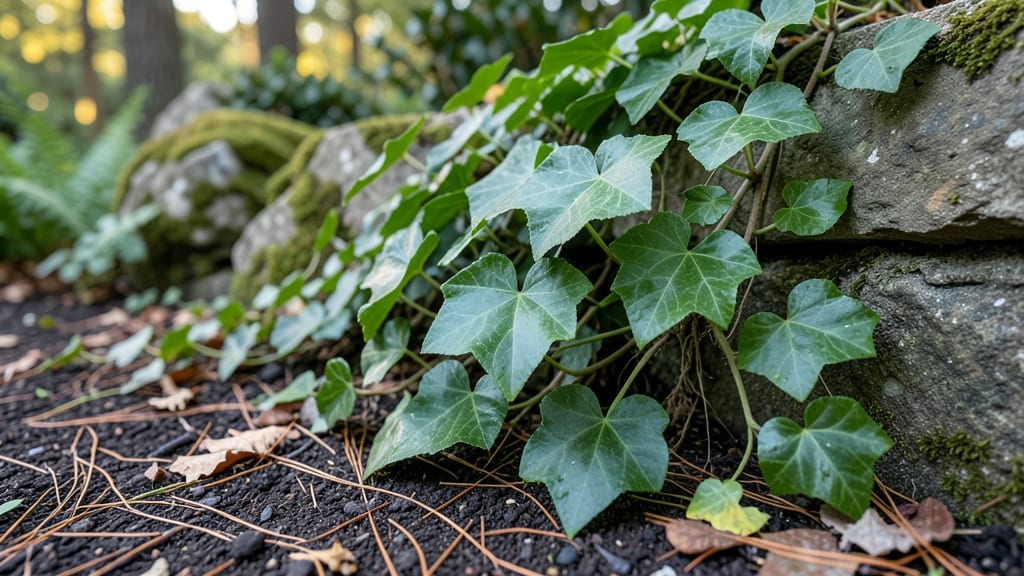
Five-leaf ivy thrives where most plants fail—it’s the ultimate low-maintenance green machine that stays lush even when you forget to water it. 🌿 I’ve kept mine alive for years by treating it like the resilient survivor it is: bright indirect light, occasional pruning, and a complete lack of fuss.
The secret to its success is adaptability—it grows as a trailing houseplant, a climbing wall covering, or even outdoors in shady spots. My 3-foot hanging basket version produces new growth every few weeks with just a little water and a sunny windowsill.
You’ll end up with glossy, deep-green leaves that bounce back from neglect, plus the satisfaction of a plant that actually forgives your busy schedule. The best part? It multiplies effortlessly through simple cuttings, so you’ll soon have ivy to share with friends.
Works indoors, outdoors, or even in offices—just avoid direct sun and it’ll reward you with year-round greenery that never looks tired.
📚 In This Guide
- What you need
- Instructions
- Tips and common mistakes
- Wrapping up and next steps
What you need
- ● Five-leaf ivy plant (1-2 plants, depending on your space and goals)
- ● Well-draining potting mix (1-2 bags, 10-15 liters each): 50% peat-based or coco coir mix
- ● 30% perlite or pumice (for aeration)
- ● 20% compost or worm castings (for nutrients)
- ● Pot or container (1-2 units): Drainage holes required
- ● Size: 6-12 inches in diameter (adjust based on plant size)
- ● Material: Terracotta (breathable) or plastic (retains moisture)
- ● Watering can (1, with a narrow spout for precision)
- ● Pruning shears (1, sterilized with rubbing alcohol)
- ● Gloves (1 pair, to protect from soil and sap)
- ● Misting bottle (1, for humidity control in dry climates)
- ○ Fertilizer (optional): Balanced liquid fertilizer (e.g., 10-10-10, diluted to half-strength)
- ● Slow-release granules (sprinkle 1-2 tbsp per pot, 2-3 times a year)
- ○ Support structure (optional, for trailing varieties): Trellis, moss pole, or hanging basket
- ○ Grow lights (optional, for low-light areas): LED grow bulb (5000-6500K color temperature)
How to grow a thriving five-leaf ivy plant
This hardy vine needs almost no effort to stay lush—here’s how to keep it happy all year.
🪴 Step 1: Choose the Right Container and Soil
Five-leaf ivy thrives in 6-8 inch pots with drainage holes—plastic or terracotta both work. I use a mix of 50% potting soil and 50% perlite or orchid bark to keep roots aerated. This prevents soggy soil, which causes root rot faster than you’d think.
Fill the pot to 1 inch below the rim and press lightly to settle. The soil should feel like a damp sponge—squeeze it gently and it should hold shape but not drip. Too much packing makes water pool at the bottom, and five-leaf ivy hates wet feet.
☀️ Step 2: Position for Bright, Indirect Light
Place your ivy near a window with bright, indirect light—east or north-facing is ideal. Direct sun scorches the leaves, turning them yellow or brown. You’ll know it’s getting too much light when the leaves start crisping at the edges.
If your space is low-light, don’t worry—five-leaf ivy tolerates moderate to low light better than most vines. Watch for leggy growth (long, sparse stems) as a sign it needs slightly more brightness. Rotate the pot quarter-turn weekly so the plant grows evenly toward the light.
💧 Step 3: Water When the Top Inch Feels Dry
Water only when the top inch of soil is dry—stick your finger in to check. Overwatering is the #1 killer of five-leaf ivy, so let the soil dry out between waterings. When you water, do it thoroughly until water runs out the drainage holes.
In winter, reduce watering to every 2-3 weeks—the plant slows growth in cooler months. Yellowing leaves often mean overwatering, but brown, crispy edges mean underwatering. Adjust based on what you see.
🌿 Step 4: Prune and Encourage Bushy Growth
Pinch back the tips of new growth when stems reach 6 inches long to encourage bushier, fuller vines. Use clean scissors or fingers to snip just above a leaf node. This prevents leggy, sparse growth and keeps the plant compact.
If your ivy gets too long, trim back to half its length—it recovers quickly. Deadhead any brown or yellow leaves immediately to keep the plant looking fresh. A little pruning every few months keeps it lush and manageable.
✂️ Step 5: Propagate for Free Plants
Five-leaf ivy spreads easily from stem cuttings. Snip a 4-6 inch section with at least two leaf nodes and place it in water. Roots form in 2-3 weeks—you’ll see tiny white bumps at the nodes.
Once rooted, transplant into soil. This is how I’ve filled shelves with ivy without spending a dime. Propagate in spring or summer for the best success—roots grow faster in warmer months.
Tips & tricks for perfect five-leaf ivy care
Confession: I killed my first five-leaf ivy plant by overwatering—turns out, this plant is tougher than I gave it credit for. Here’s what I learned the hard way to keep yours thriving with almost no effort.
Soil Mix Matters: That 50-50 blend of potting soil and perlite isn’t just a suggestion—it’s non-negotiable for this plant. The perlite creates tiny air pockets that prevent soggy roots, which is why I’ve never had root rot since switching to this mix. If you’re short on perlite, orchid bark works just as well for aeration.
Light Positioning Payoff: The quarter-turn weekly rotation in Step 2 isn’t just about looks—it ensures your ivy grows evenly toward the light source. I notice the most balanced growth when my plants get consistent east-facing light, but they’ll survive in north-facing spots too. If you see stems leaning dramatically, it’s begging for more even exposure.
Pruning Pro Tip: When you pinch back those 6-inch stems in Step 4, you’re not just shaping the plant—you’re encouraging it to branch out. I like to do this every 2-3 months, and within weeks, you’ll see bushier growth. Pro move: Use clean scissors to avoid spreading disease, and always snip just above a leaf node where new growth will emerge.
Propagation Hack: Those 4-6 inch cuttings in Step 5 will root faster if you use room-temperature water—not straight from the tap. I’ve found that placing the cuttings in indirect light while rooting speeds up the process from 2-3 weeks to about 10-14 days. Just be patient—roots will form at the nodes, and you’ll see tiny white bumps before they grow.
Pro Tips for Five Leaf Ivy Plant
- Confession: I killed my first five-leaf ivy plant by overwatering—turns out, this plant is tougher than I gave it credit for.
- Soil Mix Matters: That 50-50 blend of potting soil and perlite isn’t just a suggestion—it’s non-negotiable for this plant.
- Light Positioning Payoff: The quarter-turn weekly rotation in Step 2 isn’t just about looks—it ensures your ivy grows evenly toward the light source.
Frequently asked questions
How often should I water my five-leaf ivy?
Water your five-leaf ivy only when the top 1–2 inches of soil feel dry. Overwatering is the #1 killer—stick to every 1–2 weeks (adjust for humidity/climate). Pro tip: Let excess water drain completely to avoid root rot.
Can five-leaf ivy grow in low light?
Yes! This plant thrives in low to bright indirect light, making it perfect for offices or north-facing windows. Avoid harsh direct sun—leaves may scorch. Variegated varieties need slightly more light to maintain their color.
Why are my five-leaf ivy leaves turning yellow?
Yellow leaves usually signal overwatering or poor drainage. Check soil moisture and ensure pots have drainage holes. Brown tips? Dry air or fluoride in tap water (use filtered water if needed). Trim affected leaves to encourage new growth.
Is five-leaf ivy toxic to pets?
Yes, it’s toxic to cats and dogs if ingested. Symptoms include vomiting or drooling. Keep it out of paw’s reach or opt for pet-safe alternatives like parlor palm or spider plant.
How do I prune five-leaf ivy for bushier growth?
Pinch back leggy stems or trim just above a leaf node to encourage branching. Prune in spring for best results. Use clean scissors and remove yellow/damaged leaves to keep your plant healthy and full.
What’s the ideal temperature for five-leaf ivy?
Keep it cozy in 60–75°F (15–24°C). Avoid drafts (AC vents, doors) or sudden temperature swings—it’s sensitive to cold drafts. A sunny windowsill or warm room works perfectly!
Wrapping up and next steps
The five-leaf ivy plant is your perfect low-maintenance companion—thriving with minimal care while adding life and texture to any space! 🌿 Whether you're a seasoned plant parent or a beginner, its resilience and adaptability make it a rewarding choice. Ready to bring home a touch of nature?
Your next step? Visit your local nursery or order online to pick out your own five-leaf ivy plant. With these tips, you’ll be enjoying its lush, year-round beauty in no time!