
Plants
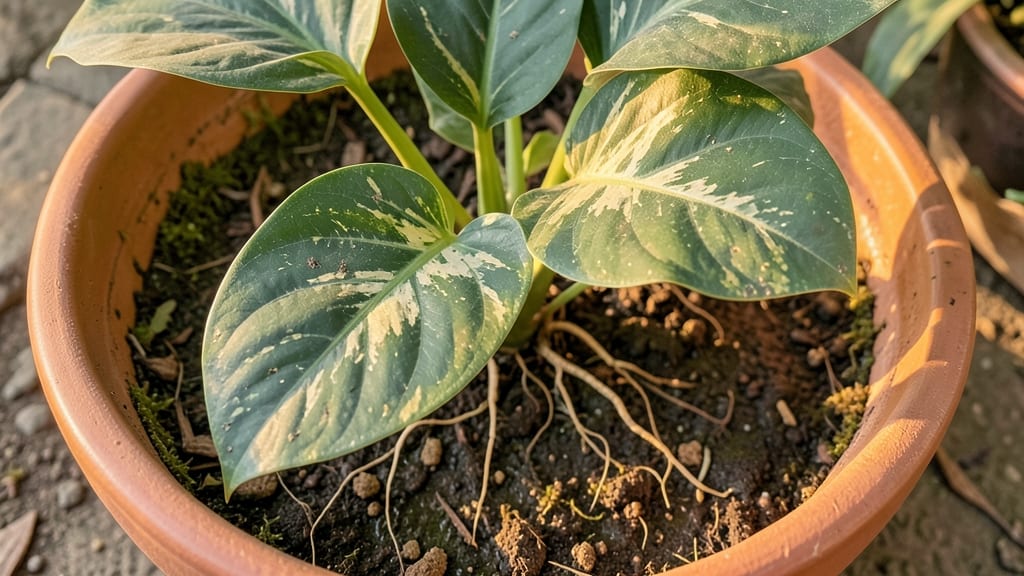
The five-leaf plant (Pentalinon andrieuxii) brings vibrant green foliage to any indoor space, but its care can be tricky for beginners. These 10 expert-backed tips will help you nurture lush, thriving plants year-round with minimal effort.
Optimal Lighting Conditions For Healthy Growth
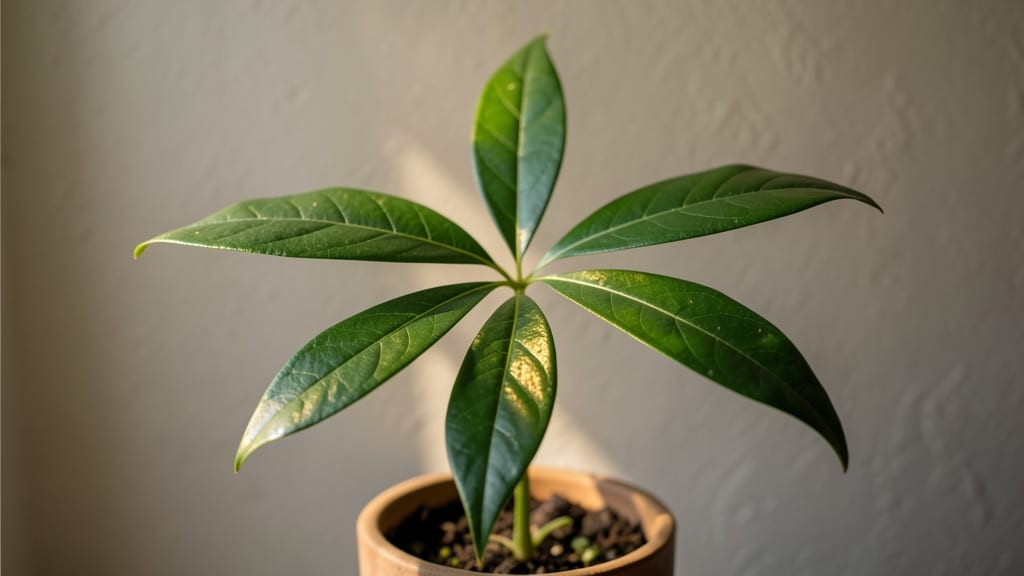
The five-leaf plant (Pentalinon andrieuxii) may look resilient, but its delicate leaves demand the right lighting balance—too much sun causes burns, while too little stunts growth. Position it near an east or west-facing window where it gets bright, indirect light for 4-6 hours daily, mimicking its tropical understory habitat.
Avoid placing it in south-facing windows where intense afternoon rays can scorch leaves within days. If your space lacks natural light, supplement with a grow light 10-12 inches above the plant for 6-8 hours daily. Rotate the pot weekly to ensure even growth—uneven light exposure leads to lopsided foliage.
This lighting strategy is perfect for urban gardeners with limited natural light or beginners who want foolproof care. With the right light, your five-leaf plant will reward you with glossy, vibrant leaves all year. 🌿
Perfect Watering Schedule To Prevent Root Rot
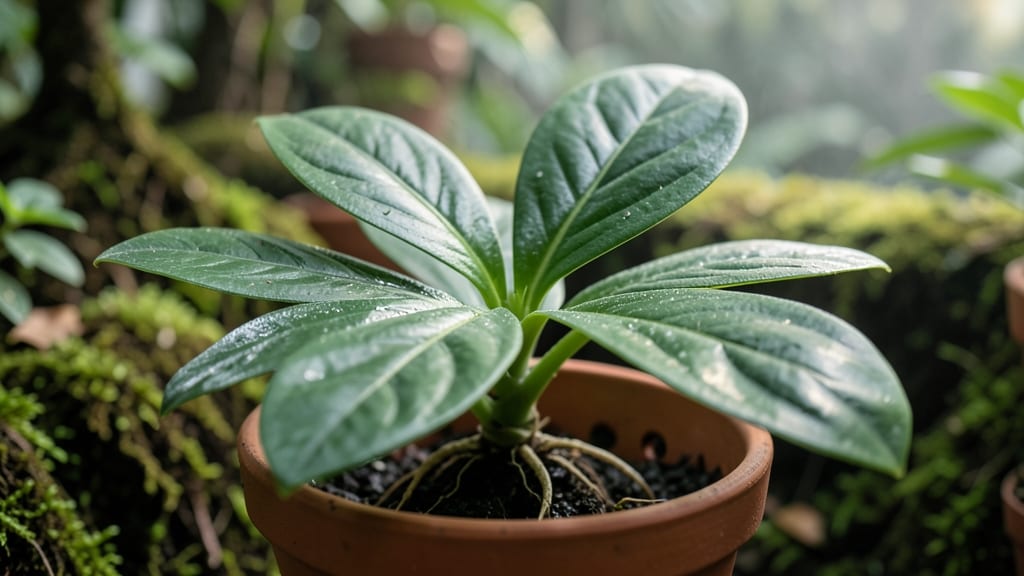
Your five-leaf plant (Pentalinon andrieuxii) may look tough, but it’s actually a tropical diva that despises soggy roots. Unlike many plants, this one drowns faster than it wilts—so nailing your watering schedule is non-negotiable for keeping those glossy leaves thriving.
Start by watering only when the top 1-2 inches of soil feel completely dry to the touch. Then, give it a thorough soak until water drains freely from the pot’s bottom. After that, let excess water evaporate completely before watering again—this soak-and-dry method mimics its natural rainfall cycles. In summer, this might mean watering every 5-7 days; in winter, stretch it to every 10-14 days. Always use a pot with drainage holes to prevent water from pooling.
This schedule is especially critical for beginners or those with dry indoor air—root rot is silent until it’s too late, but this method keeps your plant happy and healthy without guesswork. 💚
Best Soil Mix For Improved Drainage
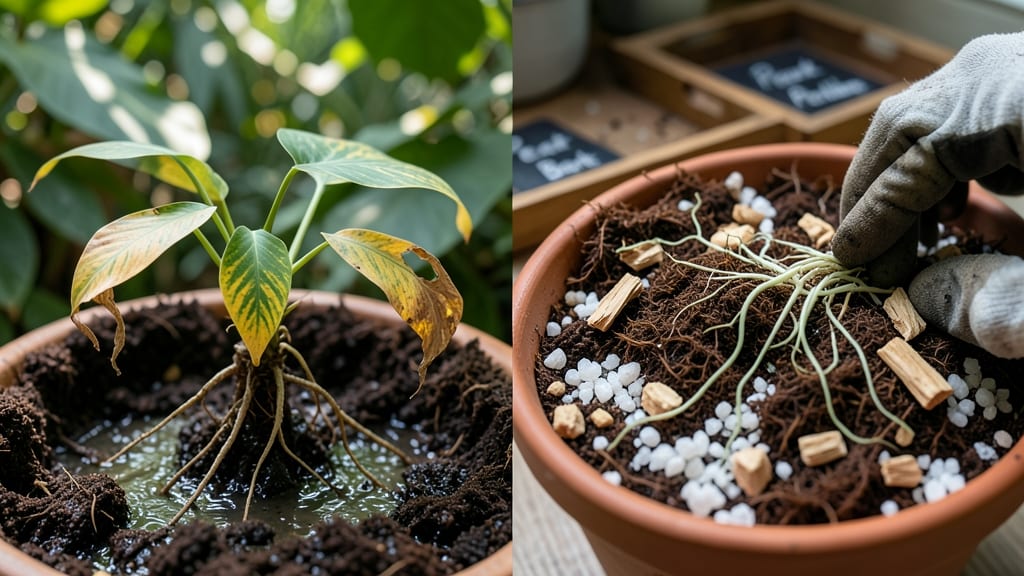
Struggling with soggy soil that's suffocating your five-leaf plant? The right soil mix isn't just about drainage—it's about replicating the plant's natural tropical perch. This epiphytic species thrives when its roots can breathe, which is why a chunky, airy blend works magic.
Mix equal parts peat moss (or coco coir), perlite, and orchid bark to create a lightweight medium that prevents compaction. The perlite adds those crucial air pockets, while orchid bark mimics the tree bark crevices where this plant grows wild. For best results, avoid heavy garden soil—it'll compact and trap moisture, leading to root rot in just days.
This soil mix is especially valuable for beginners who've struggled with watering consistency. The improved drainage gives you a safety net while helping your plant's roots stay oxygenated. 💚
Humidity Requirements For Lush Foliage
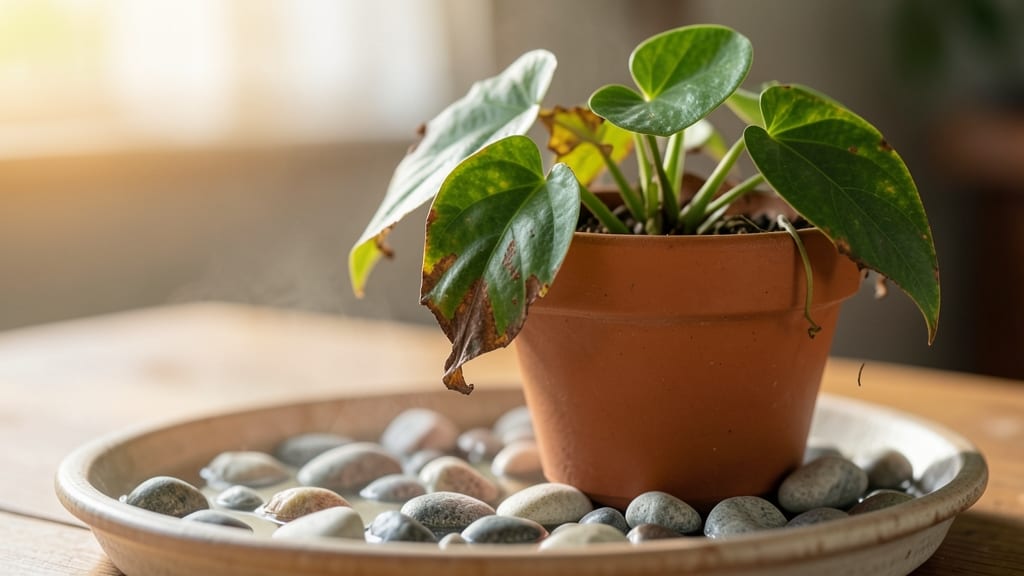
If your five-leaf plant is struggling with crispy edges or wilted leaves, the culprit might be your home's dry air. This tropical beauty thrives in 60-70% humidity, mimicking its native rainforest environment where moisture lingers in the air.
Boost humidity with a simple pebble tray: place the pot on a bed of pebbles in a shallow tray filled with water (just below the pot’s base). For extra support, use a small humidifier near the plant or mist leaves lightly in the morning—just avoid soggy soil. Grouping plants together also creates a microclimate that naturally raises humidity.
This tip is a game-changer for urban gardeners with dry indoor air or those living in arid climates. A happy humidity level means vibrant, glossy leaves that stay lush all year. ⚡
Fertilizing Routine For Vibrant Growth
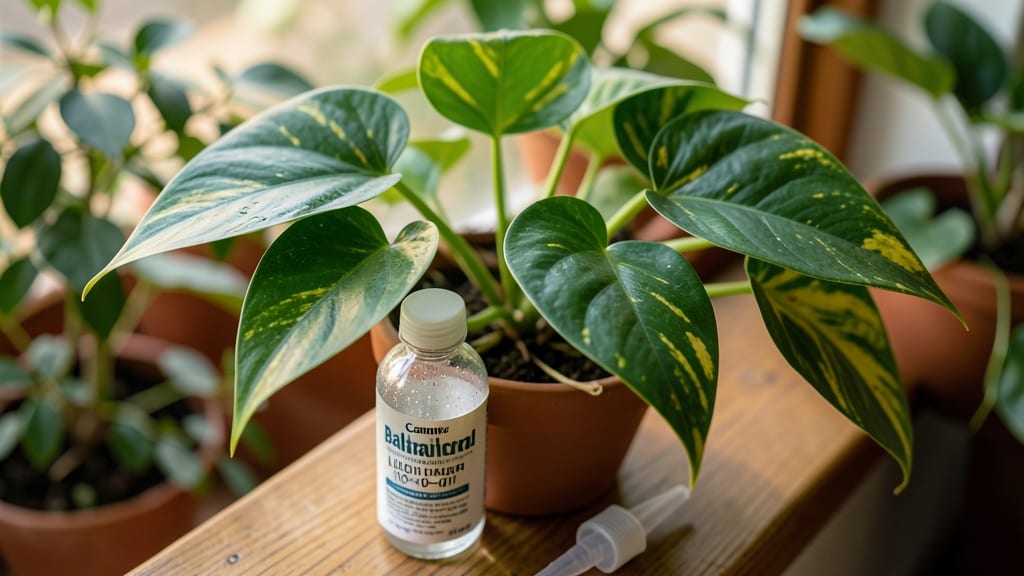
Want your five-leaf plant to explode with vibrant, glossy foliage? The secret lies in a simple but often overlooked routine: monthly feeding during its active growing season. Unlike slow-release fertilizers, a balanced liquid fertilizer (10-10-10) delivers quick nutrients that encourage rapid leaf production without overloading delicate roots.
Start fertilizing in early spring when you notice new growth, and continue every 4 weeks through late summer. Always dilute the fertilizer to half-strength to prevent chemical burns, and water the soil thoroughly beforehand to help distribute nutrients evenly. This method ensures your plant gets the nitrogen, phosphorus, and potassium it needs for lush, healthy leaves without risking root damage.
This routine is especially beneficial for indoor gardeners with limited natural nutrients—perfect for urban spaces or apartments where soil quality may be lacking. With consistent feeding, you’ll see noticeable leaf growth within weeks, transforming a lackluster plant into a stunning focal point. ✨
Pruning Techniques To Encourage Bushier Growth
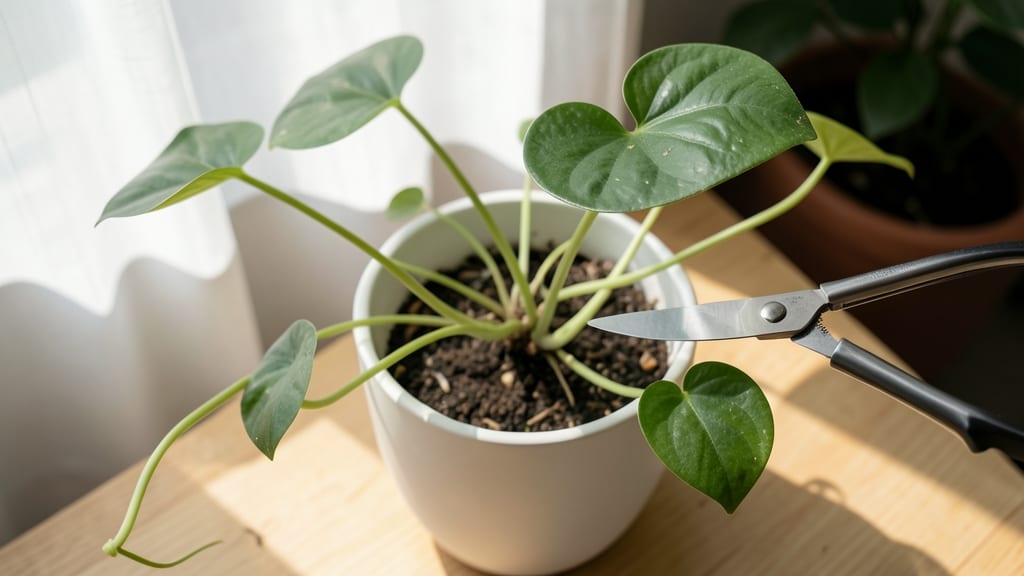
Notice your five-leaf plant stretching toward the light with sparse, leggy stems? Instead of letting it grow top-heavy, pruning at the right spots can transform it into a fuller, bushier beauty within weeks.
Use clean, sharp pruning shears to snip just above a leaf node—the small bump where leaves and stems meet. This signals the plant to redirect energy into growing new branches from that node. Focus on cutting back the longest, most leggy stems first, and avoid removing more than one-third of the plant at once to prevent stress. For best results, prune in spring or early summer when growth is active.
This technique isn’t just for aesthetics—it also improves airflow, reducing the risk of fungal issues. Perfect for beginners who want a fuller plant without complicated techniques. Your five-leaf plant will thank you with denser foliage! 🌿
Natural Pest Control Methods For Five-Leaf Plants
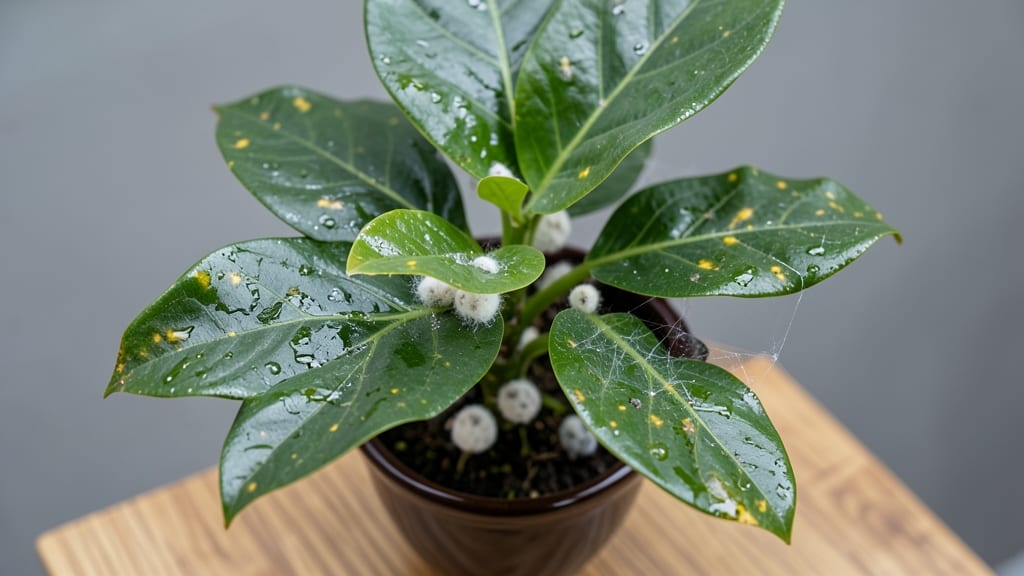
If you’ve noticed sticky residue or tiny webs on your five-leaf plant, you’re likely dealing with mealybugs or spider mites—two of the most common pests that thrive on this tropical beauty. These pests don’t just damage your plant; they can quickly spread to nearby houseplants if left unchecked.
Start by isolating the affected plant to prevent cross-contamination. For organic treatment, mix 1 teaspoon of neem oil or insecticidal soap with 1 quart of water, then spray the solution directly onto the leaves (including undersides) every 5-7 days until pests disappear. Neem oil disrupts the pests’ life cycle, while insecticidal soap suffocates them on contact.
This method is perfect for plant parents who prefer chemical-free solutions and want to protect their entire collection. Act fast—early intervention keeps your five-leaf plant thriving! 💚
Repotting Guide For Mature Plants
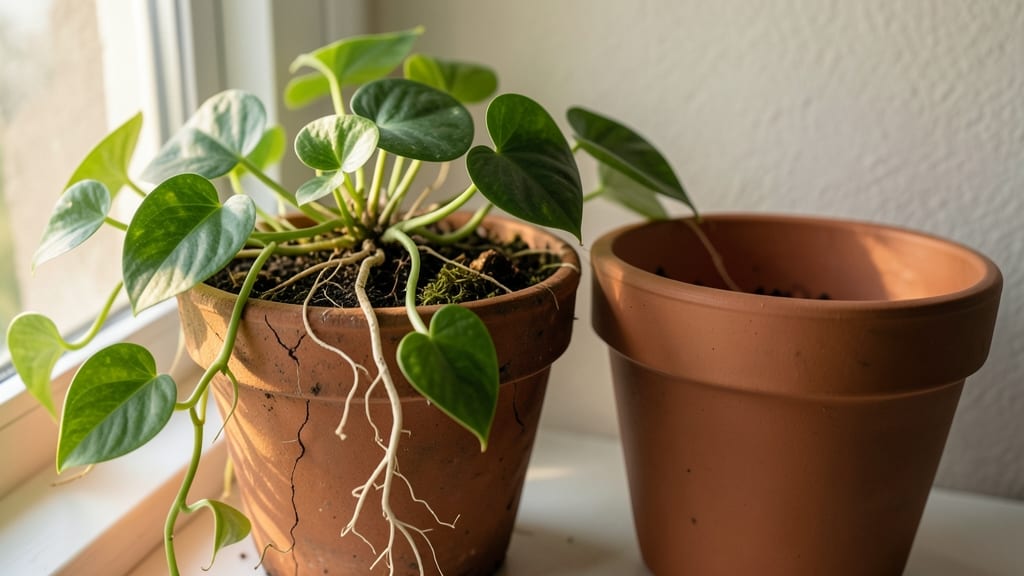
Mature five-leaf plants often outgrow their containers, but repotting too soon can stress their roots. Instead of upgrading pots annually, follow this springtime refresh rule: repot every 2-3 years using a container just 1-2 inches wider than the current one. This gradual adjustment prevents root-bound shock while giving roots room to expand without overwhelming the plant.
Start by gently removing the plant from its old pot and inspecting the roots—if they’re circling tightly, it’s time to upgrade. Use a well-draining mix (like the one recommended earlier) and place the plant at the same depth it was previously. Water lightly afterward to help it settle into its new home. This method keeps your plant stable and encourages steady growth without sudden stress. 🌱
Common Care Mistakes And How To Fix Them
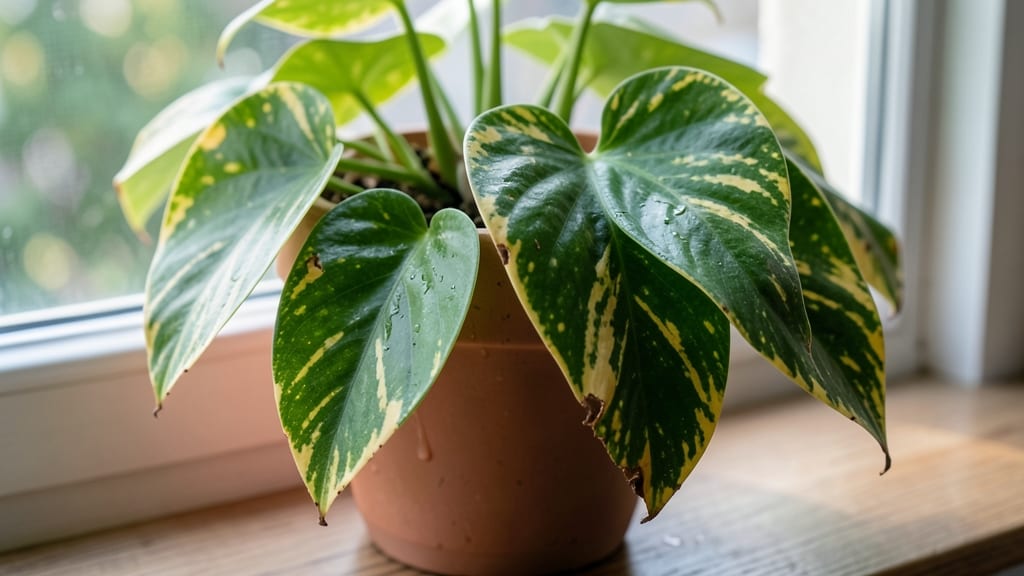
Seeing yellow leaves or brown tips on your five-leaf plant? These are red flags—often signaling overwatering, nutrient deficiencies, or light stress. Unlike other plants, this tropical beauty reacts quickly to care missteps, but diagnosing the issue early can save your plant before damage becomes permanent.
Start by checking the soil: if it stays soggy more than a week after watering, you're overwatering—let the top 1-2 inches dry out between waterings. Brown tips often mean low humidity (try a pebble tray) or fluoride buildup from tap water (use filtered water instead). Yellow leaves with green veins usually indicate nutrient deficiency—switch to a balanced fertilizer and repot if root-bound. Move the plant to brighter, indirect light if growth slows or leaves pale.
These simple fixes work for 90% of struggling five-leaf plants—perfect for beginners who want to rescue their foliage before it's too late. 💚
Seasonal Care Adjustments For Year-Round Health

Winter slowdown doesn't mean your five-leaf plant should too—adjusting care seasonally keeps it thriving year-round. During dormant months, reduce watering to every 2-3 weeks since growth halts, preventing soggy soil that invites rot. This mimics its natural tropical rhythm while avoiding overwatering mistakes.
When indoor heating dries the air—especially in winter—boost humidity with a pebble tray or humidifier near the plant. Aim for 50-60% humidity to prevent crispy leaf edges, a common winter woe. Grouping plants together also creates a microclimate that retains moisture naturally.
These small tweaks ensure your five-leaf plant stays vibrant through all seasons, making it perfect for busy plant parents who want low-maintenance beauty. 💚