
Pruning
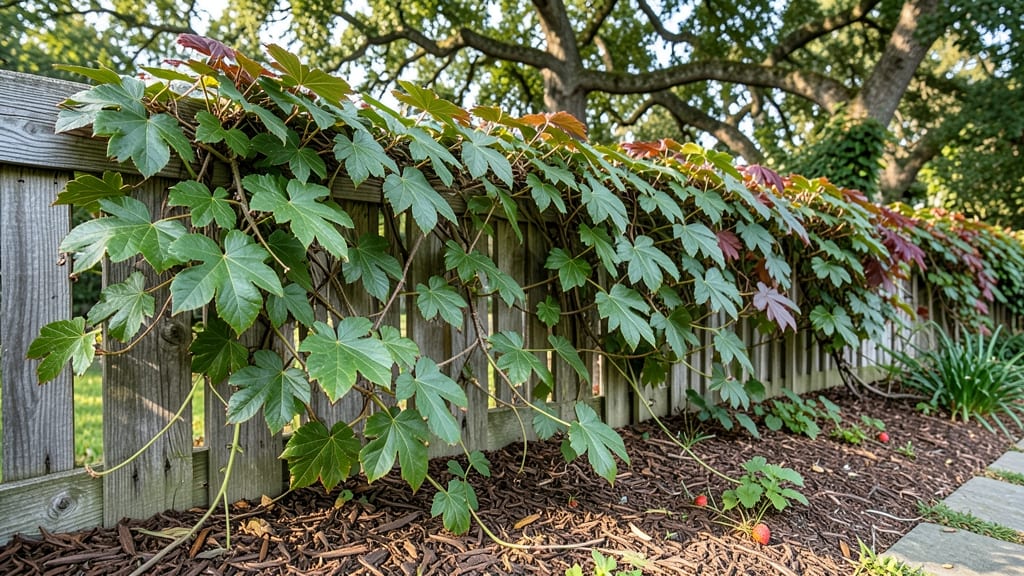
That five-lobed leaf climbing your tree isn't just pretty—it's a five-leaf vine (Aristolochia macrophylla), and with the right pruning, it’ll stay lush year-round. 🌿 I’ve wrestled with these vines for years, and the key to keeping them thriving (without them taking over your oak) is timing and technique.
Most people prune too late or too hard, ending up with bare stems by summer. Let’s fix that.
The secret starts with identifying your vine—look for those distinctive five-lobed leaves (like a maple’s cousin) and heart-shaped foliage. These vines love partial shade and rich, well-draining soil, but they’ll cling to almost any support—trees, trellises, or even chain-link fences.
The best time to prune is late winter or early spring, before new growth starts. You’ll want to shape it then to encourage dense, climbing foliage all season.
When you prune, cut back one-third of the oldest growth to make room for new shoots. Avoid heavy pruning in fall—it stresses the vine and leaves it vulnerable to cold. With the right cuts, you’ll see vibrant new leaves within weeks, and the vine will climb higher, faster.
Plus, those heart-shaped leaves attract hummingbirds and butterflies, turning your tree into a living ecosystem.
Works for any tree or trellis in zones 5-9, and the pruning method scales from small yards to large landscapes. Here’s how to do it without turning your vine into a tangled mess—promise.
📚 In This Guide
- What you need
- Instructions
- Tips and common mistakes
- Wrapping up and next steps
What you need
- ● Pruning shears – Bypass or anvil-type, sharp, and sterilized (rubbing alcohol or bleach solution works). Size: 6–8 inches for thick vines.
- ● Loppers – For thicker stems (½ inch or larger). Quantity: 1 pair.
- ● Hand pruners – For delicate trimming (smaller leaves/stems). Quantity: 1 pair.
- ● Gloves – Garden or work gloves (to protect from sap and thorns). Material: Nitrile-coated for grip.
- ● Disposable pruning saw – For thick, woody stems (if needed). Type: Fine-toothed, 8-inch blade.
- ● Ladder or step stool – For high-reaching vines. Height: Adjustable, 6–10 feet.
- ● Bucket or trash bag – To collect clippings (5–10 gallon capacity).
- ● Hose or spray bottle – With water and mild soap (for cleaning tools).
- ○ Pruning sealant – For large cuts (to prevent disease). Type: Tree wound paint (optional for five-leaf vine).
- ● Extension pole – With shear attachment (for hard-to-reach spots).
- ● Garden twine – To tie down new growth temporarily.
- ● Notebook & pen – To map out pruning plans or track growth.
- ● Safety glasses – If dealing with dense, thorny sections.
Step-by-step pruning guide for five leaf vine on tree
Transform your vine into a year-round showstopper with these precision pruning techniques.
✂️ Step 1: Identify Growth Zones and Pruning Windows
The five leaf vine (Parthenocissus quinquefolia) thrives when pruned during its dormant season in late winter or early spring, just before new growth begins. Look for the buds along the stems—these are your growth indicators. Healthy buds appear plump and brown, while shriveled ones signal dead wood that should be removed immediately.
Here's the thing—I always prune after the last frost date in my zone, typically late March to early April. This timing ensures you're not cutting back new growth that might have started in warmer microclimates. If you're in a milder climate, wait until you see 1-2 inches of fresh green growth emerging.
✂️ Step 2: Remove Dead and Weak Growth First
Start with dead, diseased, or crossing branches—these compete with healthy growth and invite pests. Use clean, sharp pruners to make cuts at a 45-degree angle, about ¼ inch above a leaf node or outward-facing bud. This encourages new growth to develop in the right direction.
Don't skip this step. I've seen vines with tangled, crossing branches that never fill out properly. Focus on removing up to 25% of the total volume at this stage—you're not trying to drastically reshape yet, just create airflow and light penetration. Watch for yellowing leaves or blackened stems—these are clear signs of dead wood.
✂️ Step 3: Shape the Vine for Optimal Structure
Now for the fun part—shaping! Five leaf vines respond beautifully to directional pruning. If your vine is climbing a tree, select 2-3 main stems to encourage vertical growth. Cut back lateral branches that are growing inward or rubbing against the tree trunk to prevent damage.
I like to step back and visualize the vine's natural shape. For a balanced look, aim for a pyramidal form with wider branches at the bottom tapering upward. Prune just above a leaf node where you want new growth to emerge—this ensures the cut heals cleanly and new shoots develop in the right direction.
✂️ Step 4: Thin Out Overcrowded Areas
Overcrowded branches steal nutrients and light from each other. Focus on removing the oldest, thickest stems first—they're less flexible and may break under weight. Thin from the inside out, keeping the most vigorous, outward-facing branches. This creates a lighter, more open structure that's easier to maintain.
Here's what I do: I run my hand through the vine like combing hair, feeling for branches that are too close together. If two branches are growing parallel and within 6 inches of each other, one usually has to go. Prioritize branches that angle outward—they'll fill out the vine's silhouette more effectively.
✂️ Step 5: Light Summer Maintenance Pruning
After the initial spring pruning, your five leaf vine will need light maintenance throughout the growing season. In late summer, after the vine has finished flowering (if it does), give it a second light pruning to remove any overly long or leggy growth. This encourages bushier, denser foliage.
I never cut back more than 10-15% of the total volume during summer pruning—this keeps the vine from becoming stressed. Focus on removing spent flowers (if applicable) and any branches that are growing in directions you don't want. The goal is to maintain shape and encourage new growth without shocking the plant.
Tips & tricks for perfect five leaf vine pruning
These precision techniques will help you transform your vine into a lush, year-round focal point without the guesswork.
Timing is Everything: The late March to early April window is non-negotiable for most climates, but here's the secret: check for 1-2 inches of fresh green growth as your definitive cue, not just the calendar. This ensures you're not cutting back tender new shoots that might have emerged in sheltered microclimates. If you're in zone 7 or warmer, you might delay until early April to be extra safe—your vine will thank you with vigorous summer growth.
The 45-Degree Angle Secret: When making cuts in Step 2, that 45-degree angle isn't just about aesthetics—it's about directing water runoff away from the cut. Make sure your pruners are sharp enough to create clean cuts without tearing the bark. I've ruined too many cuts with dull tools that leave jagged edges, which invite disease. A quick test: if your pruners struggle to cut through a pencil cleanly, they're not sharp enough for your vine.
Visualizing the Pyramid: For Step 3's shaping, imagine your vine as a pyramid with the base at the bottom. The 2-3 main stems you select should be evenly spaced around the trunk. If your vine is already established, you might need to prune back some of the strongest stems to create balance. Think of it like training a dog—you're guiding growth in the direction you want, not forcing it. The key is to make cuts just above leaf nodes where you want new growth to emerge.
Summer Pruning Strategy: That 10-15% volume reduction in late summer isn't arbitrary—it's about maintaining the vine's energy reserves. Focus on removing branches that are growing in directions you don't want, particularly those that might block sunlight from reaching the center. I always do this on a dry day when the vine isn't actively transpiring—this minimizes stress on the plant and reduces the risk of fungal infections from wet cuts.
Pro Tips for Five Leaf Vine On Tree
- These precision techniques will help you transform your vine into a lush, year-round focal point without the guesswork.
- Timing is Everything: The late March to early April window is non-negotiable for most climates, but here's the secret: check for 1-2 inches of fresh green growth as your definitive cue, not just the calendar.
- The 45-Degree Angle Secret: When making cuts in Step 2, that 45-degree angle isn't just about aesthetics—it's about directing water runoff away from the cut.
Frequently asked questions
Got questions about pruning your five-leaf vine (Parthenocissus quinquefolia) for that perfect lush, climbing look?
Here are the answers to the most common queries—so you can keep your vine thriving without the guesswork!
When is the best time to prune my five-leaf vine?
Prune your five-leaf vine in late winter or early spring (before new growth starts) for the best results. You can also do light trimming in summer to control size or shape, but avoid heavy pruning then—it may stress the plant. Fall pruning is possible, but avoid it if frost is expected soon.
How much can I cut back my five-leaf vine?
You can safely prune up to one-third of the vine’s total growth in a single season. For aggressive shaping, cut back to a healthy bud or joint—this encourages bushier growth. Avoid over-pruning, as five-leaf vines are resilient but may take a season to recover if cut back too drastically.
What if my vine isn’t climbing well after pruning?
If your vine seems sluggish post-pruning, check for three key issues:
- Light exposure: Ensure it gets at least 6 hours of sunlight daily—shady spots slow growth.
- Support structures: Train young vines onto a trellis, fence, or arbor with soft ties (like twine) to guide their climb.
- Soil health: Amend the soil with compost if it’s poor—five-leaf vines love well-draining, nutrient-rich soil.
Can I prune my five-leaf vine in containers or small spaces?
Five-leaf vines thrive in containers but need regular pruning to stay manageable. Use hand pruners to trim back leggy stems and pinch back tips to encourage fuller growth. Repot every 2–3 years to refresh the soil, and choose a container with drainage holes to prevent root rot.
What should I do if my vine gets diseased or infested after pruning?
Watch for yellow leaves, black spots, or chewed foliage—signs of powdery mildew, aphids, or spider mites. Treat with:
- Neem oil (for pests) or baking soda spray (for mildew).
- Remove heavily damaged leaves immediately to stop spread.
- Improve air circulation by thinning dense growth.
Pro Tip:
Label your pruning cuts with twist ties or flags if you’re shaping a vine for a specific design (like an arch). This helps track which branches you’ve already trimmed—no more guesswork next season!
Wrapping up and next steps
Mastering the art of pruning your five-leaf vine (Aristolochia) ensures a thriving, lush plant that graces your space year-round. Whether you’re shaping its growth, encouraging fuller foliage, or reviving leggy stems, the key is patience and precision—every trim brings your vine closer to its full potential! 🌿✨
Ready to see your vine flourish? Grab your pruners, dust off those gloves, and schedule your next pruning session—consistency is the secret to success! Start small, observe your plant’s response, and soon, you’ll be the proud caretaker of a vibrant, well-shaped five-leaf vine that turns heads (and green thumbs) everywhere.