
Trees
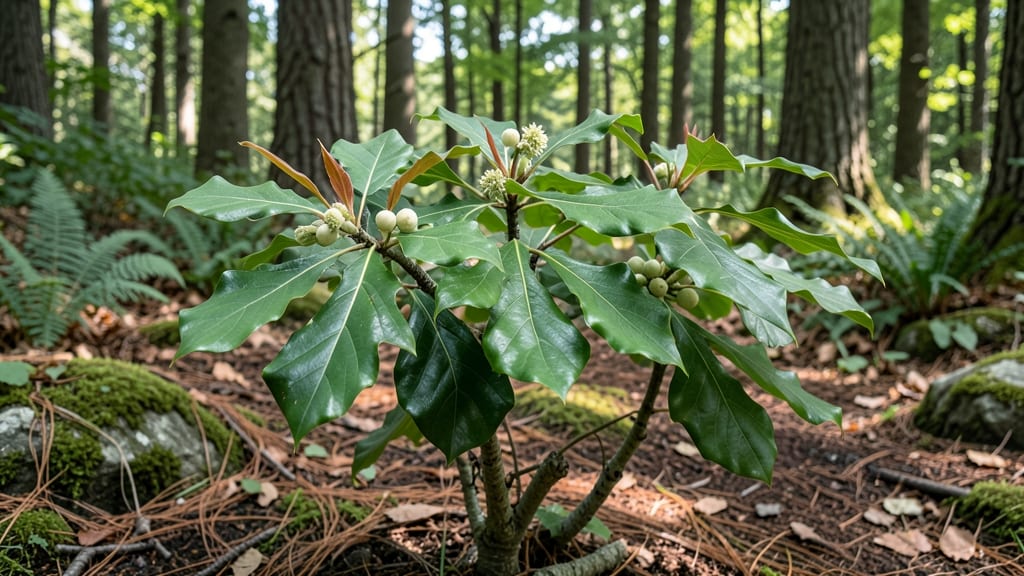
That itchy rash from brushing against the five-leaf poison oak vine?
It’s probably—and knowing the difference between it and harmless plants like Virginia creeper could save you weeks of misery. 🌿 I’ve spent years learning the telltale signs: three shiny leaves with pointed lobes, clustered in groups of three, and that classic "leaves of three, let it be" rule.
But poison oak’s leaves are smoother, shinier, and often grow in clusters of five (hence the name), while Virginia creeper has five leaflets with rounded lobes.
The real danger isn’t just the rash—it’s the delayed reaction. Poison oak’s oils, urushiol, can trigger a breakout 1-2 weeks after contact, and scratching only makes it worse.
That’s why I always wear long sleeves and gloves when clearing brush, especially in wooded areas or near streams where poison oak thrives. Even pets can track urushiol indoors, so wash their paws after outdoor trips.
If you’ve already come into contact, act fast: wash skin with cold water and soap within 10 minutes to remove the oil. For rashes, over-the-counter hydrocortisone cream or calamine lotion can ease itching, but severe cases need a doctor’s care.
The key is prevention—learn to spot it early, and you’ll avoid the itch entirely. I’ll show you how to safely remove it from your yard without spreading those oils around.
This isn’t just about avoiding discomfort—it’s about protecting your family, pets, and property. Poison oak spreads aggressively, and once it takes root, removal can be a year-long battle.
I’ll walk you through the safest methods, from vine pulling to chemical control, so you can reclaim your outdoor space without the dreaded aftermath.
How Skin Reactions Start
When you encounter Toxicodendron radicans—the scientific name for poison oak, including its five-leaf vine variety—your skin’s reaction isn’t random. It’s a targeted immune response triggered by a specific chemical in the plant’s sap.
Understanding these causes helps you avoid unnecessary exposure and react appropriately if contact occurs. Here’s why it happens:
The primary culprit behind poison oak’s itchy, blistering rash is urushiol, a clear, oily resin found in the plant’s leaves, stems, and roots. This compound is so potent that even microscopic amounts—too small to see—can provoke a reaction in sensitive individuals.
Urushiol acts as an allergen, meaning your immune system mistakenly identifies it as a harmful invader. When urushiol touches your skin, it binds to proteins in your skin cells. Your body then launches an immune response, releasing histamines and other inflammatory chemicals. This triggers:
- Redness and swelling (your body’s way of isolating the threat).
- Blisters (fluid buildup as your skin tries to flush out the irritant).
- Intense itching (a nerve response to the inflammation).
Pro Tip: 💡 Urushiol isn’t just in the leaves—it’s in the plant’s sap, which can linger on tools, pets, or even clothing for weeks. Always wash exposed skin and gear thoroughly after potential contact.
Not everyone who touches poison oak develops a rash. If you’re one of the unlucky few who does, your body’s sensitivity plays a huge role. Here’s why reactions vary:
| Factor | How It Affects Reactions |
|---|---|
| Prior Exposure | Your first exposure to urushiol may cause a mild reaction, but repeated contact strengthens your immune response, leading to more severe symptoms over time. |
| Skin Sensitivity | People with eczema, psoriasis, or compromised skin barriers are more prone to intense reactions because their skin absorbs urushiol more easily. |
| Amount of Exposure | A single drop of urushiol can cover a large area of skin. Direct contact with the plant (e.g., brushing against it) or indirect contact (e.g., touching contaminated objects) both count. |
| Age | Children often react more severely than adults because their immune systems are still developing and their skin is thinner. |
Key Insight: 🌡️ If you’ve never had a reaction before, don’t assume you’re safe—first-time exposure can still cause a delayed reaction (up to 12 days later!).
The five-leaf vine form of poison oak is particularly sneaky because of how it grows and spreads. Unlike its shrubby cousins, this vine:
- Climbs and twines around trees, fences, and structures, making it harder to spot until it’s too late.
- Drops leaves year-round in warm climates, leaving urushiol-contaminated debris on the ground.
- Regrows quickly from roots or cuttings, so even partial removal can leave behind reactive fragments.
When you disturb the vine—whether by pruning, hiking, or even petting an animal that’s brushed against it—you risk spreading urushiol to new areas.
The oil can even aerosolize (become airborne) when burning poison oak, putting you at risk of inhaling it and developing a rash or even a dangerous skin reaction in your lungs.
Safety Alert: ⚠️ Never burn poison oak—this releases urushiol into the air, increasing the risk of respiratory issues or widespread skin exposure.
Armed with this knowledge, you can take preventive action—like wearing protective clothing, using barrier creams, or learning to identify the plant before it identifies you.
Remove It Safely Today
Dealing with poisonous leafy vines like five-leaf vine (poison oak) requires caution—but the right approach can keep you and your yard safe. Below, we break down practical solutions for identification, removal, and prevention, tailored to your specific situation.
Mistaking a harmless vine for poison oak can lead to unnecessary stress—or worse, accidental exposure. Double-check these signs:
- Leaf shape: Three glossy, green (or red in fall) leaflets per stem—"Leaves of three, let it be!"
- Growth habit: Climbs trees, shrubs, or sprawls on the ground.
- Seasonal clues: Berries (white or green) in fall or winter.
⚠️ Pro Tip: 💡 If unsure, snap a photo and compare it to [USDA’s poison oak guide](https://www.usda.gov) or consult a local extension office. Never assume!
Poison oak’s oils (urushiol) can cling to skin, tools, and even pets for years. Gear up like a pro:
- Wear long sleeves, pants, and gloves (nitrile or vinyl—latex doesn’t block urushiol).
- Goggles to shield eyes from sap or debris.
- Cover shoes with boot covers or old sneakers you can toss.
- Work on a cool, cloudy day—heat increases oil release.
🔥 Hot Tip: 🌡️ Spray the vine with water or vinegar 10 minutes before cutting to dilute the urushiol.
Option A: Small Patches (Under 3 Feet)
- 🔪 Cut at the base with long-handled loppers (avoid saws—they spread sap).
- Bag the cuttings immediately in thick plastic (double-bag for extra safety).
- Burn or trash the debris—do not compost! (Urushiol survives decomposition.)
Option B: Large or Established Vines
- 🌱 Smother the roots: Cover the area with cardboard + mulch (blocks sunlight, starves roots).
- 💧 Vinegar or herbicide spray: - DIY: Mix 1 gallon vinegar + 1 oz dish soap in a spray bottle.
Apply directly to leaves (reapply weekly). - Chemical: Use glyphosate-based herbicide (follow label instructions—avoid drift onto desired plants). 3. 🌱 Monitor and repeat—roots may resprout for months.
✨ Genius Hack: 🎯 If the vine is on a tree, prune it in sections to avoid damaging the host plant.
Urushiol lingers on tools, clothes, and skin. Decontaminate everything: - Tools: Wash with soapy water + rubbing alcohol (70%+). - Clothes: Wash in hot water + detergent (or seal in a bag for 72 hours—oils degrade over time). - Skin: Rinse with cool water + soap within 10 minutes of exposure.
Use Technu wash if available. - Pets: Bathe them with mild soap if they brushed against the vine.
- 🌱 Plant competitive ground covers (e.g., clover, creeping thyme) to block sunlight.
- 🌳 Trim nearby trees/shrubs to reduce climbing surfaces.
- 🔍 Inspect regularly—new sprouts appear fast!
- 🚫 Avoid dragging leaves/debris—urushiol can hitchhike on shoes or tools.
- ❌ Don’t burn debris in your yard (smoke can spread urushiol).
- ❌ Don’t compost—even small amounts can contaminate soil.
- ❌ Don’t assume "dead" vines are safe—roots may still release oil.
If the infestation covers more than 100 sq. ft. or is near a home’s foundation, hire a licensed arborist or pest control service. They have industrial-strength tools (like stump grinders for roots) and safety protocols for large-scale removal.
Remember: Patience and protection are key. With the right steps, you can eliminate poison oak safely—and keep it from coming back! 🌿✨
Frequently asked questions about five-leaf vine poison oak
How can I tell the difference between five-leaf vine poison oak and Virginia creeper?
Look closely at the leaf structure: five-leaf vine poison oak has smooth, shiny leaves with pointed lobes, while Virginia creeper has rounded leaflets with blue-gray undersides. Also, poison oak often grows in clusters of five leaves, whereas Virginia creeper has five leaflets per stem but with a distinct fan shape.
What should I do if I think I've been exposed to poison oak?
Wash the affected area with cool water and soap immediately—within 10 minutes is best. Avoid hot water, as it can open pores and increase absorption. If you develop a rash, use hydrocortisone cream or calamine lotion. For severe reactions, see a doctor, as oral steroids may be needed.
Can pets bring poison oak oil into the house on their fur?
Yes! Pets can track urushiol indoors, even if they don’t show symptoms. Bathe them with mild soap if they’ve brushed against the vine, and wash their paws thoroughly. Check their fur for plant debris, as even small amounts can cause reactions in humans who touch them later.
Is it safe to remove poison oak myself, or should I call a professional?
For small patches (under 3 feet), you can remove it safely with protective gear (gloves, long sleeves, goggles). For larger infestations or near structures, hire a professional—especially if the roots are deep. They have specialized tools to prevent regrowth and proper disposal methods.
How long does it take for poison oak rashes to heal?
Mild rashes typically heal within 1-3 weeks, while severe cases may take 3-6 weeks. Avoid scratching to prevent infection, and keep the area clean and moisturized. Over-the-counter antihistamines can help with itching, but consult a doctor if blisters form or the rash spreads.