
Leaf Blower
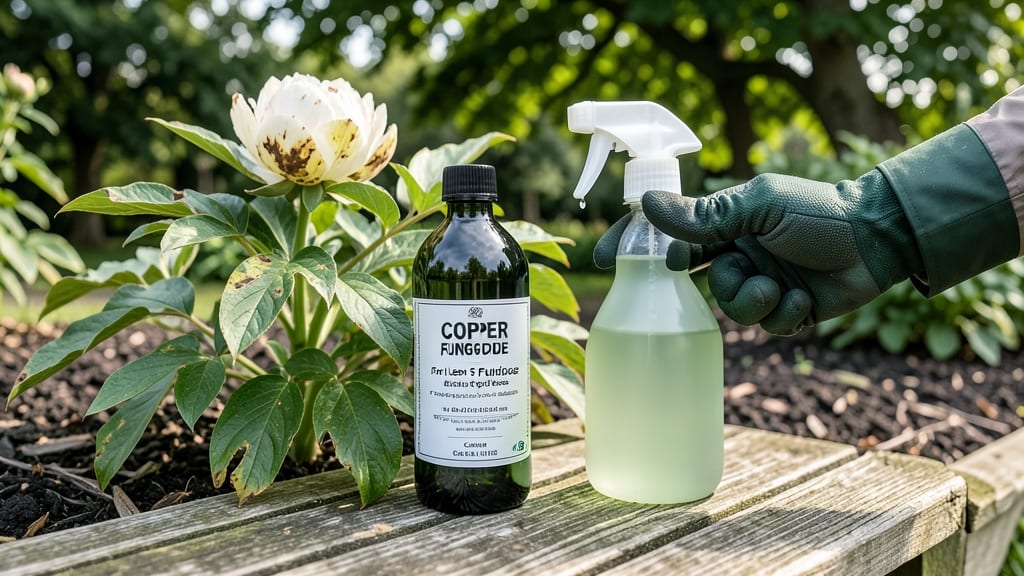
Your peonies' stunning blooms shouldn’t be overshadowed by unsightly leaf blotch. 🌸 The moment you spot those telltale brown spots with yellow halos, copper fungicide becomes your best defense—a proven cure that stops the fungus in its tracks and restores your plants to their former glory.
Leaf blotch thrives in damp conditions, so timing matters. Apply your copper spray every 7-10 days during rainy seasons or after overhead watering, always in the early morning when leaves are dry.
Just one application won’t cut it—consistency is key to breaking the fungus’s cycle. And here’s the secret: preventative sprays in spring, before symptoms appear, work even better than treating after the fact.
📚 In This Guide
- What you need
- Instructions
- Tips and common mistakes
- Wrapping up and next steps
What you need
- ● Copper-based fungicide: Choose a fixed copper (like copper sulfate) or copper hydroxide (e.g., Kocide 3000). 1–2 lbs per 100 gallons of water is ideal.
- ● Water: 100 gallons (adjust for large gardens; 5 gallons per 100 sq ft is a safe rule of thumb). Use clean, non-chlorinated water.
- ● Sprayer: A hose-end sprayer (for large areas) or handheld pump sprayer (5–10 gallons capacity) with a fine-mist nozzle.
- ● Protective gear: Nitrile gloves (waterproof, chemical-resistant)
- ● Long sleeves & pants (to avoid skin contact)
- ● Safety goggles (copper spray can be irritating!)
- ● Pruners: Sterilized (rubbing alcohol or bleach solution) to remove infected leaves before spraying.
- ● Stirring stick: For mixing fungicide evenly in your sprayer.
- ○ pH test strips (optional): Ensure water pH is 5.0–7.0 (copper works best in slightly acidic conditions).
- ● Weather check: Calm, dry conditions (no rain for 24–48 hours after spraying).
- ● ✅ Read fungicide labels—some require specific dilution rates or reapplication intervals.
- ● ✅ Avoid spraying when peonies are in full bloom (copper can harm pollinators).
- ● ✅ Dispose of infected plant debris in a sealed bag (not compost).
Step-by-Step guide to treating peony leaf blotch with copper fungicide
Here's my battle-tested method for reviving peonies and stopping leaf blotch dead in its tracks.
🌱 Step 1: Identify and Confirm the Problem
Leaf blotch on peonies starts with small, irregular brown spots that spread rapidly if ignored. These spots often have yellow halos and can merge into larger, dead-looking patches. I always check the undersides of leaves first—blotch frequently begins there before spreading to the top surfaces.
Confirm it's leaf blotch by looking for these key signs: dark brown to black spots with lighter edges, often surrounded by yellowing tissue. Unlike powdery mildew, blotch doesn't leave a white powdery coating. If you see these symptoms, you're dealing with a fungal infection that spreads through water splashing and humid conditions.
💧 Step 2: Prepare Your Copper Fungicide Solution
Use a copper-based fungicide (like copper sulfate or copper hydroxide) following label instructions. I prefer liquid formulations because they're easier to mix and apply evenly. For a 1-gallon spray mix, typically 1 tablespoon of copper fungicide concentrate is sufficient, but always double-check the product label for precise measurements.
Mix the solution in a clean sprayer with a fine mist nozzle. Copper fungicides work by creating a protective film on plant surfaces while also killing existing fungal spores. Wear gloves and protective eyewear during mixing and application—copper can be irritating to skin and eyes. Shake the mixture well before each use to ensure even distribution.
☀️ Step 3: Apply Fungicide at the Right Time
Apply the copper spray in the early morning when humidity is high but before direct sun hits the plants. This timing allows the solution to dry slowly, giving it more time to adhere to leaf surfaces. Avoid spraying when rain is forecasted within 24 hours, as this will wash the fungicide off before it can work.
Spray thoroughly until the undersides of leaves are completely wet, as this is where fungal spores often hide. Focus on the foliage but avoid overspraying the flowers if they're open. I like to work in sections, starting from the bottom of the plant and moving upward. This ensures even coverage and prevents missing spots.
✂️ Step 4: Remove Infected Foliage and Maintain Cleanliness
After spraying, remove and destroy any severely infected leaves by placing them in a sealed plastic bag. Do not compost these leaves—they'll spread the disease further. I use clean, sharp pruners to cut off infected foliage ½ inch below the affected area to prevent further spread.
Keep the peony bed clean by removing all plant debris and fallen leaves regularly. Water at the base of the plant rather than overhead to minimize splashing water onto leaves. If possible, space peonies 3-4 feet apart to improve air circulation, which reduces humidity and fungal growth.
🌿 Step 5: Schedule Preventive Sprays for Long-Term Protection
Apply a second copper fungicide treatment 7-10 days after the initial application to catch any new spores that may have formed. Continue with preventive sprays every 2-3 weeks during the growing season, especially if your area has high humidity or frequent rain.
For next year, consider applying a preventive copper fungicide spray in early spring before new growth emerges. This creates a protective barrier that deters fungal spores from establishing. I also recommend mulching around peonies with 2-3 inches of organic mulch to improve soil health and reduce splashing water.
Tips & tricks for effective copper fungicide application
These battle-tested strategies will help you maximize the effectiveness of your copper fungicide treatment and keep those peony leaves spotless.
Timing is Everything: The early morning application window in Step 3 is crucial because morning dew creates natural humidity that helps the copper solution adhere better to leaf surfaces. I've found that spraying between 6-8 AM gives the fungicide the best chance to dry slowly and form that protective film. If you miss this window, try to apply at least 4 hours before sunset to avoid rapid evaporation from afternoon heat.
Equipment Matters: Using a fine mist nozzle (as mentioned in Step 2) isn't just about coverage—it's about penetration. The tiny droplets can reach the undersides of leaves where fungal spores often hide. For larger peony beds, consider using a backpack sprayer with a 4-6 quart capacity. This lets you cover more ground efficiently while maintaining even pressure. Just be sure to shake the sprayer every 5-10 minutes to prevent copper particles from settling.
Safety First: Copper fungicides are effective but can be harsh on skin and eyes, so the protective gear mentioned in Step 2 is non-negotiable. I recommend adding a long-sleeved shirt and closed-toe shoes to your safety kit. After application, wash your hands thoroughly with soap and water. For extra protection, you can also wear a respirator mask if you're particularly sensitive to copper or working in very windy conditions that might create airborne particles.
Preventive Maintenance: The 2-3 week spray schedule in Step 5 works wonders, but you can enhance it by adding a preventive measure: water your peonies at the base in the morning before applying the fungicide. This creates a temporary moisture barrier that helps the copper solution adhere even better. Just be sure to let the leaves dry completely before spraying to prevent dilution of the fungicide concentration.
Pro Tips for Fungicide For Peony Leaf Blotch
- These battle-tested strategies will help you maximize the effectiveness of your copper fungicide treatment and keep those peony leaves spotless.
- Timing is Everything: The early morning application window in Step 3 is crucial because morning dew creates natural humidity that helps the copper solution adhere better to leaf surfaces.
- Equipment Matters: Using a fine mist nozzle (as mentioned in Step 2) isn't just about coverage—it's about penetration.
Frequently asked questions
about treating peony leaf blotch with fungicides—because even the most dedicated gardeners need a little clarity! Here are the answers to common concerns to help you tackle this pesky issue like a pro.What’s the best time to apply fungicide for peony leaf blotch?
The ideal time to apply a copper-based fungicide (like your go-to spray) is early in the season—right before blooms open or when you first spot dark, irregular spots on leaves. For prevention, apply every 10–14 days during wet or humid conditions. If you’re treating an active infection, spray every 7–10 days until new growth appears healthy. Pro tip: Always apply in the evening to reduce plant stress from sunlight.
How often should I water peonies after applying fungicide?
Hold off on watering for at least 6 hours after spraying to let the fungicide (especially copper) fully adhere to the leaves. Once applied, keep the soil moderately moist but not soggy—peony leaf blotch thrives in damp conditions. Water at the base of the plant in the morning to avoid wetting foliage, which can spread spores. Use drip irrigation or soaker hoses to minimize leaf contact.
Can I use organic alternatives if copper sprays don’t work?
If copper isn’t cutting it, try these organic fixes:
- Neem oil: Mix 1 tbsp neem oil + 1 tsp mild soap per quart of water. Spray leaves thoroughly—neem disrupts fungal growth and acts as a preventative.
- Baking soda spray: Combine 1 tbsp baking soda, 1 tsp oil, and a drop of soap in a gallon of water. Test on a small leaf first!
- Potassium bicarbonate: A pre-mixed fungicide (like Bonide Copper Fungicide) that’s gentler than straight copper.
Rotate treatments every 2–3 weeks to avoid resistance. For severe cases, combine organic sprays with pruning infected leaves immediately.
Why does my peony leaf blotch keep coming back even after treatment?
Persistent leaf blotch often means one (or more!) of these issues:
- Poor air circulation: Overcrowded plants or thick mulch trap humidity. Fix: Space peonies 3–4 feet apart and mulch lightly.
- Late-season infections: Fungicides wear off! Apply a final treatment in early fall to protect next year’s buds.
- Resistant fungal strains: If copper stops working, switch to myclobutanil (a systemic fungicide) or fixed copper (less phytotoxic).
- Stressed plants: Over/under-watering or nutrient deficiencies weaken peonies. Feed with balanced fertilizer (10-10-10) in early spring.
Keep a gardening journal to track treatments and conditions—it’s a game-changer!
Is copper fungicide safe for other plants in my garden?
Copper fungicides are generally safe for most ornamentals (like roses, hydrangeas, and vegetables), but use caution:
- Vegetables: Avoid spraying edible crops within 14 days of harvest (copper residues can linger).
- Acid-loving plants (e.g., blueberries, azaleas): Copper can alter soil pH over time. Test soil pH annually and amend if needed.
- Beneficial insects: Copper can harm bees and ladybugs. Apply after pollination hours (evening) and avoid flowering plants.
For mixed gardens, spot-treat peonies and avoid overspray. If in doubt, opt for fixed copper (less phytotoxic) or neem oil for broader safety.
Wrapping up and next steps
Peony leaf blotch doesn’t have to ruin your garden’s beauty—with the right copper-based fungicide and proactive care, your blooms can thrive once again! 🌿 By understanding the causes, symptoms, and treatment steps, you’ve already taken the first big step toward a spotless revival.
Now, it’s time to roll up your sleeves and act.
Start by monitoring your peonies weekly and applying preventative sprays at the first sign of trouble. Consistency is key! Share your success (or ask for help) in gardening forums—you’re not alone in this journey. Happy gardening, and may your peonies bloom bold and blotch-free!