
Aphids
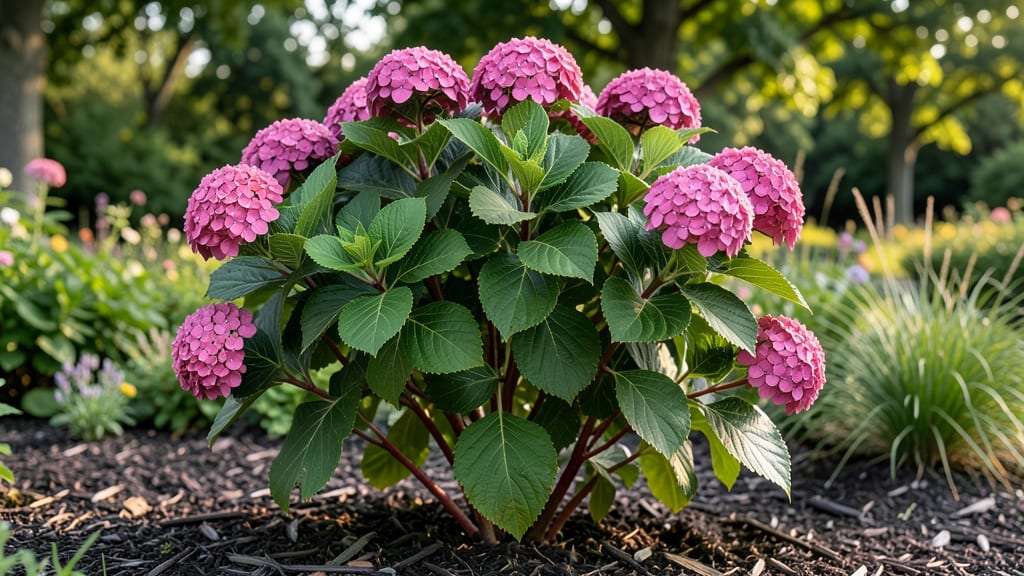
The Gatsby Moon oakleaf hydrangea turns your garden into a four-season showstopper with its creamy-white blooms and burgundy foliage that shines even in winter. 🌿 I planted mine last spring, and the way it transforms from spring's blush to autumn's fiery hues has neighbors stopping to ask questions.
This isn't your typical hydrangea—it's the one that keeps giving, year after year, with minimal effort. You'll want well-draining soil rich in organic matter, and a spot that gets morning sun but afternoon shade to protect those delicate blooms.
Water consistently during the first year to establish strong roots, then let the soil dry slightly between waterings once established. The secret to its dramatic foliage? Pruning in late winter or early spring—just a few cuts to shape and encourage fresh growth.
By summer, you'll have clusters of snowball-like blooms that last for weeks, followed by foliage that turns burgundy in fall and stays stunning through winter. It's the kind of plant that makes gardening feel like magic—no fuss, just beauty.
Even in small spaces, this hydrangea steals the show without needing constant attention. For best results, mulch around the base in spring to retain moisture and protect roots. And here's the kicker: it thrives in containers too, making it perfect for patios or balconies. Let's get yours growing!
📚 In This Guide
- What you need
- Instructions
- Tips and common mistakes
- Wrapping up and next steps
What you need
- ● Gatsby Moon Oakleaf Hydrangea: 1–3 plants (depending on desired coverage; spacing: 4–6 feet apart)
- ● Note: Choose container-grown (1–2 gallon pots) for easier transplanting.
- ● Well-draining soil mix: 50% native soil + 50% organic matter (compost, aged bark, or peat moss)
- ● pH 5.0–6.0 (test kit recommended; hydrangeas love acidic soil!).
- ● Mulch: 2–3 inches of pine bark fines or shredded leaves (retains moisture + regulates temp).
- ● Watering can or hose with soaker nozzle (gentle watering = happy roots!).
- ● Pruning shears (sterilized; sharp for clean cuts).
- ○ Gloves (optional but highly recommended—hydrangea leaves can be prickly!).
- ● Slow-release fertilizer (e.g., Osmocote or Miracle-Gro Shake ’n Feed for acid-loving plants).
- ● Aluminum sulfate (if you want to boost blue blooms; follow package instructions!).
- ● Epsom salt (1 tbsp/month in water for extra green foliage).
- ● Container or raised bed (if planting in pots; use 15+ gallon containers with drainage holes).
- ● Plant support stakes (for young plants in windy areas).
Step-by-step guide to planting and caring for Gatsby Moon oakleaf hydrangea
This stunning hydrangea thrives with minimal effort—just follow these simple steps for vibrant foliage all year.
🌱 Step 1: Choose the Perfect Planting Spot
Gatsby Moon Oakleaf Hydrangea loves partial shade—think 4-6 hours of morning sun followed by afternoon shade. Too much direct sun scorches the leaves, while too little shade dulls the dramatic foliage. I always scout the spot first: look for areas where nearby trees or structures already provide natural shade during the hottest afternoon hours.
This hydrangea tolerates a wide range of soil types, but it prefers well-draining, slightly acidic soil (pH 5.5-6.5). If your soil feels heavy or compacted, mix in 2-3 inches of organic matter like compost before planting. You'll know the soil is right when it crumbles easily between your fingers when moist but doesn't stick together like clay.
🪴 Step 2: Dig and Plant at the Right Depth
Dig a hole twice as wide as the root ball but only as deep as the container it came in. Gatsby Moon thrives when planted at the same depth it grew in the nursery—burying too deep suffocates the roots, while planting too shallow leaves the stem vulnerable to drying out. I always check the container's bottom for a root flare (where roots start to spread) to use as my planting guide.
Gently remove the plant from its container and loosen any circling roots with your fingers. Place it in the hole so the top of the root ball sits just below the surrounding soil level. Fill the hole with soil, pressing lightly to remove air pockets, but don't compact it—you want roots to spread freely. Water deeply right after planting to settle the soil around the roots.
☀️ Step 3: Water Deeply and Mulch for Protection
Water the newly planted hydrangea until water drains out the bottom of the hole—this ensures roots make contact with moist soil immediately. After planting, I water once a week during the first growing season, aiming for 1-1.5 gallons per plant each time. You'll know it's enough when water appears at the surface after 30 minutes.
Spread 2-3 inches of mulch (like shredded bark or pine needles) around the base, keeping it 3 inches away from the stem to prevent rot. This mulch layer locks in moisture and regulates soil temperature—critical for this hydrangea's heat tolerance. Refresh the mulch annually in early spring to maintain its protective layer.
✂️ Step 4: Prune for Shape and Health
Prune Gatsby Moon in late winter or early spring before new growth begins. Remove dead or crossing branches first, then cut back last year's growth to just above the first pair of healthy buds. I never cut into old wood—this hydrangea blooms on both old and new wood, so aggressive pruning reduces flowers. You'll see new growth emerge within 2-3 weeks of pruning.
For shaping, focus on opening up the center of the plant to improve airflow and sunlight penetration. This prevents fungal diseases and keeps the dramatic foliage looking its best. Avoid heavy pruning in fall—you'll sacrifice next season's blooms. A light cleanup of spent flowers after they fade keeps the plant tidy without harming its structure.
🌿 Step 5: Feed and Protect for Year-Round Color
Apply a balanced, slow-release fertilizer (10-10-10) in early spring as new growth begins. I use about ¼ cup per plant, working it into the top 2 inches of soil. This gives the hydrangea the nutrients it needs for vibrant foliage without encouraging excessive growth that weakens the plant. Avoid fertilizing in fall—it promotes tender new growth that won't survive winter.
In late fall, apply a 2-3 inch layer of mulch to protect roots from freezing temperatures. This hydrangea is hardy to Zone 5, but the extra insulation helps younger plants or those in colder microclimates. Remove the mulch in early spring once the soil warms to 50°F—you'll see new growth emerge within 1-2 weeks of consistent warmth.
Tips & tricks for perfect Gatsby Moon oakleaf hydrangea care
These simple tricks will help you keep your Gatsby Moon Oakleaf Hydrangea thriving with minimal effort.
Spot Selection: When scouting your planting location, pay attention to how sunlight moves throughout the day. The 4-6 hours of morning sun should be gentle—avoid spots where the sun hits directly after 10 AM, as this can cause leaf scorch. I always test potential spots by observing how nearby plants handle the afternoon heat. If you notice leaves wilting by midday, that's your clue to look for more shade.
Soil Prep: The 2-3 inches of organic matter recommendation isn't just about drainage—it's about creating the perfect environment for root expansion. I like to mix in compost and a handful of sulfur pellets (about 1/2 cup per hole) to help maintain that slightly acidic pH of 5.5-6.5. This small addition makes a huge difference in leaf vibrancy, especially in the first growing season when roots are establishing themselves.
Watering Wisdom: That 30-minute surface check after watering is your best indicator of proper hydration. If water appears at the surface, you've reached the right depth—roots are now making contact with moist soil. For the first few weeks after planting, I water in the morning so the soil has time to absorb moisture before the afternoon heat. This prevents surface evaporation and keeps roots happy.
Pruning Precision: When pruning in late winter, look for those first pair of healthy buds—they're your guide for where to make the cut. I always use sharp, clean pruners to avoid tearing the bark. For shaping, focus on removing branches that grow inward or cross others. This opens up the plant's center and creates that stunning layered look that Gatsby Moon is famous for.
Pro Tips for Gatsby Moon Oakleaf Hydrangea
- These simple tricks will help you keep your Gatsby Moon Oakleaf Hydrangea thriving with minimal effort.
- Spot Selection: When scouting your planting location, pay attention to how sunlight moves throughout the day.
- Soil Prep: The 2-3 inches of organic matter recommendation isn't just about drainage—it's about creating the perfect environment for root expansion.
Frequently asked questions
How fast does the Gatsby Moon Oakleaf Hydrangea grow?
The Gatsby Moon grows at a moderate pace—about 12–24 inches per year under ideal conditions. With proper sunlight (partial shade) and well-draining soil, it matures to 8–10 feet tall and wide in 5–7 years. Patience pays off for those dramatic, glossy leaves!
Is Gatsby Moon cold-hardy? What’s its USDA zone range?
This hydrangea thrives in USDA Zones 5–9, making it perfect for most U.S. climates. It handles winter temps down to -20°F (-29°C) once established. Pro tip: Mulch around the base in late fall to protect roots from freeze-thaw cycles!
Why are my Gatsby Moon leaves curling or spotted? Pest or disease?
Curling or spotted leaves often signal aphids, spider mites, or fungal issues (like powdery mildew). Start with a water spray to knock off pests, then treat with neem oil or insecticidal soap. For fungal spots, prune affected areas and improve airflow. Gatsby Moon is tough—it bounces back!
When and how should I prune Gatsby Moon for best blooms?
Prune right after flowering (late summer/early fall) to shape and encourage next year’s blooms. Avoid cutting into old wood—this hydrangea blooms on new growth. Use clean, sharp shears and remove no more than 1/3 of the plant at a time. Bonus: Deadhead spent blooms to tidy it up!
Can I grow Gatsby Moon in a container? What’s the best pot size?
Yes! It adapts well to containers but needs at least a 20–24-inch pot for mature roots. Use a well-draining mix with peat moss or perlite. Water consistently—containers dry out faster—and fertilize monthly during growing season. Note: Expect slightly slower growth than in-ground plants.
Wrapping up and next steps
The Gatsby Moon Oakleaf Hydrangea is a showstopper—its lush, ever-changing foliage brings drama and elegance to your garden with minimal effort. Whether you're drawn to its silver-blue spring tones, deep burgundy autumn hues, or its winter resilience, this hydrangea proves that stunning foliage doesn’t require constant upkeep.
Ready to elevate your outdoor space? Start by selecting the perfect spot in your garden, gather your tools, and let nature do the rest—your future self (and your neighbors!) will thank you. 🌿✨