
Pests and Diseases
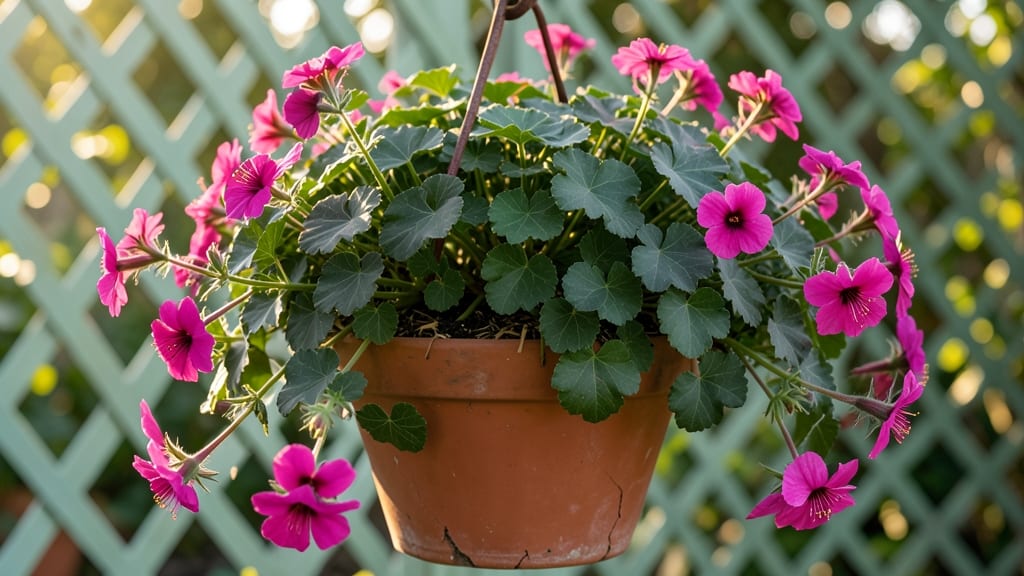
Ivy leaf geraniums (Pelargonium peltatum) turn shady corners into vibrant green waterfalls—and they survive winters that kill most trailing plants. 🌿 The secret lies in their cold tolerance and adaptability, but getting them right means understanding their quirks before planting.
These plants thrive in partial shade, where others struggle, and their trailing habit makes them perfect for hanging baskets or spilling over containers. You'll need well-draining soil and consistent moisture, but they reward patience with lush, glossy foliage and occasional blooms that last all season.
Pruning is where most gardeners trip up—too much too soon stunts growth, while neglect leads to leggy, sparse plants. Master the timing, and you'll have a disease-resistant, low-maintenance climber that outperforms fussy annuals. Even in Zone 5, they bounce back with proper winter care. Let's get yours growing strong!
📚 In This Guide
- What you need
- Instructions
- Tips and common mistakes
- Wrapping up and next steps
What you need
- ● Geranium ivy leaf plant: 1 young plant (nursery-bought, 4–6 inches tall) or
- ● Seeds (if starting from scratch—germination can be tricky!)
- ● Well-draining potting mix: 1 bag (10–15 quarts) of peat-free blend (e.g., 60% coco coir, 30% perlite, 10% compost)
- ● Container or garden bed: For containers: 1–2 hanging baskets (8–12 inches wide) or 1 large pot (12+ inches deep)
- ● For gardens: Partial-shade spot with 6+ hours of dappled light and moist, fertile soil
- ● Slow-release fertilizer: 1 lb of balanced 10-10-10 or organic 5-5-5 (for potted plants)
- ● Mulch: 2–3 inches of pine bark nuggets or shredded leaves (to retain moisture)
- ● Pruning shears: Sharp, sterilized pair (for trimming leggy growth)
- ● Spray bottle: For misting seedlings or humidity-loving cuttings
- ● Trellis or obelisk: 1–2 (if training as a climber—geranium ivy leaf loves to sprawl!)
- ● Pest control: Neem oil (1 oz spray bottle) or
- ● Insecticidal soap (for aphids/spider mites)
- ○ Grow lights (optional): LED bulb (for 12–14 hours/day if indoor-growing)
How to grow geranium ivy leaf in shade gardens
This cold-hardy climber thrives where others falter—here's how to coax its lush growth in shady corners.
🌱 Step 1: Select the Perfect Planting Site
Geranium ivy leaf (Pelargonium peltatum) loves partial to full shade, but not deep darkness. Choose a location with 3-6 hours of dappled sunlight—think filtered light through tree canopies or north-facing walls. The plant tolerates down to 20°F, making it ideal for zones 10-11, but protect it from harsh winter winds.
Test your spot by observing how light moves through it during the day. If the ground stays uniformly dark, supplement with a grow light for 4-6 hours daily. This plant’s deep green, lobed leaves will yellow if starved for light, so watch for that early sign of stress. I always plant mine near hostas or ferns—they share the same shade tolerance beautifully.
🪴 Step 2: Prepare Soil and Plant with Care
This climber prefers well-draining, slightly acidic soil with a pH of 6.0-6.5. Amend heavy clay with 2-3 inches of compost and a handful of perlite to prevent root rot. Dig a hole twice as wide as the root ball but only as deep—planting too deep suffocates the stem and invites disease.
Gently tease apart the roots if they’re circling the pot, then position the plant so the crown sits just above soil level. Backfill with native soil mixed with compost, pressing lightly to eliminate air pockets. Water deeply until moisture seeps 2 inches below the surface—this ensures roots establish quickly in their new home.
☀️ Step 3: Provide Support and Consistent Moisture
Geranium ivy leaf needs vertical support to climb, so install a 6-foot trellis, arbor, or fence within 12 inches of the planting site. The vines will latch onto any textured surface, but I recommend jute twine or wire mesh for the best grip. Train the vines by gently weaving them through the support as they grow—never force them, or you’ll snap the delicate stems.
Water 2-3 times weekly during the first growing season, keeping the soil evenly moist but not soggy. You’ll know it’s right when the top 1 inch of soil feels damp to touch but not clinging. Mulch with 2 inches of shredded bark to retain moisture and suppress weeds. This plant is drought-tolerant once established, but young vines need consistent hydration to develop strong roots.
✂️ Step 4: Prune and Encourage Bushy Growth
Pinch back the tips of new growth when stems reach 6 inches tall to encourage bushier, fuller vines. This is the secret to lush, cascading foliage—skip this step, and you’ll get long, leggy stems with sparse leaves. I prune again in early summer to shape the plant and remove any yellowed or damaged foliage.
In fall, cut back one-third of the oldest growth to stimulate fresh, vibrant shoots in spring. Use clean, sharp pruners and make cuts just above a leaf node. Avoid heavy pruning in late summer, or you’ll delay flowering and weaken the plant before winter. Deadhead spent blooms regularly to redirect energy into leaf production—this plant’s star power is its foliage, not its flowers.
⏰ Step 5: Winterize for Cold-Hardy Survival
Geranium ivy leaf handles cold better than most tropicals, but protect it from freezing winds by wrapping the trellis in burlap or placing a frost cloth over the plant after the first 25°F night. In colder zones, mound 4-6 inches of mulch around the base to insulate the roots. I’ve seen this plant bounce back from 15°F with proper protection—just don’t let the soil freeze solid.
Reduce watering in late fall, allowing the soil to dry slightly between waterings. This helps the plant enter dormancy naturally. In early spring, remove the winter protection and prune back any frost-damaged stems. New growth will appear within 2-3 weeks, signaling it’s ready to climb again. The key is patience—this plant rewards long-term care with years of lush, shade-loving beauty.
Tips & tricks for thriving geranium ivy leaf in shade
Real talk: This shade-loving climber rewards patience more than it does shortcuts. Here’s how to give it the perfect conditions without overcomplicating things.
Lighting Strategy: The 3-6 hours of dappled sunlight in Step 1 is non-negotiable—this plant will yellow if deprived, but it won’t thrive in direct sun either. I’ve found that positioning it near an east-facing window (where morning light filters gently) gives the best balance. If your space lacks natural light, supplement with a grow light on a timer for those 4-6 hours daily. LED grow lights with full-spectrum bulbs work best without overheating the foliage.
Soil Science: That pH of 6.0-6.5 in Step 2 isn’t just a suggestion—it’s critical for nutrient uptake. Test your soil with a simple kit before planting, and if it’s too alkaline, mix in sulfur or peat moss to adjust. I’ve seen geranium ivy leaf struggle in heavy clay because of poor drainage, so always add that 2-3 inches of compost and perlite. Pro tip: Water the amended soil before planting to help it settle and eliminate air pockets around the roots.
Support System: The 6-foot trellis in Step 3 might sound tall, but it’s worth it for the dramatic cascading effect. If you’re working with limited space, opt for a vertical wall planter or even a hanging basket with built-in support—just ensure the vines have something to grip. I’ve trained mine to climb a simple wooden lattice, and it thrives just as well. The key is installing support before the vines get too long, so they don’t flop or snap under their own weight.
Winter Prep: Don’t underestimate the power of that 25°F threshold in Step 5. I’ve learned the hard way that waiting until after the first frost to cover the plant can mean frost damage before you even get the frost cloth on. Mark your calendar now—once temperatures dip below 30°F at night, it’s time to act. For extra insulation in colder zones, add a layer of straw mulch over the root zone before mounding the shredded bark. This double layer has saved my plants from 15°F dips without a hitch.
Pro Tips for Geranium Ivy Leaf
- Real talk: This shade-loving climber rewards patience more than it does shortcuts.
- Lighting Strategy: The 3-6 hours of dappled sunlight in Step 1 is non-negotiable—this plant will yellow if deprived, but it won’t thrive in direct sun either.
- Soil Science: That pH of 6.0-6.5 in Step 2 isn’t just a suggestion—it’s critical for nutrient uptake.
Frequently asked questions
Got questions about growing and caring for geranium ivy leaf (Pelargonium peltatum)?
You’re not alone! Here are some of the most common concerns—plus quick, practical answers to keep your shade-loving climber thriving.
Is geranium ivy leaf really cold-hardy, or does it need winter protection?
The geranium ivy leaf is mildly cold-hardy (USDA Zones 10–11), but it’s not frost-tolerant. In cooler climates, treat it as an annual or overwinter it indoors in a pot. If left outside, mulch heavily and cover with frost cloth during light freezes. Pro tip: Prune back in early spring to encourage bushier growth!
Why are my leaves turning yellow, and how do I fix it?
Yellowing leaves often signal overwatering or nutrient deficiency. Check soil moisture—geranium ivy leaf prefers well-draining soil and hates soggy roots. Feed with a balanced liquid fertilizer (10-10-10) every 4–6 weeks during growing season. Bonus: Yellow edges? It might need more calcium or magnesium!
Can I grow geranium ivy leaf in containers, or does it need a trellis?
This trailing beauty thrives in hanging baskets or containers (12+ inches deep) as long as roots have room to spread. For a trellis, plant near a fence or pergola—its vines can climb up to 10 feet! Use a lightweight potting mix and water consistently. Tip: Pinch back tips to encourage fuller growth.
What pests should I watch for, and how do I treat them?
Common pests include aphids, spider mites, and whiteflies. Spray infested areas with neem oil or insecticidal soap for mild cases. For severe outbreaks, introduce ladybugs or use systemic granules. Preventative tip: Keep plants healthy with proper watering and airflow to deter pests!
Are there shade-tolerant alternatives if geranium ivy leaf struggles in my garden?
If your site is too dark, try these shade-friendly climbers:
- English ivy (Hedera helix) – Hardy and fast-growing.
- Sweet potato vine (Ipomoea batatas) – Bright foliage, loves partial shade.
- Clematis (Clematis spp.) – Some varieties thrive in dappled light.
- Hoya (Hoya carnosa) – Low-maintenance and drought-tolerant.
Wrapping up and next steps
Geranium ivy leaf (Clematis × jackmanii) is a stunning, cold-hardy climber that thrives in shade gardens with minimal fuss—once you’ve got the basics down!
From selecting the right soil and support structure to managing pests like aphids or powdery mildew, this guide has covered everything you need to cultivate a lush, vibrant display. 🌿
Now that you’re armed with knowledge, why not take the next step? Start small—plant a single vine in a shady corner of your garden this weekend and watch it transform your space. Happy gardening, and here’s to a thriving, pest-resistant climber that brings beauty to your outdoor oasis! 🌟