
Plants
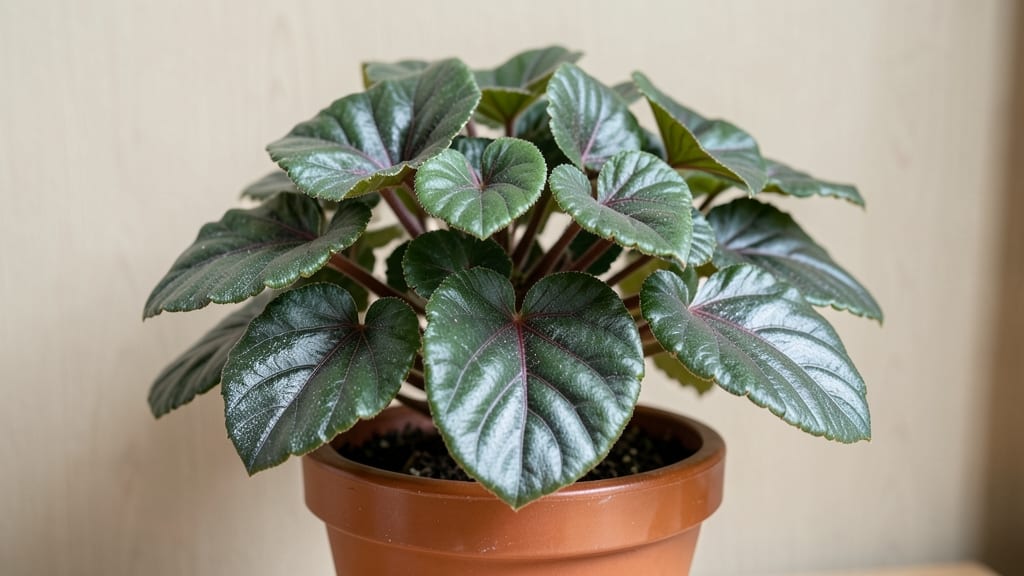
Growing green leaf begonias transforms any space into a lush, velvety green paradise—no fancy varieties needed. 🌿 These plants thrive with the right balance of light, soil, and care, and I’ve learned the exact tricks to keep them looking like they just stepped out of a greenhouse.
The secret isn’t complicated: it’s about mimicking their natural tropical habitat at home.
Start with well-draining soil and a pot with drainage holes—begonias hate soggy roots. Place them in bright, indirect light (think east-facing windows or a few feet from a south window), and water when the top inch of soil feels dry.
Overwatering is the #1 killer, so let the soil dry out between waterings. In winter, reduce watering and keep them away from cold drafts to avoid leaf drop.
Propagation is where the magic happens. Snip a healthy leaf, let the stem callus over for a day, then place it on moist soil. New plants sprout from the stem in about 4-6 weeks—it’s like watching tiny green miracles grow.
With the right care, your begonias will stay vibrant for years, their glossy leaves reaching out like hands begging to be touched.
Leggy growth? Rotate the pot weekly for even light exposure. Yellow leaves? Check for overwatering or poor drainage. These plants are forgiving once you understand their needs, and the payoff is worth every bit of effort. Ready to turn your space into a green oasis?
📚 In This Guide
- What you need
- Instructions
- Tips and common mistakes
- Wrapping up and next steps
What you need
- ● Green leaf begonia plant: 1 healthy cutting (4–6 inches long) or 1 potted plant (ensure it’s disease-free).
- ● Well-draining potting mix: 1 bag (1–2 quarts) of peat-based or African violet mix (avoid heavy garden soil!).
- ● Containers: For cuttings: 1 small pot (3–4 inches in diameter) with drainage holes or a clear plastic propagator.
- ● For mature plants: 1 pot (6–8 inches wide) with drainage holes (terracotta or ceramic preferred).
- ● Perlite or sand: 1 small bag (for improving drainage; mix 1 part perlite/sand to 3 parts potting mix).
- ○ Rooting hormone (optional but helpful): 1 small tube or powder (speeds up root growth for cuttings).
- ● Spray bottle: 1 (for misting cuttings or humidity control).
- ● Watering can or cup: 1 (with a narrow spout for gentle watering).
- ● Pruning shears or sharp scissors: 1 (sterilized with rubbing alcohol for cuttings).
- ● Plastic wrap or humidity dome: 1 (to create a mini greenhouse for cuttings).
- ● Grow lights or sunny windowsill: Access to bright, indirect light (4–6 hours daily).
- ● Fertilizer: 1 bottle of balanced liquid fertilizer (diluted to half-strength, e.g., 10-10-10).
- ○ Mulch (optional): 1 small bag of orchid bark or coconut coir (for moisture retention).
Step-by-step instructions for growing green leaf begonias
Here's how to coax those stunning, velvety green leaves into thriving plants that last all season.
🌱 Step 1: Choose the Right Location and Pot
Green leaf begonias crave bright, indirect light—think east-facing windows or a spot where morning sun fades before noon. Too much direct sun scorches their delicate leaves, while too little light causes them to stretch and lose their lush texture. I always pick a 6-8 inch pot with drainage holes (the 6-inch size works for 4 plants).
Use a well-draining potting mix—regular garden soil compacts and suffocates roots. I blend one part perlite to three parts peat-based mix to keep moisture balanced. Fill the pot to about 1 inch below the rim, leaving room for watering. Tap the pot gently to settle the soil without compacting it too much.
💧 Step 2: Plant and Water Properly
Gently remove the begonia from its nursery pot and tease the roots if they're circling tightly. Place it in the center of your prepared pot, then fill around the base with soil, pressing lightly. The top of the root ball should sit just below the pot's rim—never bury the crown (where leaves meet stem).
Water thoroughly until it drains from the bottom holes, then let it sit for 10-15 minutes to drain completely. Begonias hate soggy roots but need consistent moisture. After planting, water when the top inch of soil feels dry—stick your finger in to check. This prevents the root rot that kills so many houseplants.
☀️ Step 3: Maintain Ideal Light and Humidity
Rotate your begonia a quarter turn weekly so all sides get even light exposure. You'll notice leaves leaning toward the window? That's your cue to move it closer or add a grow light. These plants thrive in 60-75°F temperatures—keep them away from drafts, heating vents, or AC units that swing wildly.
Humidity is key for lush foliage. If your home feels dry (below 50% humidity), mist the leaves 2-3 times weekly or place the pot on a tray filled with pebbles and water. You'll see the difference immediately—the leaves stay plump and vibrant instead of crisping at the edges.
✂️ Step 4: Prune and Encourage Bushier Growth
Pinch back the tips of young stems when they reach 3-4 inches to encourage branching. This creates a fuller plant with more of those velvety leaves. Use clean scissors and make cuts just above a leaf node—never leave stubs. I also remove any yellow or damaged leaves immediately; they drain energy from the plant.
Fertilize lightly every 4-6 weeks during spring and summer with a balanced liquid fertilizer (10-10-10 ratio). Cut the dosage in half—begonias are sensitive to salt buildup from over-fertilizing. You'll know it's working when new leaves emerge larger and more vibrant than before.
🌿 Step 5: Overwinter for Next Season
When temperatures drop below 50°F, reduce watering and move your begonia to a cool, bright spot (like a north window). Stop fertilizing completely. Prune back any leggy growth and repot if roots have filled the container—this refreshes the plant for spring.
Check for pests like spider mites (tiny webs on undersides of leaves) or aphids (sticky residue). Wipe leaves with a damp cloth weekly to remove dust, which blocks light absorption. With proper care, your begonia will bounce back lush and ready for the next growing season.
Tips & tricks for perfect green leaf begonia care
Here's what nobody tells you about keeping your begonias thriving—these tricks will save you from common pitfalls and help your plants stay lush all season.
Lighting Secret: If your begonia starts stretching toward the window (a sign of legginess), it's getting too little light. Move it closer to the brightest spot you have—even a south-facing window with sheer curtains works. I've found that placing it on a rotating plant stand (turning it a quarter turn weekly) prevents uneven growth and keeps the leaves velvety instead of sparse.
Root Health Check: The 10-15 minute drainage time after watering is non-negotiable—begonias hate soggy roots. If water pools in the saucer after this period, your pot might be too small. Upgrade to a 6-8 inch container with drainage holes to prevent root rot, which often shows up as yellowing leaves or mushy stems.
Humidity Hack: For homes with dry air (below 50% humidity), I swear by the pebble tray method. Fill a shallow tray with pebbles, add water just below the top layer, and place your begonia pot on it. The evaporating water creates a natural humidity dome around the plant. You'll notice the leaves stay plump and vibrant instead of crisping at the edges—this is the difference between a thriving plant and one struggling for survival.
Pruning Pro Tip: When pinching back stems at 3-4 inches, don't be afraid to get aggressive! The more you prune, the bushier your begonia will grow. I use clean scissors and make cuts just above a leaf node—this encourages new growth from that exact spot. Remove any yellow or damaged leaves immediately; they drain energy that could be going toward those stunning new leaves.
Pro Tips for Green Leaf Begonia
- Here's what nobody tells you about keeping your begonias thriving—these tricks will save you from common pitfalls and help your plants stay lush all season.
- Lighting Secret: If your begonia starts stretching toward the window (a sign of legginess), it's getting too little light.
- Root Health Check: The 10-15 minute drainage time after watering is non-negotiable—begonias hate soggy roots.
Frequently asked questions
How often should I water my green leaf begonia?
Water your begonia when the top 1–2 inches of soil feel dry to the touch. Overwatering is the #1 killer—aim for moderate moisture (never soggy!). In summer, check soil daily; in winter, reduce to every 7–10 days. Pro tip: Use room-temperature water and a pot with drainage holes to prevent root rot.
Can green leaf begonias survive winter indoors?
These plants thrive indoors year-round with bright, indirect light (east or north-facing windows are ideal). In winter, reduce watering slightly and avoid drafts. If leaves look dull or leggy, boost humidity with a pebble tray or humidifier. Bonus: They’re perfect for adding a tropical vibe to your space!
What should I do if my begonia leaves develop brown spots?
Brown spots usually mean overwatering, low humidity, or fungal issues. First, check the soil—if it’s wet, let it dry out. Trim affected leaves with clean scissors. For humidity, mist leaves lightly or group plants together. If spots spread, treat with neem oil (follow package instructions). Prevent tip: Avoid wetting leaves when watering!
Are there alternatives to green leaf begonias for low-light spaces?
Yes! Try these low-light tolerant foliage plants:
- Snake Plant (Sansevieria): Nearly indestructible and thrives in dim corners.
- ZZ Plant (Zamioculcas): Glossy leaves and drought-resistant.
- Pothos (Epipremnum): Trailing vines that bounce back from neglect.
- Cast Iron Plant (Aspidistra): Lives up to its name—survives almost anything!
How long does it take for a green leaf begonia to grow?
New growth appears in 4–6 weeks with proper care, but full maturity (lush, bushy foliage) takes 3–6 months. Prune leggy stems to encourage bushier growth. Speed tip: Use a balanced liquid fertilizer (diluted to half-strength) every 4–6 weeks in spring/summer. Patience pays off with vibrant, healthy leaves!
Wrapping up and next steps
Growing a green leaf begonia is a rewarding journey that brings vibrant, lush foliage into your space with minimal effort! 🌿 With the right balance of light, water, and care, you’ll enjoy a thriving plant that purifies the air and brightens your home.
Whether you’re a beginner or a seasoned gardener, these secrets will help you cultivate stunning results.
Ready to take the next step? Start with a single cutting or seedling and watch your green leaf begonia flourish—soon, you’ll be sharing tips with fellow plant lovers! 🌱