
Leaf Blower
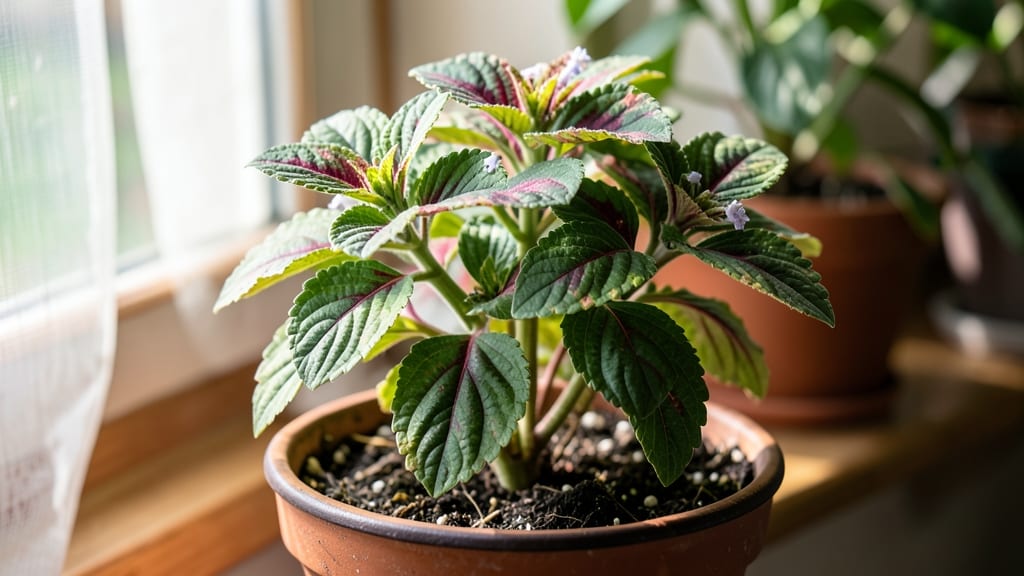
Your plants are sending an SOS with those striking red veins on the green leaf with red veins—it’s not just a color quirk, it’s a diagnostic clue your garden needs to hear. 🌿 Whether it’s a nutrient deficiency, viral infection, or environmental stress, this symptom speaks volumes about what’s wrong beneath the surface.
I’ve helped gardeners turn back the clock on this issue, and the key starts with understanding the root cause before jumping to treatments.
The first step is visual detective work: check the pattern—are veins solid red or streaked? Is the discoloration new or spreading? Magnesium or manganese deficiencies often show as yellowing between veins with red tinges, while mosaic virus creates irregular, mosaic-like patterns.
Environmental stress from heat or drought can also trigger this response, especially in plants like coleus, begonia, or Swiss chard, where red veins are actually normal—but when they appear suddenly, it’s time to investigate.
Once you’ve narrowed it down, the fix depends on the culprit: amend soil for deficiencies, remove infected plants for viruses, or adjust watering for stress. For nutrient issues, a balanced fertilizer or targeted supplement (like Epsom salt for magnesium) can restore balance in 2-4 weeks.
If pests are involved, neem oil or insecticidal soap often stops the spread before symptoms worsen.
Prevention is simpler than you think—healthy soil, proper spacing, and regular inspections keep most issues at bay. The goal isn’t just to fix the red veins but to give your plants the conditions they need to thrive year-round. Let’s get to the bottom of it before it spreads further.
Root Causes Behind Red Veins
If your once-vibrant green leaves are now showing off striking red veins, don’t panic—this isn’t always a sign of distress! The phenomenon can stem from a mix of natural processes, environmental factors, or even deliberate plant care.
Below, we break down the most common reasons why your leaves might be flaunting those bold red streaks, along with the science behind each cause.
Plants rely on a delicate balance of nutrients to thrive, and disruptions—especially in phosphorus, nitrogen, or magnesium—can trigger red veins. Here’s how it happens:
- 🔥 Phosphorus Deficiency (or Excess)
- Why it happens: Phosphorus is crucial for energy transfer in plants. A deficiency can cause red or purple hues in veins as the plant struggles to produce enough ATP (its energy currency). Conversely, too much phosphorus can also stress roots, leading to secondary nutrient imbalances that manifest as reddening.
- Actionable fix: Test your soil’s pH (ideal: 6.0–7.0 for most plants) and amend with bone meal (organic phosphorus) or compost. Avoid over-fertilizing with high-phosphorus blends.
- 💡 Nitrogen Starvation
- Why it happens: Nitrogen is the building block of chlorophyll (the green pigment). When nitrogen levels drop, the plant prioritizes veins—rich in anthocyanins (red pigments)—over leaf tissue, creating a stark contrast.
- Actionable fix: Use a balanced fertilizer (e.g., 10-10-10) or add composted manure. Leafy greens like kale or spinach may need extra nitrogen for lush growth.
- 🌡️ Magnesium Deficiency (Chlorosis)
- Why it happens: Magnesium is central to chlorophyll molecules. A deficiency causes veins to stay green while the rest of the leaf turns yellow or red. This is common in acidic soils or when potassium levels are high.
- Actionable fix: Apply Epsom salt (magnesium sulfate) (1 tbsp per gallon of water, sprayed on leaves) or use dolomitic lime to adjust soil pH.
Plants are sensitive to their surroundings, and extreme conditions can trigger red veins as a survival mechanism. Here’s how:
- 🔥 Heat Stress or Sunburn
- Why it happens: Intense sunlight or high temperatures can damage cell membranes, causing the plant to produce anthocyanins as a sunscreen. This is common in Coleus or Begonias, which naturally develop red veins in hot weather.
- Actionable fix: Provide afternoon shade for heat-sensitive plants. Mulch the soil to retain moisture and reduce temperature fluctuations.
- 🌡️ Cold Shock or Frost Damage
- Why it happens: Freezing temperatures can rupture cells, leading to oxidative stress. The plant responds by flooding damaged areas with anthocyanins to protect against further harm.
- Actionable fix: Use frost cloths or row covers for tender plants. Choose cold-hardy varieties (e.g., Kale or Swiss Chard) if you live in a chilly climate.
- 💡 Insufficient Light
- Why it happens: Low light forces plants to stretch (etiolation) and can trigger red pigment production as a stress signal. This is common in indoor plants like Pothos or Snake Plants.
- Actionable fix: Move plants to a brighter spot (e.g., near a south-facing window) or supplement with grow lights (12–16 hours/day).
Water is the lifeblood of plants, and imbalances can lead to dramatic color changes. Here’s how hydration affects vein color:
- 💧 Overwatering (Root Rot Risk)
- Why it happens: Soggy soil cuts off oxygen to roots, triggering stress hormones like ethylene. This can cause red veins as the plant redirects resources to survive.
- Actionable fix: Ensure pots have drainage holes and water only when the top 1–2 inches of soil are dry. Use well-draining soil mixes (e.g., cactus soil for succulents).
- 🌵 Underwatering (Drought Stress)
- Why it happens: When roots can’t absorb enough water, the plant conserves moisture by shutting down less critical functions—like chlorophyll production in leaf edges—while veins remain active.
- Actionable fix: Water deeply but infrequently (e.g., every 7–10 days for most plants). Group plants with similar water needs together.
- 🌡️ Temperature Fluctuations
- Why it happens: Rapid changes (e.g., cold nights + hot days) can cause water uptake issues, leading to vein reddening. This is common in Tomatoes or Peppers.
- Actionable fix: Mulch heavily to stabilize soil temperature and avoid overhead watering in the evening.
Some pests don’t just damage leaves—they alter pigment production as a stress response. Watch for these culprits:
- 🐜 Spider Mites or Aphids
- Why it happens: These sap-sucking pests inject toxins that disrupt nutrient flow, causing red veins as the plant fights back.
- Actionable fix: Spray leaves with neem oil or introduce beneficial insects like Ladybugs. Prune heavily infested areas immediately.
- 🍄 Fungal or Bacterial Infections
- Why it happens: Pathogens like Verticillium wilt or Bacterial leaf spot can block nutrient transport, leading to reddening in veins.
- Actionable fix: Remove infected leaves and treat with copper fungicide. Improve airflow around plants to prevent spores.
Pro Tip: 🌿 If your plant’s red veins are intended (e.g., Coleus or Rhubarb), they’re likely a natural trait! But if the rest of the leaf is yellowing or wilting, act fast—it’s a stress signal, not a beauty feature.
Revive Your Leaves Naturally
If your plants are showing unexpected red veins or leaf discoloration, don’t panic—there’s a solution for every cause! Below, we’ll break down the most common reasons behind this striking (but often unwanted) color shift and provide practical, step-by-step fixes to restore your garden’s lush greenery.
Plus, we’ll share prevention tips to keep your plants thriving all year.
If your soil stays soggy or waterlogged, roots struggle to breathe, leading to stress—and those reddish veins can be a cry for help. Here’s how to turn things around:
- 🔥 Step 1: Check the Soil Stick your finger 1-2 inches into the soil. If it feels damp or sticky, you’re overwatering. Fix: Let the top layer dry out completely before watering again.
- 🍳 Step 2: Improve Drainage Amend heavy clay soil with organic matter like compost or perlite (1 part organic matter to 3 parts soil). For potted plants, ensure drainage holes are clear.
- 👨🍳 Step 3: Adjust Watering Habits Water deeply but infrequently. Aim for 1-2 times per week (adjust based on climate). Use a moisture meter for accuracy.
- ⏰ Prevention Tip: 💡 Test your soil’s drainage by filling a pot with soil and water—if it drains in under an hour, you’re good. If not, add sand or gravel.
Too much nitrogen or a deficiency in key nutrients (like magnesium or iron) can trigger reddish veins. Here’s how to balance it:
| Symptom | Likely Cause | Solution |
|---|---|---|
| Bright red veins | Excess nitrogen | 🌱 Reduce synthetic fertilizers; switch to balanced (10-10-10) or organic options. |
| Yellowing between veins | Magnesium deficiency | 🍎 Apply Epsom salt (1 tbsp per gallon of water) monthly. |
| Pale leaves with red edges | Iron or manganese lack | 💪 Use chelated iron or add compost to boost micronutrients. |
- 🎯 Prevention Tip: ✨ Conduct a soil test every 2-3 years to avoid guesswork. Many local extension offices offer affordable testing.
Intense sunlight or sudden heatwaves can cause leaves to bleach or develop red veins as a protective response. Cool things down with these fixes:
- 🌡️ Step 1: Provide Shade Use shade cloth (30-50%) or move potted plants to a spot with morning sun only.
- 💦 Step 2: Increase Humidity Group plants together or use a pebble tray with water underneath pots to add moisture to the air.
- 🌿 Step 3: Mulch Generously Apply 2-3 inches of mulch (straw, wood chips) to retain soil moisture and regulate temperature.
- 🔥 Prevention Tip: 🌡️ Water early in the morning to reduce evaporation and leaf scorch.
Sap-sucking pests (like spider mites or aphids) or fungal infections can stress plants, leading to reddish discoloration. Act fast with these remedies:
- 🔪 Step 1: Inspect Leaves Look for tiny webs, sticky residue (honeydew), or spots. Isolate affected plants to prevent spread.
- 🍳 Step 2: Treat Naturally
- Pests: Spray with neem oil (1 tsp per quart of water) or introduce ladybugs.
- Fungus: Apply baking soda spray (1 tsp baking soda + 1 quart water + drop of soap).
- 👨🍳 Step 3: Boost Plant Immunity Feed with compost tea or seaweed extract to strengthen natural defenses.
- 💡 Prevention Tip: 🌿 Encourage beneficial insects (like lacewings) by planting marigolds or dill nearby.
With these targeted fixes, your plants should bounce back to their vibrant green in 2-4 weeks. Remember: consistency is key—whether it’s adjusting water, soil, or sunlight, small changes add up to big results. Happy gardening! 🌱✨
Frequently asked questions
Are red veins in leaves always a sign of a problem?
Not necessarily! Some plants naturally develop red veins, like Coleus or Rhubarb. However, if the rest of the leaf is yellowing, wilting, or showing other signs of distress, it’s likely a stress signal—check for nutrient deficiencies, pests, or environmental issues.
How can I tell if red veins are from pests vs. nutrient issues?
Look for tiny webs, sticky residue (honeydew), or small bugs—these are signs of pests like spider mites or aphids. Nutrient issues often show as yellowing between veins or pale leaves with red edges. Test your soil if you’re unsure!
Can I fix red veins caused by heat stress?
Yes! Move heat-sensitive plants to a shadier spot (especially in the afternoon) and mulch heavily to regulate soil temperature. Water deeply in the morning to reduce evaporation. Most plants recover within 2-3 weeks with these adjustments.
Is Epsom salt safe for all plants with red veins?
Epsom salt (magnesium sulfate) helps with magnesium deficiencies, but it’s not a cure-all. Avoid using it on plants with excess nitrogen or fungal issues. Always test a small area first—some plants (like azaleas) prefer acidic soil and may react poorly.
Will pruning leaves with red veins help my plant?
Pruning can help if the red veins are paired with yellowing, wilting, or pest damage. Remove only the most affected leaves to redirect the plant’s energy. Avoid over-pruning—focus on fixing the root cause (nutrients, water, or pests) for long-term health.