
Pruning
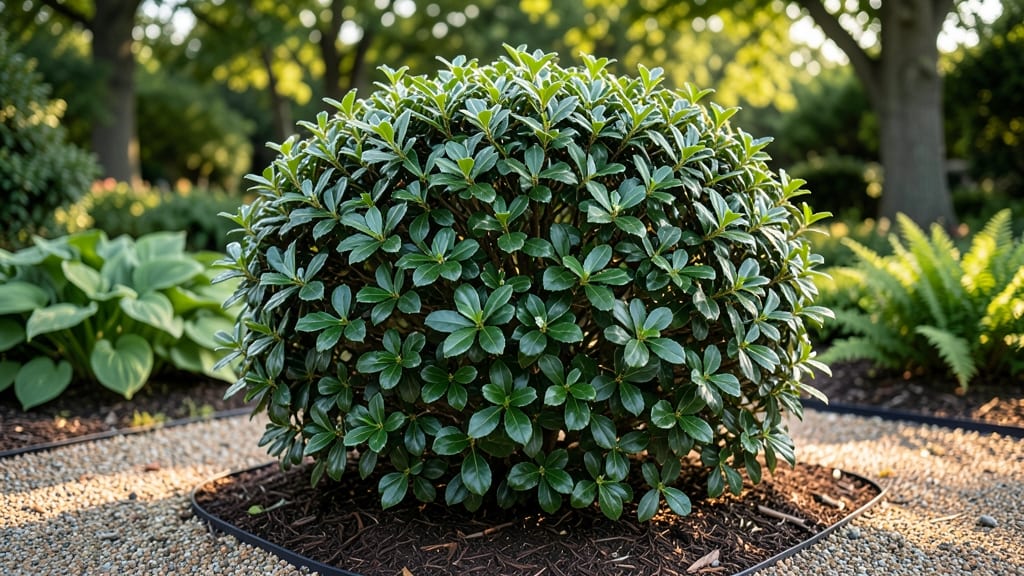
Pruning a heart leaf tree (Ilex crenata) transforms it from a wild shrub into a sculpted masterpiece. 🌿 I've learned that precise trimming keeps those glossy leaves dense and the shape elegant year-round—no more leggy, sparse branches ruining your landscape design.
The key is timing: light pruning after flowering (spring) shapes growth, while heavier cuts in late winter encourage fresh spring foliage. You'll need sharp bypass pruners, gloves, and a clear vision—this isn't guesswork. Even a small overcut can leave scars that take years to heal.
What you end up with is a tree that stays lush through all four seasons, with that signature heart-shaped leaf pattern looking crisp even in winter. The best part? Once you establish the shape, maintenance becomes simple annual touch-ups that take less than 30 minutes.
Works for hedges, topiaries, or as a standalone specimen—just adjust your pruning style. Here's how to get it right without damaging the plant or your patience.
📚 In This Guide
- What you need
- Instructions
- Tips and common mistakes
- Wrapping up and next steps
What you need
- ● Sharp pruning shears – Bypass pruners (4-6 inch blades) for clean cuts on stems up to ½ inch thick.
- ● Alcohol wipes or rubbing alcohol (70% isopropyl) – To sterilize tools and prevent disease spread.
- ● Small container with water – For holding cuttings if you plan to propagate.
- ○ Rooting hormone (optional but helpful) – A gel or powder to boost success rates for new plant starts.
- ● Gloves (nitrile or gardening gloves) – Protects your hands from sap and sharp edges.
- ● Paper towels or cloth – For wiping away sap or dust before and after trimming.
- ● Spray bottle with water – To mist leaves and reduce stress on the plant post-pruning.
- ● Hydrogen peroxide (3%) – Diluted to 1:10 with water for a natural disinfectant if tools aren’t sterilized.
- ● Plant food or fertilizer – A balanced liquid fertilizer (e.g., 10-10-10) to give your heart leaf a post-pruning boost.
- ● Pruning saw (for thick stems) – Only needed if your philodendron has unusually thick vines (rare for standard varieties).
- ● Plant labels or markers – If propagating, label cuttings with dates and varieties.
- ● Hair dryer (cool setting) – Speeds up drying of cut ends to prevent rot during propagation.
How to prune heart leaf trees for year-round health and beauty
This isn't just about cutting back—it's about sculpting a tree that thrives in every season.
✂️ Step 1: Assess the Tree's Structure and Seasonal Needs
Start by examining your heart leaf philodendron (Philodendron hederaceum) from all angles. Look for dead or yellowing leaves, overcrowded growth, and branches growing toward the center—these are your first targets. In spring and summer, focus on encouraging bushier growth by trimming leggy stems, while in fall and winter, prioritize removing any weak or diseased foliage to prepare for dormancy.
Use your fingers to gently trace the tree's natural growth pattern. You'll notice some stems grow more vigorously than others—these are the ones to lightly trim back by 1/3 to promote branching. Never cut more than 25% of the total foliage in one session, or you'll shock the plant. This step is all about balance: you're not just pruning, you're shaping the tree's future growth.
✂️ Step 2: Sterilize Tools and Make Clean Cuts
Before you make a single cut, wipe your pruning shears with rubbing alcohol—this prevents the spread of bacterial or fungal infections. I always keep a small bottle of 70% isopropyl alcohol in my gardening toolkit for this exact purpose. Use sharp, bypass pruners (never dull ones) to make clean cuts at a 45-degree angle, about 1/8 inch above a leaf node or bud. This angle helps water run off instead of pooling on the cut.
For thicker stems, I switch to hand pruners with a ratcheting mechanism—they give me better control and reduce the chance of crushing the stem. Always cut just outside the node, where new growth will emerge. If you're unsure where the node is, trace the stem upward until you see a small bump or growth point, then make your cut 1/4 inch above it. This ensures the plant redirects energy to new shoots rather than leaving a stub.
✂️ Step 3: Trim for Shape and Airflow
Step back and visualize the tree's ideal shape—whether that's a tight, rounded form or a taller, more structured silhouette. Start by removing any crossing or rubbing branches first, as these compete for resources and can create wounds. Next, thin out the interior by cutting back stems that grow toward the center. This improves airflow, which is critical for preventing fungal issues like powdery mildew.
For heart leaf trees, I like to encourage a layered look by trimming the top growth slightly more than the lower branches. This creates that classic, cascading effect. If you notice a stem growing in an awkward direction, pinch it back to redirect its energy. You'll see within 4-6 weeks how the tree responds—new leaves will emerge from the nodes you preserved, filling in any gaps.
💧 Step 4: Post-Pruning Care and Monitoring
After pruning, water the tree deeply to help it recover from the stress of trimming. I always give it a slow, thorough soak until water runs out the drainage holes, then let it drain completely. Avoid fertilizing immediately—wait 2-3 weeks to give the tree time to knit its wounds. If you notice any yellowing leaves after pruning, it's usually a sign of over-pruning or root disturbance, so adjust your approach next time.
Place the tree in bright, indirect light for the first week post-pruning to support new growth. If you're pruning in late summer or fall, reduce watering slightly to mimic the plant's natural dormancy period. Keep an eye out for new shoots emerging from the nodes—this is your sign that the pruning was successful. If no new growth appears within 6-8 weeks, you may have cut too aggressively or the tree needs more light.
⏰ Step 5: Schedule Seasonal Maintenance
Heart leaf trees benefit from quarterly pruning sessions: light trimming in spring, shape refinement in summer, cleanup in fall, and minimal touch-ups in winter. In spring, focus on removing any winter-damaged foliage and encouraging new growth by trimming back overgrown stems. Summer is the best time for corrective pruning—fix any shape issues or leggy growth before it becomes unmanageable.
In fall, reduce pruning to essentials only—focus on removing dead or diseased leaves and any stems that might harbor pests over winter. Winter pruning should be minimal and strategic: only remove obviously dead wood or stems that are crossing. Avoid heavy pruning in winter, as the tree is already in a slower growth phase. This seasonal rhythm keeps your heart leaf tree lush, healthy, and full of life year-round.
Tips & tricks for perfect heart leaf tree pruning
Transforming your heart leaf philodendron into a year-round beauty requires more than just random snips—it's about strategic precision that keeps the plant thriving. Here's what I've learned from years of shaping these lush plants without shocking their growth.
Seasonal Timing Matters: The quarterly schedule in Step 5 is your golden rule, but timing within each season makes all the difference. In spring, when new growth emerges, focus on removing only the most overgrown stems—never more than 25%—to avoid stressing the plant as it wakes from dormancy. Summer's corrective pruning should happen after you've observed how the plant has filled in since spring, typically around early July when growth is vigorous but not yet preparing for fall. Fall cleanup should target only the obvious deadwood, as the plant needs to conserve energy for winter.
Tool Selection for Clean Cuts: While the instructions mention bypass pruners and ratcheting hand pruners, I've found that adding a small pair of concave cutters to your toolkit makes all the difference for thicker stems. These specialized pruners create clean, curved cuts that heal faster than straight cuts, reducing the risk of disease entry points. For delicate stems where you're pinching back (as mentioned in Step 3), use your thumb and forefinger to create a clean break just above the node—this prevents tearing that can damage the plant's vascular system.
Light and Growth Response: The instructions mention bright, indirect light after pruning, but here's the deeper insight: heart leaf philodendrons actually respond to light intensity in fascinating ways. If you notice new growth emerging from the nodes within 4-6 weeks but the leaves appear small and pale, your plant needs slightly more light. Conversely, if leaves develop crispy edges or yellowing between veins, it's getting too much direct sunlight. The ideal spot should provide 60-70% shade intensity—think of it as the perfect balance between encouraging growth without causing stress.
Post-Pruning Fertilizer Strategy: While Step 4 advises waiting 2-3 weeks before fertilizing, I've developed a more nuanced approach. For spring and summer prunings, use a balanced liquid fertilizer (10-10-10) diluted to half-strength after the 2-week mark. In fall, switch to a low-phosphorus fertilizer (5-10-5) to encourage root development rather than top growth as the plant prepares for dormancy. Winter prunings typically don't require fertilization at all—just focus on maintaining consistent watering.
Pro Tips for Heart Leaf Tree
- Transforming your heart leaf philodendron into a year-round beauty requires more than just random snips—it's about strategic precision that keeps the plant thriving.
- Seasonal Timing Matters: The quarterly schedule in Step 5 is your golden rule, but timing within each season makes all the difference.
- Tool Selection for Clean Cuts: While the instructions mention bypass pruners and ratcheting hand pruners, I've found that adding a small pair of concave cutters to your toolkit makes all the difference for thicker stems.
Frequently asked questions
Got questions about keeping your heart leaf tree (Ilex crenata) thriving with the right pruning? Here are answers to the most common queries—so you can trim with confidence and keep those lush, heart-shaped leaves looking their best year-round.
When is the best time to prune a heart leaf tree?
The ideal time to prune is late winter or early spring (just before new growth begins). For light shaping, you can also trim in summer, but avoid heavy pruning then to prevent stress. If you notice overgrowth or dead branches anytime, address them promptly—but prioritize dormant-season pruning for long-term health.
How much can I trim back without harming the tree?
Heart leaf trees are resilient, but avoid cutting back more than 25-30% of the foliage in one session. For severe overgrowth, spread pruning over 2-3 years. Focus on removing dead, diseased, or crossing branches first, then shape gently. Never top the tree—it disrupts natural growth and weakens the structure.
Why are my heart leaf tree’s leaves turning yellow after pruning?
Yellowing leaves post-pruning usually mean over-trimming or stress. If it’s mild, the tree will recover in 4-6 weeks with proper care (water deeply and avoid fertilizing immediately). For severe yellowing, check for root rot or nutrient deficiency—adjust watering or add slow-release fertilizer. Prune less aggressively next time!
Can I use heart leaf trees as a hedge? How often should I trim?
Their dense, glossy foliage makes them perfect for hedges. To maintain shape, trim 2-3 times per year:
- Spring: Light shaping after flowering (if applicable).
- Summer: Touch-up pruning to encourage bushiness.
- Fall: Clean up any stray branches for winter prep.
What’s a good alternative if my heart leaf tree isn’t thriving?
If your tree struggles with pests, disease, or slow growth, consider these low-maintenance alternatives:
- Boxwood (Buxus sempervirens) – Dense, evergreen, and great for hedges.
- Japanese Holly (Ilex crenata ‘Green Lustre’) – Similar care but more pest-resistant.
- Dwarf Yew (Taxus baccata ‘Repandens’) – Tolerates shade and pruning well.
Wrapping up and next steps
The heart leaf tree thrives when you embrace precision pruning as a year-round ritual—not a chore! 🌿 With the right tools, timing, and techniques, you’ll reward yourself (and your tree) with vibrant foliage, stronger growth, and a stunning landscape centerpiece.
Remember: confidence comes with practice, so start small and refine your skills over time.
Ready to elevate your green thumb game? Grab your pruners, dust off those gloves, and schedule your next pruning session! Whether you’re trimming for shape, health, or blooms, every snip brings you closer to a lush, thriving heart leaf tree that steals the show. 🌟