
Pests and Diseases
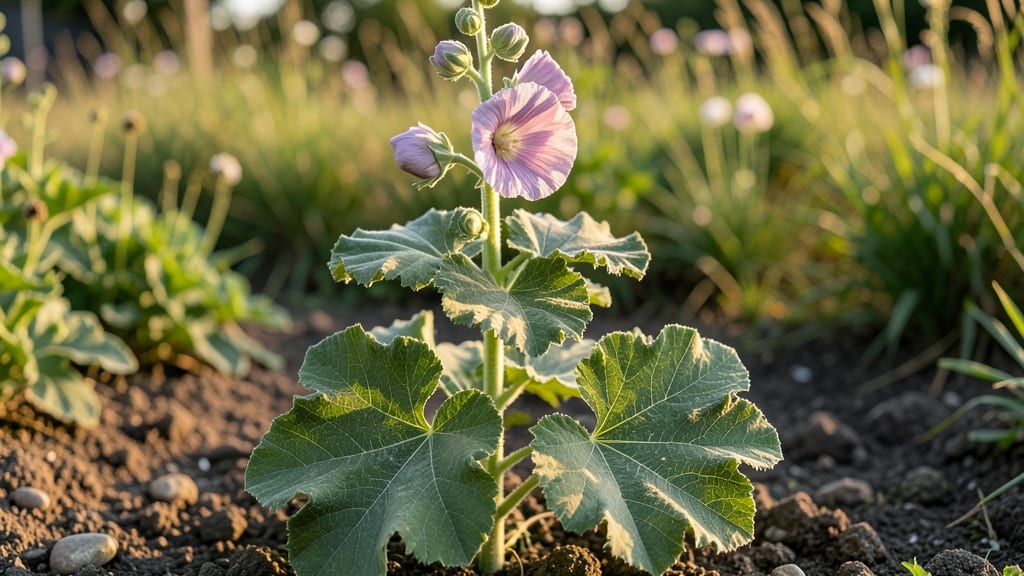
The hollyhock leaf shape is characterized by large, deeply lobed, palmate leaves with 3 to 7 pointed segments, but irregularities like curling, yellowing, or stunted growth often indicate underlying issues such as pests, disease, or nutrient imbalances. Addressing these problems through proper care and pruning can help restore their natural form.
Hollyhocks are prized for their striking foliage, where each leaf typically unfurls into a broad, hand-like shape with distinct lobes. 🌿 When leaves start curling at the edges or developing yellow patches, it’s often a sign of stress—whether from overwatering, poor soil drainage, or an infestation of spider mites.
I’ve found that regular inspection during the growing season helps catch these issues early, before they spread. The key is balancing moisture, sunlight, and nutrients while removing affected leaves promptly to prevent further damage.
For example, powdery mildew—a common fungal issue—can cause white, powdery coatings on leaves, warping their natural shape. 💫 This problem thrives in humid conditions, so improving airflow around plants and applying a fungicide can make a noticeable difference.
Meanwhile, nutrient deficiencies, like a lack of nitrogen or magnesium, often show up as discoloration or stunted growth, which can be corrected with targeted soil amendments or organic fertilizers.
💡 In This Article
- Understanding Hollyhock Leaf Anatomy and Growth Patterns
- Diagnosing and Correcting Hollyhock Leaf Distortions
Understanding hollyhock leaf anatomy and growth patterns
The hollyhock leaf's iconic shape begins with its palmate structure, where 5-7 lobes radiate from a central point like fingers on a hand. Each lobe typically measures 2-4 inches long and 1-2 inches wide, with jagged, serrated edges that create a textured silhouette.
The leaf's deep lobes maximize surface area for photosynthesis while reducing water loss—a clever adaptation for their native habitats in dry, rocky soils. 🌿 The veins form a network of thick, prominent lines that branch outward from the central stem, giving the leaf both structural support and efficient nutrient transport.
Genetic factors play a huge role in leaf shape variations. Some hollyhock varieties, like the Alba cultivar, have broader, more rounded lobes, while others like Black Night develop narrower, more elongated segments. Environmental stress can dramatically alter this natural form.
For instance, excessive moisture causes leaves to yellow and develop chlorotic spots (pale areas) due to poor nutrient uptake, while drought triggers curling to conserve water. Temperature extremes also warp growth—leaves grown in below 50°F nights often develop stunted, irregular lobes as metabolic processes slow down. 💫
Fungal infections like powdery mildew (caused by Erysiphe cichoracearum) create a white, powdery coating that distorts leaf edges and causes them to pucker. This pathogen thrives in humid conditions above 75% relative humidity, where spores germinate and spread rapidly.
The mildew's mycelium penetrates leaf tissues, disrupting cell development and leading to those characteristic curled, deformed lobes. Similarly, bacterial leaf spot (from Xanthomonas) creates water-soaked lesions that eventually dry into brown, irregular patches, further altering the leaf's natural shape. 🔥
Light exposure is another critical factor. Hollyhocks grown in partial shade (3-6 hours of direct sunlight) develop broader, softer lobes compared to those in full sun, which produce more compact, leathery leaves.
The chlorophyll content varies too—shaded leaves often appear darker green due to increased chlorophyll production, while sun-exposed leaves develop a lighter, almost silvery hue. This adaptation helps reflect excess light and heat, preventing leaf burn. 🌟
Soil composition affects leaf development in subtle but noticeable ways. Sandy soils with poor organic matter lead to smaller, thinner leaves due to limited nutrient availability, while rich, loamy soils produce the large, robust lobes hollyhocks are known for.
The ideal soil pH range of 6.0-7.5 ensures proper nutrient uptake, particularly for magnesium (which prevents yellowing between veins) and nitrogen (essential for leaf expansion). When these conditions aren't met, leaves may develop distorted shapes or fail to reach their full size. ✨
One fascinating detail is how hollyhock leaves change as the plant matures. Young leaves emerge as tightly furled buds, gradually unfurling over 7-10 days to reveal their full lobed structure.
The first leaves of the season often appear slightly smaller and darker than later growth, as the plant prioritizes establishing roots before focusing on foliage. This seasonal variation is why gardeners sometimes mistake early-season leaves for disease—when they're actually just following the plant's natural growth cycle. 💫