
Leaf Blower
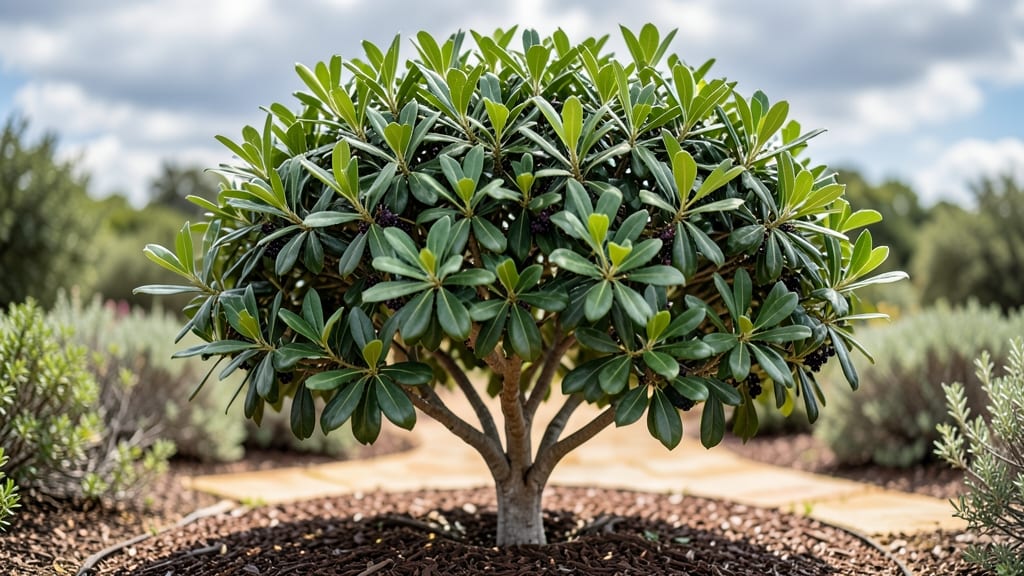
A bay leaf tree can grow anywhere from 15 to 40 feet tall 🌿, depending on its variety and growing conditions—so whether you’re dreaming of a kitchen garden or a container plant, size matters.
If you’ve ever imagined plucking fresh bay leaves for your favorite recipes but hesitated because of space concerns, you’re not alone. This versatile evergreen can be pruned to stay compact, or left to reach its full towering height in the right setting.
Understanding its growth potential helps you plan for the right spot, whether that’s a sunny backyard corner or a large pot on your patio. With the right care, you can enjoy its fragrant leaves year-round without sacrificing space.
Below, I’ll break down how to control its height, the best varieties for small spaces, and simple care tips to keep your bay leaf tree thriving—no matter how tall you want it to grow.


Bay leaf tree height by variety: sweet vs. hardy types compared
If you're planning to grow a bay leaf tree (Laurus nobilis) for your kitchen garden, knowing how tall it can grow is crucial for space planning.
The mature height of bay trees varies dramatically between sweet bay varieties and hardy bay types, with some reaching towering heights while others stay compact enough for containers. Let's break down the key differences so you can choose the perfect variety for your space.
The classic sweet bay (Laurus nobilis) is the most common type used in cooking, but its height range spans from 15 to 40 feet when grown outdoors. This makes it a large shrub or small tree that needs ample space.
However, many gardeners prefer dwarf varieties that stay under 12 feet, making them ideal for patios or kitchen gardens. Understanding these differences will help you select the right type for your growing conditions.
Here’s a quick comparison to help visualize the growth differences between standard and dwarf bay leaf trees. The comparison table below highlights the mature heights, growth habits, and ideal spacing for each variety, so you can plan your garden layout accordingly.
| Variety | Mature Height | Growth Habit | Ideal Spacing | Best For |
|---|---|---|---|---|
| Sweet Bay (Standard) | 15–40 ft | Upright, multi-stemmed | 15–20 ft apart | Large gardens, privacy screens |
| Dwarf Sweet Bay | 6–12 ft | Compact, rounded | 8–10 ft apart | Containers, patios, small gardens |
| Hardy Bay (Laurus nobilis 'Angustifolia') | 10–20 ft | Narrow, upright | 10–15 ft apart | Small gardens, hedges |
| Dwarf Hardy Bay | 4–8 ft | Bushy, multi-branched | 6–8 ft apart | Containers, indoor-outdoor use |
| Aurea (Golden Bay) | 12–18 ft | Upright with golden leaves | 12–15 ft apart | Ornamental gardens, focal points |
For kitchen gardeners, the dwarf varieties are often the best choice because they fit easily into containers or small spaces while still producing aromatic leaves for cooking. A 6-foot-tall dwarf bay can thrive in a large pot on your patio, providing fresh leaves year-round without taking up much room.
If you have a larger outdoor space, the standard sweet bay will thrive and even provide privacy when planted in a row.
One key factor affecting height is pruning. Regular pruning can keep even standard varieties under control, while neglect can lead to unruly growth and heights exceeding expectations. If you’re growing bay leaves in containers, choose a dwarf variety and prune regularly to encourage bushiness and prevent legginess.
This approach ensures you get the best flavor and healthiest growth without sacrificing space.
The hardy bay varieties, like 'Angustifolia,' are slightly more cold-tolerant and often grow slightly shorter than standard sweet bay. These are excellent for smaller gardens or climates with colder winters, as they handle frost better while still reaching 10–20 feet at maturity.
If you’re in a USDA Zone 6 or colder, these varieties are a safer bet for outdoor planting.
When planning your bay leaf tree placement, consider not just height but also spread. Mature bay trees can grow 10–15 feet wide, so give them plenty of room to avoid overcrowding.
In container gardening, use pots that are at least 18–24 inches wide for dwarf varieties to ensure healthy root growth. Smaller pots will restrict growth but may limit leaf production over time.
If you’re growing bay leaves for culinary use, remember that the smaller the tree, the more frequent you’ll need to harvest leaves to keep it shaped. A well-pruned dwarf bay can produce just as many leaves as a larger tree but in a fraction of the space.
This makes it perfect for urban gardens or apartments with balconies. Just be sure to prune in late winter or early spring to encourage new growth for the season.
Whether you choose a towering sweet bay or a compact dwarf variety, understanding the height differences will help you create a thriving bay leaf garden that fits your space and meets your cooking needs.
With the right variety and care, you’ll enjoy fresh, fragrant bay leaves year-round—no matter how much space you have to work with! 🌿
How to control bay leaf tree height naturally: pruning and growth tips
Bay leaf trees (Laurus nobilis) can reach 15-40 feet tall if left unchecked, but with the right techniques, you can easily manage their height—whether you’re growing them in containers or your backyard.
The key lies in pruning strategies, seasonal care, and understanding how container size affects growth. Let’s explore how to keep your bay leaf tree at your desired height without sacrificing its health or flavor.
First, recognize that dwarf varieties exist, like the 'Angustifolia' cultivar, which tops out around 8-12 feet. However, even standard varieties can be pruned to stay compact. Start by pruning in late winter or early spring, just before new growth begins.
This timing ensures you’re not cutting into dormant buds and encourages a bushier, more manageable shape.
⚠️ callout warning ⚠️
A bay leaf tree left unpruned can grow 1-2 feet per year, reaching 20+ feet in just a decade. Prune aggressively in its first 2 years to set the foundation for a smaller tree. Overpruning later won’t reverse early growth spurts.
To control height naturally, focus on selective pruning. Remove 1/3 of the tallest branches each year, cutting just above a leaf node or outward-facing bud. This encourages lateral growth and prevents the tree from shooting upward.
For container-grown bay leaf trees, limit root space by using pots no larger than 20-24 inches in diameter—this restricts height by limiting nutrient and water access to the roots.
Seasonal care plays a crucial role. In summer, pinch back new growth tips to redirect energy toward leaf production (which is what you’re growing for!). Avoid heavy pruning during this time, as it can stress the tree.
Instead, focus on light trimming to maintain shape. In fall, reduce watering slightly to slow growth before winter dormancy, which naturally curbs height increases.
Common mistakes that lead to overgrowth include pruning at the wrong time (like summer) or using dull tools that tear branches instead of making clean cuts. Always use sterilized pruners and cut at a 45-degree angle just above a bud.
Another pitfall is over-fertilizing, which fuels rapid, unchecked growth. Stick to a balanced 10-10-10 fertilizer applied every 4-6 weeks during the growing season.
For container growers, repotting every 2-3 years into a slightly larger pot (just 2-4 inches wider) helps manage height. If you notice roots circling the pot, it’s time to prune the roots gently and refresh the soil.
This practice, combined with regular pruning, can keep a bay leaf tree under 6 feet even in standard varieties. With patience and consistency, you’ll enjoy fresh bay leaves without sacrificing your garden’s layout.