
Plants
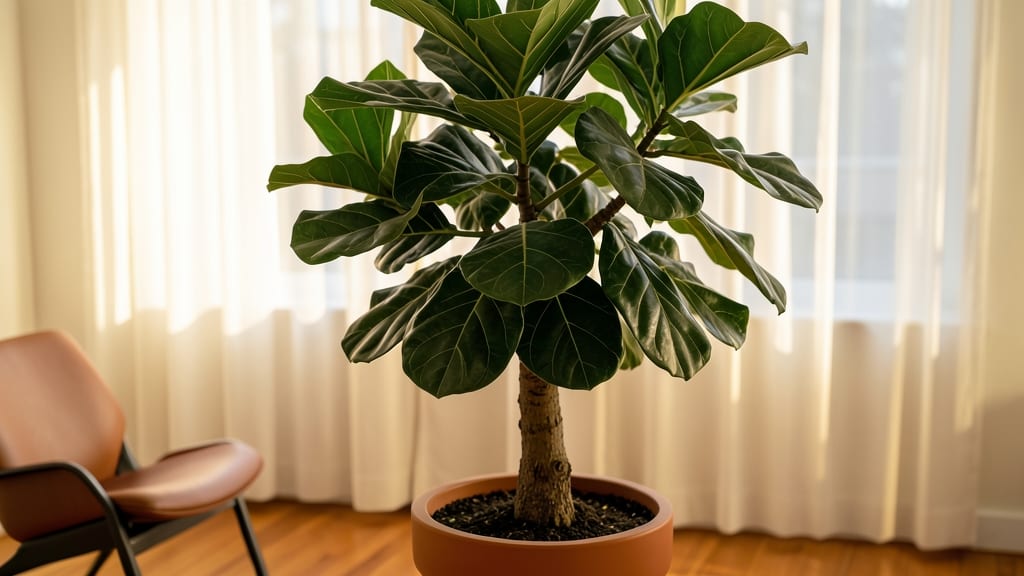
A fiddle leaf fig grows how tall does a fiddle leaf fig grow between 5 and 10 feet indoors, but its height depends entirely on light, pruning, and care—so if you’re eyeing one for your living room, here’s the real deal on how to control its size.
Picture this: your dreamy 8-foot centerpiece suddenly stretching toward the ceiling like a jungle escapee. That’s not just bad luck—it’s a plant that’s either thriving too well or begging for attention you’re not giving it.
The good news? With the right approach, you can keep it compact, bushy, and exactly the statement piece you envisioned.
This isn’t just about measuring tape—it’s about understanding growth stages. A 1-year-old fiddle leaf fig might only hit 1-2 feet, but by year three, it’s racing toward 5-8 feet if left unchecked.
We’ll break down the timeline, the pruning secrets, and the common mistakes that turn your tropical beauty into a vertical monster.
By the end, you’ll know how to shape its growth, spot the warning signs of stunted or out-of-control height, and even compare dwarf varieties to standard types. Let’s get your 🌿 plant’s height on the right track—without sacrificing its stunning foliage.


Fiddle leaf fig height by age: growth stages explained
If you’ve ever wondered how tall your fiddle leaf fig will grow, the answer depends entirely on its age and care conditions. This stunning tropical plant starts small but can become a 10-foot indoor tree with proper conditions.
Understanding its growth stages helps you plan for space, pruning, and long-term care like a pro.
From a 1-foot seedling to a mature plant reaching ceiling heights, each growth stage brings unique needs. Let’s break down the exact heights you can expect at key milestones, plus what makes some fiddle leaf figs grow faster (or slower) than others.
| Age Stage | Average Height | Key Growth Factors | Care Tip |
|---|---|---|---|
| Seedling (0-6 months) | 6-12 inches | Light exposure, humidity, soil moisture | Use grow lights if natural light is low |
| Year 1 (6-12 months) | 1-2 feet | Bright indirect light, balanced fertilizer | Repot if roots outgrow container |
| Year 2 (1-2 years) | 3-5 feet | Consistent watering, humidity levels | Prune leggy stems to encourage bushiness |
| Year 3+ (Mature) | 5-10 feet | Light levels, seasonal changes, pruning | Rotate plant for even growth |
Your fiddle leaf fig’s height at 1 year old typically ranges from 1 to 2 feet, but this can double if given ideal conditions like bright indirect light and consistent humidity. Many gardeners notice rapid growth during spring and summer when the plant enters its active growth phase.
By year 3, most fiddle leaf figs reach their mature height range of 5-10 feet, though some varieties like the ‘Tiny’ cultivar stay shorter at 4-6 feet.
The key difference between fast and slow growth often comes down to light exposure—plants near south-facing windows grow taller faster than those in dim corners.
One common misconception is that fiddle leaf figs grow at a steady rate. In reality, their growth can spurt during spring and then slow in fall and winter. If your plant seems stagnant, check for root-bound conditions or nutrient deficiencies, which can halt vertical growth entirely.
For indoor growth, ceiling height becomes a limiting factor. If your plant reaches 8 feet and you want to keep it smaller, pruning in late winter encourages bushier growth. Outdoor fiddle leaf figs in USDA Zone 10+ can grow even taller, sometimes exceeding 12 feet with proper care.
Light is the single biggest factor in determining your fiddle leaf fig’s height. Plants receiving 6+ hours of bright indirect light per day grow 30-50% taller than those in low-light conditions. If your plant starts stretching toward light sources, it’s a clear sign it needs more illumination.
Another critical factor is pruning frequency. Regular pruning every 6-12 months keeps your fiddle leaf fig at a manageable height while promoting denser foliage. Without pruning, some plants can grow uncontrollably tall, reaching 10+ feet indoors within 5 years.
If you’re growing a fiddle leaf fig in a container, root restrictions can actually slow vertical growth while encouraging bushier habits. For maximum height control, choose pots that are 1-2 inches wider than the plant’s current root ball and repot every 2-3 years.
Remember that every fiddle leaf fig has its own growth personality. Some may grow 2 feet in their first year, while others take 3 years to reach 3 feet. The key is observing your plant’s unique response to your care routine and adjusting accordingly.
How to control fiddle leaf fig height: pruning and care tips
Your fiddle leaf fig (Ficus lyrata) can become a stunning indoor centerpiece, but its height growth depends entirely on how you guide it. Without proper care, it can shoot up to 10 feet tall in just a few years—leaving you with a towering plant that might outgrow your space.
The good news? With strategic pruning techniques and smart care, you can shape it into a compact tabletop plant or keep it at a manageable height for your home.
First, let’s address the light conditions that fuel rapid growth. Fiddle leaf figs thrive in bright indirect light, which encourages vertical stretching. If your plant is reaching for the sky, it’s likely not getting enough light.
Move it to a south-facing window or supplement with a grow light during winter months when natural light is scarce. This simple adjustment can curb excessive height growth by promoting balanced, bushier growth instead.
🌿 5 Key Steps to Control Your Fiddle Leaf Fig's Height
- 📏 Measure your space and decide on your ideal height—3–5 feet is common for indoor plants.
- ✂️ Prune leggy stems in early spring to encourage bushier growth and prevent overgrowth.
- 🪴 Repot every 2–3 years to refresh root-bound soil, which can stunt growth if ignored.
- 💧 Water deeply but less frequently—overwatering leads to weak stems that can’t support height.
- 🌱 Rotate the plant every few weeks to ensure even light exposure and prevent lopsided growth.
When it comes to pruning your fiddle leaf fig, timing is everything. The best time to prune is in early spring when the plant is entering its active growth phase. Use clean, sharp pruning shears to cut just above a leaf node (where leaves grow) to encourage new branches.
Avoid cutting too close to the trunk, as this can leave unsightly scars. For a fuller look, prune the top 1–2 inches of leggy stems, and you’ll soon see bushier foliage filling in the gaps.
If your fiddle leaf fig has already outgrown its space, don’t panic—you can still control its height with a more aggressive pruning approach. Cut back one-third of the plant’s height at once, and it will respond by sending out new growth from lower nodes.
This method works best in late winter or early spring before the growing season kicks into high gear. Just be patient—it may take a few months for your plant to recover and fill out, but the results will be worth it.
Another often-overlooked factor in height control is repotting strategies. Fiddle leaf figs grow best when slightly root-bound, but if they’re cramped for too long, their growth can become stunted or uneven.
Repot your plant every 2–3 years in a container that’s only 1–2 inches larger in diameter than its current pot. This gradual increase in space encourages slower, more controlled growth.
Use a well-draining potting mix with perlite or orchid bark to prevent root rot, which can weaken your plant and lead to unpredictable height spikes.
Finally, remember that consistency is key when managing your fiddle leaf fig’s height. Combine proper light exposure, pruning, and repotting with a balanced watering schedule, and you’ll have a plant that stays at your desired height while thriving.
Whether you prefer a compact tabletop plant or a tall statement piece, these tips will help you achieve the perfect size for your space—without sacrificing its stunning foliage.