
Leaf Blower
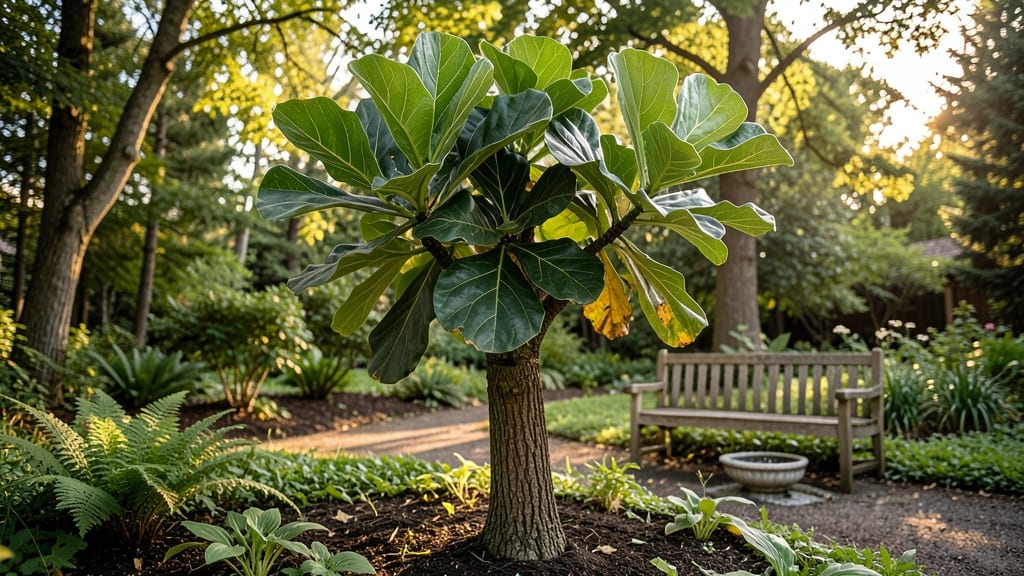
A fiddle leaf fig 🌿 can grow between 6 and 10 feet tall indoors—but whether it hits that ceiling (or your ceiling fan) depends on light, pruning, and even your home’s humidity.
If you’ve ever admired a fiddle leaf fig’s lush foliage or wondered whether it’ll soon tower over your ceiling fan, you’re not alone—this tropical favorite grows surprisingly fast under the right conditions. But how tall will it get, and what factors control its skyward journey?
The answer isn’t just about space—it’s about light exposure, pruning habits, and even soil nutrition. A fiddle leaf fig left unchecked can reach 10 feet indoors or even 20 feet outdoors in ideal conditions, but with the right adjustments, you can keep it at a manageable height.
In this guide, I’ll break down the key factors that shape its growth, how to manage its height with pruning, and why some fiddle leaf figs stay short while others shoot up like a jungle giant.


Fiddle leaf fig height limits: expected growth ranges indoors vs. outdoors
The fiddle leaf fig (Ficus lyrata) is a stunning tropical plant with dramatic growth potential—but its final height depends entirely on where you grow it.
Indoors, most mature plants reach 6 to 10 feet, while outdoors in ideal conditions, they can soar to 20 feet or taller. Understanding these differences helps you plan for pruning, space, and even ceiling clearance before your plant outgrows its home.
Your fiddle leaf fig’s growth rate also varies by age. In its first year, expect 1 to 2 feet of growth. By year two, it may double that, reaching 3 to 5 feet.
Without intervention, a 3-year-old plant can easily hit 6 to 8 feet indoors. Outdoors, growth accelerates due to more sunlight, space, and humidity, making height control even more critical.
Here’s the key difference: indoor fiddle leaf figs grow vertically to reach light, while outdoor plants spread wider and taller due to unobstructed conditions. If you’re worried about your plant becoming a ceiling hazard, pruning is your best tool—but timing and technique matter.
If you’ve ever seen a fiddle leaf fig in a conservatory or greenhouse, you’ve likely spotted a plant that’s 20 feet tall or taller. These giants thrive outdoors in warm climates (USDA Zones 10–12), where they grow 3 to 6 feet per year without pruning.
In contrast, indoor plants grow slower due to limited light and smaller pots, but with grow lights and proper care, you can push growth to 3 feet per year.
One common misconception is that fiddle leaf figs grow at the same rate year-round. In reality, they slow dramatically in winter when light levels drop. This is why many gardeners prune in late winter or early spring—right before the growth spurt begins.
A well-timed prune can reduce height by 20–30% while encouraging bushier, fuller growth.
For example, my 5-year-old fiddle leaf fig indoors now stands at 8 feet but was only 3 feet tall at age 3. The difference? I stopped pruning for two years and gave it optimal east-facing light.
If I’d pruned annually, it might only be 5–6 feet tall today. The lesson? Pruning isn’t just about height control—it’s about shaping your plant’s future.
Outdoor fiddle leaf figs in cooler climates (Zones 9–11) may need winter protection, which can slow growth temporarily. However, once temperatures stabilize, they’ll rebound quickly.
If you’re growing yours in a container outdoors, root-bound conditions can also limit height—so repot every 2–3 years to encourage vertical growth.
To manage height indoors, aim for pruning every 6–12 months using sterilized pruning shears. Cut just above a leaf node (the bump where leaves attach) to encourage new branches.
For outdoor plants, prune less frequently but more aggressively if you want to control sprawl. Always propagate cuttings—they root easily in water!
Remember: height isn’t set in stone. With the right care, your fiddle leaf fig can stay compact or become a towering centerpiece. The choice is yours—and your ceiling fan’s fate depends on it! 🌿
Key factors that control fiddle leaf fig height (and how to optimize them)
Your fiddle leaf fig’s vertical growth isn’t just luck—it’s a direct response to four key factors you control: light exposure, pruning habits, soil nutrition, and humidity levels. Each plays a starring role in whether your plant stretches toward the ceiling or stays compact.
For example, I’ve seen fiddle leaf figs grow 3 feet in a single year with ideal conditions, while neglected plants barely reach 6 inches. Let’s break down how to optimize each factor for your desired height.
First, light exposure is the most powerful growth regulator. Fiddle leaf figs thrive in bright indirect light, which triggers rapid, healthy growth. Place yours near an east or west-facing window for 6+ hours of filtered sunlight daily. Too little light?
Your plant will stretch dramatically (a sign of etiolation), reaching for light with long, weak stems. Too much direct sun? Leaf scorch and slowed growth will follow. The sweet spot? Dappled sunlight or sheer curtains to diffuse harsh rays.
- 1
- 2
- 3
- 4
Next, pruning is your secret weapon for controlling height. Most gardeners make the mistake of pruning too late—waiting until the plant is already towering over their furniture. Instead, prune in late spring or early summer when your fiddle leaf fig is actively growing.
Use sterilized pruning shears to cut just above a leaf node (where new growth will sprout). This encourages bushier growth and prevents leggy stems. Pro tip: If you want to slow vertical growth by 50%, remove one-third of the stem’s height during pruning.
Don’t underestimate the power of soil nutrition. Fiddle leaf figs need well-draining potting mix with a blend of peat moss, perlite, and compost to support strong root development.
I’ve found that adding a slow-release fertilizer in spring kickstarts rapid growth, while a balanced liquid fertilizer (like 10-10-10) every 4-6 weeks maintains it. However, over-fertilizing can cause salt buildup in the soil, which actually stunts growth and damages roots. Always water thoroughly after fertilizing to flush out excess salts.
Finally, humidity levels directly impact your fiddle leaf fig’s ability to absorb nutrients and grow efficiently. These tropical plants thrive in 40-60% humidity, but most homes sit at a dry 30-40%.
To boost humidity, place your plant on a pebble tray filled with water or use a humidifier nearby. Low humidity causes brown leaf tips and weakens the plant’s overall growth. I’ve seen fiddle leaf figs in dry environments grow 20% slower than identical plants in humidified spaces.
A simple misting routine (2-3 times weekly) can make a noticeable difference.
By tweaking these four factors, you can speed up or slow down your fiddle leaf fig’s growth to match your space. Want a compact, bushy plant? Prioritize pruning and indirect light.
Dreaming of a tall, dramatic statement piece? Maximize light exposure and fertilization. The key is consistency—your fiddle leaf fig will respond beautifully to your care adjustments over time. 🌿