
How To
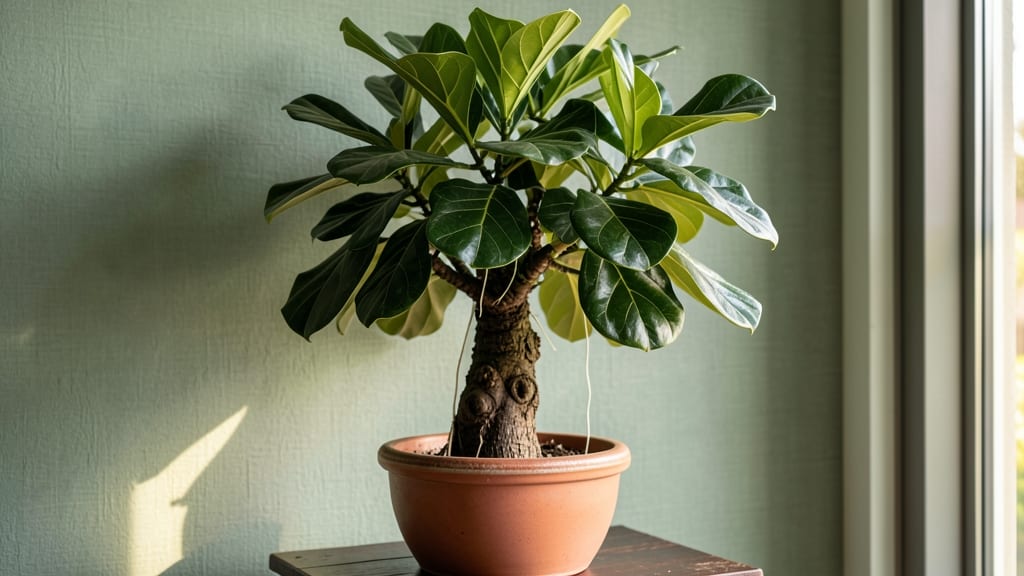
Fiddle leaf figs grow between 6 and 15 feet tall, making them a bold statement plant that can quickly outgrow small spaces if left unchecked.
If you're dreaming of a lush indoor jungle but wondering how much vertical space your fiddle leaf fig will demand, you're not alone—this tropical favorite can grow surprisingly tall, often becoming a statement piece in any room.
Indoors, most varieties like the popular 'Bradley' or 'Kimberley' typically reach 10 to 12 feet without pruning, while outdoor plants in warmer climates can stretch even taller. The key to controlling their height lies in light exposure, pruning habits, and even the pot size you choose.
Below, I’ll break down the growth expectations by variety, how to manage their height naturally, and the common mistakes that lead to rapid vertical growth—so you can keep your fiddle leaf fig thriving without sacrificing your ceiling space.


Fiddle leaf fig height by variety: what to expect indoors and outdoors
If you're wondering how tall do fiddle leaf figs grow, the answer depends on the variety and growing conditions. Indoors, these tropical plants can reach 6 to 10 feet in height, while outdoors in ideal conditions, they may tower 10 to 15 feet or more.
The 'Bradley' variety, for example, often grows taller than 'Kimberley', which stays more compact. Understanding these differences helps you plan for vertical space and care needs.
Outdoor fiddle leaf figs thrive in warm climates like USDA zones 10-12, where they can grow rapidly with proper sunlight and soil. Indoors, growth slows due to limited light and pot constraints, but with the right care, they still become impressive statement plants.
Whether you're growing 'Rumii' or another variety, knowing their mature height helps you choose the right location and pruning strategy.
| Variety | Indoor Height (ft) | Outdoor Height (ft) | Growth Rate (in/year) | Key Notes |
|---|---|---|---|---|
| 'Bradley' | 8-12 ft | 12-15 ft | 12-18 in | Fastest-growing variety; needs pruning to control height |
| 'Kimberley' | 6-10 ft | 10-14 ft | 10-14 in | More compact than 'Bradley'; glossy leaves |
| 'Rumii' | 5-8 ft | 8-12 ft | 8-12 in | Slower growth; smaller leaves; great for small spaces |
| 'Tineke' | 6-10 ft | 10-14 ft | 10-14 in | Variegated leaves; needs bright light to maintain color |
| 'White Knight' | 6-9 ft | 9-12 ft | 8-12 in | Creamy-white variegation; slower growth than standard types |
The light exposure plays a crucial role in determining how tall your fiddle leaf fig grows. Indoors, plants near south-facing windows or under grow lights may stretch excessively toward light, reaching heights 20% taller than those in balanced light.
Outdoors, full sun accelerates growth, but too much direct afternoon sun can scorch leaves, slowing height gains. Always place your plant where it receives bright indirect light for the best balance.
Another factor affecting height is pruning habits. Regular pruning encourages bushier growth and can reduce height by 30-50% if done correctly. I recommend pruning in early spring to shape your plant and promote new growth.
Avoid heavy pruning in winter, as this can stress the plant when it’s already dormant. For varieties like 'Bradley', which grow quickly, pruning every 6-12 months keeps them manageable indoors.
Pot size also influences height. Fiddle leaf figs in smaller pots (under 12 inches) grow slower and stay shorter, while those in large containers (18+ inches) can reach their full height potential.
If you're growing your plant outdoors in the ground, expect it to grow taller and faster than in any indoor pot. Always choose a pot with drainage holes to prevent root rot, which can stunt growth and affect height.
Soil quality matters too. Well-draining, nutrient-rich soil supports healthy growth, while poor soil can lead to leggy, weak stems. I mix cactus/succulent mix with perlite and orchid bark for the best results. Fertilizing every 4-6 weeks during growing season (spring and summer) provides the nutrients needed for strong, upright growth.
Avoid over-fertilizing, as this can cause rapid but weak growth, making the plant more prone to toppling.
If you're growing your fiddle leaf fig outdoors in warmer climates, expect faster growth and taller heights. In these conditions, the plant may reach 15 feet or more within 5-7 years.
However, in cooler climates, outdoor growth is limited, and the plant may only reach 6-8 feet before winter dormancy slows it down. Always protect your plant from frost, as temperatures below 50°F can damage or kill it.
One common misconception is that fiddle leaf figs grow taller simply because they’re "mature." In reality, poor light conditions and lack of pruning are the real culprits behind excessive height.
I’ve seen indoor plants stretch to 12 feet in dim corners, while properly cared-for plants in bright light stay under 6 feet. Pay attention to your plant’s environment and adjust care routines to encourage balanced growth.
For those with limited ceiling space, consider training your fiddle leaf fig to grow against a wall or trellis. This technique not only controls height but also creates a stunning vertical garden feature.
Use soft ties to guide the stems gently, and prune regularly to maintain the desired shape. With patience, you can enjoy a lush, compact fiddle leaf fig that fits beautifully in any room.
How to control fiddle leaf fig height: pruning, training, and light tips
Managing your fiddle leaf fig height isn’t just about aesthetics—it’s about encouraging a healthier, bushier plant that thrives in your space. Without proper care, these tropical beauties can shoot up to 10-15 feet tall indoors, turning your statement plant into a ceiling hazard.
The good news? With the right pruning techniques and light management, you can keep your fiddle leaf fig at your desired height while promoting fuller growth.
Pruning is the most direct way to control height, but timing and technique matter. If you cut too late in the season or too aggressively, you risk stunting growth or leaving your plant vulnerable to stress.
Instead, focus on early spring pruning when the plant is entering its active growth phase. This encourages new shoots to form, creating a fuller, more compact shape without sacrificing the plant’s vitality.
Light plays a surprisingly big role in controlling height. Fiddle leaf figs naturally grow taller when they’re stretching toward light, a phenomenon called etiolation. To prevent this, position your plant near a bright, indirect light source—like an east or west-facing window.
If your space lacks natural light, supplement with a grow light for 12-14 hours daily. Avoid south-facing windows, which can deliver harsh afternoon sun that burns delicate leaves.
For a compact, tree-like shape, consider training your fiddle leaf fig with a support stake or trellis. Gently tie the main stem to a vertical support as it grows, encouraging upward growth while preventing it from flopping.
This method works best for young plants and pairs well with regular pruning to maintain a controlled height. Just be sure to use soft ties that won’t damage the stem as it thickens.
Remember, patience is key. Fiddle leaf figs respond best to gradual adjustments. If you’ve let your plant grow too tall, don’t panic—focus on pruning back 1/3 of the height in early spring and providing optimal light.
With consistent care, your fiddle leaf fig will reward you with lush, vibrant growth at a height that fits your space perfectly.