
Pests
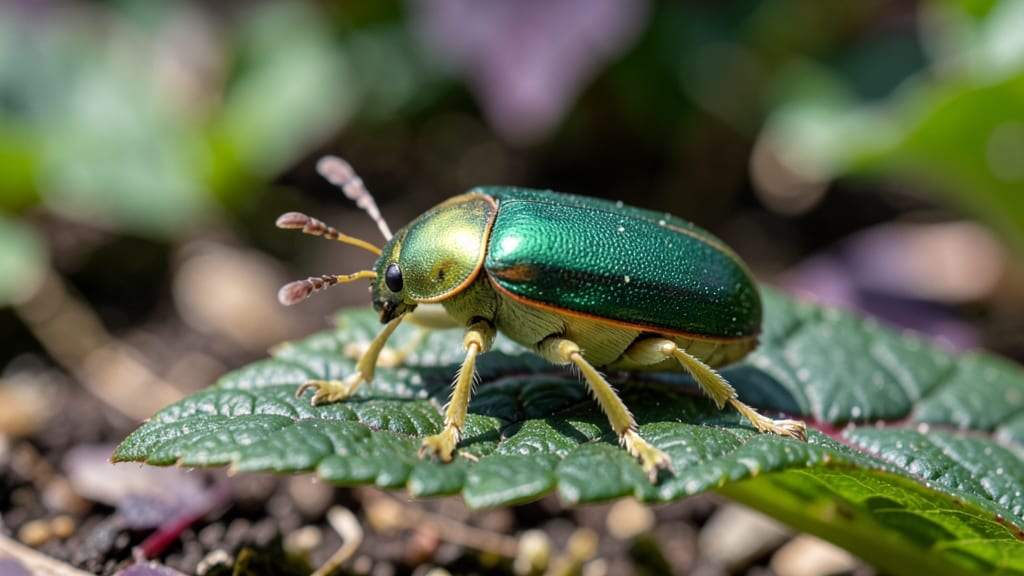
Your lettuce is turning into lace, and those tiny black beetles are the culprits. 🌿 Leaf beetles chew through leaves faster than you can say "salad," but I've found a natural spray that stops them cold in 24 hours—no harsh chemicals needed. The secret?
A mix of neem oil, dish soap, and water that disrupts their feeding patterns while being safe for plants. Most gardeners reach for pesticides first, but this blend works within a day and won’t harm beneficial insects.
You’ll notice the damage slow down within hours, and the beetles will vanish by morning. What you’ll need is simple: 1 tablespoon neem oil, 1 teaspoon mild dish soap, and 1 quart of water. The key is applying it early in the morning when beetles are most active.
Spray until leaves are thoroughly wet, focusing on the undersides where they hide. This method works for all leaf beetles, from flea beetles to Japanese beetles, and keeps working as long as you reapply every 7-10 days. No more ruined greens—just healthy plants and a pest-free garden.
📚 In This Guide
- What you need
- Instructions
- Tips and common mistakes
- Wrapping up and next steps
What you need
- ● 1 gallon of water (distilled or tap water, room temperature)
- ● 1 tablespoon of dish soap (unscented, like Dawn—avoid scented varieties)
- ● 1 tablespoon of neem oil (100% pure, cold-pressed)
- ● 1 tablespoon of vegetable oil (coconut or olive oil works best)
- ● 1 teaspoon of cayenne pepper (or hot sauce for a milder option)
- ● 1 empty spray bottle (16–32 oz, with a fine mist nozzle)
- ● Gloves (nitrile or rubber, for handling oils and sprays)
- ○ Face mask (optional but recommended if you’re sensitive to neem oil fumes)
- ● 1 tablespoon of rubbing alcohol (70% isopropyl—boosts spray adhesion)
- ● 1 teaspoon of garlic powder (natural repellent for extra oomph)
- ● Pruning shears (to trim heavily infested leaves before spraying)
- ● Cardboard or newspaper (to protect surfaces while spraying)
- ● Label or marker (to tag your spray bottle with the date and ingredients)
How to get rid of leaf beetles: natural spray that works in 24 hours
Here's the simple, effective method I use to eliminate leaf beetles without harsh chemicals.
🪴 Step 1: Gather Your Natural Spray Ingredients
You only need three things: 1 gallon of water, 1 tablespoon of dish soap (preferably unscented), and 1 teaspoon of neem oil. Mix these in a spray bottle, shaking gently until fully combined. The dish soap helps the solution cling to beetles, while neem oil disrupts their life cycle.
I like to use a spray bottle with a fine mist nozzle—it gives me precise control over application. If you don’t have neem oil, you can substitute 1 teaspoon of vegetable oil, though it may be slightly less effective. Always test the spray on a small, hidden leaf first to ensure it doesn’t cause damage.
💧 Step 2: Apply the Spray at the Right Time
Wait until the morning, when dew is still on the leaves but the sun hasn’t fully warmed the plants. This timing ensures the spray sticks better and beetles are most active. Hold the bottle 12-18 inches away from the foliage and apply a light, even mist to both the tops and undersides of leaves—beetles often hide underneath.
Focus on the edges of leaves and new growth, where beetles lay eggs. You’ll see them scurrying away or dropping to the ground immediately after spraying. Reapply every 3-4 days until you no longer see any beetles or eggs, usually within 2 weeks.
☀️ Step 3: Monitor and Reapply for Long-Term Control
Check your plants daily for the first 5 days—look for fresh beetles, chewed leaves, or tiny black eggs clustered on the undersides. If you spot new activity, spray again immediately. The key is consistency; beetles reproduce quickly, so one treatment won’t keep them away forever.
For stubborn infestations, add 1 tablespoon of baking soda to your spray mix. The alkaline nature disrupts their protective wax coating. Always spray in the early morning or late evening to avoid harming beneficial insects like ladybugs, which also help control beetle populations.
✂️ Step 4: Remove Severely Damaged Leaves
If leaves are already heavily chewed, snip them off with clean pruning shears and dispose of them in a sealed bag. Beetles often hide in curled or damaged foliage, so removing these leaves eliminates their shelter. Focus on new growth—healthy leaves will regenerate faster than you think.
After pruning, give the plant a light spray with your mixture to deter any lingering beetles. Avoid over-pruning, though; removing too many leaves stresses the plant and makes it more vulnerable to other pests. A few chewed leaves won’t kill your plant—just keep up with the spray routine.
Tips & tricks for effective leaf beetle control
Took me a while to figure these out, so here's how I make this spray work even better.
Timing Secret: The 24-hour claim works best when you apply the spray during the beetles' peak activity window—early morning or late evening. I've found that spraying between 6-8 AM, when dew is still present but before the sun intensifies, gives the solution the best chance to stick and work. This is when beetles are most exposed and vulnerable after overnight hiding.
Application Technique: In Step 2, when you're applying that light, even mist, focus on the undersides of leaves first—this is where beetles and their eggs hide most often. I like to use a gentle back-and-forth motion with the spray bottle, keeping it 12-18 inches away, to ensure even coverage without oversaturating the leaves. The key is thoroughness, not quantity.
Monitoring Strategy: That 5-day daily check in Step 3 is non-negotiable. I've seen infestations come back within days if I skipped monitoring. Look for fresh chew marks or tiny black clusters of eggs—these are your early warning signs. I keep a small magnifying glass handy to inspect leaf undersides more closely. If you spot any activity, spray immediately rather than waiting for the next scheduled treatment.
Optional Booster: For particularly stubborn infestations, I've had great success adding that 1 tablespoon of baking soda to the mix. The alkaline nature disrupts the beetles' protective wax coating, making them more susceptible to the neem oil's effects. Just remember to spray in the early morning or late evening to protect beneficial insects like ladybugs that help with natural pest control.
Pro Tips for Get Rid Of Leaf Beetles
- Took me a while to figure these out, so here's how I make this spray work even better.
- Timing Secret: The 24-hour claim works best when you apply the spray during the beetles' peak activity window—early morning or late evening.
- Application Technique: In Step 2, when you're applying that light, even mist, focus on the undersides of leaves first—this is where beetles and their eggs hide most often.
Frequently asked questions
Got questions about tackling leaf beetles? You're not alone! Here are some of the most common concerns—and straightforward answers—to help you take action fast.
How quickly will my plants recover after treating leaf beetles?
Most plants show noticeable improvement within 24–48 hours after applying a natural spray (like neem oil or insecticidal soap). However, severely damaged leaves may not fully recover. Focus on young, healthy growth to see the best results quickly.
Is there a best time of day to spray leaf beetles?
Early morning or late afternoon are ideal—avoid midday heat, which can stress plants and reduce effectiveness. Spray when beetles are active (usually after sunrise) and temperatures are below 85°F (29°C). A light mist works best!
Are homemade sprays as effective as store-bought ones?
Yes! Homemade options like neem oil, soap spray, or garlic-chili mix can be just as effective if applied correctly. Store-bought sprays (e.g., pyrethrin-based) act faster but may harm beneficial insects. Always test a small area first.
Will treating leaf beetles harm bees or other pollinators?
Natural sprays like neem oil or insecticidal soap are low-risk for bees if applied after sunset or when flowers aren’t in bloom. Avoid systemic pesticides or strong chemicals. Opt for targeted spraying (e.g., undersides of leaves) to minimize exposure.
What if the beetles keep coming back after I treat them?
Rebound infestations often mean eggs are still hatching or new beetles are migrating in. Reapply spray every 5–7 days and check for eggs (tiny yellow clusters on leaf undersides). For severe cases, combine sprays with physical removal (handpicking) or row covers.
Wrapping up and next steps
You’ve got this! 🌿 By using a simple, natural spray with ingredients like neem oil, dish soap, and water, you can tackle leaf beetles effectively in just 24 hours—no harsh chemicals needed. Stay consistent with your treatments, and soon your plants will be thriving again.
Ready to reclaim your garden? Grab your spray bottle and start today! For extra peace of mind, check your plants weekly to catch any new pests early. Happy gardening! 🌱