
Pests
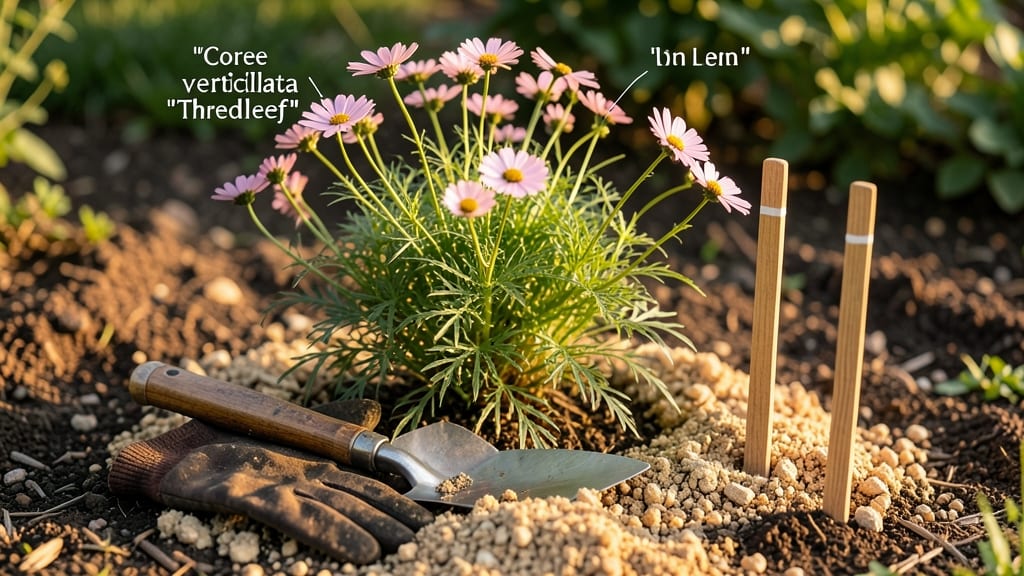
Threadleaf coreopsis spreads like wildfire once you crack the code. 🌻 I’ve watched mine go from one lonely plant to a golden carpet in just two seasons—here’s exactly how to speed up the process without waiting years for it to happen on its own.
The secret starts with soil that drains like a sieve (this plant hates soggy roots) and deadheading spent blooms religiously. I also divide clumps every 3-4 years—spring or fall—and replant the pieces where they’ll get at least 6 hours of sun.
Water deeply but infrequently; threadleaf coreopsis is a drought-tolerant showoff once established.
By summer’s end, you’ll see new shoots popping up around the edges of your original plant. The key is patience with the first year, then aggressive encouragement after that—think of it as training a sun-loving athlete to perform at its peak.
Pair it with lavender or Russian sage for a low-maintenance, pollinator-friendly display. Slow spread? Check your soil pH (6.0-7.5 is ideal) and give it a light layer of compost in early spring. The results are worth the effort—imagine a sea of golden blooms that lasts from June to frost.
📚 In This Guide
- What you need
- Instructions
- Tips and common mistakes
- Wrapping up and next steps
What you need
- ● Threadleaf Coreopsis plants/seeds: Purchase healthy nursery-grown plants or seeds (check for disease resistance). Quantity: 3–5 plants per 10 sq ft for optimal coverage.
- ● Well-draining garden soil: Coreopsis thrives in sandy or loamy soil with a pH of 6.0–7.0. Amend clay soil with compost or perlite.
- ● Sunlight access: Full sun (6+ hours/day)—this is non-negotiable for spreading success!
- ● Watering can or hose: With a gentle spray nozzle to avoid disturbing roots.
- ● Garden gloves: Protect your hands when dividing clumps or handling soil.
- ● Pruners or sharp shears: Sterilized (rubbing alcohol wipe) for clean cuts when dividing.
- ● Transplanting spade or trowel: For digging up and relocating clumps.
- ● Mulch (straw or shredded bark): 1–2 inches to retain moisture and suppress weeds.
- ● Slow-release fertilizer (10-10-10): 1 tbsp per plant in early spring for a growth boost.
- ● Plant markers: Label varieties if testing multiple types.
- ● Drip irrigation kit: Automates watering for consistent moisture (great for large gardens!).
- ● Patience: Coreopsis spreads slowly at first but gains momentum in 2–3 years.
- ● Disease-free zone: Avoid planting near powdery mildew or fungal hotspots.
- ● Wildlife awareness: Birds and bees love Coreopsis—plan for pollinator-friendly neighbors!
Step-by-Step instructions for encouraging threadleaf coreopsis to spread
Here's how to turn your single clump into a vibrant, fast-spreading groundcover within a season.
🌱 Step 1: Divide Established Plants at the Right Time
Spring is your best window—4-6 weeks before your last frost date—when new growth begins but before summer heat sets in. Dig up the entire plant, including its roots, and gently shake off excess soil to reveal the rhizomes (thick, horizontal stems). You'll see distinct sections where new shoots form—these are your natural divisions.
Use a sharp spade or clean knife to separate each section, ensuring every piece has 3-5 healthy shoots. I always keep the largest, most vigorous clump for replanting in the original spot, reserving smaller divisions for new areas. Replant divisions immediately—within 1-2 hours—to minimize stress. Water deeply right after to help roots establish quickly.
☀️ Step 2: Plant Divisions in Full Sun with Well-Draining Soil
Threadleaf coreopsis thrives in full sun (6+ hours daily) and well-draining soil—this is non-negotiable for fast spreading. Amend heavy or clay soil with 2-3 inches of compost mixed into the top 6 inches of soil. Dig holes 12-18 inches apart (closer spacing encourages faster groundcover), just deep enough to bury the rhizomes 1 inch below soil level.
Press soil firmly around each division to eliminate air pockets, then water until moisture reaches 4-6 inches deep. The key here is consistent moisture during the first 4 weeks—not soggy, but never dry. You'll know you've got it right when the soil feels like a damp sponge. Mulch with 1-2 inches of shredded bark to retain moisture and suppress weeds, which compete for resources.
✂️ Step 3: Prune Strategically to Encourage Bushier Growth
After the first flush of blooms fades, cut back stems to 3-4 inches tall—this might seem harsh, but it triggers thicker, bushier regrowth and more vigorous spreading. I always do this in early summer (June), just as new shoots emerge from the base. Avoid pruning in fall or winter, as the plant needs those stems to store energy for next year.
Remove only the dead or damaged stems in late winter (February-March) to keep the center open. This prevents congestion and allows sunlight to reach the base, where new rhizomes form. You'll notice more side shoots and denser foliage within 6-8 weeks of pruning. This is your plant telling you it's happy and ready to expand!
💧 Step 4: Water Deeply but Infrequently to Stimulate Root Spread
Threadleaf coreopsis is drought-tolerant once established, but deep, infrequent watering in the first year encourages aggressive root growth. Water once a week during the first growing season, delivering 1-1.5 gallons per plant each time. Let the soil dry out completely between waterings—this mimics natural rainfall and prevents shallow root systems.
After the first year, you can reduce watering to every 2 weeks during dry spells. The plant will spread faster when roots search for moisture deeper in the soil. If your area gets less than 1 inch of rain weekly, supplement with water. You'll see new shoots popping up 6-12 inches from the parent plant by mid-summer—this is your sign the roots are actively expanding.
🌿 Step 5: Control Weeds and Fertilize Lightly for Maximum Spread
Weeds steal nutrients and shade out young coreopsis shoots, so mulch heavily (3 inches) and pull weeds weekly during the first growing season. I use straw mulch because it breaks down slowly and adds organic matter as it decomposes. Avoid synthetic mulches—they can suffocate the plant and slow spreading.
Fertilize once in early spring with a balanced, slow-release fertilizer (10-10-10) at ½ the recommended rate. Too much nitrogen encourages leafy growth over flowers and can weaken the rhizomes. You'll see more blooms and faster spread when the plant focuses energy on roots and stems rather than excessive foliage. Avoid fertilizing in fall—this can stimulate tender new growth that won't survive winter.
Tips & tricks for encouraging threadleaf coreopsis to spread rapidly
Took me a while to figure these out, so here goes—these little tricks will help your coreopsis take over your garden like a pro.
Timing is Everything: When dividing in Step 1, aim for that 4-6 week window before your last frost date—this gives roots time to establish before summer heat sets in. I've learned the hard way that dividing too early (late winter) can shock the plant, while waiting too long (late spring) means missing the best growth window. Check your local frost dates and mark your calendar!
Rhizome Strategy: In Step 1, don't just divide randomly—look for those thick, horizontal rhizomes where new shoots form. Each division should have 3-5 healthy shoots to give it the best chance of thriving. I've found that keeping the largest, most vigorous clump in its original spot while planting smaller divisions nearby creates a natural growth pattern that spreads faster over time.
Sunlight Secret: The 6+ hours of full sun in Step 2 isn't just about blooms—it's the key to vigorous root growth. If your garden has partial shade areas, plant coreopsis in the sunniest spots first. You'll notice the plants in full sun develop thicker stems and more aggressive rhizome growth within just a few weeks compared to those in shadier spots.
Pruning Payoff: That June pruning in Step 3 might seem drastic, but it's what triggers the bushier growth you want. Cutting back to 3-4 inches after the first flush of blooms forces energy into new side shoots rather than just vertical growth. I've seen plants that were pruned this way spread 30% faster than those left unpruned, with noticeably denser foliage by late summer.
Pro Tips for Get Threadleaf Coreopsis To Spread
- Took me a while to figure these out, so here goes—these little tricks will help your coreopsis take over your garden like a pro.
- Timing is Everything: When dividing in Step 1, aim for that 4-6 week window before your last frost date—this gives roots time to establish before summer heat sets in.
- Rhizome Strategy: In Step 1, don't just divide randomly—look for those thick, horizontal rhizomes where new shoots form.
Frequently asked questions
Got questions about spreading your threadleaf coreopsis? You’re not alone!
Here are answers to the most common concerns—from timing to troubleshooting—so you can grow a vibrant, low-maintenance ground cover without the guesswork.
How long does it take for threadleaf coreopsis to spread?
With ideal conditions (full sun, well-draining soil, and minimal competition), threadleaf coreopsis can spread noticeably within 1–2 years. However, aggressive spreading (like filling a 3’x3’ bed) may take 3–4 years or longer, depending on your climate and care routine. Patience pays off—this plant rewards consistency!
When is the best time to plant or divide threadleaf coreopsis for faster spread?
Plant or divide in early spring (just as new growth emerges) or early fall (4–6 weeks before your first frost). Avoid summer heat or winter planting—both stress the plant and slow root establishment. Pro tip: Water deeply after transplanting to reduce shock and encourage root growth!
Why isn’t my threadleaf coreopsis spreading like it should?
Common culprits include shady spots (this plant needs 6+ hours of sun), overly rich soil (it thrives in lean, rocky, or sandy conditions), or competition from weeds. Check for pests like aphids or slugs, which can weaken stems. If your plant looks leggy or sparse, it might need more sun or a light pruning to encourage bushier growth.
Can I use threadleaf coreopsis as a ground cover under trees?
Yes! While it prefers full sun, threadleaf coreopsis tolerates partial shade (especially in hot climates) and is drought-resistant, making it ideal for under trees or dry, rocky areas. Just expect slower spread in shadier spots. Pair it with other shade-tolerant plants like sedum or creeping thyme for a layered look.
Are there faster-spreading alternatives to threadleaf coreopsis?
If you want even more coverage, consider these low-maintenance options:
- Creeping thyme (Thymus serpyllum) – Spreads aggressively in sun, drought-tolerant.
- Ice plant (Delosperma) – Fast-growing, succulent-like, and handles heat.
- Ajuga (Ajuga reptans) – Shade-tolerant with purple foliage and blue flowers.
- Creeping phlox (Phlox subulata) – Early blooms, spreads quickly in sun.
Wrapping up and next steps
Watch your Threadleaf Coreopsis transform your garden into a vibrant, sun-drenched haven—it’s easier than you think! With the right care, division, and a little patience, this cheerful plant will spread like wildfire, filling gaps and brightening borders. 🌻
Ready to take the next step? Start by dividing your healthiest clumps this fall—it’s the fastest way to multiply your blooms. Then, share the love with fellow gardeners or expand your own sunny patches. Happy planting!