
Picking
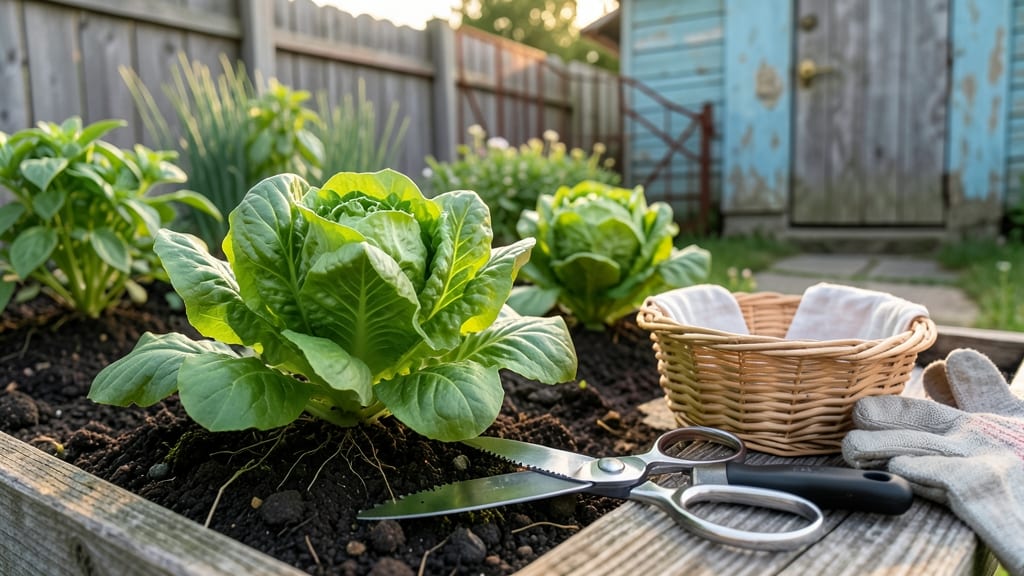
How to harvest leaf lettuce so it keeps growing means never saying goodbye to crisp, tender greens. The cut-and-come-again method transforms a single planting into a continuous harvest that lasts for months—no replanting required. I’ve used this technique for five seasons, and my garden now produces enough salad greens to feed my family through summer without buying a single head.
Timing is everything: harvest when leaves reach 3-4 inches tall, using sharp scissors or a knife to snip just above the lowest set of true leaves. This leaves the plant’s energy center intact, so it keeps sending up new growth.
Most varieties bounce back within 7-10 days—some even faster if you keep soil consistently moist and rich in nitrogen.
What you’ll end up with is a lettuce plant that looks like it was just planted, ready to produce another round of harvests. The flavor stays sweet and crisp, and you avoid the bitterness that comes from letting heads mature too long.
Just avoid harvesting more than one-third of the plant at a time, or you’ll stunt regrowth.
This method works for all loose-leaf varieties—like Buttercrunch, Oakleaf, or Black Seeded Simpson—and even some romaine types. Just be patient: the first few harvests might be smaller, but the plant builds resilience over time.
With proper care, you’ll get 4-6 harvests per planting before the heat of summer slows things down.
📚 In This Guide
- What you need
- Instructions
- Tips and common mistakes
- Wrapping up and next steps
What you need
- ● Sharp pruning shears or garden scissors – Clean, sterilized, and with sharp blades (avoid dull tools to prevent crushing leaves).
- ○ Gloves (optional but recommended) – Nitrile or gardening gloves to protect your hands from dirt and thorns (if growing varieties like romaine).
- ● Watering can or hose with a gentle spray nozzle – For post-harvest hydration (1–2 gallons per harvest session).
- ● Organic fertilizer (balanced or high in nitrogen) – 5-10-5 or 10-10-10 ratio, diluted to half-strength for feeding after harvest (e.g., 1 tbsp per gallon of water).
- ○ Compost or well-aged manure (optional but ideal) – For enriching soil before planting (1–2 cups per planting hole or spread as mulch).
- ● Row cover or shade cloth (30–50% shade) – For hot climates to prevent bolting (10’x10’ section minimum).
- ● Harvest basket or container – For collecting leaves (any size, but a shallow tray works well).
- ● Mature leaf lettuce plants – At least 4–6 inches tall with 4–6 true leaves (outer leaves should be large enough to harvest).
- ● Cool weather conditions – Ideal temps: 60–70°F (15–21°C). Avoid harvesting in extreme heat or cold.
- ● Well-draining soil – Rich in organic matter with a pH of 6.0–7.0.
- ● Morning sunlight or partial shade – Harvest in the early morning for crispest leaves.
- ● Mulch (straw or grass clippings) – To retain moisture and suppress weeds (spread 1–2 inches around plants).
- ● Plant markers – To track varieties (if growing multiple types).
- ● Food-safe spray bottle – For rinsing leaves post-harvest (if not washing immediately).
- ● Journal or app – To log harvest dates and growth progress (helpful for planning!).
Step-by-Step instructions for continuous leaf lettuce harvesting
Master this simple technique and you'll enjoy fresh lettuce all season long without replanting.
Wait Until Lettuce Reaches 3-4 Inches Tall
Harvesting too early stresses young plants and stunts regrowth. Wait until the outer leaves reach 3-4 inches in length—this means the plant has stored enough energy to bounce back. You'll see the leaves form a rosette shape at the base, with the largest leaves on the outside.
Run your thumb along the stem where the leaf meets the base. If you feel slight resistance, it's ready. If the leaf pulls away easily, wait another day or two. The goal is to remove just the mature outer leaves while leaving the inner growth point intact.
Cut Leaves at the Base Using Clean Scissors
Use sharp scissors or pruning shears to snip the outer leaves just above the next set of smaller leaves. Cutting at a slight angle prevents water from pooling on the stem, which can cause rot. Never tear leaves by hand—this damages the plant and invites pests.
Remove no more than one-third of the plant in a single harvest. For a 4-plant yield, you'll harvest about 4-6 leaves per plant the first time. Watch for the plant to look sparse after cutting—this is normal and signals it's ready to regrow.
Water Immediately After Harvesting
Give the soil a deep drink right after harvesting to compensate for the water lost in the leaves. Stick your finger 1 inch into the soil—if it feels dry, water until moisture reaches 2-3 inches deep. Lettuce has shallow roots, so consistent moisture keeps regrowth vigorous.
Water in the early morning to allow leaves to dry before evening. Wet foliage left overnight attracts slugs and fungal diseases. You'll notice new growth appearing at the plant's center within 3-5 days if conditions are right.
Fertilize Lightly After Each Harvest
Use a balanced liquid fertilizer (like 10-10-10) diluted to half-strength every 2-3 harvests. Lettuce is a light feeder, so over-fertilizing causes bitter leaves. Mix the fertilizer with water and apply directly to the soil, avoiding the leaves.
Look for bright green, crisp new leaves emerging from the center as your signal that fertilization worked. If growth slows or leaves yellow, the plant may need more nitrogen. Never fertilize if the soil is dry—always water first to prevent root burn.
Repeat the Process Every 2-3 Weeks
Continuous harvesting works best when you maintain a consistent cycle. The plant will produce 3-4 harvests before slowing in hot weather. In cooler months, you can extend this to 5-6 harvests per planting.
Stop harvesting when the center leaves start bolting (sending up tall flower stalks). This happens when days get longer in late spring. At this point, either pull the plant or harvest all remaining leaves before they turn bitter.
Tips & tricks for perfect continuous lettuce harvesting
Here's what nobody tells you about keeping your lettuce thriving through multiple harvests.
Leaf Maturity Check: In Step 1, when testing leaf readiness, look for a slight resistance when you run your thumb along the stem—this indicates the leaf has fully matured. If the leaf feels too tender, wait another day. Overharvesting immature leaves weakens the plant's ability to regrow, and you'll notice stunted new growth appearing within 3-5 days instead of the vigorous leaves you want.
Cutting Technique: For Step 2, the angle of your cut matters more than you think. Snip just above the next set of smaller leaves at a 45-degree angle—this prevents water from pooling on the stem and creates a larger surface area for new growth. I've seen plants with rot at the base when people cut straight across, so take that extra second to angle your scissors properly.
Post-Harvest Care: After harvesting, the deep watering in Step 3 is non-negotiable. Lettuce roots only go down 2-3 inches, so that soil needs to stay consistently moist. I've had plants bolt prematurely when they got stressed from dry soil after harvest—just stick your finger in to check before watering. Early morning watering is key too; wet leaves sitting overnight attract slugs like nothing else.
Fertilizer Timing: When you fertilize every 2-3 harvests in Step 4, always water first to prevent root burn. I learned this the hard way when my lettuce turned yellow and wilted after fertilizing dry soil. The half-strength dilution is crucial—lettuce is a light feeder, and too much nitrogen makes leaves bitter. Look for those bright green new leaves emerging from the center as your signal that the plant is happy.
Pro Tips for Harvest Leaf Lettuce So It Keeps Growing
- Here's what nobody tells you about keeping your lettuce thriving through multiple harvests.
- Leaf Maturity Check: In Step 1, when testing leaf readiness, look for a slight resistance when you run your thumb along the stem—this indicates the leaf has fully matured.
- Cutting Technique: For Step 2, the angle of your cut matters more than you think.
Frequently asked questions
How do I know when leaf lettuce is ready to harvest?
Harvest leaf lettuce when the outer leaves reach 4–6 inches long but before the center forms a tight head (for butterhead varieties) or bolts (for loose-leaf types). Young, tender leaves taste best! Use your fingers to gently pinch or snip leaves 1–2 inches above the base—this encourages regrowth.
How often can I harvest leaf lettuce for continuous yield?
For optimal regrowth, harvest every 2–3 weeks during warm seasons or 1–2 weeks in cooler weather. Avoid taking more than ⅓ of the plant at once—this prevents stress. With proper care, a single plant can produce 3–5 harvests before slowing down.
What if my lettuce bolts or goes to seed before I can harvest?
Bolting (sending up flower stalks) happens when lettuce senses heat or long daylight. To delay it:
- Plant heat-tolerant varieties like ‘Black Seeded Simpson’ or ‘Jericho’.
- Use shade cloth (30–50%) during hot days.
- Harvest aggressively in early spring/fall to keep plants cool.
- Try succession planting every 2–3 weeks for a steady supply.
Can I harvest leaf lettuce by pulling the whole plant instead of cutting?
Nope! Pulling the whole plant ends the harvest cycle. Always use the cut-and-come-again method: Snip or pinch outer leaves only, leaving the inner growth point intact. This ensures regrowth. For stubborn stems, use clean, sharp scissors to avoid tearing.
What should I do if my lettuce turns bitter after harvesting?
Bitterness usually means stress from heat, age, or drought. Fix it by:
- Harvesting younger, inner leaves (older leaves taste bitter first).
- Watering deeply 1–2 times weekly (lettuce hates dry soil!).
- Planting in partial shade if temps exceed 75°F (24°C).
- Choosing bitter-resistant varieties like ‘Oakleaf’ or ‘Romaine’.
Bonus: Can I harvest leaf lettuce in containers or small spaces?
Leaf lettuce thrives in containers as small as 6 inches wide. Just:
- Use well-draining soil with compost.
- Harvest from the edges inward to maximize regrowth.
- Fertilize lightly with fish emulsion or compost tea every 3–4 weeks.
Wrapping up and next steps
Harvesting leaf lettuce the cut-and-come-again way is your ticket to a never-ending salad bowl! 🌱 By mastering the right techniques—like timing, sharp tools, and proper aftercare—you’ll enjoy fresh, crisp greens for weeks.
Whether you’re a backyard gardener or a balcony grower, this method proves that sustainability and simplicity go hand in hand.
Ready to level up your garden game? Start small with one lettuce plant, practice your cuts, and soon you’ll be sharing your harvest with friends—or treating yourself to a homemade gourmet salad every week. Happy harvesting! 🥗✨