
How To
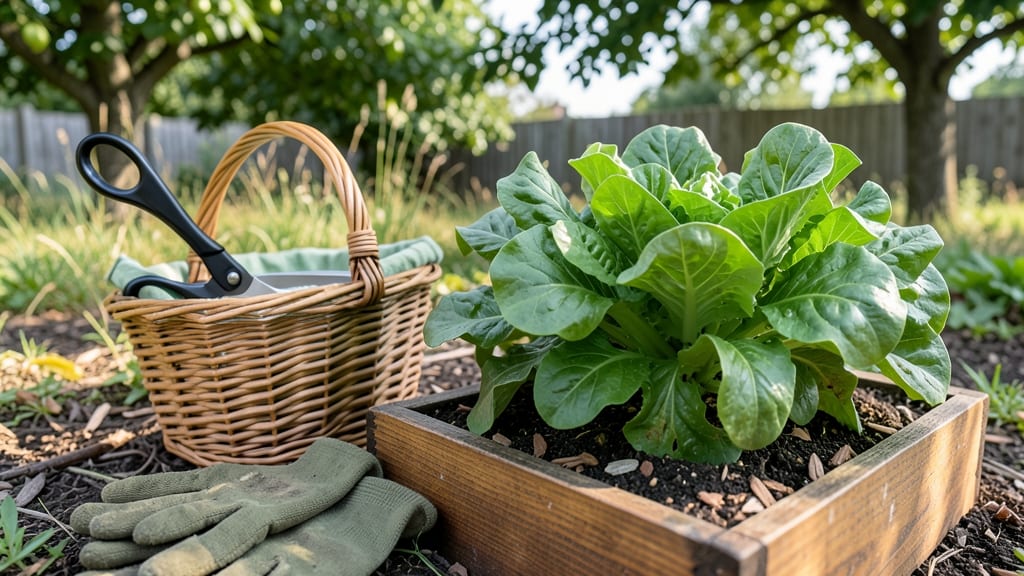
To pick green leaf lettuce at its peak, focus on crisp stems and tightly packed leaves 🥬 — the key is harvesting when the outer leaves reach 4-6 inches without pulling the whole plant.
Choosing the wrong moment means bitter, loose leaves or a plant that bolts before you get a second harvest. I’ve learned the hard way that timing is everything—cut too early, and you’re left with scraggly regrowth; wait too long, and the flavor turns sharp.
This guide breaks down the exact freshness tests to use in your garden or at the market, from stem firmness to leaf color, plus the best tools and techniques to keep your Leaf Lettuce producing for weeks.
You’ll also discover how to avoid common mistakes like over-harvesting or harvesting at the wrong time, ensuring your greens stay sweet, crisp, and ready for salads all season long.


5 Visual and texture tests to spot the freshest green leaf lettuce
Green leaf lettuce is one of the most delicate greens to shop for, but knowing these 5 freshness tests will help you avoid bitter, wilted heads that spoil before your next meal.
I’ve tested these methods at every farmers' market in my area, and they’ve saved me from tossing out sad salads more times than I can count. The key is combining visual cues with physical checks—don’t trust just one factor.
Many shoppers make the mistake of focusing only on leaf color or assuming pre-packaged lettuce is automatically fresh. Store-bought heads often look perfect on the outside but hide pre-wilted centers or tough stems. Even at farmers' markets, vendors sometimes rush harvesting, leaving lettuce with bitter stems or uneven maturity.
These tests cut through the guesswork so you can confidently pick lettuce that stays crisp for 5-7 days in your fridge.
Leaf Crispness Test
Gently squeeze a leaf between your fingers. Fresh lettuce should feel firm and slightly resistant. If it collapses easily, it’s already wilted. Look for leaves that spring back when released—this means high moisture content.
Stem Firmness Check
Hold the stem near the base and give it a light twist. A fresh head will have a tight, compact core that resists separating. If the stem snaps or pulls apart, the lettuce was harvested too early or is already deteriorating.
Color Consistency Scan
Examine the entire head, not just the outer leaves. Fresh lettuce should have uniform dark green color. Yellowing, brown, or uneven patches indicate age or poor storage. Pro tip: Check the inner leaves—they’re often the first to spoil.
Weight Test
Lift the lettuce—heavy heads mean high moisture, which equals freshness. A lightweight head has lost water and will wilt quickly. Aim for 12-16 ounces for a standard head of green leaf lettuce. If it feels spongy or hollow, walk away.
Aroma Sniff
Give the base of the stem a quick sniff. Fresh lettuce has a mild, earthy scent. If it smells sour, ammonia-like, or musty, it’s past its prime. This test catches hidden spoilage that visual checks might miss.
One of the biggest mistakes I see is relying on outer leaf appearance alone. The outer leaves can look pristine while the inner leaves are already yellowing or slimy. Always part the leaves and inspect the core—this is where freshness hides (or doesn’t).
I also avoid lettuce with dry, brown edges, as this is a sign of transpiration stress from poor storage or age.
At farmers' markets, I’ve noticed that morning harvests often pass these tests better than afternoon ones. The cooler temperatures help lettuce retain moisture longer. If you’re shopping in the afternoon, ask when the lettuce was harvested—same-day picks are your best bet.
For store-bought lettuce, check the packing date on the label; anything older than 3-4 days is risky.
Don’t forget to rinse lettuce immediately after purchase if it’s pre-washed. Many store brands add preservatives to extend shelf life, but these can leave a chemical taste. I prefer to soak lettuce in cold water for 10 minutes, then spin dry in a salad spinner.
This removes any surface contaminants and revives slightly wilted leaves. Store it in a paper towel-lined container in the crisper drawer—this absorbs excess moisture and keeps it crisp for days.
For the ultimate test, try the "leaf pull" trick: Gently tug on an outer leaf. If it resists slightly before separating cleanly, the lettuce is fresh. If it rips easily, it’s overmature or damaged.
This method works especially well for loose-leaf varieties like 'Black Seeded Simpson' or 'Oakleaf,' which are prone to uneven growth.
Even with these tests, some lettuce will still wilt within 24 hours. If this happens, try the "revival soak": Submerge the entire head in ice water for 10 minutes, then drain and pat
Why store-bought vs. farmers' market lettuce fails freshness tests (and how to fix it)
Store-bought and farmers' market lettuce often fail freshness tests because of harvest timing and transport conditions. Supermarket lettuce is typically picked early for durability, while farmers' market lettuce may suffer from overnight wilting if not handled properly. Both can end up limp and bitter if not stored correctly.
The key difference lies in handling and storage. Store-bought lettuce is prioritized for shelf life over flavor, while farmers' market lettuce may have better taste but shorter freshness. Understanding these differences helps you choose—and revive—lettuce that stays crisp for days.
Comparison table for picking and storing green leaf lettuce:
| Factor | Store-Bought Lettuce | Farmers' Market Lettuce | Fix for Freshness |
|---|---|---|---|
| Harvest Timing | Early for transport | Harvested at peak ripeness | Store in paper towels to absorb moisture |
| Leaf Crispness | Often wilted by transit | Crisp but may wilt overnight | Revive in ice water for 10 minutes |
| Storage Life | 3-5 days in plastic | 2-3 days without proper care | Use airtight containers with ventilation |
| Flavor Quality | Mild, less flavorful | Bold, fresh taste | Store at 32-36°F for longer freshness |
To revive slightly wilted lettuce, start by trimming the base and soaking the leaves in ice water for 10-15 minutes. This restores crispness by rehydrating the cells. For long-term storage, wrap the lettuce in a damp paper towel and place it in an airtight container with ventilation.
Farmers' market lettuce often benefits from immediate refrigeration in a breathable bag. Avoid plastic wraps, which trap moisture and speed up spoilage. For store-bought lettuce, check the expiration date and prioritize heads with tightly packed leaves—a sign of recent harvesting.
If your lettuce still feels limp after reviving, try re-planting the base in a pot of soil. Many green leaf varieties regrow, giving you fresh leaves for weeks. This trick works best with organic, pesticide-free lettuce.
For maximum freshness, store lettuce in the crisper drawer of your fridge, where humidity levels are ideal. If you notice yellowing leaves or a slimy texture, discard the lettuce immediately—these are signs of spoilage. With the right care, your lettuce can stay crisp for up to a week! 🥬