
How To
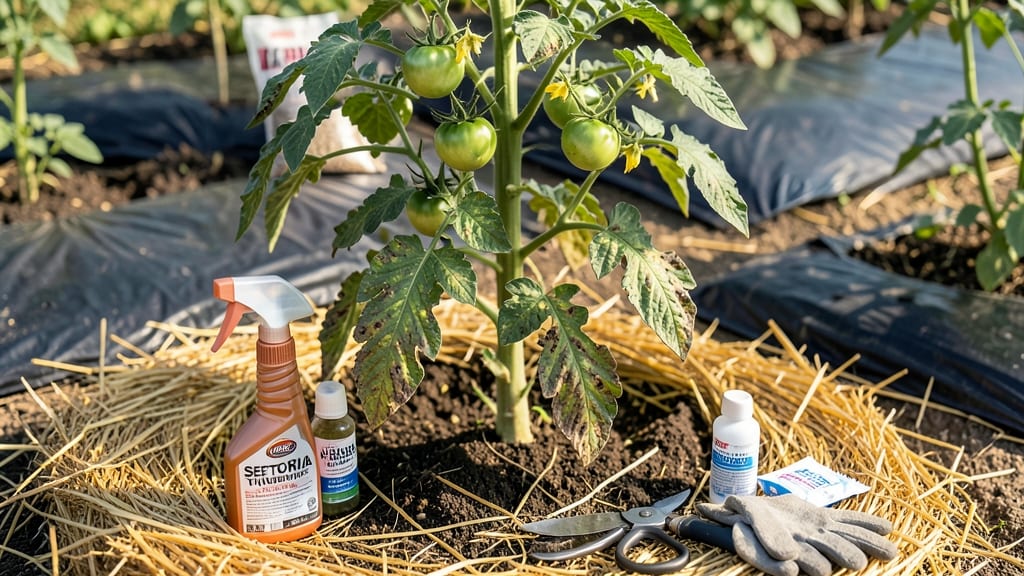
How to treat leaf septoria turns your lush plants into a sad, spotted mess—but copper spray is the foolproof cure. ✨ I’ve battled this fungus on tomatoes, basil, and even my prized roses, and these steps stop it dead in its tracks. The key? Spraying at the right time, cleaning up debris, and choosing resistant varieties next season.
This fungal disease thrives in damp, crowded conditions, creating those telltale brown spots with yellow halos. Most gardeners panic and grab the strongest fungicide, but copper spray—organic or synthetic—works just as well without harming bees or beneficial insects.
The trick is consistency: apply it every 7-10 days during wet weather.
Within 2-3 weeks, new growth emerges spot-free, and existing leaves stop spreading the disease. You’ll also notice stronger stems and more vibrant foliage as the plant recovers. The best part? This method prevents future outbreaks when combined with proper spacing and airflow.
Works for tomatoes, peppers, beans, and ornamentals like roses and viburnum. For severe cases, pair copper spray with pruning infected leaves and mulching to keep soil dry. Let’s get those plants back to their best!
Root Causes Of Leaf Septoria
Leaf septoria, caused by the fungus Septoria lycopersici (for tomatoes) or similar species in other plants, thrives in specific conditions that create the perfect storm for infection. Understanding these triggers is the first step to stopping it in its tracks.
Let’s break down the key factors that turn your lush foliage into a fungal buffet.
Fungal spores love water—it’s their highway to spreading. Leaf septoria spores germinate and infect plants when leaves stay wet for prolonged periods. Here’s why moisture is such a bad actor:
- Prolonged leaf wetness: If leaves remain damp for more than 4–6 hours (especially at night), spores latch on and penetrate the plant’s surface. Overhead watering or poor airflow worsens this.
- High humidity: Humidity levels above 75–80% create an ideal environment for spore germination. Greenhouses, dense plantings, and shaded areas trap moisture, accelerating outbreaks.
- Rain or dew: Frequent rainfall or morning dew can splash spores from infected debris (like fallen leaves) onto healthy plants, kickstarting new infections.
Actionable fix: Space plants for airflow, water at the base (not overhead), and use drip irrigation to keep foliage dry.
Leaf septoria doesn’t just appear out of nowhere—it hitches a ride on infected plant material. Old leaves, stems, or even compost can harbor overwintering spores that lie dormant until conditions are right. Here’s how debris fuels the problem:
- Infected plant residue: Leaves with septoria spots contain millions of spores that survive in soil or mulch for months. If you don’t remove them, they reinfect next season.
- Contaminated tools or soil: Pruners, gloves, or even shoes can transfer spores between plants. So can compost made from infected plant clippings.
- Crowded gardens: Tight plant spacing reduces airflow, trapping moisture and spores. This is why septoria ravages tomato plants in dense rows.
Actionable fix: Clean up fallen leaves immediately, sterilize tools with 10% bleach solution, and rotate crops to break the fungal cycle.
Leaf septoria isn’t a year-round menace—it peaks when temperatures and plant stress align. The fungus favors:
- Cool, wet springs/autumns: Ideal septoria conditions occur between 60–75°F (15–24°C). If your spring is chilly and rainy, expect outbreaks on tomatoes, basil, or celery.
- Heat stress: While the fungus itself prefers cooler temps, heat waves followed by sudden rain weaken plants, making them more susceptible to infection.
- Nutrient deficiencies: Plants low in nitrogen or potassium have thinner cell walls, making it easier for spores to breach their defenses.
Actionable fix: Monitor weather forecasts, mulch to stabilize soil temps, and fertilize with balanced NPK (e.g., 10-10-10) to bolster plant resilience.
Healthy plants can resist septoria, but stress opens the door. Common culprits that lower a plant’s defenses include:
- Overwatering or underwatering: Both extremes disrupt nutrient uptake, leaving plants vulnerable. Wilting or yellowing leaves are red flags.
- Pests like aphids or spider mites: These suck plant sap, creating entry points for fungi. A single infestation can turn a minor septoria risk into a full-blown epidemic.
- Transplant shock: Recently moved or shocked plants have compromised root systems, making them easy targets.
Actionable fix: Inspect plants regularly for pests, water consistently, and avoid overcrowding to reduce stress.
Pro tip: 💡 Early detection is your best defense. Spot tiny dark spots with yellow halos? Act fast—copper spray and sanitation can prevent septoria from becoming a garden nightmare.
Fixing Leaf Septoria Step by Step
Now that you understand the causes behind leaf septoria, let’s tackle it head-on with practical solutions tailored to each trigger. Whether your plants are struggling from poor airflow, overwatering, or weak immunity, these fixes will help restore their health—and keep future outbreaks at bay.
If your plants are drowning in soggy soil, fungal spores like Septoria thrive in the damp conditions. Here’s how to correct it:
- 🔥 Adjust Your Watering Routine Water only when the top 1–2 inches of soil are dry (stick your finger in to check!). Early morning is best—it gives foliage time to dry before evening humidity sets in.
- 🍳 Improve Soil Drainage Amend heavy or compacted soil with perlite, coarse sand, or compost to boost aeration. For container plants, ensure pots have drainage holes and elevate them slightly off the saucer.
- 👨🍳 Prune for Airflow Thin out dense foliage to let air circulate. Remove yellowing or spotted leaves immediately—don’t let them linger as infection hotspots.
Copper-based fungicides are the gold standard for septoria because they disrupt the fungus’s cell function without harming plants (when used correctly). Here’s how to apply it effectively:
- 🔪 Choose the Right Spray Use a fixed copper fungicide (like copper sulfate pentahydrate or copper hydroxide) or a ready-to-use organic spray (e.g., Copper Soap). Avoid homemade mixtures—they can burn leaves.
- ⏰ Apply at the Right Time Spray preventatively before rain or in the early morning/late afternoon (avoid midday sun, which can cause leaf scorch). Reapply every 7–14 days or after heavy rain.
- 🌡️ Follow Label Instructions Most sprays require dilution (e.g., 1 tbsp per gallon of water). Test on a small leaf first to check for sensitivity. Never spray when plants are wet—it reduces effectiveness.
Healthy plants resist septoria better. Boost their defenses with these low-effort upgrades:
- 💡 Fertilize Smartly Avoid high-nitrogen fertilizers (they promote lush, weak growth). Instead, use a balanced 10-10-10 or low-nitrogen organic fertilizer (like compost or fish emulsion) to build resilience.
- 🎯 Rotate Crops If you grow the same plants (e.g., tomatoes, celery, or beets) year after year, rotate families to starve out fungal buildup in the soil.
- ✨ Use Beneficial Microbes Add mycorrhizal fungi or bacillus subtilis (a soil bacterium) to outcompete Septoria. Products like Serenade or MycoApply work well.
An ounce of prevention saves gallons of grief. Here’s how to lock in long-term protection:
- 🌡️ Space Plants Properly Follow recommended spacing for your crops—crowding traps moisture and spreads spores faster.
- 🍎 Clean Up Debris Remove fallen leaves, mulch, and plant waste from the garden bed. Pile them in a compost bin (not directly on soil) or dispose of them.
- 🔥 Solarize Infected Soil (Advanced) For severe cases, cover moist soil with clear plastic for 4–6 weeks in hot sun (100°F+). The heat kills fungal spores. Best for spring/fall.
- 📊 Monitor & Act Fast Check plants weekly for early signs (tiny dark spots). Catch it early, and you’ll nip it in the bud before it spreads.
If your plants are heavily infected (50%+ leaf damage) or copper spray isn’t working, consider:
- 🍄 Biological fungicides like Actinovate (contains Streptomyces lydicus).
- 🌿 Neem oil (mild preventive spray; reapply every 5–7 days).
- 🚜 Replace severely infected plants if they’re non-essential (e.g., ornamental crops).
Frequently asked questions about treating leaf septoria
Can I use household vinegar to treat leaf septoria?
Vinegar isn't effective for treating leaf septoria. While it may help with some fungal issues, its acidity isn't strong enough to kill Septoria spores. Instead, use a copper-based fungicide (like copper sulfate) or a baking soda spray (1 tsp baking soda + 1 quart water + a drop of dish soap) for organic control. Always test sprays on a small leaf first!
How often should I apply copper spray for best results?
Apply copper spray every 7-10 days during wet or humid conditions, or immediately after heavy rain. For prevention, start spraying when you first see tiny spots and continue until new growth appears healthy. Consistency is key—skipping applications lets spores multiply rapidly. Pro tip: Apply in the early morning or late afternoon to avoid leaf burn.
Will removing infected leaves stop the spread of leaf septoria?
Yes, but it's only part of the solution! Prune and destroy infected leaves immediately (don't compost them) to remove spore sources. However, spores can still linger in soil or on tools. Pair pruning with copper spray and improve airflow between plants. Without treatment, spores from old leaves will reinfect new growth within weeks.
Can leaf septoria affect my vegetable harvest?
Yes, severe infections can reduce yields by weakening plants and causing premature leaf drop. While the fungus rarely infects fruit directly, heavy defoliation stresses plants and may lead to smaller or fewer harvests. For tomatoes and peppers, focus on treating lower leaves first to protect developing fruit. Harvest vegetables as soon as they ripen to reduce plant stress.
Are there any septoria-resistant plant varieties I should consider?
For tomatoes, look for varieties like 'Mountain Merit' or 'Defiant PhR' (phytophthora-resistant lines often have better septoria tolerance). For celery, try 'Tall Utah' or 'Golden Self-Blanching'. Always check seed packets for disease resistance ratings. While no variety is completely immune, resistant types give your plants a fighting chance against fungal pressure.