
Pests and Diseases
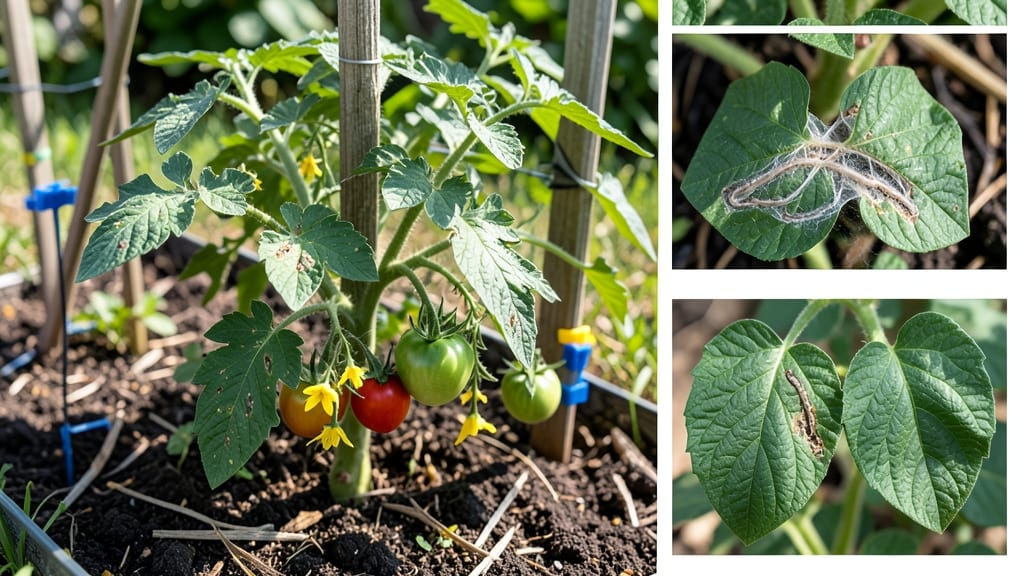
Those serpentine trails on your tomato plants aren’t just unsightly—they’re leaf miners, and they multiply fast. 🌱 I’ve watched these tiny larvae turn vibrant foliage into lacework in just a few weeks, but neem oil can turn the tide when applied at the first sign of damage.
Leaf miners start as eggs laid on the undersides of leaves, then hatch into larvae that tunnel through the leaf tissue. By the time you see the telltale squiggles, the damage is already done—and the larvae are hidden where sprays can’t reach.
The key is catching them early, before they spin cocoons and emerge as adults to restart the cycle.
With neem oil, you’re not just treating the symptoms—you’re disrupting their life cycle. Within 3-5 days of proper application, new growth stays spotless, and existing mines stop spreading. The secret is timing: apply when the larvae are young, and repeat every 5-7 days until no new mines appear.
Prevention is even simpler: trap crops like basil or marigolds lure miners away from tomatoes, and removing infested leaves immediately cuts their numbers. This works for backyard gardens, containers, and even large-scale plots—just stay one step ahead of those sneaky larvae.
The Hidden Culprits Behind Tomato Leaf Damage
Leaf miners on tomato plants don’t just appear out of nowhere—they’re the result of a perfect storm of environmental conditions, pest behavior, and even human habits. Understanding why these tiny invaders strike is the first step to stopping them in their tracks.
Let’s break down the key factors that turn your thriving tomato plants into a buffet for leaf miners.
Leaf miners—typically larvae of flies like Liriomyza species—target stressed or vulnerable plants. When tomatoes are under duress, their defenses drop, making them an easy meal. Here’s what weakens them:
- Poor Soil Nutrition Tomatoes need a balanced diet of nitrogen, phosphorus, and potassium.
If soil lacks these nutrients, plants grow slowly, with thin leaves that are easier for miners to penetrate. - Actionable fix: Test your soil and amend it with compost or a slow-release fertilizer like 10-10-10 (nitrogen-phosphorus-potassium) before planting.
- Overcrowding or Poor Airflow Dense foliage traps moisture, creating a humid microclimate that leaf miners love. Without airflow, fungal diseases (like early blight) can also weaken plants, making them more susceptible.
- Actionable fix: Space tomato plants 18–24 inches apart and prune suckers to improve ventilation.
- Water Stress Both underwatering and overwatering stress tomatoes. Underwatered plants wilt, while soggy roots invite root rot, leaving plants defenseless.
- Actionable fix: Water deeply 1–2 times per week, ensuring the top 2 inches of soil stay dry to prevent fungal issues.
Leaf miners don’t just show up randomly—they follow a predictable life cycle tied to temperature and plant growth stages.
- Warm, Stable Weather Leaf miners thrive in consistent temperatures between 60–85°F (15–29°C).
If your growing season stays warm without frost, adult flies lay eggs on the undersides of leaves, and larvae hatch within 3–5 days. - Actionable fix: Monitor weather forecasts and use row covers in early spring to block adult flies before they lay eggs.
- New Growth Attracts Eggs Young, tender leaves are a miner’s favorite. Adult flies seek out new shoots, flowers, and fresh foliage to deposit eggs.
- Actionable fix: Remove succulent new growth (like flower buds) if miners are already present, as these are high-risk zones.
- Overwintering Survivors Some leaf miner species survive winter in mulch, garden debris, or nearby weeds. If you didn’t clean up last year’s garden, they’re already waiting to reinfest.
- Actionable fix: Clear garden beds in fall, remove plant debris, and avoid thick mulch near tomato patches.
Sometimes, well-meaning gardening practices accidentally create the perfect conditions for leaf miners.
- Ignoring Early Signs Tiny white specks (eggs) or serpentine trails in leaves are red flags.
By the time you see blotchy, browned mines, the larvae are already feeding. - Actionable fix: Inspect leaves weekly, especially the undersides, and remove infested leaves immediately (drop them in soapy water, not compost).
- Reusing Contaminated Tools or Pots Leaf miner eggs can hitch a ride on pruners, gloves, or potting soil from previous seasons.
If you reused containers or tools near infested plants last year, you’ve already spread the problem. - Actionable fix: Sterilize tools with rubbing alcohol and replace potting mix if you suspect contamination.
- Neglecting Beneficial Insects Parasitic wasps like Diglyphus isaea and Opius species naturally prey on leaf miner larvae. If you’ve used broad-spectrum pesticides (like malathion), you’ve likely killed these allies.
- Actionable fix: Avoid chemical sprays and encourage predators by planting dill, fennel, or marigolds nearby.
Where you garden plays a huge role in leaf miner activity.
- Greenhouse or Indoor Growing Greenhouses provide ideal, controlled warmth year-round, giving leaf miners a permanent home. Without natural predators, infestations spiral.
- Actionable fix: Increase ventilation, introduce beneficial nematodes (Steinernema feltiae), and rotate crops annually.
- Urban or Suburban Gardens Leaf miners spread quickly in dense residential areas where tomatoes are planted in close proximity. A neighbor’s infestation can easily jump to yours via wind or pollinators.
- Actionable fix: Coordinate with neighbors to treat plants simultaneously and use physical barriers like fine mesh.
- Humid Climates High humidity slows the drying of leaf mines, allowing larvae to feed longer and causing more damage.
- Actionable fix: Improve drainage and avoid overhead watering to reduce leaf wetness.
The key to stopping leaf miners is interrupting their life cycle at every stage. Here’s how to stay ahead:
- Scout for eggs (tiny white dots on leaf undersides) and remove them by hand or with a damp cloth.
- Use yellow sticky traps to catch adult flies before they lay eggs.
- Rotate crops—don’t plant tomatoes, peppers, or eggplants in the same spot yearly.
- Try neem oil or kaolin clay as a preventative barrier (more on this in our rescue guide!).
By addressing these root causes, you’ll make your tomato plants less appealing to leaf miners and more resilient to attacks. 🚀
Quick Fixes for Leaf Miners
Leaf miners may sound like a nuisance, but with the right approach, you can banish them fast and keep your tomato plants thriving. Below, we’ve mapped out practical, step-by-step solutions based on the root cause—whether it’s larvae, eggs, or environmental triggers.
Plus, we’ll share prevention tips to stop future invasions before they start.
If you spot blotchy, serpentine trails or visible larvae, act fast to prevent spread.
- 🍳 Snip and Toss: Use sterilized scissors to cut off heavily infested leaves (especially the youngest ones, where larvae love to hide).
Drop them into a sealed plastic bag and toss them in the trash—not the compost! - 👨🍳 Check the Soil: Larvae eventually pupate and drop to the ground. Loosen the top 2 inches of soil around the base of the plant and remove any white or brown pupae you find. - ⏰ Timing Matters: Do this early in the morning when larvae are sluggish, making them easier to spot.
💡 Pro Tip: If your plant is heavily damaged, don’t hesitate to prune entire branches—healthy growth will bounce back faster than you think!
Chemical pesticides can harm beneficial insects, but neem oil and insecticidal soap are effective, eco-friendly alternatives.
| Solution | How to Use | Best Time to Apply |
|---|---|---|
| Neem Oil | Mix 1 tbsp neem oil + 1 tsp mild soap + 1 quart water. Spray undersides of leaves thoroughly. | Evening (avoids harming bees) |
| Insecticidal Soap | Use a store-bought or homemade mix (1 tbsp castile soap per quart water). Spray directly on mines. | Early morning or late evening |
| Kaolin Clay | Mix 1 cup kaolin clay + 1 gallon water. Spray to create a physical barrier larvae hate. | Every 5–7 days for prevention |
🔥 Repeat Applications: Spray every 5–7 days for 2–3 weeks to catch newly hatched larvae.
Leaf miners lay eggs, and breaking their cycle is key to long-term control.
- 🌡️ Yellow Sticky Traps: Place yellow cards or traps near tomato plants to catch adult flies before they lay eggs. - 🎯 Beneficial Nematodes: Apply heterorhabditis bacteriophora nematodes to the soil.
These microscopic predators seek out and kill larvae without harming plants. - 🌱 Crop Rotation: If leaf miners are a recurring problem, rotate your tomatoes with non-host plants (like beans or lettuce) next season to starve out larvae.
✨ Prevention Bonus: Interplant tomatoes with basil or marigolds—their strong scents repel adult flies naturally!
A healthy tomato plant can tolerate minor damage and recover faster.
- 💪 Water Deeply & Consistently: Drought-stressed plants attract more pests.
Water at the base (not leaves) to avoid fungal issues. - 🌿 Use Mulch: A 2–3 inch layer of straw or grass clippings keeps soil moist, suppresses weeds (which can harbor pests), and regulates temperature. - 🍅 Balance Fertilizer: Too much nitrogen = soft, tasty leaves that attract miners.
Use a balanced 10-10-10 or organic compost instead.
If your tomatoes are severely infested (over 50% of leaves damaged), consider:
- 🔪 Organic Pesticides: Spinosad (derived from soil bacteria) or Bacillus thuringiensis var. israelensis (Bti)—safe for humans but deadly to larvae.
- 🚜 Professional Help: For commercial growers, consult a local extension office for targeted organic sprays.
🎯 Final Reminder: Early action is everything! The sooner you remove leaves, spray, and disrupt larvae, the less damage your tomatoes will suffer. With these steps, you’ll have spotless, thriving plants in no time!
Frequently asked questions
What do leaf miner damage look like on tomato plants?
Look for wavy, brown trails inside leaves that resemble squiggles or serpentine patterns. These are the feeding paths of larvae tunneling through leaf tissue. Check the undersides of leaves too—you’ll often spot tiny white eggs or larvae themselves before seeing visible damage.
How quickly do leaf miners spread on tomato plants?
Leaf miners multiply fast! Adult flies lay 50-100 eggs at a time, which hatch in 3-5 days into hungry larvae. If untreated, a single plant can become heavily damaged in just 2-3 weeks, with larvae spreading to nearby plants via wind or pollinators.
Can I still harvest tomatoes if my plants have leaf miners?
Yes, but focus on undamaged fruit first. Leaf miners only affect foliage—they don’t tunnel into tomatoes. Remove heavily infested leaves to redirect the plant’s energy to fruit production. For severe cases, prioritize harvesting existing tomatoes before treating the plants.
Will leaf miners kill my tomato plants?
Leaf miners rarely kill tomato plants directly, but severe infestations can weaken them enough to attract other pests or diseases. The real risk comes from reduced photosynthesis—heavily damaged leaves can’t support fruit production. Early treatment prevents this spiral.
How do I know if my tomato plants have leaf miners vs. another pest?
Leaf miners create distinctive serpentine trails inside leaves, while other pests like aphids or spider mites cause speckling, webbing, or holes on leaf surfaces. Check for tiny white eggs on undersides—leaf miners’ signature clue. Spider mites leave fine webbing, while aphids cluster on new growth.