
Light Requirements
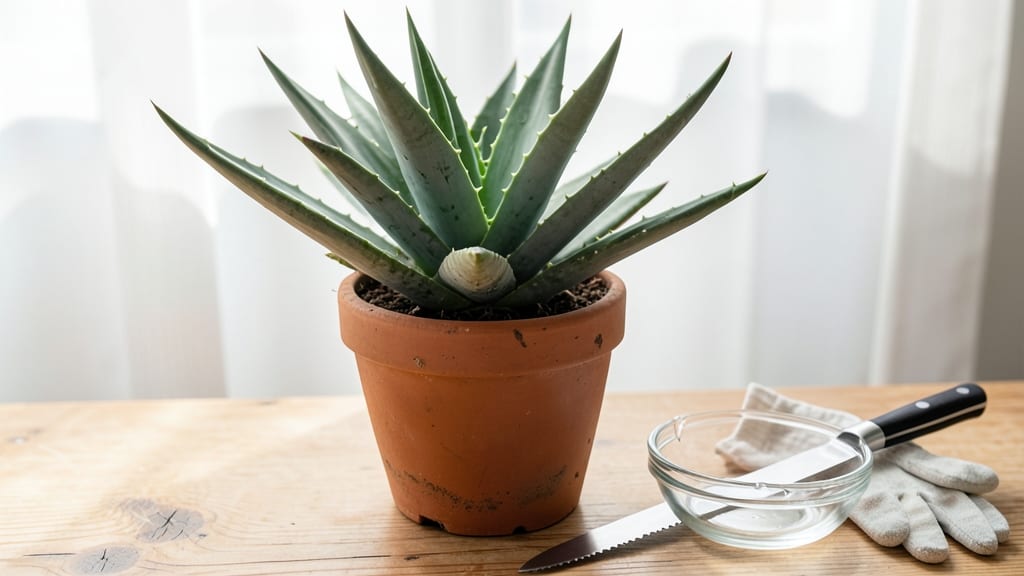
How to use an aloe vera leaf for sunburn relief is a game-changer when your skin feels like it's on fire. 🌿 The thick, gel-filled leaves from your aloe plant (or a store-bought one) hold natural anti-inflammatory compounds that soothe irritation faster than most over-the-counter creams. I’ve used it on my kids’ scraped knees and my own post-beach sessions—it works every time.
You only need two things: a fresh aloe leaf and a clean knife. No fancy tools required. If you’re growing your own aloe, pick a thick, mature leaf from the outer edges of the plant.
For store-bought, check the label for organic or pure aloe vera—skip anything with added fragrances or alcohol. The gel inside is what you’re after, and it’s ready to use straight from the leaf.
Once you’ve extracted the gel, apply it directly to the affected area. The cool, slippery texture feels amazing on hot skin, and within minutes, you’ll notice the sting easing. For extra relief, store the gel in the fridge for a soothing double effect.
It’s not just for sunburns—this stuff works on minor cuts, insect bites, and even acne too.
Pro tip: Always do a patch test first, especially if you have sensitive skin. And if you’re growing your own aloe, keep it in bright, indirect light—it’s the perfect low-maintenance plant for a sunny windowsill or kitchen counter. Your skin (and your plant) will thank you.
📚 In This Guide
- What you need
- Instructions
- Tips and common mistakes
- Wrapping up and next steps
What you need
- ● 1 mature aloe vera leaf (at least 12–18 inches long, thick, and plump—look for vibrant green leaves with no brown spots!)
- ● 1 sharp knife or serrated knife (a clean, sterilized blade is a must to avoid contamination)
- ● 1 cutting board or clean surface (preferably non-porous, like glass or plastic)
- ● 1 bowl or container (for collecting the gel—glass or food-grade plastic works best)
- ● 1 spoon or spatula (for scooping out the gel)
- ○ 1 strainer or fine mesh sieve (optional but helpful for removing pulp if you prefer smooth gel)
- ● Rubbing alcohol (70% isopropyl) or hydrogen peroxide (for sterilizing your tools)
- ● Food processor or blender (if you want to make aloe vera juice or a thicker paste)
- ● Aloe vera gel preservative (vitamin E oil or lemon juice) (to extend shelf life if storing)
- ● Dark glass jar with a lid (for storing gel in the fridge for up to 1 week)
- ● Latex gloves (if you’re sensitive to aloe latex or just prefer protection)
Step-by-Step instructions for extracting aloe vera gel
Here's how to safely harvest and use aloe vera gel for soothing sunburned skin.
🌿 Step 1: Select and Prepare the Aloe Leaf
Choose a thick, mature aloe leaf from the outer edge of the plant—these contain the most gel. Gently twist the leaf back and forth until it detaches cleanly from the base. You'll need one large leaf per application, so pick accordingly. Wear gloves if you're sensitive to the leaf's natural sap, which can irritate skin.
Rinse the leaf under cool water to remove any dirt or debris. Pat it dry with a clean towel, then lay it flat on a cutting board. The gel is concentrated near the leaf's base, so you'll want to work from the wider end downward. Here's the thing—don't cut the leaf too soon. Let it sit upright in a glass of water for 10 minutes first. This allows the aloe's natural latex (the yellow sap) to drain away, leaving you with pure gel.
✂️ Step 2: Extract the Gel Safely
After draining, lay the leaf flat with the pointed end facing down. Use a sharp knife to slice off the spiky edges along both sides, creating an open book shape. The gel is the translucent, jelly-like substance inside. You'll see a thin layer of yellow latex between the gel and the leaf's skin—this is the part that can cause irritation if not removed.
Scoop out the gel with a spoon, starting from the base where it's thickest. Work your way toward the tip, scraping gently to avoid damaging the leaf. You'll need about 1 tablespoon of gel per application for sunburn relief. If the gel feels too thick, let it sit at room temperature for 5-10 minutes—it'll soften and become easier to spread. Don't rush this step; patience ensures smoother application and fewer skin reactions.
💧 Step 3: Apply the Gel to Sunburned Skin
Transfer the gel to a clean bowl and stir it gently with a spoon to break up any remaining fiber strands. For best results, chill the gel in the fridge for 15-20 minutes before applying—this reduces inflammation and soothes the skin. Apply a thin layer to the affected area using your fingers or a clean spoon, avoiding broken skin.
Let the gel sit for 30-60 minutes before rinsing with cool water. You'll notice an immediate cooling sensation that helps reduce redness and pain. Reapply every 2-3 hours as needed, but don't overdo it—aloe vera is potent and can cause dryness if used excessively. If your skin feels tight or irritated after application, rinse immediately and discontinue use.
🌱 Step 4: Store Any Leftover Gel Properly
If you have extra gel, transfer it to a clean, airtight container. Store it in the fridge for up to 7 days—this preserves its soothing properties. The gel will thicken slightly when cold, so let it sit at room temperature for a few minutes before reapplying to make it easier to spread.
Real talk: Fresh gel is always best, but stored gel still works well for minor burns or dry skin. Just give it a quick stir before use—sometimes the gel separates when refrigerated. If you notice any mold or an off smell, toss it and harvest a new leaf. Your skin will thank you for the freshness!
Tips & tricks for perfect aloe vera gel extraction
Here's what nobody tells you about getting the most from your aloe vera leaf—these little details make all the difference.
Leaf Selection Matters: In Step 1, when choosing your leaf, look for the thickest, heaviest one—it's packed with the most gel. The outer leaves are your best bet because they've had more time to store nutrients. I always check the base for a slightly bulbous shape; that's where the gel is most concentrated. Avoid leaves with brown spots or dry edges as they'll yield less gel and may have compromised soothing properties.
The 10-Minute Drain Trick: That 10-minute water drain in Step 1 isn't just about removing sap—it's about letting the leaf's natural enzymes activate. The yellow latex contains aloin, which can cause irritation, but the water helps flush it out completely. Pro tip: Angle the leaf so the cut end is submerged about 1 inch—this creates better drainage. If you're short on time, 5 minutes will help, but you'll still get some latex residue in your gel.
Gel Texture Tip: In Step 2, when scooping the gel, work from the base upward where it's thickest. The gel near the tip is more watery and less effective for sunburn relief. If your gel feels too thick after scooping, that 5-10 minute room temperature wait is crucial—it softens the fibers so they blend more easily. I've found that gently mashing the gel with the back of a spoon helps break down any remaining fibers without making it watery.
Application Technique: For Step 3, chill the gel before applying—this isn't just about comfort, it's about effectiveness. Cold gel helps constrict blood vessels, which reduces inflammation faster. When applying, use a thin layer—thick applications can suffocate the skin. I like to use a clean spoon to spread it evenly, especially on facial burns where fingers might be less precise. The immediate cooling sensation you feel is your skin telling you it's working!
Pro Tips for Use Aloe Vera Leaf
- Here's what nobody tells you about getting the most from your aloe vera leaf—these little details make all the difference.
- Leaf Selection Matters: In Step 1, when choosing your leaf, look for the thickest, heaviest one—it's packed with the most gel.
- The 10-Minute Drain Trick: That 10-minute water drain in Step 1 isn't just about removing sap—it's about letting the leaf's natural enzymes activate.
Frequently asked questions
Got questions about using aloe vera leaf? You’re not alone! Here are answers to the most common ones to help you get the most out of this soothing plant.
How do I know if my aloe vera leaf is mature enough to use?
A mature aloe vera leaf is thick, plump, and has a smooth, green exterior with no brown spots. Look for leaves that are at least 12 inches long—these usually contain the most gel. If the leaf feels spongy when gently squeezed, it’s ready for use!
How soon after cutting the leaf can I use the gel?
For the freshest gel, use the leaf within 1-2 hours of cutting. If you need to store it, place the cut end in water (like a bouquet) and refrigerate for up to 5-7 days. Just remember: the longer you wait, the more the gel may lose its potency.
Can I use store-bought aloe vera gel instead of fresh leaf?
Store-bought gel is a great alternative, especially for convenience. However, fresh aloe vera gel from the leaf contains no preservatives or additives, making it ideal for sensitive skin or sunburn relief. If you choose store-bought, opt for 100% pure aloe vera gel with no alcohol or fragrances.
What should I do if the aloe vera gel stings my skin?
A slight tingling is normal, but if you feel a sharp sting or irritation, the gel might be too acidic. To reduce discomfort, rinse the area with cool water after applying. You can also dilute the gel with a bit of water (1:1 ratio) or mix it with a soothing ingredient like coconut oil to ease sensitivity.
How often can I apply aloe vera gel to sunburned skin?
You can apply fresh aloe vera gel 2-3 times daily until your sunburn heals. For severe burns, apply every 3-4 hours or as needed. Keep it refrigerated for extra soothing relief, and always patch-test a small area first if you have sensitive skin.
Wrapping up and next steps
You now have all the tools to harness the soothing power of aloe vera for sunburn relief! 🌿 Whether you’re extracting gel for the first time or perfecting your technique, remember that this natural remedy can be a game-changer for skin healing.
Start small—try a patch test to ensure your skin responds well—and soon, you’ll be a pro at turning aloe vera into your go-to skincare ally.
Ready to explore more? Dive deeper into aloe vera’s benefits or experiment with other DIY skincare solutions—your skin will thank you! 💚