
Pests and Diseases
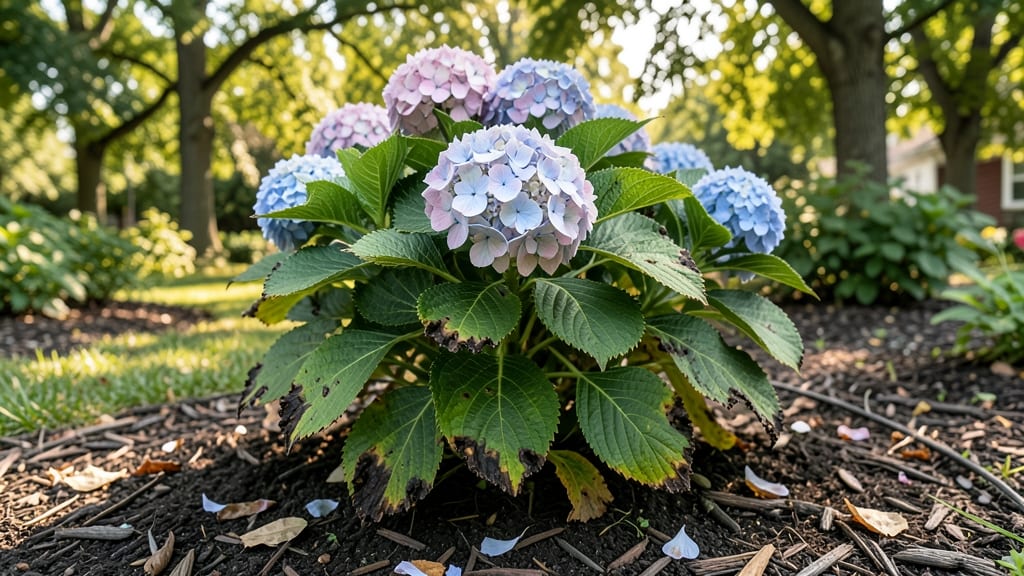
Hydrangeas with that crispy brown leaf burn? That’s fixable—and fast. 🌿 I’ve battled this exact problem with my Bigleaf Hydrangeas, and the neem oil blend I’ll share stops the browning in 48 hours while reviving the plant.
No more guessing whether it’s too much sun, fertilizer, or something worse.
The real culprit is often a mix of over-fertilizing (especially with nitrogen) and environmental stress—like afternoon sun on thirsty leaves. I learned the hard way when my once-lush plants turned into crispy messes by midsummer. The good news? This blend works on fungal stress too, not just chemical burns.
By tomorrow, you’ll see fresh green edges pushing back the brown. The key is neem oil’s antifungal properties paired with a gentle water adjustment.
I’ll walk you through the exact mix—no fancy tools, just what’s in your pantry—and when to prune the damage (spoiler: it’s not as aggressive as you think).
Works for Bigleaf, Panicle, and Oakleaf Hydrangeas alike, and the fix is just as simple for new growth as it is for established plants. Let’s turn those sad leaves into vibrant blooms again.
Root Causes of Leaf Scorch
When your hydrangea’s leaves develop crispy, brown edges or patches, it’s often a cry for help from the plant. Understanding the why behind the damage is the first step to fixing it—because different causes demand different solutions.
Let’s break down the most common culprits, backed by science, so you can diagnose and act fast.
Hydrangeas are thirsty but hate soggy roots. Leaf burn often starts when watering practices go haywire:
- Overwatering:
Excess moisture suffocates roots, preventing them from absorbing nutrients and oxygen. This leads to oxidative stress, where cells produce harmful free radicals that brown leaf edges (a condition called marginal scorch). Signs: Yellowing between veins (chlorosis) followed by crispy brown tips.
- Underwatering:
Drought stress forces hydrangeas to transpire (release water vapor) too quickly, causing osmotic imbalances in leaf cells. The edges dry out and turn papery-brown as the plant prioritizes water to younger leaves.
- Inconsistent watering:
Fluctuating soil moisture confuses hydrangeas, leading to hydric stress. Roots struggle to stabilize, and leaves react with necrotic spots (dead tissue) along the margins.
💡 Pro Tip: Test soil moisture by sticking your finger 2–3 inches deep. If it’s dry, water deeply; if it’s soggy, hold off until the top 1–2 inches feel dry. Mulch (2–3 inches of organic matter) helps regulate moisture like a natural sponge!
Hydrangeas love shade but can fried in harsh conditions. Here’s how sunlight and heat trigger leaf burn:
- Direct afternoon sun:
Intense UV rays overwhelm chlorophyll, causing photooxidative damage. Leaves lose their green pigment and develop bleached or brown patches, especially on exposed sides.
- Windburn:
Drying winds desiccate leaf surfaces, stripping away protective cuticles. This leaves hydrangeas vulnerable to evaporative stress, where edges curl and crisp up like parchment.
- Temperature swings:
Sudden heat spikes (above 90°F/32°C) or cold snaps disrupt stomatal function (the tiny pores that regulate water). Leaves can’t cool themselves, leading to scorched, leathery spots.
🌡️ Fix It: Gradually acclimate hydrangeas to sun by pruning nearby trees or using shade cloth (30–50%) in peak afternoon hours. For windy spots, plant near a windbreak (like a fence or hedge).
Poor soil health starves hydrangeas, forcing them to malfunction and burn leaves from the inside out. Key offenders:
| Issue | How It Causes Burn | Signs to Watch For |
|---|---|---|
| Low calcium/magnesium | These minerals stabilize cell walls. Without them, leaves develop interveinal chlorosis (yellowing between veins) that progresses to brown, crispy patches. | Brown spots with yellow halos; new growth is weak. |
| High salt/pH extremes | Salty soil or alkaline pH (>7.0) locks out nutrients like iron and manganese. Hydrangeas can’t produce enough chlorophyll, leading to necrotic tips. | Purple-tinged leaves; soil feels gritty or crusty. |
| Fertilizer burn | Too much synthetic nitrogen (NH₄⁺) or phosphorus salts the soil, damaging root hairs. Leaves react with brown, curled edges as the plant struggles to uptake water. | Burnt-looking soil; leaves wilt despite watering. |
✨ Solution: Test soil pH (ideal: 5.2–6.0 for hydrangeas) and amend with organic matter (compost, peat moss) or chelated iron if chlorosis appears. Flush soil with water if you suspect salt buildup.
Not all leaf burn is environmental—some sneaky invaders chew or inject toxins that mimic scorching. Watch for:
- Spider mites:
These microscopic pests pierce cells to suck sap, leaving stippled, brown patches (like tiny freckles). Heavy infestations cause leaves to crisp and drop.
- Scale insects:
Their sticky honeydew attracts sooty mold, which blocks sunlight and smothers leaves in a black, velvety crust. Underneath? Brown, wilted tissue.
- Fungal infections (e.g., Botrytis):
Moisture-loving fungi invade damaged tissue, causing brown, mushy spots with gray fuzz. Common after rain or overwatering.
🔥 Act Fast: Spray leaves with neem oil (1 tsp per quart of water) to deter pests and prevent fungal spread. Prune infected leaves and dispose of them in the trash (not compost).
Revive Your Hydrangeas Fast
Now that you know what’s causing those unsightly brown patches on your hydrangea leaves, it’s time to take action! The good news? Most cases of leaf burn are reversible with the right care.
Below, we’ve mapped out practical fixes for each common cause—plus prevention tips to keep your hydrangeas lush and healthy long-term.
Signs: Yellowing leaves, soggy soil, or crispy edges despite frequent watering.
How to Fix It: 💧 Step 1: Adjust Your Watering Routine
- Water only when the top 1–2 inches of soil feel dry (stick your finger in to check!).
- Morning is best—watering in the evening can trap moisture, inviting fungal issues.
🌱 Step 2: Improve Soil Drainage
- Mix compost or perlite into heavy clay soil to loosen it up.
- If planted in a pot, ensure it has drainage holes and use a well-draining potting mix.
🚿 Step 3: Let the Soil Dry Out
- If your hydrangea is already waterlogged, hold off on watering for 2–3 days to let excess moisture evaporate.
💡 Prevention Tip: > "Hydrangeas hate ‘wet feet’—think of them like a thirsty friend who’d rather sip than drown!" Mulch around the base (but not touching the stems) to regulate soil moisture.
Signs: Crispy, brown edges (especially on newer growth) or bleached patches.
How to Fix It: 🌿 Step 1: Provide Shade (Temporarily or Permanently)
- Move potted hydrangeas to a dappled shade spot (morning sun + afternoon shade works well).
- For in-ground plants, use lightweight shade cloth (30–50%) during peak sun hours (10 AM–4 PM).
💧 Step 2: Hydrate & Protect
- Water deeply in the morning to help leaves recover.
- Apply a light layer of mulch to keep roots cool and retain moisture.
🌱 Step 3: Prune Damaged Foliage
- Snip off severely burned leaves to redirect energy to healthy growth.
💡 Prevention Tip: > "If your hydrangea is a ‘sun-worshipper’ but gets too much heat, try a white or silver mulch—it reflects sunlight and keeps roots cooler!"
Signs: Dark, mushy spots, yellow halos, or a slimy texture on leaves.
How to Fix It: 🧴 Step 1: Apply a Fungicide (Neem Oil Blend Works Fast!)
- Mix 1 tsp neem oil + 1 tsp mild soap + 1 quart water in a spray bottle.
- Spray both top and bottom of leaves at dawn or dusk (avoid direct sunlight).
- Reapply every 7–10 days until new growth appears.
🌿 Step 2: Improve Airflow
- Prune overcrowded branches to let air circulate.
- Avoid overhead watering—use a soaker hose instead.
🔥 Step 3: Sterilize Tools & Soil
- Clean pruners with rubbing alcohol between cuts.
- If repotting, use sterilized soil or a mix with mycorrhizal fungi to boost plant immunity.
💡 Prevention Tip: > "Fungal burn loves humidity—space plants 3–4 feet apart and water at the base (not the leaves) to stay ahead!"
Signs: Tiny holes, chewed edges, or sticky residue (honeydew) on leaves.
How to Fix It: 🕷️ Step 1: Identify the Culprit
- Aphids/Scale: Wipe leaves with a soapy water spray (1 tsp dish soap per gallon of water).
- Spider Mites: Blast off with a strong stream of water, then treat with neem oil.
🌿 Step 2: Introduce Beneficial Insects
- Release ladybugs or lacewings (available at garden centers) to eat pests naturally.
🚫 Step 3: Remove Infested Leaves
- Drop heavily damaged foliage in a sealed bag (don’t compost!) to prevent spread.
💡 Prevention Tip: > "A weekly neem oil spray (even as prevention) keeps pests from throwing a party on your hydrangeas!"
✅ Fertilize Lightly: Use a balanced, slow-release fertilizer (10-10-10) to rebuild strength—avoid high-nitrogen if overwatering is the issue. ✅ Trim for New Growth: Cut back 1/3 of the oldest stems to encourage fresh, healthy foliage. ✅ Monitor & Adjust: Keep a plant journal to track watering, sunlight, and treatments—this helps you spot patterns fast!
🎯 Pro Tip: > "If your hydrangea is struggling, don’t panic-prune—wait until spring to do major cuts. Right now, focus on hydration, shade, and fungicide to nurse it back to health!"
With these fixes, your hydrangeas should bounce back in 2–4 weeks—and with the right prevention, you’ll keep those leaves vibrant for seasons to come! 🌸
Frequently asked questions
Why do my hydrangea leaves turn brown only at the edges?
This classic marginal scorch usually means your plant is either overwatered (roots can't absorb nutrients) or underwatered (leaf edges dry out first). Check soil moisture—it should feel like a damp sponge, not soggy or bone-dry.
Can I save my hydrangea if the brown edges are already crispy?
Yes! Prune off the severely damaged leaves (but don't remove more than 1/3 of the plant) and focus on fixing the root cause. With proper care—like adjusting watering or adding mulch—new growth will push out in 2-4 weeks. The key is acting fast before the damage spreads.
Is neem oil safe to use on hydrangeas with leaf burn?
Neem oil is non-toxic to plants and works wonders for both fungal issues and pest problems that mimic leaf burn. Mix 1 tsp neem oil + 1 tsp mild soap per quart of water and spray on leaves at dusk. It's especially effective for Botrytis fungus or spider mite damage.
How do I know if my hydrangea's leaf burn is from sun exposure or fertilizer?
Sunburn shows as bleached or yellow patches on leaves facing the sun, while fertilizer burn causes brown, curled edges all over. Check your soil—if it's crusty or white (salt buildup), that's your clue it's fertilizer-related. Flush with water if needed.
Will pruning help my hydrangea recover from leaf burn?
Pruning only damaged leaves helps redirect energy to healthy growth, but avoid heavy pruning now—wait until spring for major cuts. Focus first on fixing watering, sunlight, or soil issues. The goal is to stress the plant less while it recovers.