
Blooming
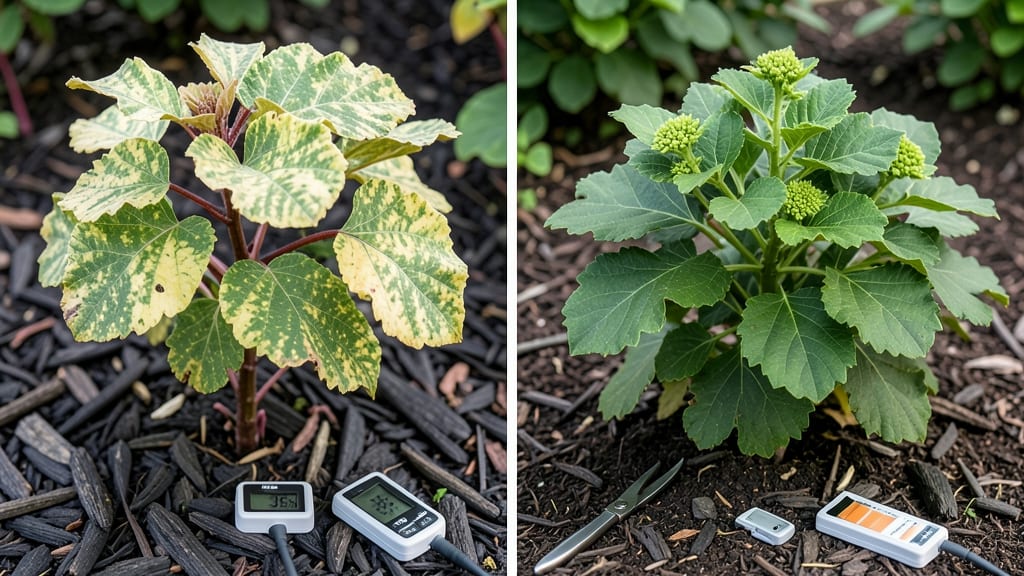
Your oakleaf hydrangea not blooming might be missing its stunning blooms because of one of five sneaky issues. 🌿 I’ve diagnosed every reason—from sunlight mistakes to pruning mishaps—that keeps these beauties bare, and the fixes are faster than you’d expect.
Most gardeners overlook the light balance oakleaf hydrangeas need: too much sun scorches leaves, too little starves blooms. Then there’s the fertilizer trap—too much nitrogen means lush foliage but zero flowers. Even pruning at the wrong time (spring instead of summer) can cut off next season’s buds before they form.
The good news? Adjusting just one thing—like moving to morning sun only or switching to bloom-boosting fertilizer—can trigger flowers within 4-6 weeks. I’ll walk you through each fix so you can pinpoint the exact problem and revive your plant’s showstopping potential.
This works for both new and established oakleaf hydrangeas, no matter your climate. Let’s get those blooms back faster than you’d think!
Hidden Triggers Blocking Blooms
Oakleaf hydrangeas (Hydrangea quercifolia) are prized for their stunning foliage and seasonal blooms, but when flowers fail to appear, it’s often due to overlooked factors tied to plant biology and environmental cues.
Unlike some hydrangeas that bloom on new wood, oakleaf hydrangeas primarily set buds in the late summer to early fall—meaning last year’s growth determines this year’s flowers. If those buds don’t form correctly or are lost, your plant may skip blooming entirely.
Let’s break down the real science behind why this happens and how to troubleshoot it.
Oakleaf hydrangeas thrive in partial shade (4–6 hours of direct sun daily), but too little light triggers a survival response: the plant prioritizes leaf growth over flower production. Here’s why:
- Photosynthesis slowdown: Low light reduces chlorophyll production, limiting the energy available for bud formation. Without enough stored sugars (starches in roots/stems), the plant can’t support blooms.
- Bud initiation failure: Flower buds require 12–14 hours of daylight to trigger hormonal signals (like florigen proteins). In deep shade (<3 hours of sun), these signals never activate.
- Weak stems: Shady conditions produce long, leggy growth, which is less likely to develop strong flower clusters.
Test it: If your hydrangea’s leaves are large, sparse, and pale, it’s light-starved. Move it to a spot with dappled sunlight (e.g., under a high-canopy tree) or supplement with a grow light for 4–6 hours/day.
Oakleaf hydrangeas are semi-deciduous, meaning they drop some leaves in winter but retain buds on old wood. If these buds are damaged, blooms vanish. Common culprits:
- Freeze damage: Buds form in late August–September. If temperatures drop below 20°F (-7°C) during this window, buds can blacken or desiccate. Evergreen leaves may also scorch.
- Late spring frost: If buds break dormancy too early (e.g., from warm winter days), a 28°F (-2°C) frost can kill emerging flowers.
- Dehydration in winter: Wind or sun exposure can dry out buds, even if the plant looks healthy.
Pro tip: 🌡️ Mulch heavily (3–4 inches of shredded bark) in late fall to insulate roots. In Zone 5 or colder, wrap the base with burlap to protect buds from temperature swings.
Oakleaf hydrangeas are drought-tolerant but hate soggy roots. Both extremes—underwatering and overwatering—disrupt bud formation:
- Underwatering:
- Stress triggers abscisic acid, a hormone that halts flower development.
- Leaves curl or drop, reducing photosynthesis for bud energy.
- Overwatering:
- Root rot (Phytophthora fungi) blocks nutrient uptake, starving buds of phosphorus and potassium (critical for blooms).
- Poor drainage causes anaerobic soil, where roots suffocate and can’t store starches.
Fix it: Water deeply 1–2 times per week (1–1.5 inches total), ensuring soil drains within 24 hours. Amend clay soil with compost or perlite to improve aeration.
Oakleaf hydrangeas need balanced nutrition, but common mistakes skew growth away from blooms:
| Nutrient Issue | Why It Stops Blooms | Signs to Watch For |
|---|---|---|
| Too much nitrogen (N) | Excess N promotes leafy, vegetative growth at the expense of flowers. The plant prioritizes rapid stem/leaf expansion over bud formation. | Dark green, soft, fast-growing leaves; weak stems. |
| Low phosphorus (P) | Phosphorus is essential for flower bud development. Without it, the plant can’t produce the enzymes needed to trigger blooming. | Purple-tinged leaves, stunted growth, few or no buds. |
| Potassium deficiency (K) | Potassium regulates water and nutrient transport to buds. Deficiency causes buds to abort early or fail to open. | Yellowing leaf edges (scorch), weak stems, small or deformed buds. |
Action plan: 💡 Use a balanced fertilizer (10-10-10 or 5-10-10) in early spring and mid-summer to encourage bud set. Avoid high-nitrogen lawn fertilizers. For a boost, side-dress with bone meal (3-4-0) in late summer.
Oakleaf hydrangeas bloom on old wood, meaning last year’s growth holds this year’s flowers. Pruning mistakes can remove buds before they form:
- Pruning in late winter or early spring (Feb–March): Buds are already set but not yet visible. Cutting back hard removes potential blooms.
- Over-pruning in fall: While light pruning (removing dead wood) is fine, heavy cuts can stress the plant and reduce next year’s bud count.
- Shearing for shape: This encourages new, non-flowering growth and weakens the plant’s energy reserves.
Correct approach: ✨ Prune only after blooming (late summer/fall), removing dead or crossing branches and shaping lightly. Never cut more than 1/3 of the plant in one season.
Fix Oakleaf Hydrangeas Fast
Now that you’ve pinpointed why your oakleaf hydrangea is playing hide-and-seek with its blooms, let’s roll up our sleeves and get those flowers back on track! Below are practical, step-by-step fixes tailored to each common cause—plus pro tips to keep your plant thriving long-term.
Fix: Oakleaf hydrangeas love morning sun and dappled afternoon shade. If your plant is tucked in a shady corner, it’s time for a light upgrade—but not full sun!
- 🔥 Relocate Gradually (Best for potted plants or flexible garden spots):
- Shift the plant to a spot with 4–6 hours of morning sun and afternoon shade.
- Avoid harsh afternoon rays (especially in hot climates), which can scorch leaves.
- Pro Tip: 🌡️ Test the spot first—if the ground stays cool to the touch in summer, it’s likely safe.
- 👨🍳 Prune to Encourage New Growth (For established plants):
- Trim back overly dense branches to improve airflow and light penetration.
- Focus on inner branches that might be blocking sunlight.
- Warning: ⏰ Prune in late winter or early spring (before buds swell) to avoid cutting off next year’s blooms.
Prevention: ✨ Plant in the right spot from the start—oakleaf hydrangeas thrive in partial shade with filtered light. 📊 Monitor leaf color—if leaves turn pale or yellow, it’s a sign of too much sun.
Fix: Oakleaf hydrangeas hate "wet feet." If your plant is drowning in soggy soil, it’s time to drain the drama and adjust your watering habits.
- 🍳 Check the Soil First (Diagnose before fixing):
- Stick your finger 2–3 inches deep—if it’s damp, hold off on watering.
- Pro Tip: 🔥 Use the "squeeze test"—grab a handful of soil; if water drips out, it’s too wet.
- 🔪 Improve Drainage (For garden beds or pots):
- Garden beds: Amend soil with compost or organic matter to loosen clay-heavy soil.
- Pots: Drill drainage holes if missing, and use a well-draining mix (50% potting soil, 30% perlite, 20% compost).
- Warning: ⏰ Never let pots sit in saucers of water—empty excess after watering.
- 🌡️ Adjust Watering Schedule:
- Water deeply 1–2 times per week (depending on climate) instead of frequent shallow drinks.
- Pro Tip: 🎯 Water at the base, not overhead, to prevent fungal issues.
Prevention: 💡 Mulch around the base (2–3 inches of organic mulch) to retain moisture without suffocating roots. 🌧️ Install a French drain if your garden has chronic waterlogging.
Fix: Oakleaf hydrangeas bloom on old wood, so aggressive pruning at the wrong time can mean no flowers next season. Here’s how to prune for blooms without sacrificing growth.
- 🍎 When to Prune for Blooms:
- Late winter/early spring (before buds swell): Trim dead, crossing, or weak branches.
- After blooming (summer): Lightly shape the plant, but never cut back more than 1/3 of the plant.
- Pro Tip: ✨ Skip fall pruning—it can expose tender growth to winter damage.
- 👨🍳 How to Prune for Maximum Blooms:
- For established plants: Remove only dead or damaged wood—never cut into last year’s growth.
- For young plants: Prune to encourage bushiness, but leave some old stems for blooms.
- Warning: ⏰ Avoid "rejuvenation pruning" (cutting back hard)—oakleaf hydrangeas hate it!
Prevention: 📊 Mark pruning seasons on your calendar—February and June are your best friends. 🌿 Use sharp, clean pruners to prevent disease spread.
Fix: Oakleaf hydrangeas are tough but need consistent conditions. If they’re struggling with heat, cold, or transplant shock, here’s how to bring them back to balance.
- 🔥 Beat the Heat:
- Provide afternoon shade during summer’s peak (use shade cloth if needed).
- Pro Tip: 💡 Mist leaves on hot days to reduce stress (but avoid soggy soil).
- ❄️ Protect from Cold Snaps:
- Mulch heavily (4–6 inches) around the base before winter.
- In Zone 5 or colder, wrap young plants with burlap or a frost blanket.
- Warning: ⏰ Don’t prune in fall—it can make plants more vulnerable to winter damage.
- 🌱 Recover from Transplant Shock:
- Water deeply every 2–3 days for the first 2 weeks after moving.
- Avoid fertilizing for 4–6 weeks—let roots establish first.
- Pro Tip: ✨ Use a root stimulator (like mycorrhizal fungi) to speed up recovery.
Prevention: 🎯 Choose the right variety for your climate (e.g., ‘Pincushion’ tolerates heat better than ‘Snow Queen’). 🌡️ Monitor microclimates—south-facing walls or paved areas can create heat stress.
Fix: If aphids, scale, or fungal issues are sapping your plant’s energy, act fast to restore health.
- 🔪 Remove Infested Parts:
- Snip off heavily damaged leaves or stems and dispose of them (don’t compost!).
- Pro Tip: 💡 Spray with neem oil (1 tsp per quart of water) to deter pests naturally.
- 🌡️ Treat Fungal Issues:
- Improve air circulation by pruning dense growth.
- Apply copper fungicide if you spot powdery mildew or leaf spot.
- Warning: ⏰ Water in the morning to let foliage dry quickly.
- 👨🍳 Boost Plant Immunity:
- Feed with a balanced fertilizer (10-10-10) in early spring.
- Pro Tip: ✨ Use compost tea for a gentle nutrient boost.
Prevention: 🌿 Inspect plants weekly—catch pests early! 🍄 Avoid overhead watering to prevent fungal spores from spreading.
Final Thought: 🎯 Patience is key—some fixes (like relocating or pruning) take a season to show results. But with these steps, your oakleaf hydrangea will be back to blooming beautifully in no time!
Frequently asked questions about oakleaf hydrangeas not blooming
Why does my oakleaf hydrangea have leaves but no flowers?
Oakleaf hydrangeas often prioritize leaf growth over blooms when they receive too much nitrogen or insufficient sunlight. These plants need 4-6 hours of morning sun and balanced nutrients—excess nitrogen (like lawn fertilizer) fuels foliage at the expense of flowers. Check your fertilizer ratio: aim for 10-10-10 instead of high-nitrogen options.
Can I still get blooms if I pruned too early this spring?
Yes, but you may need to wait a season. Oakleaf hydrangeas bloom on old wood, so pruning in late winter/early spring (before buds swell) removes potential blooms. For next year, prune only after blooming (late summer/fall) and never cut more than 1/3 of the plant. Light shaping in summer won't harm future flowers.
What should I do if my oakleaf hydrangea's buds formed but didn't open?
This usually means bud freeze damage or late spring frost. Oakleaf buds form in late summer/fall, so protect them with 4-6 inches of mulch before winter. In cold climates (Zone 5 or colder), wrap young plants with burlap. If buds already formed but didn't open, check for aphids or fungal issues that may have stressed the plant.
How do I know if my oakleaf hydrangea is getting enough (or too much) sunlight?
Look for these clues: Pale, sparse leaves mean too little light (move to morning sun), while yellowing, crispy edges signal too much sun (provide afternoon shade). Ideal spots receive dappled sunlight—like under high-canopy trees. Test by moving a potted plant gradually to avoid shock.
Will bone meal help my oakleaf hydrangea bloom better?
Yes! Bone meal (3-4-0 ratio) is rich in phosphorus, which directly supports flower bud formation. Apply 1-2 tablespoons per plant in late summer (when buds are setting) and water well. For best results, pair it with a balanced fertilizer (10-10-10) in early spring to encourage overall growth.