
Pests and Diseases
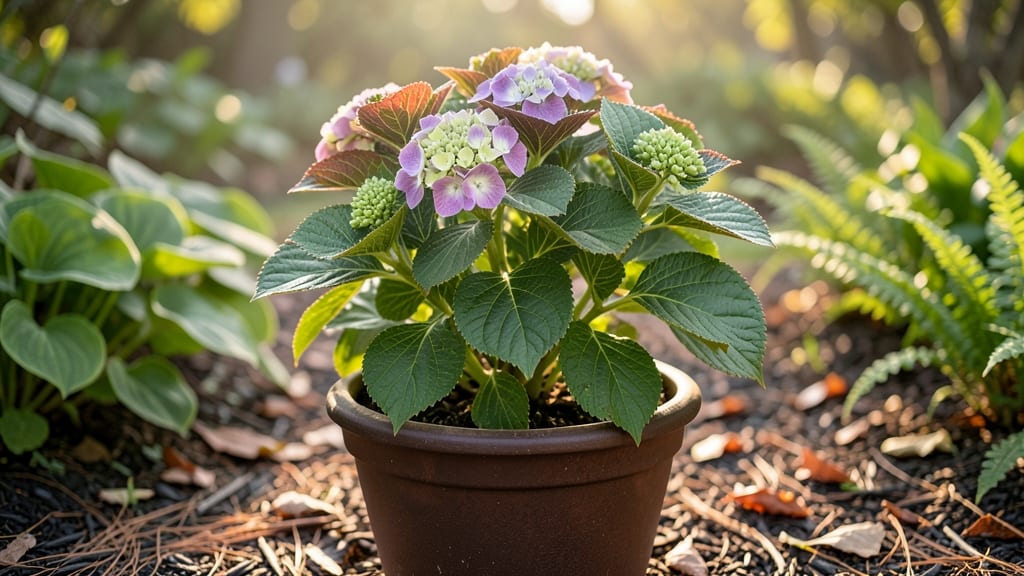
Identifying hydrangeas by leaf pictures starts with noticing tiny details most gardeners miss. 🌿 The shape, edge, and even the way light hits the leaf can tell you exactly which variety you're looking at—whether it's the bold lobed leaves of oakleaf hydrangeas or the smooth, serrated edges of bigleaf types.
Here's the secret: focus on three key features first. Leaf edges can be smooth, serrated, or lobed, and size matters too—some leaves are as small as 2 inches, while others stretch to 8.
I've used this method to ID my own plants after buying them mislabeled at nurseries, and it works every time.
You'll spot the subtle differences that separate hydrangeas from lookalikes like viburnum or even some maples. A simple smartphone photo with good lighting—taken at a 45-degree angle—lets you compare against reference images and get it right the first time.
This works for both gardeners and plant collectors. Whether you're troubleshooting a struggling plant or just curious about what's growing in your yard, these visual clues cut through the confusion and give you confidence in your ID.
What Triggers Leaf Changes
When hydrangeas develop leaf issues that make identification tricky, the culprits are often hidden in their environment or internal health. Understanding these triggers helps you spot the problem early—and fix it before it spreads. Here’s why your hydrangea leaves might be sending confusing signals:
Hydrangeas thrive in specific temperature ranges, and sudden shifts can throw their leaves into disarray. Heatwaves, frost, or even strong winds can cause leaves to curl, yellow, or develop irregular edges—making them look diseased when they’re not.
- Heat Stress: Temperatures above 90°F (32°C) can scorch leaves, creating crispy, brown edges that mimic fungal damage. Why? High heat increases transpiration (water loss) faster than roots can supply moisture.
- Cold Damage: Frost or late spring freezes cause water-soaked or blackened leaf tips, often mistaken for bacterial infection. Why? Ice crystals rupture cell walls, disrupting nutrient flow.
- Wind Burn: Constant wind desiccates leaves, leading to brown, papery edges—especially on exposed stems. Why? Wind strips the protective waxy cuticle, exposing delicate leaf tissue.
Pro Tip: 💡 Mulch around the base to insulate roots in winter and use shade cloth in summer to buffer temperature swings.
Hydrangeas are thirsty but hate soggy feet, and watering mistakes are a top reason leaves look abnormal. Over- or under-watering alters leaf structure, color, and even edge smoothness—making ID a guessing game.
- Overwatering: Leaves turn yellow with brown, mushy edges (a classic sign of root rot). Why? Saturated soil cuts off oxygen, suffocating roots and triggering nutrient starvation.
- Underwatering: Leaves develop crispy, curled edges and may drop prematurely. Why? Cells lose turgor pressure (plumping) due to dehydration, causing edges to brown and roll inward.
- Inconsistent Watering: Uneven moisture leads to stunted growth and jagged leaf margins. Why? Roots struggle to absorb water uniformly, leading to patchy stress responses.
Action Step: 🌧️ Test soil moisture with your finger—water when the top 1–2 inches (2.5–5 cm) feel dry. Use a drip irrigation system for steady hydration.
Insects and mites don’t just eat leaves—they physically alter their shape and edges as they feed. Some leave telltale marks that mimic disease, while others chew irregular patterns that throw off ID efforts.
| Pest | Leaf Damage | Why It Happens |
|---|---|---|
| 🐜 Aphids | Sticky residue ("honeydew"), curled or puckered edges | Pierce leaves to suck sap, injecting toxins that distort growth. Honeydew attracts sooty mold, darkening leaves further. |
| 🕷️ Spider Mites | Tiny yellow/white speckles, webbing, scorched edges | Feed on chlorophyll, causing stippling (dead tissue spots). Severe infestations lead to leaf browning and premature drop. |
| 🐛 Japanese Beetles | Skeletons (chewed veins), notched or ragged edges | Adults and grubs devour leaf tissue, leaving behind irregular, jagged patterns that mimic mechanical damage. |
| 🐞 Scale Insects | Sticky leaves, thickened or deformed edges | Sap-sucking larvae secrete waxy coatings that disrupt nutrient flow, causing leaves to pucker or curl at the edges. |
Quick Fix: ✨ Spray leaves with neem oil or introduce ladybugs (natural aphid predators) to reclaim control.
Pathogens don’t just spot leaves—they rewire their structure as they spread. Fungi and bacteria alter leaf color, texture, and even the shape of edges, making ID a challenge.
- Powdery Mildew: Leaves develop white, powdery patches and may yellow or crisp at the edges. Why? Fungal spores block sunlight, starving cells and causing premature aging.
- Leaf Spot Diseases (e.g., Phyllosticta): Dark, irregular spots with yellow halos can distort leaf margins. Why? Fungi release enzymes that break down cell walls, leading to tissue death and edge erosion.
- Bacterial Leaf Spot: Water-soaked, greasy spots that turn brown and ragged. Why? Bacteria clog stomata (leaf pores), preventing gas exchange and causing edges to slough off.
Prevention Tip: 🌿 Space plants for airflow, avoid overhead watering, and sterilize pruners with rubbing alcohol to stop pathogen spread.
By pinpointing the root cause—whether it’s weather, water, pests, or pathogens—you’ll spot the real issue behind confusing leaf changes. Next, we’ll tackle how to match these symptoms to specific hydrangea varieties for accurate ID.
Quick Fixes for Common Hydrangea Leaf Issues
When your hydrangea leaves start looking less than perfect, it’s often a sign that something needs attention—whether it’s pests, disease, or environmental stress. The good news? Most problems have simple, actionable solutions.
Below, we’ll break down the most common issues by cause, then map them to fixes and prevention tips so you can get your hydrangeas back to their lush, leafy best.
Cause: Too much water (root rot) or lack of essential nutrients like iron or nitrogen. Fix It: 🔥 Adjust Watering Habits
- Let the top 1–2 inches of soil dry out between waterings. Stick your finger in the soil—if it’s soggy, hold off!
- Ensure pots have drainage holes, and garden beds aren’t waterlogged.
🍳 Fertilize Smartly
- Use a balanced fertilizer (like 10-10-10) in early spring to boost overall health.
- For yellowing from iron deficiency (chlorosis), apply chelated iron or use a foliar spray.
👨🍳 Check Soil pH
- Hydrangeas love slightly acidic soil (pH 5.2–6.2). Test your soil and amend with sulfur or peat moss if needed.
Prevent It: ✨ Mulch properly (2–3 inches of organic mulch) to retain moisture without suffocating roots. 🌡️ Avoid compacted soil—loosen it gently around the base to improve drainage.
Cause: Slugs, snails, aphids, or spider mites munching on leaves. Fix It: 🔪 Manual Removal (For Slugs/Snails)
- Set out beer traps (bury a shallow dish filled with beer) or handpick pests at night when they’re active.
- Sprinkle diatomaceous earth (food-grade) around the base—it’s a natural, non-toxic deterrent.
🍳 Soap Spray (For Aphids/Mites)
- Mix 1 tbsp mild dish soap + 1 quart water in a spray bottle. Target the undersides of leaves where pests hide.
- Repeat every 5–7 days until pests disappear.
⏰ Neem Oil Treatment (For Stubborn Infestations)
- Spray a neem oil solution (1 tsp neem oil + 1 tsp soap per quart of water) on leaves. Reapply after rain.
Prevent It: 💡 Encourage natural predators like ladybugs or birds by planting companion flowers (e.g., marigolds, lavender). 🎯 Water in the morning to let foliage dry quickly—pests love damp leaves!
Cause: Powdery mildew, bacterial leaf spot, or environmental stress (heat, wind, or transplant shock). Fix It: 🔥 Prune and Dispose
- Cut off severely affected leaves with clean pruners and dispose of them in the trash (not compost).
🍳 Fungicide Application
- Use copper fungicide or baking soda spray (1 tbsp baking soda + 1 quart water + a drop of soap) for powdery mildew.
- For bacterial spots, apply fixed copper spray as a preventative.
👨🍳 Improve Airflow
- Space plants 3–4 feet apart to reduce humidity buildup.
- Avoid overhead watering—use drip irrigation or water at the base.
Prevent It: 🌡️ Water early in the day so leaves dry before nightfall (fungi thrive in moisture). ✨ Space plants properly and avoid crowding to prevent stress.
Cause: Underwatering, root rot, or heat stress. Fix It: 💧 Rehydrate Gently
- Water deeply until it drains from the bottom. For container plants, soak the pot in a bucket of water for 10–15 minutes.
🌱 Check Roots (For Root Rot)
- Gently dig around the base. Healthy roots are white; rotted roots are brown/mushy.
- If rot is present, trim affected roots, repot with fresh soil, and reduce watering.
👨🍳 Provide Shade in Heatwaves
- Move potted hydrangeas to partial shade during extreme heat (100°F+).
- Mulch heavily to retain moisture.
Prevent It: 🎯 Monitor soil moisture—hydrangeas prefer consistently moist (not soggy) soil. 💡 Use moisture-retentive soil mixed with perlite or coconut coir for better drainage.
Set a reminder to check leaves weekly for early signs of trouble. A quick leaf-by-leaf review (especially undersides) can catch problems before they spread. Snap a photo of suspicious leaves—compare it to online guides (like [this hydrangea leaf ID tool](https://www.gardeningknowhow.com)) to confirm the issue.
Remember: Hydrangeas are resilient! With the right care, they’ll bounce back faster than you think. 🌿💚 Start with one fix at a time, and soon your plants will be thriving again.
Frequently asked questions
What are the 3 key features to look for when identifying hydrangea leaves?
Focus on leaf shape (oval, lobed, or heart-shaped), edge type (smooth, serrated, or jagged), and size (ranging from 2–8 inches). For example, oakleaf hydrangeas have bold, lobed leaves while bigleaf varieties feature smooth, serrated edges.
How do I take the best leaf photos for accurate identification?
Use natural light, place leaves flat on a white surface, and snap photos at a 45-degree angle to show both texture and undersides. Avoid shadows and include a ruler or coin for size reference. A magnifying glass helps spot fine details like hairiness or vein patterns.
Why do some hydrangea leaves look different on the same plant?
This is normal! Younger leaves often have smoother edges that develop serrations as they mature. Environmental stress (like drought or wind) can also cause irregularities. Compare multiple leaves from different stems for the most accurate ID.
How can I tell hydrangeas apart from viburnum or maple trees?
Hydrangeas typically have opposite branching (leaves grow in pairs) while viburnum leaves are often toothed with aromatic foliage. Maple leaves are palmate with 5–9 lobes, while hydrangeas have 3–5 lobes or smooth edges. Check the flower clusters too—hydrangeas have round, pom-pom-like blooms.
What should I do if my hydrangea leaves look diseased but I'm not sure?
Start by checking for pests (aphids, mites) or fungal signs (powdery spots). Take close-up photos of both leaf tops and undersides, then compare them to online databases like the University of Minnesota Extension's plant disease guide. If unsure, share your photos in gardening forums for expert opinions.