
Pests and Diseases
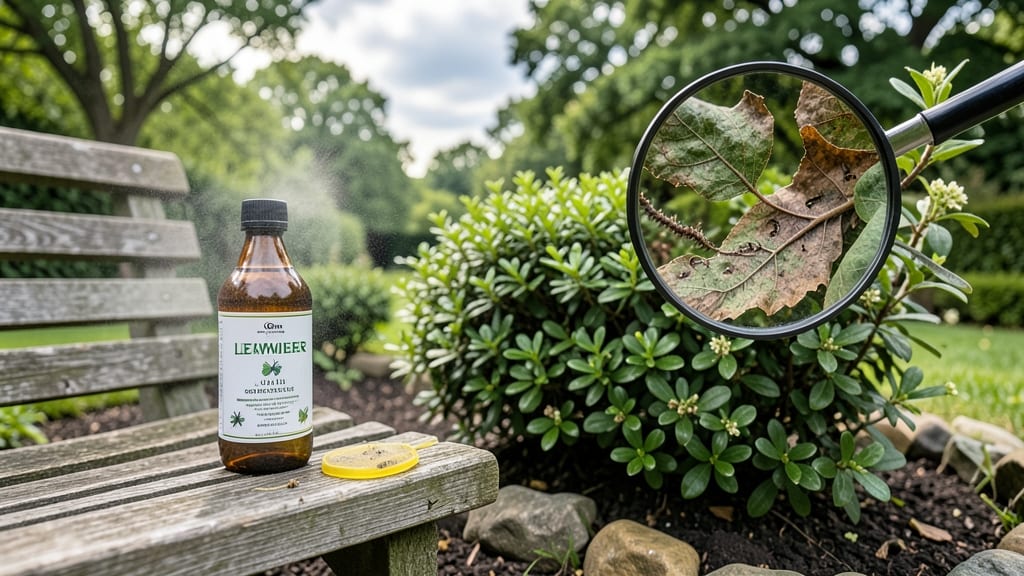
The boxwood leafminer insecticide battle starts with the right spray. 🌿 After years of watching boxwoods turn brown and brittle from these tiny pests, I finally found a fast, organic solution that actually works—no more losing plants to leafminers.
The key is timing and the right mix: horticultural oil or neem oil sprays suffocate the larvae while being safe for your plants. Apply when the larvae are young (late spring to early summer) and repeat every 2-3 weeks until you see improvement.
It’s not instant, but within 4-6 weeks, your boxwoods should show new, healthy growth. What you’ll get is boxwoods that stay lush and green, not the skeletonized mess that happens when leafminers take over. The secret is consistency—don’t skip applications, and you’ll break the cycle for good.
Works for both shrubs and container-grown boxwoods, and the same approach stops other pests like spider mites. Let’s get those boxwoods thriving again!
Root Causes Of Leafminer Damage
Boxwood leafminers (Monarthropalpus buxi) don’t just appear out of nowhere—they thrive due to a mix of environmental, plant-related, and human factors. Understanding these causes helps you take preventive action before infestations spiral out of control. Here’s why your boxwoods become a leafminer buffet:
Boxwoods under stress are prime targets for leafminers. When plants struggle, their defenses weaken, making them easier prey. Key stressors include:
- 💧 Poor Watering Practices
- Overwatering leads to root rot, suffocating roots and reducing nutrient uptake.
- Underwatering causes drought stress, making leaves less resilient to pests.
- Actionable fix: Water deeply 1-2 times per week (depending on climate) and ensure proper drainage to avoid soggy soil.
- 🌿 Nutrient Deficiencies
- Leafminers favor boxwoods lacking nitrogen, phosphorus, or potassium, which are essential for strong foliage.
- Yellowing leaves (chlorosis) or stunted growth signal malnutrition.
- Actionable fix: Apply a balanced, slow-release fertilizer (10-10-10 ratio) in early spring and fall.
- ☀️ Environmental Stress
- Extreme heat, cold snaps, or harsh winds weaken boxwoods, making them vulnerable.
- Actionable fix: Mulch around the base to regulate soil temperature and protect roots from temperature swings.
Leafminers are opportunistic pests—they multiply rapidly when conditions are just right. Their lifecycle depends on:
- 🌡️ Warm, Humid Climates
- Adult leafminers emerge in spring (April-May) when temperatures hit 60-70°F (15-21°C).
- High humidity (60%+) keeps eggs and larvae hydrated, speeding up their development.
- Actionable fix: Monitor weather forecasts and treat preemptively before peak emergence.
- 🌿 Dense, Untended Boxwoods
- Leafminers thrive in overgrown or neglected boxwoods where airflow is poor.
- Tight foliage traps moisture, creating a pest paradise.
- Actionable fix: Prune annually to improve airflow and remove heavily infested branches (bag and dispose of them!).
- 🌿 Previous Infestations
- Leafminers return yearly if left untreated, as pupae overwinter in soil or plant debris.
- Actionable fix: Clean up fallen leaves and prunings in autumn to break their lifecycle.
Sometimes, well-meaning gardening practices accidentally invite leafminers. Common mistakes include:
- 🛒 Buying Infested Plants
- Leafminers can hitch a ride on nursery stock, especially if plants are not inspected thoroughly.
- Actionable fix: Inspect new boxwoods for visible mines (blister-like tunnels) or tiny white larvae before purchasing.
- 🌿 Delayed Pest Control
- Waiting until visible damage appears means the infestation is already advanced.
- Actionable fix: Scout plants weekly in spring and summer—look for early signs like silver trails (larval frass) on leaves.
- 🚫 Ignoring Beneficial Predators
- Natural enemies like parasitic wasps and ladybugs keep leafminer populations in check.
- Actionable fix: Avoid broad-spectrum pesticides that kill beneficial insects—opt for targeted organic sprays instead.
💡 Pro Tip: The best defense is a combination of healthy plants + proactive monitoring. If you catch leafminers early, organic insecticides (like neem oil or horticultural oil) can stop them in their tracks before they cause major damage.
Practical steps to stop leafminer damage
Once you’ve identified the signs of a boxwood leafminer infestation, it’s time to act—before those telltale blotches and stunted growth become permanent. The good news? With the right approach, you can reduce, treat, and even prevent these pests from wreaking havoc on your boxwoods.
Below, we’ll break down targeted solutions based on the root causes of the problem, from organic sprays to cultural fixes. Let’s get your shrubs back to their lush, pest-free glory!
Leafminers are most active in spring and early summer, so timing is everything. If you catch them early, you can starve them out or smother them before they tunnel into new leaves.
🍳 Organic Sprays: Safe but Effective
For gardeners who prefer non-toxic options, these sprays disrupt the leafminer life cycle without harming beneficial insects:
- Neem Oil Solution 🌿
- Mix 1 tbsp neem oil + 1 tsp mild soap + 1 quart water in a spray bottle.
- Apply evenly on both leaf surfaces (especially undersides where eggs hide).
- Reapply every 5–7 days for 2–3 weeks to cover new hatchlings.
- Pro Tip: 🌡️ Spray in the early morning or late evening to avoid burning leaves in direct sunlight.
- Insecticidal Soap (Potassium Salts) 🧼
- Use a pre-mixed formula (like Safer® Insect Killing Soap).
- Spray directly on mines and larvae—it suffocates them on contact.
- Best for mild infestations (not as strong as neem but safer for pollinators).
- Bacillus thuringiensis var. kurstaki (Btk) 🦠
- A biological pesticide that targets caterpillar-like larvae (leafminers included).
- Mix with water and spray at dusk when bees are less active.
- Works best in early stages before larvae burrow deep.
🔪 Chemical Control: When Organic Isn’t Enough
If the infestation is severe, synthetic insecticides can provide faster results. Always follow label instructions and consider these options:
- Spinosad (e.g., Captain Jack’s, Gardeners Gold) 🎯
- Derived from soil bacteria, it’s low-toxicity but effective against leafminers.
- Spray every 7–10 days for 3–4 weeks.
- Caution: 🚫 Avoid spraying when bees are active (early morning or evening).
- Acephate (Orthene) 🛡️
- A systemic insecticide that moves through the plant’s sap.
- Apply at the first sign of mines (follow label rates).
- Note: More potent—use as a last resort and keep pets/kids away until dry.
Prevention is the best offense—these habits reduce future infestations by making your boxwoods less appealing to leafminers.
🌱 Prune for Better Airflow & Light
- Remove heavily infested leaves 🪒 (bag and dispose of them—do not compost).
- Thin out dense foliage to reduce humidity (leafminers love damp, shaded areas).
- Prune in late winter to encourage new, healthy growth before spring hatching.
🌡️ Soil & Water Management
- Avoid overwatering—leafminers thrive in soggy soil.
Water deeply but infrequently. - Mulch properly (2–3 inches of organic mulch) to regulate moisture without creating a pest paradise. - Fertilize in early spring with a balanced, slow-release formula (too much nitrogen = softer leaves = easier meals for leafminers).
🐝 Encourage Natural Predators
- Ladybugs, lacewings, and parasitic wasps eat leafminer eggs and larvae.
- Plant companion flowers like dill, fennel, or marigolds to attract these helpers.
- Avoid broad-spectrum pesticides that kill beneficial insects.
Stay one step ahead with this month-by-month guide:
| Season | Action | Why It Works |
|---|---|---|
| Late Winter | Prune & dispose of old leaves | Removes overwintering eggs. |
| Early Spring | Apply neem oil or Btk | Stops first-generation larvae. |
| Summer | Monitor & reapply sprays every 2 weeks | Catches new hatchlings before they tunnel. |
| Fall | Rake up leaf litter | Eliminates hiding spots for pupating leafminers. |
- Test sprays first on a small branch to check for leaf burn.
- Rotate insecticides to prevent resistance (e.g., alternate neem oil with spinosad).
- Inspect new plants before bringing them home—leafminers can hitch a ride on nursery stock.
- Consider resistant varieties like ‘Green Velvet’ or ‘Winter Gem’ boxwoods, which are less prone to infestations.
By combining targeted sprays, smart pruning, and seasonal vigilance, you can minimize leafminer damage and keep your boxwoods thriving. Act fast, stay consistent, and soon you’ll be admiring flawless, healthy foliage—no mines in sight! 🌿✨
Frequently asked questions
What are the first visible signs of a boxwood leafminer infestation?
Look for blister-like tunnels (mines) on leaves and tiny white larvae moving along leaf veins. You’ll also spot silver trails of frass (larval waste) on leaf surfaces. Check undersides of leaves first—this is where eggs are laid and larvae hide.
Can I use neem oil if my boxwoods are already severely damaged?
Neem oil works best on early-stage infestations, but it can still help reduce further damage. For heavily infested plants, combine it with pruning out affected leaves (bag and dispose of them) and consider adding Bacillus thuringiensis (Btk) for faster results.
How often should I reapply insecticide sprays for boxwood leafminers?
Most organic sprays (neem oil, Btk) need every 5-7 days for 2-3 weeks to catch new hatchlings. Chemical options like spinosad can stretch to every 7-10 days. Always check product labels—consistency is key to breaking the leafminer lifecycle.
Are there any boxwood varieties that are naturally resistant to leafminers?
Yes! ‘Green Velvet’ and ‘Winter Gem’ boxwoods show better resistance. These varieties have thicker leaves that deter larvae. While no boxwood is completely immune, these are your best bets for reducing infestation risks—especially in high-risk areas.
What’s the safest way to dispose of heavily infested boxwood leaves?
Never compost them! Bag infested leaves in thick plastic and throw them in the trash. Larvae can survive in soil or compost, leading to reinfestation. For severe cases, consider burning (if local regulations allow) to eliminate all life stages completely.