
Leaf Blower
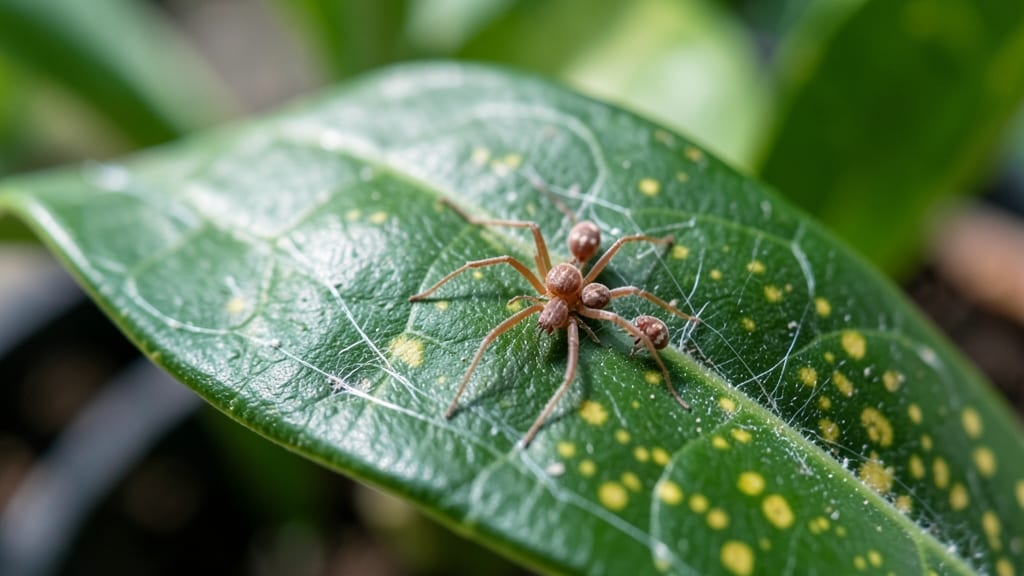
Spider mites on your fiddle leaf fig turn those stunning leaves into dusty, speckled messes—unless you act fast. 🌿 I’ve battled these tiny pests enough to know neem oil isn’t just a remedy; it’s your plant’s second chance.
The key? Spotting the infestation early, when the damage is still reversible, and using the right treatment to knock them out for good.
Most people wait until the leaves are covered in webbing before acting, but by then, the mites have already spread to your other plants.
A simple spray of neem oil—mixed correctly—disrupts their life cycle and smothers them without harming your fiddle leaf fig. You’ll see the difference within a week if you’re consistent, and the best part? It’s a natural solution that won’t leave harsh chemical residues.
The first signs—tiny yellow spots on the leaves—are often ignored, but that’s when neem oil works best. Once you’ve treated the infestation, focus on prevention: regular misting, keeping the humidity up, and inspecting new leaves weekly.
Your fiddle leaf fig’s glossy, vibrant foliage will make a full comeback, and you’ll learn to spot trouble before it takes hold.
This isn’t just about saving one plant—it’s about building a routine that keeps your entire collection thriving. Neem oil isn’t a one-time fix; it’s the foundation of a pest-free future for your fiddle leaf fig and every other leafy friend in your home.
The Hidden Triggers Behind Infestations
Spider mites may seem like tiny, harmless pests, but they’re actually opportunistic survivors that thrive under specific conditions—especially on your beloved fiddle leaf fig. Understanding why these pests target your plant is the first step to stopping them in their tracks.
Let’s break down the real culprits behind their unwelcome visits, so you can address the root causes and restore your plant’s health.
Spider mites are heat-loving arachnids—they multiply rapidly when temperatures rise above 80°F (27°C). Your fiddle leaf fig, a tropical plant, can become stressed in dry, hot conditions, making it a perfect host. Here’s how it plays out:
- Low Humidity = Mite Magnet: These pests thrive in below 40% humidity because their delicate bodies lose moisture quickly.
When air is dry, your plant’s leaves lose water faster, and spider mites feast on the weakened cells, leaving behind telltale stippled yellowing or fine webbing. - Overheated Leaves: If your fiddle leaf fig sits near heat vents, direct sunlight, or drafty windows, its leaves can overheat.
The plant’s waxy cuticle (its natural protective layer) weakens, making it easier for mites to pierce and suck sap. - Slow Recovery: Unlike pests that need moisture (like fungus gnats), spider mites don’t need water to survive—they just need dry, stressed plants to call home.
💡 Pro Tip: Use a hygrometer to monitor humidity. Aim for 40-60%—a pebble tray with water or a humidifier near your plant can make a huge difference.
A fiddle leaf fig’s glossy leaves may look pristine, but dust and debris act like a mite buffet. Here’s why:
- Dust = Shield and Snack: Dust blocks stomata (tiny pores on leaves), preventing gas exchange and weakening the plant.
Spider mites love dust because it: - Traps moisture near the leaf surface (creating a microclimate they adore). - Hides their webbing, making early detection harder. - Provides food particles—mite droppings (called frass) mix with dust, creating a sticky mess that further stresses the plant. - Neglected Pruning: If you rarely wipe leaves or skip pruning, old, yellowing leaves become high-risk zones for mites.
They prefer soft, damaged tissue over healthy growth.
🔥 Action Step: Wipe leaves weekly with a damp microfiber cloth (use neem oil diluted in water for extra pest prevention). Trim yellow or crispy leaves immediately to remove hiding spots.
A healthy fiddle leaf fig has natural defenses—sticky trichomes (tiny hair-like structures) and resinous sap that deter pests. But when the plant is stressed, these barriers fail. Common stressors include:
| Stressor | How It Helps Mites | Fix It With |
|---|---|---|
| Underwatering | Leaves curl, cuticle cracks, sap leaks | Water when top 1-2 inches of soil dry |
| Overwatering | Roots rot, fungal growth, weak roots | Ensure well-draining soil + pots with drainage |
| Nutrient Deficiency | Pale leaves, slow growth, thin cell walls | Balanced fertilizer (half-strength, spring/summer) |
| Pesticide Overuse | Kills beneficial insects (like ladybugs) that eat mites | Rotate natural remedies (neem, insecticidal soap) |
✨ Key Insight: Spider mites target weak plants first. If your fiddle leaf fig is yellowing, dropping leaves, or growing slowly, it’s already sending out a distress signal—and mites are listening.
Believe it or not, how you arrange your plants can invite spider mites. Here’s the connection:
- No Air Circulation: Stagnant air traps heat and humidity near leaves, creating a mite paradise.
If your fiddle leaf fig sits too close to walls, other plants, or furniture, mites can hop from plant to plant via webbing. - Overpotting: A root-bound plant struggles to absorb water, leading to dry, crispy edges—a red flag for mites.
Plus, crowded roots reduce airflow to the soil, increasing moisture retention (which mites exploit). - Greenhouse Effect: Tall, leafy plants (like monsteras or pothos) cast shade on your fiddle leaf fig, preventing even light exposure. Uneven light stress makes some leaves more vulnerable.
🎯 Prevention Hack: Space plants 6-12 inches apart and use a small fan (on low) near your fiddle leaf fig to stimulate airflow without shocking the plant.
Spider mites often hitchhike on other insects or move in after a plant has been compromised. Common scenarios:
- After Mealybugs or Scale: These pests inject toxins into your fiddle leaf fig, weakening it.
Once they’re gone, mite populations explode because the plant is already damaged. - From New Plants: If you brought home a new fiddle leaf fig (or any houseplant) without quarantining it, mites could’ve hidden in the soil or undersides of leaves. - Outdoor Exposure: Even a brief trip outside (like moving your plant near a window) can introduce mites blown in on the wind or carried by beneficial insects (like lacewings, which mites sometimes attack).
🚨 Critical Move: Quarantine new plants for 2-4 weeks before introducing them to your collection. Inspect every leaf, stem, and pot edge with a magnifying glass.
Spider mites don’t just appear—they’re responding to conditions your fiddle leaf fig can’t handle. The good news? Fixing these issues (humidity, hygiene, stress) doesn’t just kill mites—it strengthens your plant’s immunity so future infestations stay away.
🔥 Ready to strike back? The next section covers how neem oil disrupts their life cycle—and why it’s your secret weapon.
How to Treat Your Fiddle Leaf Fig
Spider mites may be tiny, but they don’t stand a chance against the right care. Whether your fiddle leaf fig is covered in webbing or just showing early signs of infestation, these solutions will help you reclaim its lush, healthy look.
Below, we’ve mapped out the best fixes based on the root cause—plus prevention tips to keep those pesky pests away for good.
Dust and tight spaces create the perfect hideout for spider mites. Start by giving your plant a thorough cleaning and separating it from others to prevent the spread.
🍳 Step 1: Isolate the Plant
- Move your fiddle leaf fig away from other houseplants immediately. Spider mites spread like wildfire, and you don’t want them jumping ship to your prized collection.
- Place it in a quarantine zone (like a bathroom or garage) if possible, or at least keep it far from others.
👨🍳 Step 2: Wipe Down Leaves
- Fill a spray bottle with water and a drop of mild dish soap (like Castile soap).
- Gently wipe each leaf with a soft microfiber cloth or sponge, focusing on the undersides where mites love to lurk.
- For stubborn dust, use a damp cotton swab to clean crevices.
🌡️ Step 3: Boost Humidity
- Spider mites thrive in dry air. Increase humidity around your plant with:
- A pebble tray (fill a tray with water and pebbles, place the pot on top).
- A humidifier (set it near your plant).
- Grouping plants together (creates a microclimate).
✨ Pro Tip: Misting alone isn’t enough—mitigation requires consistent humidity (aim for 40-60%).
If you’ve spotted tiny moving dots or yellow speckling, it’s time for a stronger intervention. Neem oil and insecticidal soap are your best friends here.
🔪 Step 1: Choose Your Weapon
- Neem Oil Solution (organic, plant-safe):
- Mix 1 tsp neem oil + 1 tsp mild soap + 1 quart water.
- Spray undersides and tops of leaves thoroughly.
- Repeat every 5-7 days for 2-3 weeks.
- Insecticidal Soap (fast-acting):
- Follow label instructions (usually 1-2 tbsp per gallon of water).
- Spray until leaves are glistening wet.
- Reapply every 3-5 days until mites disappear.
⏰ Step 2: Time It Right
- Apply early in the morning or late afternoon to avoid sunburn on leaves.
- Avoid spraying if rain or high heat is forecasted within 24 hours.
💡 Pro Tip: For severe infestations, combine neem oil with horticultural oil (follow product ratios) for extra power.
If your fiddle leaf fig looks like it’s wrapped in silk, spider mites have taken over. You’ll need a two-pronged attack: manual removal and a systemic solution.
🧹 Step 1: Knock Them Off
- Blast them away: Use a strong stream of water from the shower to dislodge mites and webs.
- Vacuum them up: Wrap your plant in a large plastic bag and vacuum around it to suck up stray mites.
🌱 Step 2: Systemic Treatment (For Stubborn Cases)
- Systemic insecticide (like dinotefuran or imidacloprid) can be absorbed by the plant to kill mites from within.
- Follow label instructions carefully—overuse can harm the plant.
- Best for: Plants with heavy webbing or repeated infestations.
🎯 Pro Tip: After treatment, wipe leaves with rubbing alcohol (70% isopropyl) to kill any lingering eggs.
Once you’ve banished spider mites, prevent a comeback with these habits:
- Inspect new plants before bringing them home (quarantine for 2 weeks).
- Prune regularly to improve air circulation (miters hate airflow!).
- Rotate your plant weekly so all sides get sunlight (prevents uneven growth).
- Dust leaves monthly with a damp cloth.
- Avoid over-fertilizing—too much nitrogen attracts pests.
💡 Final Reminder: Consistency is key! Spider mites multiply fast, so stick to your treatment schedule until you’re 100% sure they’re gone. Your fiddle leaf fig will thank you with shiny, mite-free leaves in no time!
Frequently asked questions
Why do spider mites prefer fiddle leaf figs over other houseplants?
Fiddle leaf figs have glossy, large leaves that trap dust and moisture—perfect conditions for spider mites. Their tropical nature also makes them sensitive to dry air, which mites exploit by feeding on weakened cells. Unlike rubber plants or snake plants, fiddle leaf figs can't tolerate low humidity well, giving mites an easy entry point.
How do I know if it's spider mites vs. just dust or nutrient deficiency?
Check for tiny moving dots (mites) or fine webbing between leaves—these are key signs. Nutrient deficiency causes uniform yellowing, while dust appears as gray film. Hold a white sheet under leaves: Black specks (mite droppings) confirm the infestation. A magnifying glass helps spot mites early!
Can I use neem oil if my fiddle leaf fig has new growth?
Yes, but dilute it extra carefully—new growth is more sensitive. Use ½ tsp neem oil + 1 tsp mild soap per quart of water and test on one leaf first. Avoid spraying in direct sunlight, which can cause leaf burn. Monitor for 24 hours before full treatment.
Will spider mites kill my fiddle leaf fig if left untreated?
Not immediately, but severe infestations can stunt growth and cause leaf drop over time. Mites weaken the plant by sucking sap, making it vulnerable to fungal infections or bacterial issues. Early treatment with neem oil or insecticidal soap prevents long-term damage—think of it as a plant emergency!
How often should I check my fiddle leaf fig for spider mites?
Inspect leaves weekly, especially undersides and new growth. Use a flashlight and magnifying glass for hidden signs. After treatment, check every 3-5 days for 1-2 weeks to catch any survivors. Prevention is easier than cleanup—consistency is your best defense!