
Planting
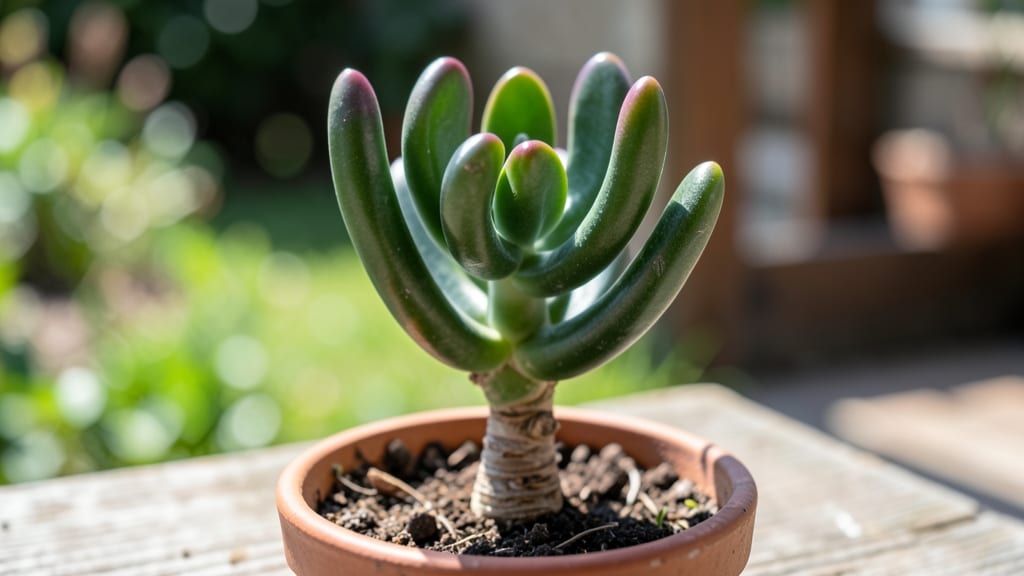
The Jamaica Leaf of Life plant (Aloe vera) grows faster than you’d expect—thick, plump leaves in just a few months with the right care. 🌱 I’ve watched mine go from a single pot to a jungle of offsets in under a year, and the secret isn’t complicated: bright light, minimal fuss, and a soil mix that drains like a dream.
This isn’t just a pretty houseplant; it’s a living first-aid kit with healing gel inside those spiky leaves.
Start with well-draining soil (cactus mix works perfectly) and a pot with drainage holes—no soggy roots here. Place it where it gets 6+ hours of sunlight daily, whether that’s a sunny windowsill or a sheltered outdoor spot.
Water only when the top inch of soil feels bone-dry, and skip the fertilizer unless you’re pushing it for bigger growth. Overwatering is the #1 killer, so let that soil dry out completely between drinks.
By summer, you’ll have pups (baby plants) ready to propagate—just snip them off and replant. These grow even faster than the mother plant, and each one’s packed with the same soothing gel.
Use it for burns, skin irritations, or just as a striking centerpiece. The gel stays fresh for months if stored right, making this one of the most versatile perennials around.
Outdoor growers in warm zones can plant it directly in the ground, but most of us keep it potted for easy winter moves. Watch for yellowing leaves (too much water) or brown tips (low humidity)—both fix fast.
With this care routine, your Leaf of Life will thrive indoors or out, giving back more than it takes.
📚 In This Guide
- What you need
- Instructions
- Tips and common mistakes
- Wrapping up and next steps
What you need
- ● Plant: A healthy Jamaica Leaf of Life (or seeds if starting from scratch). For Aloe vera, opt for a 4-6" pup or mature plant. For Hibiscus sabdariffa, buy seeds or young seedlings.
- ● Pot or Garden Space: Aloe vera: 1-2 ceramic or terracotta pots (6-8" diameter) with drainage holes or a sunny garden bed with well-draining soil.
- ● Hibiscus sabdariffa: 1 large pot (12"+ diameter) or a garden plot with full sun (6+ hours/day).
- ● Soil: Aloe vera: 1 bag blank">cactus/succulent mix (or regular potting soil amended with perlite/sand).
- ● Hibiscus sabdariffa: 1 bag blank">well-draining garden soil or potting mix with compost.
- ● Drainage: Perlite, pumice, or small gravel (1 cup for pots).
- ● Watering Can: 1 with a narrow spout (for precise watering).
- ● Gloves (to protect hands from sap or prickly leaves).
- ● Pruning Shears (for trimming dead leaves or harvesting).
- ● pH Tester (to check soil acidity—ideal range: Aloe vera: 6.0-7.5; Hibiscus: 5.5-6.5).
- ● Fertilizer: Aloe vera: 1 bottle blank">balanced liquid fertilizer (diluted to half-strength).
- ● Hibiscus sabdariffa: 1 bag blank">organic compost or high-potassium fertilizer.
- ● Mulch (straw or wood chips, for garden beds).
- ● Location: Bright, indirect light (or full sun for Hibiscus). Avoid drafts or extreme temps (Aloe vera thrives in 55–80°F; Hibiscus loves warmth!).
- ● Patience: Aloe vera grows slowly at first; Hibiscus may take 3-4 months to flower.
- ● Knowledge: Research your plant’s specific care needs—Aloe vera is drought-tolerant, while Hibiscus loves consistent moisture!
How to grow the Jamaica Leaf of Life plant
This vibrant perennial thrives with minimal fuss—here's how to get it growing fast.
🌱 Step 1: Choose the Perfect Spot for Sun and Shelter
The Jamaica Leaf of Life plant loves bright, indirect light—think morning sun with afternoon shade. A spot near an east-facing window or under a sheer curtain works best. Too much direct afternoon sun can scorch its broad leaves, while too little light slows growth and dulls the colors.
I always check the location by placing my hand near the spot for an hour. If it feels warm but not hot (like 70-75°F), that's ideal. The plant also appreciates some humidity, so a bathroom with a window or a kitchen with a humidifier creates perfect conditions.
🪴 Step 2: Plant in Well-Draining Soil and a Breathable Pot
Use a 6-8 inch pot with drainage holes—this plant hates soggy roots. Fill the bottom with a layer of orchid bark or perlite to improve drainage, then add a mix of potting soil and coconut coir (half and half). The soil should feel like a damp sponge when squeezed, not dripping wet.
Gently remove the plant from its nursery pot and loosen the roots if they're circling. Place it in the prepared pot and fill around the base with soil, pressing lightly to eliminate air pockets. Water thoroughly until you see moisture seep from the drainage holes—this ensures the roots make contact with damp soil immediately.
☀️ Step 3: Water Consistently Without Overdoing It
Water when the top inch of soil feels dry—about once a week in warm weather, less often in cooler months. Stick your finger in the soil to check; if it's dry at your first knuckle, it's time to water. Overwatering is the biggest mistake—yellowing leaves or mushy stems mean you're giving it too much love.
I water at the base of the plant rather than from above to keep the broad leaves dry. Wet leaves can develop fungal spots, especially in humid conditions. A saucer under the pot helps catch excess water, but always empty it after 10 minutes to prevent root rot.
✂️ Step 4: Prune to Encourage Bushier Growth
Pinch off the tips of new growth when the plant reaches 6 inches tall to encourage branching. This is where the magic happens—your single stem becomes a lush, full plant instead of a leggy stalk. Use clean, sharp scissors and make the cut just above a leaf node where new growth will sprout.
Remove any yellow or damaged leaves as soon as you spot them. These leaves drain energy from the plant and can attract pests. I also trim back any overly long stems in early spring to shape the plant and promote fresh, vibrant new growth for the season.
💧 Step 5: Fertilize Lightly for Fast, Healthy Growth
Feed with a balanced liquid fertilizer (10-10-10) diluted to half strength every 4-6 weeks during spring and summer. This keeps the growth fast and vibrant without overwhelming the plant. I always water the soil first to prevent fertilizer burn on the roots.
Stop fertilizing in fall and winter—this plant enters a slower growth phase and doesn't need extra nutrients. Watch for signs of over-fertilizing: crispy leaf edges or white crust on the soil surface. If you see either, flush the soil with water to rinse out excess salts.
Tips & tricks for perfect Jamaica Leaf of Life plant growth
Here's what nobody tells you about keeping this plant thriving with minimal effort.
Lighting Secret: If your spot gets intense afternoon sun, use a sheer white curtain to diffuse the light—this prevents scorching while still giving the plant the bright indirect light it craves. I've seen leaves turn crispy from just a few hours of direct midday sun, so this simple fix makes all the difference.
Soil Science: The half-and-half mix of potting soil and coconut coir creates the perfect airy environment for roots. If you notice water pooling at the bottom of your 6-8 inch pot after watering, add another layer of orchid bark—this improves drainage and prevents root rot, which is the silent killer of these plants.
Watering Wisdom: That 10-minute rule for emptying saucers is non-negotiable. I learned this the hard way when my plant developed root rot from sitting in standing water. The roots need oxygen, not a swampy environment, so always empty that saucer promptly after watering.
Pruning Payoff: When you pinch those tips at 6 inches tall, you're not just shaping the plant—you're forcing it to grow bushier and more compact. I've seen plants go from sparse stems to lush, full bushes just by doing this simple step consistently. Just make sure your scissors are clean to avoid spreading disease.
Pro Tips for Jamaica Leaf Of Life Plant
- Here's what nobody tells you about keeping this plant thriving with minimal effort.
- Lighting Secret: If your spot gets intense afternoon sun, use a sheer white curtain to diffuse the light—this prevents scorching while still giving the plant the bright indirect light it craves.
- Soil Science: The half-and-half mix of potting soil and coconut coir creates the perfect airy environment for roots.
Frequently asked questions
Got questions about the Jamaica Leaf of Life plant? You’re not alone! Here are some of the most common inquiries—plus straightforward answers to help you grow with confidence.
How fast does the Jamaica Leaf of Life plant grow?
The Jamaica Leaf of Life (Hibiscus sabdariffa) is a fast-growing annual (though often treated as a perennial in warm climates). Under ideal conditions—full sun, well-draining soil, and consistent moisture—it can reach 6–10 feet tall in just 3–4 months. Harvesting leaves and flowers early encourages bushier growth!
When is the best time to plant Jamaica Leaf of Life?
Start seeds indoors 6–8 weeks before your last frost (or direct-sow after soil warms to at least 60°F). For tropical climates, plant anytime—just avoid extreme heat. Transplant seedlings after they’ve sprouted 2–3 sets of true leaves. Pro tip: Soak seeds overnight to speed germination!
Can I grow Jamaica Leaf of Life in containers?
This plant thrives in 5-gallon pots or larger with drainage holes. Use a light, well-draining potting mix (add perlite or compost for aeration). Containers dry out faster, so water daily in hot weather. Just ensure the pot gets at least 6 hours of sunlight daily—south-facing windows or outdoor spots work best.
Why are my Jamaica Leaf of Life leaves turning yellow?
Yellowing leaves usually signal overwatering, nutrient deficiency, or pests. Check soil moisture first—let the top 1–2 inches dry between waterings. If leaves are crispy and brown, it’s underwatering. For yellowing with spots or holes, inspect for aphids or spider mites (spray with neem oil or insecticidal soap).
What’s the difference between Jamaica Leaf of Life and regular hibiscus?
While both are hibiscus, Jamaica Leaf of Life (Hibiscus sabdariffa) is prized for its edible leaves, flowers (roselle), and medicinal properties. Regular hibiscus (Hibiscus rosa-sinensis) is ornamental, with non-edible flowers and no culinary/medicinal use. Jamaica Leaf of Life also has thornier stems and a tropical, slightly tangy flavor!
Wrapping up and next steps
The Jamaica Leaf of Life plant isn’t just a fast-growing perennial—it’s a powerhouse of beauty and wellness! 🌿 Whether you’re drawn to its vibrant foliage, potential medicinal benefits, or ease of care, this plant offers something for every gardener.
Now that you’re armed with the right knowledge, why not take the next step?
Start by planting a few cuttings in your garden or even in pots for a low-maintenance green addition. Share your journey with fellow plant enthusiasts or explore more about its therapeutic uses—your green thumb (and health!) will thank you.