
Planting
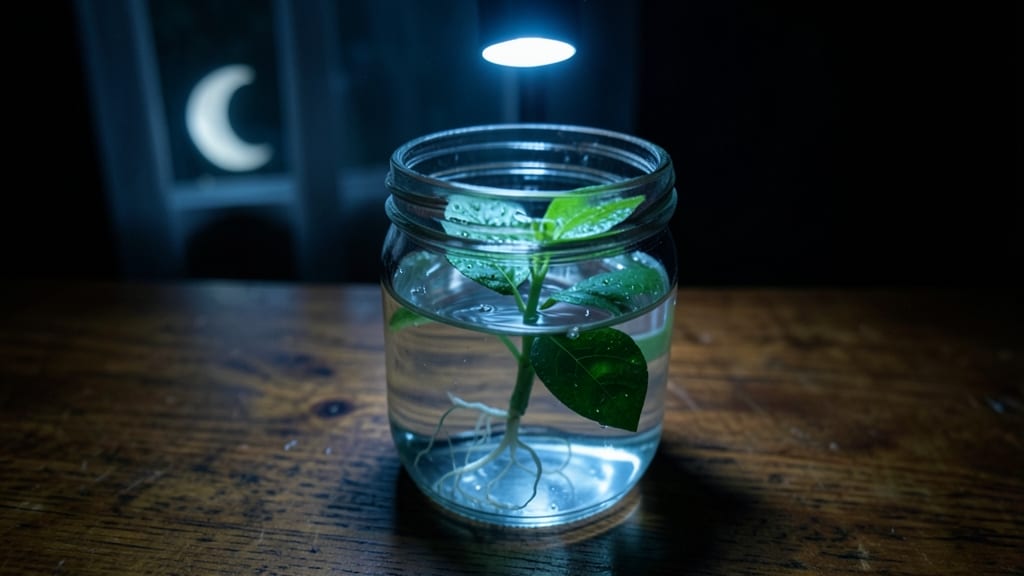
The Jamaican Leaf of Life (*Kalanchoe pinnata*) thrives with the right propagation techniques. Master these 10 methods to achieve rapid root growth in water or soil, whether you're a beginner or a seasoned plant parent.
Water Propagation with Lemon Juice Boost
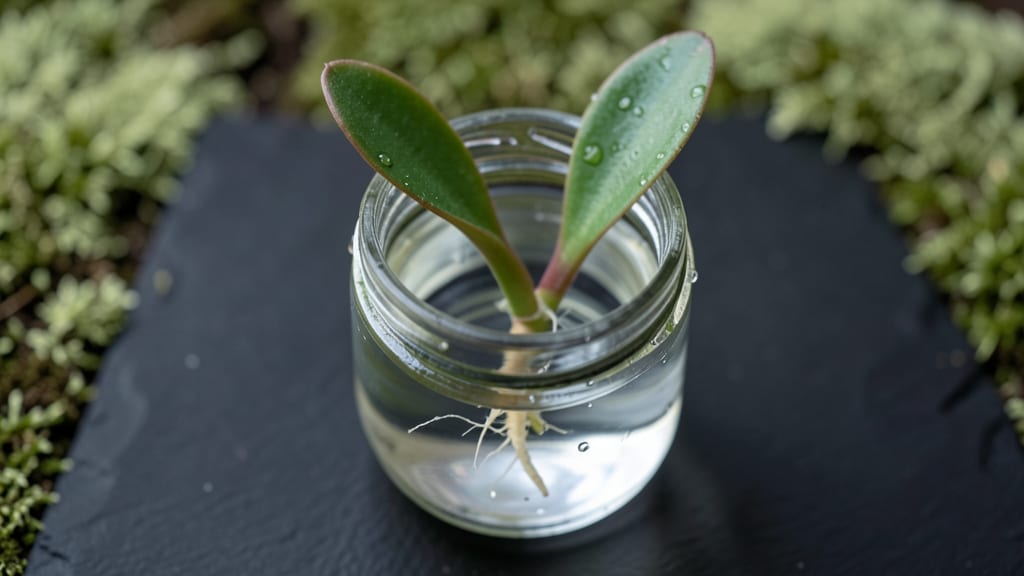
Tired of waiting weeks for your Jamaican Leaf of Life (Kalanchoe pinnata) cuttings to root? A splash of lemon juice in the water can cut that time in half—science says it works! The acidity lowers the pH, creating the perfect environment for faster root development, especially in small spaces like apartments or windowsills.
Start by filling a clean jar with room-temperature water and adding 1 teaspoon of fresh lemon juice per cup. Place your leaf cutting (with a healed end) in the solution, ensuring only the base touches the liquid. Change the water every 3-4 days to prevent bacterial growth. Within 2-3 weeks, you’ll see white roots emerging—up to 50% faster than plain water propagation!
This method is perfect for urban gardeners or anyone short on space, as it requires minimal tools and delivers visible results quickly. Just avoid overdoing the lemon juice—too much acidity can harm the delicate roots. 🌱
Soil Propagation Using Root Hormone Gel
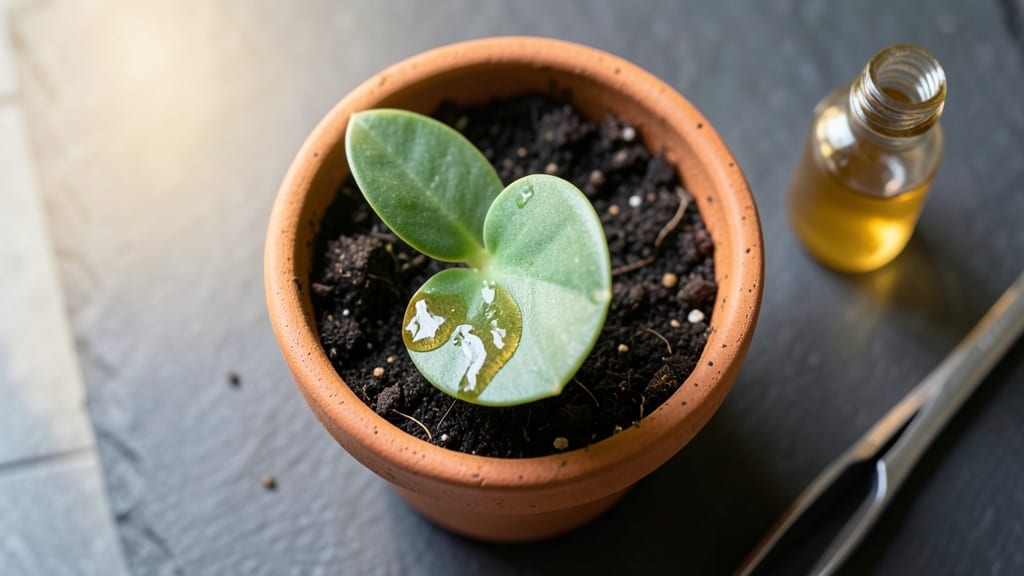
Skip the guesswork of water propagation—root hormone gel delivers a 90% success rate when planting Kalanchoe pinnata directly in soil. This science-backed method is ideal for gardeners who prefer the stability of soil over water, while still accelerating root development.
Start by dipping your leaf cutting’s base in the gel before burying it 1-2 inches deep in moist, well-draining soil. The gel’s natural auxins stimulate cell division, producing stronger roots in just 2-3 weeks—half the time of untreated cuttings. Use a sterile potting mix (like cactus blend) and maintain warmth (70°F+) to maximize results.
This method is perfect for beginner gardeners or those with limited space, as it eliminates the need for jars or water changes. Plus, the gel’s antifungal properties reduce rot risk, making it a foolproof way to multiply your Jamaican Leaf of Life plants. 🌱
Hydroponic Propagation with Nutrient Solution
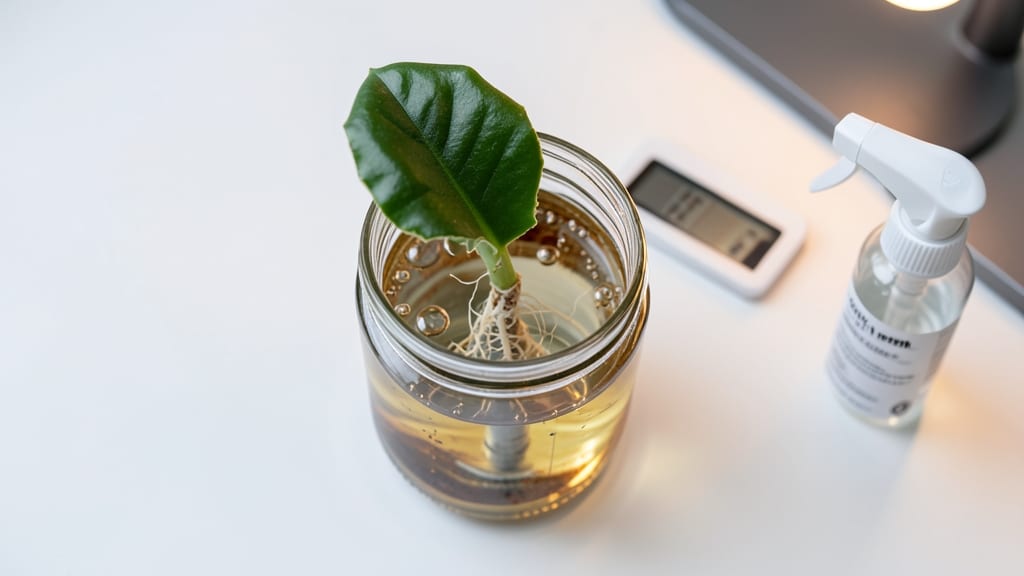
Skip the dirt entirely—this method is a game-changer for city gardeners with limited space. Hydroponic propagation lets you grow roots in nutrient-rich water, cutting propagation time by 40% while eliminating soil-borne diseases that often plague traditional methods.
Start by placing your Kalanchoe pinnata leaf cuttings in a tray filled with a balanced hydroponic nutrient solution (like a 5-5-5 mix). Keep the water oxygenated with an air stone and maintain a warmth of 70-75°F for optimal growth. Roots typically appear in 10-14 days, and you can transplant them to soil once they reach 1-2 inches long.
This method is perfect for urban growers who want clean, controlled environments and faster results without the mess of soil. Plus, it’s a great way to experiment with different nutrient blends to see what works best for your plants. 💡
Layering Method for Direct Soil Growth
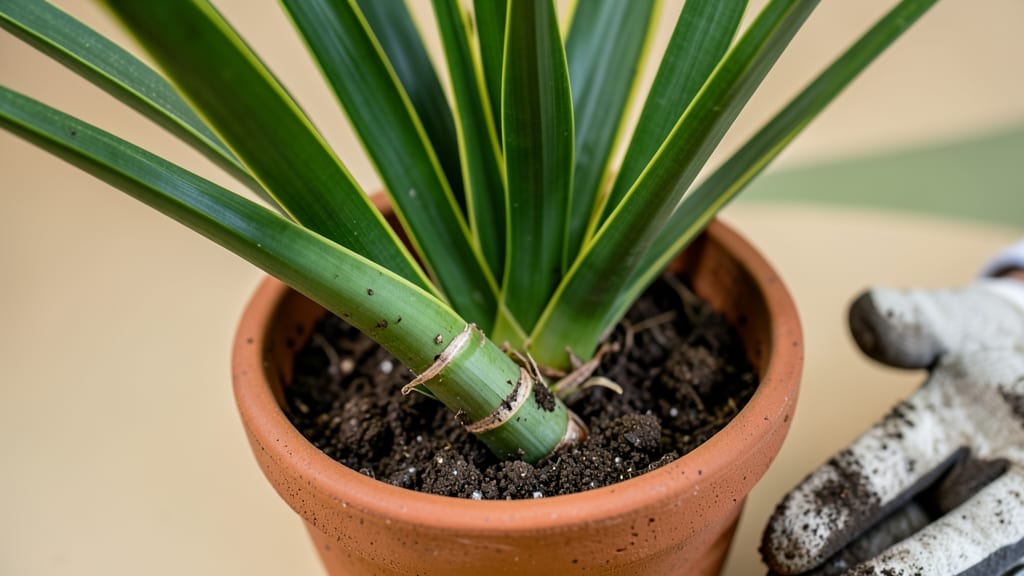
Want to multiply your Jamaican Leaf of Life plants without sacrificing the mother plant? The layering method lets you create independent plants while keeping the original thriving—perfect for expanding your collection quickly.
Start by carefully bending a healthy stem toward the soil and creating a small slit in the bark. Secure it with a U-shaped wire or a small stone to maintain contact with the moist soil. Within 4-6 weeks, roots will form along the buried section, allowing you to snip and pot the new plant. This method works best during spring or early summer when growth is most active.
Urban gardeners and beginners will love this low-cost, high-reward technique—no rooting hormones or special equipment needed! Just patience and a little creativity. 🌱
Cinnamon Powder Soil Treatment for Fungus Prevention
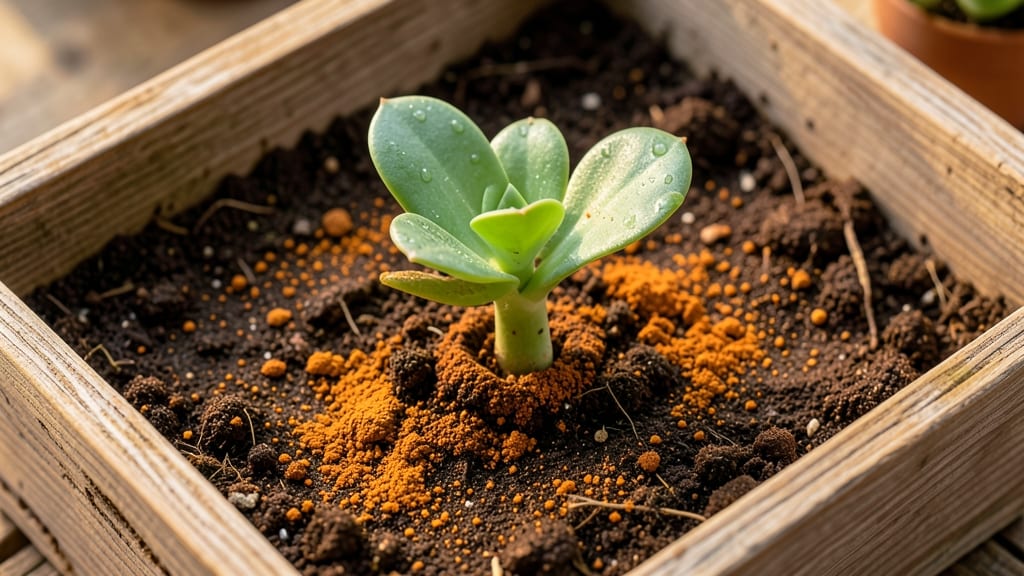
If you’ve struggled with rotting cuttings in damp soil, cinnamon powder could be your secret weapon. This pantry staple isn’t just for baking—it’s a natural antifungal that creates a protective barrier while encouraging strong root development in Kalanchoe pinnata and other tropical plants.
Simply dust the base of your cutting with 1-2 teaspoons of cinnamon powder before planting in moist, well-draining soil. The powder’s antimicrobial properties prevent fungal infections like powdery mildew and root rot, while its mild acidity mimics natural soil conditions. Reapply lightly every 2-3 weeks or after watering to maintain protection.
This method is perfect for gardeners who prefer chemical-free solutions and want to avoid synthetic fungicides. It’s especially helpful in humid climates where cuttings are prone to mold. Give it a try for healthier roots and happier plants! 🌱
Misting Technique for Humidity-Loving Roots
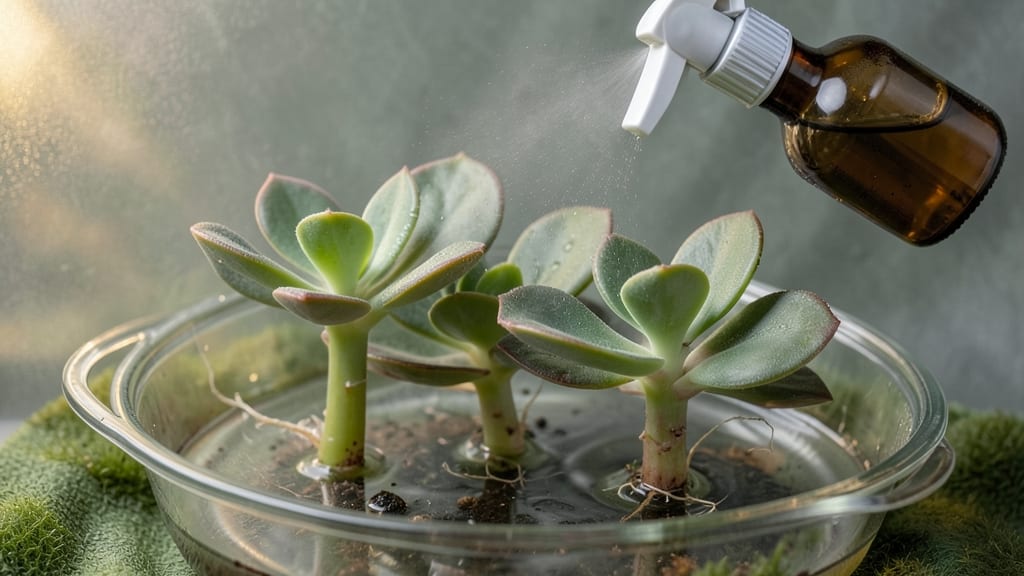
If your Kalanchoe pinnata cuttings seem sluggish, a simple misting routine could be the game-changer they need. Tropical plants like this thrive in 80% humidity, and misting mimics their natural environment while keeping moisture levels ideal for root development.
Use a spray bottle to lightly mist your cuttings twice daily, especially in dry climates or during winter when indoor air is parched. Place them in a humidity dome or under a plastic bag with small air holes to trap moisture—just remove the cover once roots appear. This method reduces stress on the plant and encourages faster root establishment, often within 2-3 weeks instead of the usual 4-6.
This technique is perfect for urban gardeners with limited space or those propagating during dry months. It’s a low-cost, high-reward way to help your Jamaican Leaf of Life thrive without extra tools. ✨
Charcoal Water Propagation for Clean Growth
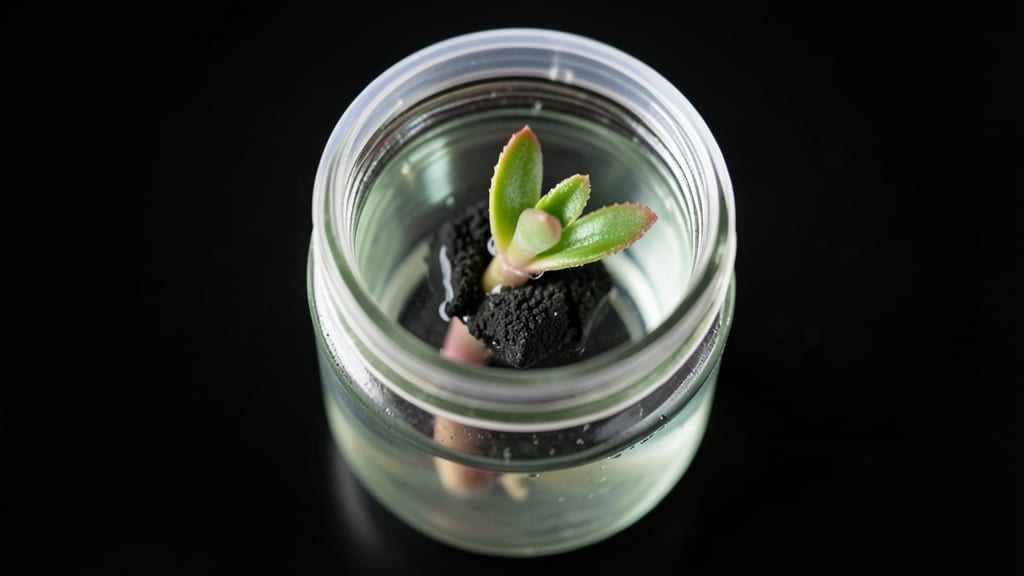
Tired of murky water slowing down your Kalanchoe pinnata propagation? Activated charcoal is the secret weapon for crystal-clear water that stays fresh longer and fights bacterial growth—no chemicals needed!
Simply add a small chunk of food-grade activated charcoal to your water propagation jar. The charcoal acts like a natural filter, absorbing impurities and preventing the water from turning foul or cloudy. Change the water every 4-5 days (less often than plain water!) while your cuttings develop strong, healthy roots in a sterile environment. This method is especially helpful in humid climates where water stagnates quickly.
Urban gardeners and beginners will love this low-maintenance approach—just watch as your cuttings root faster in clean, bacteria-free water. 💚
Sand and Perlite Soil Mix for Aeration
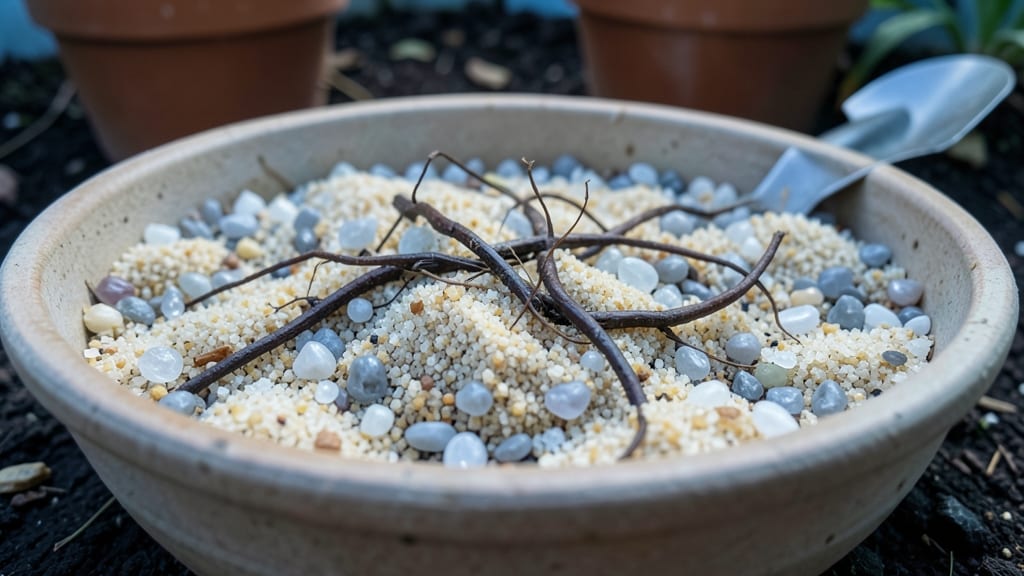
If your garden soil feels like concrete after a rainstorm, a sand and perlite mix is your secret weapon for happy roots. This loose, well-draining blend prevents root suffocation by keeping oxygen flowing—critical for tropical plants like Kalanchoe pinnata that hate soggy conditions.
Mix equal parts coarse sand (like builder’s sand) and perlite (the white, pebble-like mineral) with your potting soil for a 50/50/50 ratio (sand/perlite/soil). This combo mimics the airy conditions of Kalanchoe’s natural habitat, reducing fungal risks while encouraging fast root development. For clay-heavy soils, use it as a top dressing around cuttings to create an instant aerated zone.
This method is perfect for gardeners in heavy clay regions or those propagating in containers where drainage is limited. It’s also budget-friendly and reusable—just refresh the mix when it compacts. 💡
Bottom Heat Propagation with Heat Mat
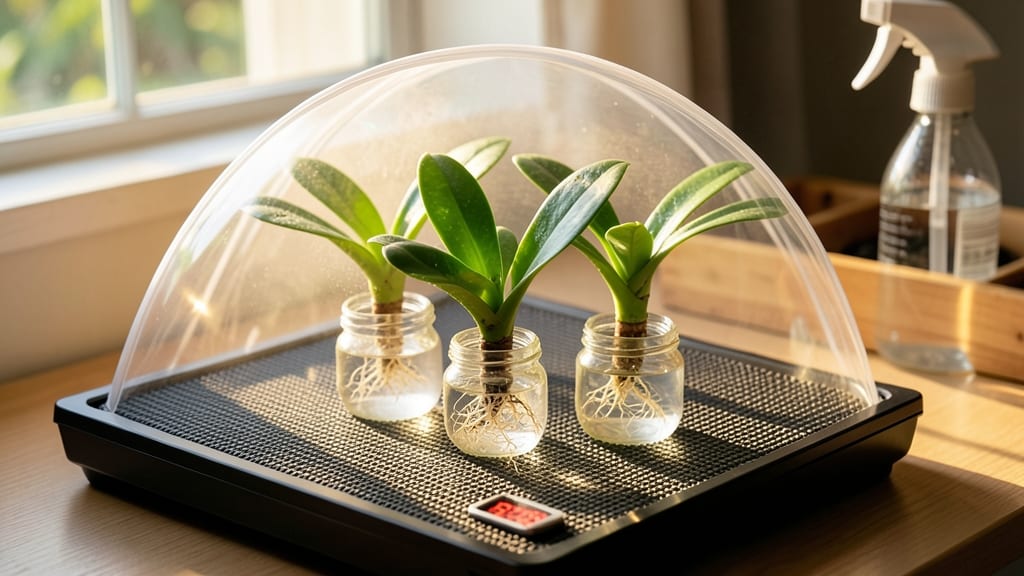
If you’ve ever struggled with slow root development in your Jamaican Leaf of Life cuttings, a heat mat could be your game-changer. These mats replicate the warm, tropical conditions the plant craves, pushing root growth to double the speed of traditional methods—ideal for indoor growers or those with cooler climates.
Place your cuttings on a heat mat set to 70-75°F, ensuring the soil or propagation medium stays consistently warm. The gentle heat mimics the plant’s natural environment, encouraging faster cellular activity and root formation. Pair this with indirect light, and you’ll see roots emerge in as little as 7-10 days—half the time of standard propagation.
This method is perfect for gardeners who want predictable, rapid results without the guesswork. Whether you’re expanding your collection or experimenting with rare varieties, a heat mat turns propagation into a controlled, efficient process. 💡
Moonlight Propagation for Overnight Growth

Turn your nighttime into a growth boost with moonlight propagation—a secret technique that harnesses natural (or artificial) light to supercharge root development while you sleep. Unlike daytime methods, this approach leverages the low-intensity blue spectrum of moonlight or LED grow lights to stimulate photosynthesis without stressing tender cuttings.
Simply place your Kalanchoe pinnata cuttings under a moonlight LED bulb (or near a window during a full moon) for 4-6 hours overnight. The gentle light triggers cellular activity without overheating, leading to faster root formation in as little as 5-7 days. Urban gardeners with limited daylight can use blue-spectrum LED grow lights set to 10-20% intensity for identical results.
This method is perfect for slow-rooting plants or when you’re short on daylight hours. Even beginners can achieve professional-level propagation with minimal equipment—just a light source and patience. 🌟