
Pruning
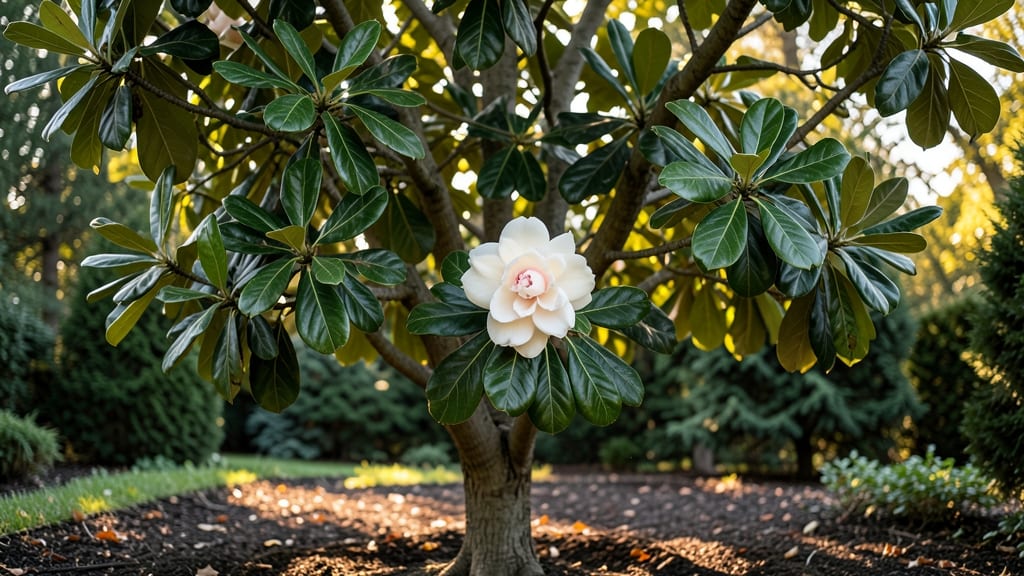
Those four simple cuts can turn your Japanese Big Leaf Magnolia from a tangled mess into a showstopper. 🌿 I’ve pruned these stunners for years, and the secret isn’t complicated—it’s timing and technique.
Most people wait until spring, but this magnolia deserves year-round attention to keep its dramatic blooms and glossy leaves. The best part? You don’t need fancy tools—just sharp pruners, a ladder (if needed), and a clear plan.
I’ll show you exactly where to cut to encourage thicker branches and more flowers. Skip the guesswork, and your magnolia will reward you with bold pink blooms that last for weeks.
By summer’s end, you’ll see new growth where you made those cuts, and the tree will look fuller than ever. The key is pruning right after flowering and again in late winter—no complicated schedules, just two strategic times.
Works for both young trees and mature specimens, whether you’re shaping a small garden feature or a towering statement plant. Let’s get those branches looking intentional!
📚 In This Guide
- What you need
- Instructions
- Tips and common mistakes
- Wrapping up and next steps
What you need
- ● Pruning shears: Bypass pruners (sharp, clean, and sterilized with rubbing alcohol). Size: 6–8 inches for small branches.
- ● Loppers: For thicker branches (½–1½ inches in diameter). Specs: Bypass blades, ratchet-assisted for ease.
- ● Pruning saw: For branches >1½ inches thick. Type: Curved-tooth saw to avoid tearing wood.
- ● Garden gloves: Heavy-duty, cut-resistant (e.g., Mechanix or Wolverine). Why? Magnolia thorns are no joke!
- ● Disinfectant: 70% isopropyl alcohol or bleach solution (1 part bleach : 9 parts water) to sterilize tools between cuts.
- ○ Pruning sealant: Optional but helpful for large cuts (>½ inch) to prevent disease. Brand tip: Tanglefoot Tree Wound Pruning Seal.
- ● Ladder or step stool: If your magnolia is taller than 6 feet—safety first!
- ● Trash bags: For collecting pruned branches (compostable if possible!).
- ● Hand saw: For precision cuts on stubborn branches.
- ● Extension pole pruners: For high branches (saves ladder time!).
- ● Marking spray: Fluorescent paint to mark cuts before pruning (great for complex shapes).
- ● Notebook & pen: To jot down pruning notes (e.g., “Remove dead branch at 3 PM”).
- ● Safety glasses: Protect your eyes from debris—especially when using a saw!
How to prune a Japanese big leaf magnolia for year-round beauty
Four strategic cuts keep this stunning tree thriving—and looking its dramatic best.
✂️ Step 1: Remove Dead or Diseased Branches Year-Round
Start anytime the tree is dormant or in mild weather. Look for branches that are brown, brittle, or oozing sap—these are clear candidates for removal. I always prune these first because they sap the tree's energy and can spread disease to healthy wood. Use clean, sharp pruning shears to make a smooth cut just outside the branch collar where it meets the trunk.
Don't wait until winter to tackle dead branches. If you spot one in summer, remove it immediately. The Japanese big leaf magnolia is forgiving, but leaving dead wood invites pests and fungal infections. After cutting, sterilize your tools with rubbing alcohol to prevent cross-contamination between branches.
✂️ Step 2: Thin Out Crowded Canopy in Late Winter or Early Spring
This is the most critical step for maintaining that signature dramatic shape. Wait until late winter or early spring, just as buds begin to swell but before new growth starts. Select branches that cross or rub against each other—these are prime candidates for thinning. Remove about 25% of the canopy in total, focusing on the interior to let light reach the center of the tree.
I like to step back and visualize the tree's natural shape. The Japanese big leaf magnolia has a graceful, slightly weeping habit, so I preserve that silhouette by removing only the branches that disrupt it. Never remove more than ⅓ of a branch's length in one cut—this prevents stress and shock to the tree.
☀️ Step 3: Shape the Outlines After Flowering
Timing is everything here—wait until 4-6 weeks after flowering, when the tree has finished blooming but before summer heat sets in. This gives you a clear view of the tree's structure while ensuring you don't cut off next year's flower buds, which form on old wood. Use hand pruners for smaller branches and loppers for thicker stems.
Focus on refining the tree's natural form rather than forcing a rigid shape. The Japanese big leaf magnolia's large, glossy leaves create a lush, tropical look, so I avoid over-pruning. Lightly trim only the outermost branches that spoil the tree's graceful silhouette. If you're unsure, err on the side of leaving more foliage—this tree thrives on a full, healthy canopy.
✂️ Step 4: Lightly Trim for Airflow in Late Summer
In late August or early September, give the tree a final light trim to improve airflow and reduce humidity around the foliage. This prevents fungal diseases like powdery mildew, which can plague magnolias in humid climates. Remove any branches that are growing inward or downward, as these create dense pockets where moisture lingers.
This step is all about maintenance, not transformation. I only make small adjustments—perhaps a few inches here and there—to keep the tree looking its best without stressing it before winter. Avoid heavy pruning now, as new growth won't have time to harden off before cold weather arrives. Finish by cleaning up all fallen leaves and debris around the base to keep the tree's roots healthy.
Tips & tricks for pruning Japanese big leaf magnolias
These simple strategies will help you keep your magnolia looking stunning with minimal effort.
Tool Prep: Always sterilize your pruning tools between cuts, especially when removing dead or diseased branches in Step 1. I use rubbing alcohol on a clean rag—this prevents spreading fungal spores or bacterial infections to healthy parts of the tree. Sharp tools make cleaner cuts that heal faster, so take 5 minutes to sharpen your shears before starting.
Visualizing the Shape: In Step 2, when thinning the canopy, step back frequently to visualize the tree's natural silhouette. The Japanese big leaf magnolia naturally grows with a graceful, slightly weeping habit—preserve that! I find it helpful to sketch a rough outline on paper first. This prevents over-pruning and helps you focus on removing only the branches that disrupt the tree's elegant form.
Flowering Timing: For Step 3, mark your calendar 4-6 weeks after flowering ends to schedule your shaping prune. This timing ensures you don't accidentally cut off next year's flower buds, which form on old wood. I set a reminder on my phone—magnolias can look stunning one year but completely bare the next if you prune at the wrong time. The large, glossy leaves will guide you visually when it's time to shape.
Seasonal Maintenance: During the late summer trim in Step 4, focus on creating airflow rather than dramatic changes. I remove only branches that grow inward or downward, creating small adjustments that prevent fungal diseases. After pruning, I always clean up all fallen leaves and debris from the base—this keeps the roots healthy and prevents moisture buildup that invites pests.
Pro Tips for Japanese Big Leaf Magnolia
- These simple strategies will help you keep your magnolia looking stunning with minimal effort.
- Tool Prep: Always sterilize your pruning tools between cuts, especially when removing dead or diseased branches in Step 1.
- Visualizing the Shape: In Step 2, when thinning the canopy, step back frequently to visualize the tree's natural silhouette.
Frequently asked questions
Got questions about pruning your Japanese Big Leaf Magnolia? Here are some common ones—and their answers—to keep your tree thriving year-round!
When is the worst time to prune my Japanese Big Leaf Magnolia?
The absolute no-go is late winter to early spring (February–March) when buds swell. Pruning then risks heavy sap loss, stress, and even dieback. Instead, time cuts for early spring (before buds burst) or late summer for minimal damage.
Can I shape my magnolia like a topiary? Should I?
Technically yes, but proceed with caution! These trees have thick, brittle branches that snap under heavy pruning. If you want a formal shape, use light, gradual cuts and focus on removing only dead or crossing wood. For a natural look, let it grow wild—magnolias shine with their organic beauty!
What do I do if my magnolia bleeds sap after pruning?
Sap bleeding is normal but annoying! To minimize it:
- Prune on a cloudy day (less stress = less sap).
- Use sharp tools to avoid tearing bark.
- Seal cuts with pruning sealant (optional but helpful for large wounds).
My magnolia isn’t blooming. Did I prune it wrong?
Not necessarily! Japanese Big Leaf Magnolias often skip years between blooms, especially when young. However, over-pruning or cutting back into old wood can delay flowers. Focus on removing only dead/diseased wood and avoid heavy structural cuts. If it’s been 5+ years with no blooms, check for pests or nutrient deficiencies.
Can I grow a Japanese Big Leaf Magnolia in a container? How?
Yes, but it’s challenging—these trees get huge (30–50 ft tall!). For containers:
- Use a 50+ gallon pot with drainage.
- Plant in well-draining soil (add perlite or sand).
- Prune aggressively annually to control size.
- Move indoors in winter if temps drop below 10°F.
Wrapping up and next steps
The Japanese Big Leaf Magnolia may seem intimidating with its bold foliage and towering presence, but mastering its pruning is simpler than you think! With just four strategic cuts—and the right timing—you’ll keep this stunning tree healthy, vibrant, and ready to steal the show in your garden. 🌿✂️
Now that you’re armed with the knowledge, grab those shears and give your magnolia the care it deserves! Start small, observe its growth, and soon, you’ll be pruning like a pro. Happy trimming! 🌟