
Pests and Diseases
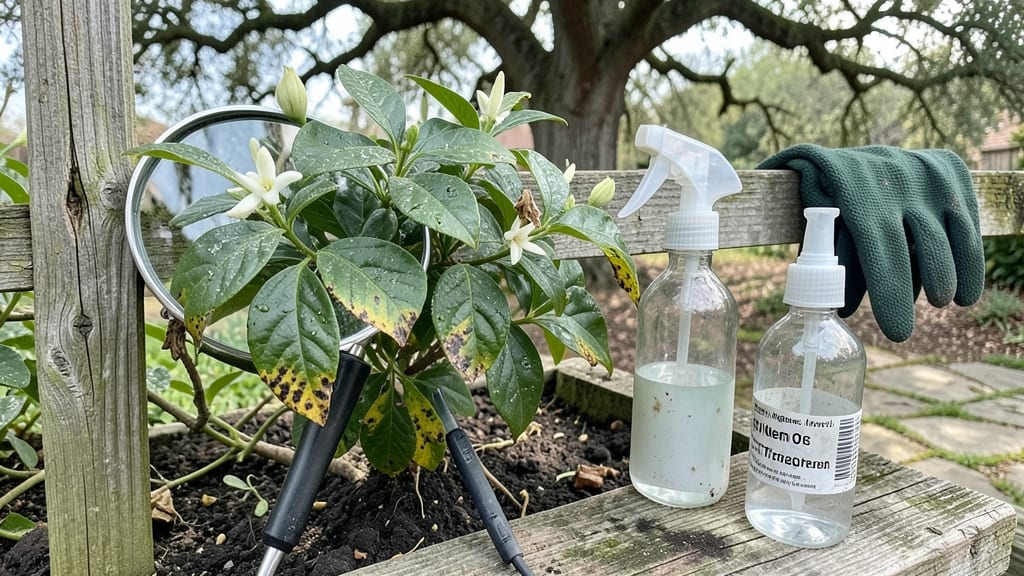
Jasmine plant leaf disease turns those fragrant green leaves into sad, spotted messes faster than you can say "summer breeze." 🌿 I've seen healthy jasmine vines go from lush and perfumed to struggling in just weeks—until I learned the early warning signs and organic fixes that actually work. The culprits are usually fungal infections like powdery mildew or bacterial leaf spots, but sometimes it's just too much heat or not enough nutrients. Yellowing edges, black spots, or white powder? Those are your plant's SOS signals. The good news? Most jasmine diseases respond well to pruning, neem oil sprays, and better airflow—no harsh chemicals needed. With the right approach, you'll see fresh new growth within 2-3 weeks, and those jasmine blooms will smell even sweeter. The key is acting fast before the disease spreads to the roots or stems. I'll walk you through exactly what to look for and how to treat it—naturally. This works for both climbing jasmine and bush varieties, whether you're dealing with a single plant or a whole hedge. Let's get those leaves healthy again!
Root Causes Of Leaf Trouble
Jasmine plants, with their fragrant blooms and lush foliage, can quickly fall victim to leaf diseases if conditions aren’t just right. Understanding why these issues arise is the first step to prevention and treatment.
Below, we break down the most common culprits behind jasmine leaf diseases—from environmental stressors to microbial invaders—and explain the science behind their damage.
Jasmine plants thrive in specific conditions, and when those are disrupted, leaf diseases often follow. Here’s how environmental factors play a role:
- Excessive Moisture: Jasmine leaves are prone to fungal infections like powdery mildew or leaf spot when humidity is high and airflow is poor. Overwatering or poor drainage creates a damp, ideal environment for spores to germinate. Why it happens: Fungal spores land on leaves, and when moisture lingers, they germinate and penetrate the leaf surface, disrupting cell function and causing brown or yellow spots.
- Poor Air Circulation: Dense foliage or crowded plantings trap moisture, creating a greenhouse effect. Why it happens: Stagnant air slows evaporation, keeping leaves wet longer. This encourages Botrytis blight (gray mold) and other pathogens that thrive in humid, still conditions.
- Temperature Extremes: Jasmine plants struggle in hot, dry or cold conditions. Why it happens: Heat stress weakens leaves, making them more susceptible to sunburn or nutrient deficiencies, while cold snaps can cause chilling injury, leading to discolored, wilted, or crispy leaves.
💡 Pro Tip: Monitor your jasmine’s environment—aim for 60-70% humidity, well-draining soil, and partial shade in hot climates to reduce stress-related vulnerabilities.
Pathogens are the sneaky villains behind many jasmine leaf diseases. Here’s how they exploit weaknesses:
- Fungal Infections (Powdery Mildew, Leaf Spot):
- Powdery mildew appears as white, powdery patches on leaves. Why it happens: Fungi like Erysiphe release spores that land on leaves. In warm (70-85°F) and humid conditions, these spores germinate and form a mycelial network, suffocating leaf cells and blocking photosynthesis.
- Leaf spot (e.g., Alternaria or Septoria) causes dark, irregular spots with yellow halos. Why it happens: Spores splash onto leaves from soil or water, then penetrate through natural openings (like stomata) or wounds. The fungus secretes enzymes that break down leaf tissue, leading to necrosis.
- Bacterial Leaf Spot:
Caused by bacteria like Pseudomonas or Xanthomonas, this disease creates water-soaked spots that turn brown and crusty. Why it happens: Bacteria enter leaves through wounds (e.g., from pruning or hail) or natural openings.
They multiply rapidly in moist conditions, producing toxins that kill plant cells and trigger immune responses, leading to visible damage.
- Viral Infections (e.g., Jasmine Mosaic Virus):
Viruses like Tobacco Mosaic Virus (which affects jasmine) spread via infected tools, sap-sucking insects (e.g., aphids), or contaminated hands. Why it happens: Viruses hijack the plant’s cells, disrupting protein synthesis and causing mosaic patterns, stunted growth, or leaf curling. Unlike fungi or bacteria, viruses can’t be cured—only managed.
🔥 Warning: Fungal and bacterial diseases spread faster in wet weather or when plants are already stressed (e.g., from drought or poor nutrition). Act fast to contain outbreaks!
A jasmine plant deficient in key nutrients becomes a prime target for diseases. Here’s how deficiencies pave the way for trouble:
| Nutrient Deficiency | Symptoms | Why It Weakens Leaves |
|---|---|---|
| Nitrogen (N) | Yellowing between leaf veins (chlorosis), stunted growth | Nitrogen is essential for chlorophyll production and cell growth. Without it, leaves can’t photosynthesize efficiently, becoming less resilient to pathogens. |
| Magnesium (Mg) | Interveinal yellowing (starts in older leaves) | Magnesium is central to chlorophyll molecules. Deficiency disrupts energy transfer in cells, making leaves more susceptible to oxidative stress from diseases. |
| Potassium (K) | Brown, dead patches on leaf edges ("scorch"), weak stems | Potassium regulates cell membrane stability and disease resistance. Low levels make leaves more permeable to pathogens and prone to dehydration. |
| Iron (Fe) | Pale green/yellow leaves (even veins), small leaves | Iron is crucial for electron transport in photosynthesis. Deficiency stalls energy production, weakening the plant’s immune response to infections. |
🌱 Fix It: Conduct a soil test to identify deficiencies, then amend with organic matter (compost) or targeted fertilizers (e.g., Epsom salt for magnesium, kelp meal for potassium).
While pests like aphids, spider mites, and whiteflies don’t cause diseases directly, they spread pathogens and damage leaves, creating entry points for infections. Here’s how:
- Aphids and Whiteflies: These sap-sucking insects excrete honeydew, a sticky residue that fosters sooty mold (a black fungal growth). Why it happens: Honeydew provides food for mold spores, which then block sunlight and clog leaf pores, suffocating the plant.
- Spider Mites: Their feeding creates tiny punctures in leaves, allowing bacteria and fungi to enter. Why it happens: Mites weaken the cuticle (leaf’s protective layer), making it easier for pathogens to invade.
- Scale Insects: Their waxy shells trap moisture against the leaf, creating ideal conditions for fungal growth. Why it happens: The trapped humidity promotes Botrytis or Anthracnose spores to germinate near the wound sites.
🎯 Prevention: Regularly inspect leaves for pests, and use neem oil or insecticidal soap to keep populations in check before they become a disease vector.
Quick Fixes for Sick Jasmine Leaves
Reviving your jasmine plant starts with identifying the root cause—whether it’s fungal infections, pests, or environmental stress—and taking targeted action. Below, we break down practical, organic solutions for each common issue, plus prevention tips to keep your plant thriving. No harsh chemicals needed!
🔥 Cause: Overcrowded plants, high humidity, or poor airflow. 🍳 Fix It Fast:
- Prune aggressively 🔪: Snip off infected leaves (sterilize shears with rubbing alcohol) to stop spores from spreading.
- Neem oil spray 🌿: Mix 1 tbsp neem oil + 1 tsp mild soap + 1 quart water. Spray both sides of leaves every 7–10 days until symptoms fade.
- Baking soda solution ✨: For powdery mildew, spray a mix of 1 tsp baking soda + 1 quart water + a drop of dish soap weekly.
💡 Prevention:
- Space plants 12+ inches apart for airflow.
- Water at the base (not overhead) in the morning so leaves dry quickly.
- Avoid wetting foliage when watering.
👨🍳 Treat the Invaders:
- Soap spray 🧼: Blend 2 tbsp castile soap + 1 quart water in a spray bottle. Drench infested areas every 3–4 days until pests vanish.
- Horticultural oil 🛢️: Apply in the evening (avoid direct sun) to smother mites and aphids. Reapply after rain.
- Release predator bugs 🐞: Ladybugs and lacewings devour pests naturally—buy them online or attract them with companion plants like marigolds.
🎯 Prevention:
- Inspect new plants before bringing them home.
- Wipe leaves with a damp cloth weekly to remove eggs.
- Use yellow sticky traps to catch flying pests like whiteflies.
🥘 Adjust Care Routine:
- Sunburn? Move your jasmine to partial shade (morning sun max) and gradually acclimate it if relocating.
- Overwatered? Let soil dry 1–2 inches deep between waterings. Repot in well-draining soil if roots are soggy.
- Yellow leaves? Flush soil with water to leach excess salts, then fertilize lightly with compost tea or a balanced organic fertilizer (10-10-10).
🌡️ Prevention:
- Use pots with drainage holes and terracotta (breathable material).
- Mulch around the base to regulate soil moisture.
- Test soil pH (jasmine prefers 6.0–7.0); amend with lime or sulfur if needed.
If >50% of leaves are damaged:
- Isolate the plant to prevent cross-contamination.
- Trim back to healthy growth (even if it looks drastic—new leaves will regrow!).
- Boost immunity with a fish emulsion fertilizer (rich in nitrogen) to encourage recovery.
✨ Pro Tip: Consistency is key! Follow up with weekly inspections and adjust care based on your plant’s response. A little TLC goes a long way—your jasmine will thank you with fragrant blooms in no time! 🌸
Frequently asked questions
What’s the difference between powdery mildew and leaf spot on jasmine?
Powdery mildew looks like a white, powdery coating on leaves, while leaf spot shows as dark, irregular brown or black patches. The key difference: mildew appears on leaf surfaces and spreads rapidly in humid conditions, while spots often have yellow halos and may fall out as the disease progresses. Both are fungal, but mildew thrives on leaf surfaces while spots penetrate deeper.
Can I save my jasmine if half the leaves are infected?
Yes! Start by pruning all diseased leaves (sterilize your shears with rubbing alcohol first). Then apply a neem oil spray every 7-10 days and move the plant to a spot with better airflow. If the issue is fungal, you should see new growth in 2-3 weeks. For severe cases, isolate the plant to prevent spreading to other plants.
Will baking soda really help with jasmine leaf diseases?
A baking soda solution (1 tsp baking soda + 1 quart water + a drop of dish soap) works wonders for powdery mildew and fungal spots. The alkaline properties disrupt fungal spores while the soap helps it stick to leaves. Spray in the morning every 5-7 days for best results—just avoid using it if your soil is already alkaline.
Why do my jasmine leaves turn yellow even after treating fungal spots?
Yellowing after treatment often means nutrient deficiency or overwatering. Check your soil—jasmine needs well-draining soil and benefits from a light feeding with compost tea or fish emulsion every 4-6 weeks. If the soil stays soggy, repot in fresh, well-draining mix. Yellowing between veins usually signals nitrogen deficiency, while yellowing at leaf edges often means potassium or magnesium is lacking.
How do I know if my jasmine has a viral infection?
Look for mosaic patterns (light/dark green patches), stunted growth, or distorted leaves—these are classic viral symptoms. Unlike fungal/bacterial diseases, viruses can’t be cured, but you can manage them by removing infected plants immediately, disinfecting tools with 70% alcohol, and controlling insect vectors (like aphids) with neem oil. Prevent spread by keeping new plants quarantined for 2-3 weeks before introducing them to your garden.