
Flowers
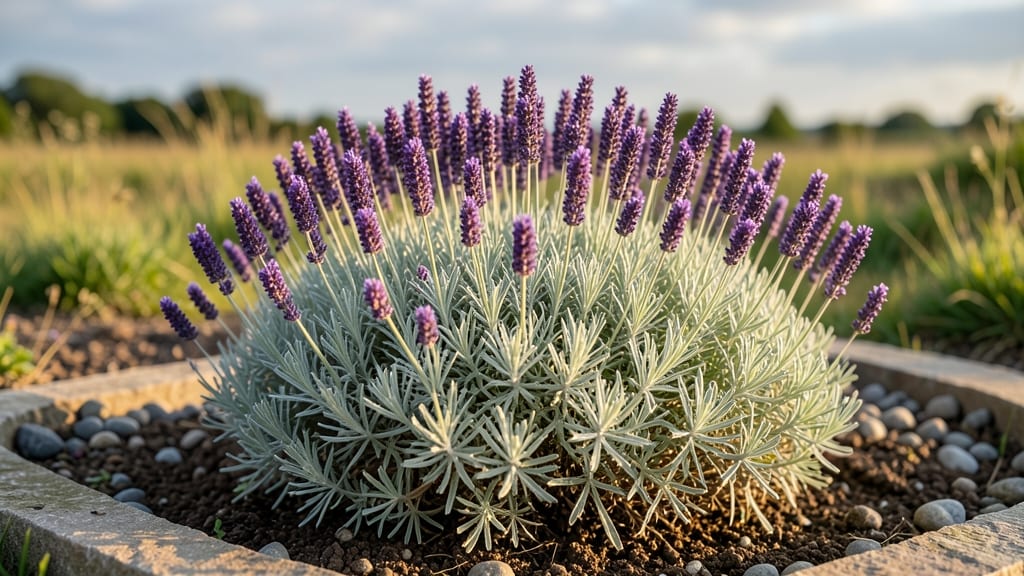
Lace leaf lavender's frilly foliage and sweet fragrance make it the star of any sunny garden border. 🌿 I fell for its delicate, almost lace-like leaves the first time I saw it—it’s not your typical lavender, and that’s exactly why it stands out.
This Mediterranean beauty thrives in full sun and dry soil, making it perfect for low-maintenance gardens. Unlike other lavenders, lace leaf handles heat and drought like a champ, but it still rewards you with vibrant purple blooms from mid-summer to fall.
Once established, it’s nearly foolproof—just prune lightly after flowering to keep it compact. The fragrance alone is worth growing it, but you’ll also love how it deters pests and attracts pollinators. Whether you’re planting in borders, containers, or even as a fragrant hedge, this lavender delivers beauty and ease.
Let’s get you growing!
📚 In This Guide
- What you need
- Instructions
- Tips and common mistakes
- Wrapping up and next steps
What you need
- ● Lace leaf lavender plants: 3–5 nursery-grown Lavandula stoechas (choose healthy, well-established plants with vibrant purple blooms).
- ● Well-draining potting mix: 10–15 gallons of a blend like 50% cactus/succulent mix + 50% perlite or coarse sand (avoid heavy garden soil).
- ● Containers or garden bed: For containers: 5–7-gallon pots with drainage holes (one per plant).
- ● For in-ground: A sunny spot with full sun (6+ hours/day) and drought-tolerant soil (amend with gravel/sand if clay-heavy).
- ● Slow-release fertilizer: 1–2 cups of balanced 10-10-10 or low-nitrogen (5-10-10) granular fertilizer per plant (sprinkle lightly on soil surface).
- ● Pruning shears: Sharp, clean shears (sterilize with rubbing alcohol between cuts).
- ● Gloves: Heavy-duty gardening gloves (lavender can be prickly!).
- ● Mulch: 1–2 inches of gravel or pebbles (retains heat and improves drainage).
- ● Drip irrigation or soaker hose: For consistent watering (avoid overhead sprinklers).
- ○ Support stakes (optional): If growing in windy areas, use 1–2 bamboo stakes per plant for stability.
- ○ Compost or worm castings (optional): 1 cup per plant to boost soil health (skip if using synthetic fertilizer).
Step-by-step instructions for planting and cultivating lace leaf lavender
This fragrant perennial rewards patience with silvery foliage and delicate blooms—here's how to establish it properly.
🪴 Step 1: Select the Perfect Planting Site and Prepare the Soil
Lace leaf lavender demands full sun exposure—at least 6-8 hours daily—and well-draining soil. I always choose the sunniest, driest spot in my garden because lavender roots rot quickly in soggy conditions. Test your soil by squeezing a handful: if it forms a tight ball, amend with sand or gravel to improve drainage.
For containers, select pots with drainage holes and fill with a mix of 50% potting soil, 30% perlite, and 20% coarse sand. The goal is a gritty, almost rocky texture that mimics lavender's natural Mediterranean habitat. Avoid garden soil entirely—it compacts and suffocates roots.
🌱 Step 2: Plant at the Right Depth and Spacing
Dig a hole twice as wide as the root ball but only as deep as the container it came in. Lavender roots are shallow and sensitive to burial. Gently remove the plant from its container, loosen any circling roots with your fingers, and place it in the hole so the top of the root ball sits just below soil level—never deeper.
Space plants 18-24 inches apart in garden beds to allow airflow and prevent fungal diseases. In containers, one plant per 6-inch pot is ideal. Backfill with your prepared soil mix, pressing lightly around the edges to eliminate air pockets. Water deeply right after planting to settle the soil but avoid creating a muddy mess.
☀️ Step 3: Establish Proper Watering and Light Routines
Lavender thrives on neglect once established, but young plants need consistent moisture. Water deeply every 2-3 days until new growth appears—about 4-6 weeks. You'll know it's enough when water runs out the drainage holes without puddling. After that, reduce to once a week or when the top 2 inches of soil feel dry.
Mulch with gravel or small pebbles (never organic mulch) to preserve moisture and reflect sunlight onto the foliage. If your climate receives heavy rain, ensure pots have saucers with drainage holes to prevent waterlogging. Lavender in soggy soil will yellow and decline within weeks.
✂️ Step 4: Prune for Health and Shape After First Year
Wait until spring of the second year to prune—never cut back new growth in the first year. Using clean, sharp shears, trim one-third of the current season's growth right after flowering. This encourages bushier growth and prevents woody stems. I always prune just above a set of leaves where new growth will emerge.
Remove any dead or diseased stems immediately to prevent spread. Avoid heavy pruning in fall or winter—lavender needs its foliage to photosynthesize through the colder months. After pruning, water lightly to help the plant recover, but don't overdo it; lavender prefers drought once mature.
🌿 Step 5: Maintain Through Seasons for Long-Term Success
Fertilize lavender once a year in early spring with a low-nitrogen, balanced fertilizer (5-5-5 ratio). Too much nitrogen produces leafy growth at the expense of flowers. I use a handful of compost around the base, but never mix it into the soil—lavender prefers lean conditions.
In winter, protect young plants from freezing temperatures with a light layer of mulch or burlap wrap if your zone drops below 15°F. Mature plants are hardy to 0°F but may need winter protection in colder climates. Watch for spider mites in dry conditions—spray plants with water to deter them, or treat with neem oil if infested.
Tips & tricks for perfect lace leaf lavender cultivation
Took me years to perfect these sun-loving plants—here's how to avoid the most common mistakes and get silvery foliage that lasts for seasons.
The Sunlight Factor: I can't stress this enough: lace leaf lavender needs that 6-8 hours of direct sunlight daily. If your yard has shady spots, consider growing in containers and moving them to sunnier locations during peak afternoon hours. Even partial shade can cause leggy growth and fewer blooms. Trust me, the silvery foliage will fade without full sun exposure.
Soil Strategy: The 50% potting soil, 30% perlite, 20% coarse sand mix is non-negotiable for containers. For in-ground planting, I've found that adding 1 part horticultural grit to native soil works wonders for drainage. Test your soil's drainage by filling a jar halfway with soil, adding water, and timing how long it takes to drain—if it's slower than 10 minutes, amend it immediately. Poor drainage is the #1 reason lavender fails.
Planting Depth Secret: Many gardeners bury lavender too deeply, which suffocates the roots. The top of the root ball should sit just below soil level—never deeper. I use a small stake to mark the original soil line from the nursery pot as a reference. Proper depth ensures strong root development and prevents rot, which can kill plants within weeks.
Watering Wisdom: The 2-3 days of deep watering for the first 4-6 weeks is crucial, but don't drown it. I've seen lavender turn yellow and die from overwatering in just a week. After establishment, let the top 2 inches of soil dry out between waterings—this mimics the plant's natural Mediterranean climate. Mulching with gravel (not organic material) helps maintain this balance by reflecting sunlight and preventing soil compaction.
Pro Tips for Lace Leaf Lavender
- Took me years to perfect these sun-loving plants—here's how to avoid the most common mistakes and get silvery foliage that lasts for seasons.
- The Sunlight Factor: I can't stress this enough: lace leaf lavender needs that 6-8 hours of direct sunlight daily.
- Soil Strategy: The 50% potting soil, 30% perlite, 20% coarse sand mix is non-negotiable for containers.
Frequently asked questions
Got questions about growing lace leaf lavender? You’re not alone!
Here are answers to the most common queries—from planting to troubleshooting—to help your fragrant garden thrive.
How often should I water lace leaf lavender?
Once established, lace leaf lavender is drought-tolerant! Water deeply once a week (or less in hot climates) during the first growing season. After that, water only when the soil feels dry 2-3 inches deep. Overwatering is the #1 killer—these plants hate soggy roots.
When is the best time to prune lace leaf lavender?
Prune right after flowering (late spring to early summer) to encourage bushier growth. Avoid heavy pruning in fall or winter, as new growth may not harden off before cold snaps. Use clean shears to trim 1/3 of the plant and shape lightly—never cut into woody stems.
Can lace leaf lavender survive winter in cold climates?
Yes! This hardy perennial tolerates USDA Zones 5-9. In colder zones (below Zone 6), mulch heavily with gravel or straw to protect roots. If you’re in Zone 5, consider winter protection like burlap wraps or a low tunnel. Evergreen varieties (like ‘Hidcote’) handle frost better than some others.
What can I do if my lavender looks leggy or sparse?
Leggy lavender often signals overcrowding or poor pruning. Thin out congested stems and prune back 1/3 of the plant in early spring. If soil is nutrient-poor, add compost or sand (lavender hates heavy clay). For severe cases, propagate cuttings in well-draining soil—new plants grow fast!
Are there alternatives to lace leaf lavender for hot, dry gardens?
Try Spanish lavender (Lavandula stoechas) for bold color, English lavender (L. angustifolia) for milder fragrance, or drought-tolerant sages (Salvia) and rosemary. All thrive in full sun and poor soil. Just avoid peonies or hydrangeas—they need more water!
Will lace leaf lavender attract bees and butterflies?
You bet! Lavender is a bee magnet and supports pollinators like butterflies and hoverflies. Plant in clusters near pollinator-friendly flowers (e.g., catmint, thyme) for a buzzing garden. Just avoid pesticides—chemicals harm these helpful insects.
Wrapping up and next steps
Growing lace leaf lavender is a rewarding journey that brings beauty, fragrance, and resilience to your garden—even in sunny, drought-prone conditions! 🌿 With the right soil, sunlight, and care, this versatile perennial will thrive for years, offering both aesthetic charm and practical benefits like pest repellent and soothing aromatherapy.
Whether you’re a seasoned gardener or just starting out, lace leaf lavender is a fantastic choice for adding elegance and low-maintenance allure to your outdoor space.
Ready to bloom with confidence? Start by selecting a sunny spot in your garden, gather your supplies, and plant your lavender with love—soon, you’ll be harvesting fragrant stems and enjoying the fruits of your labor! 🌸